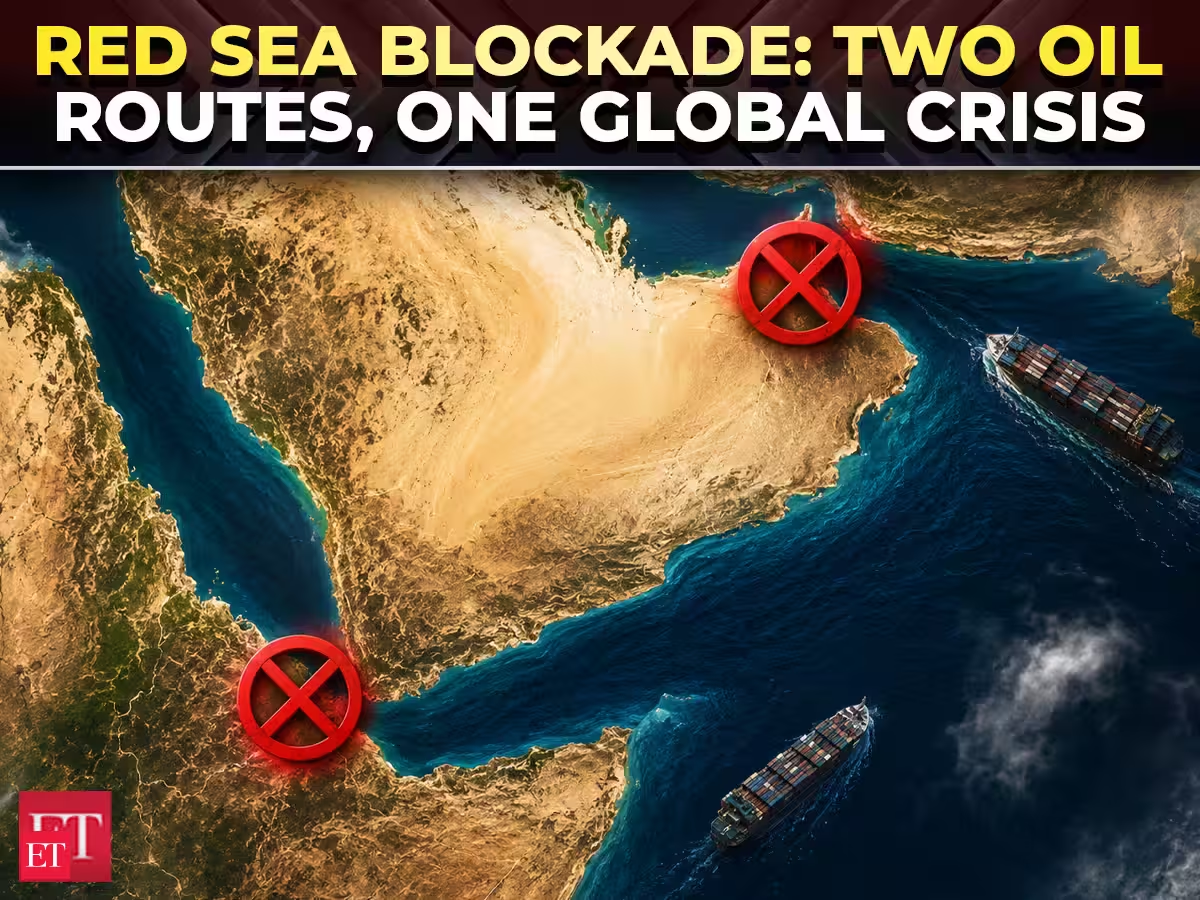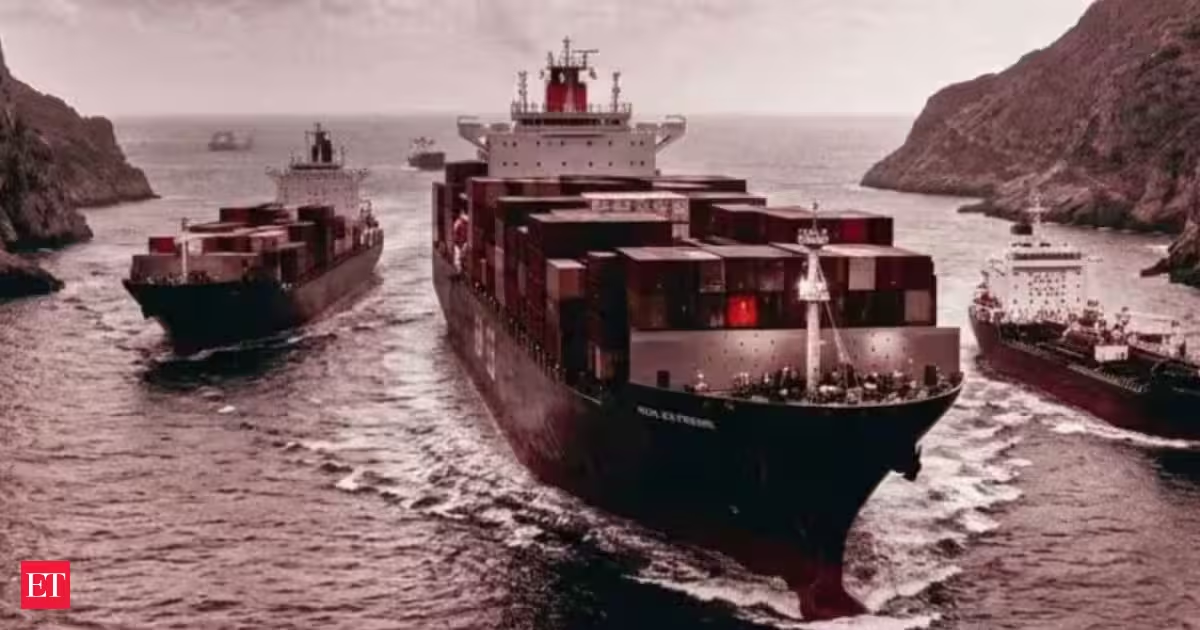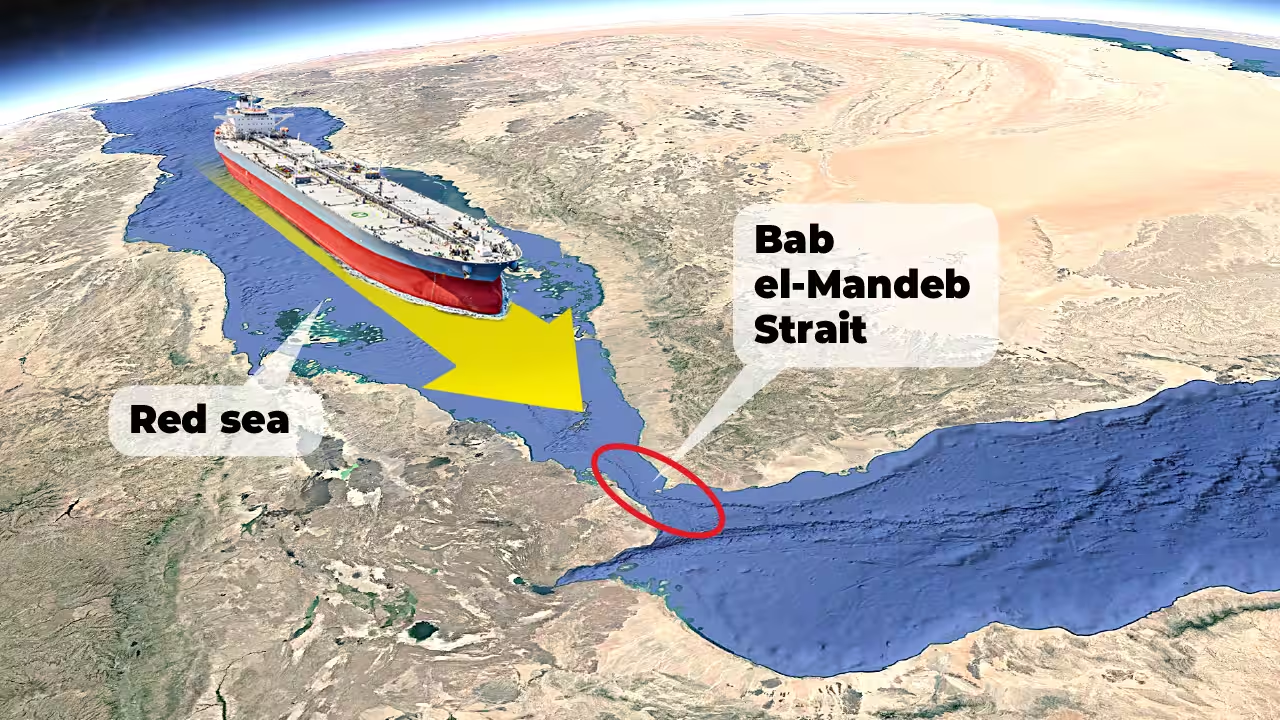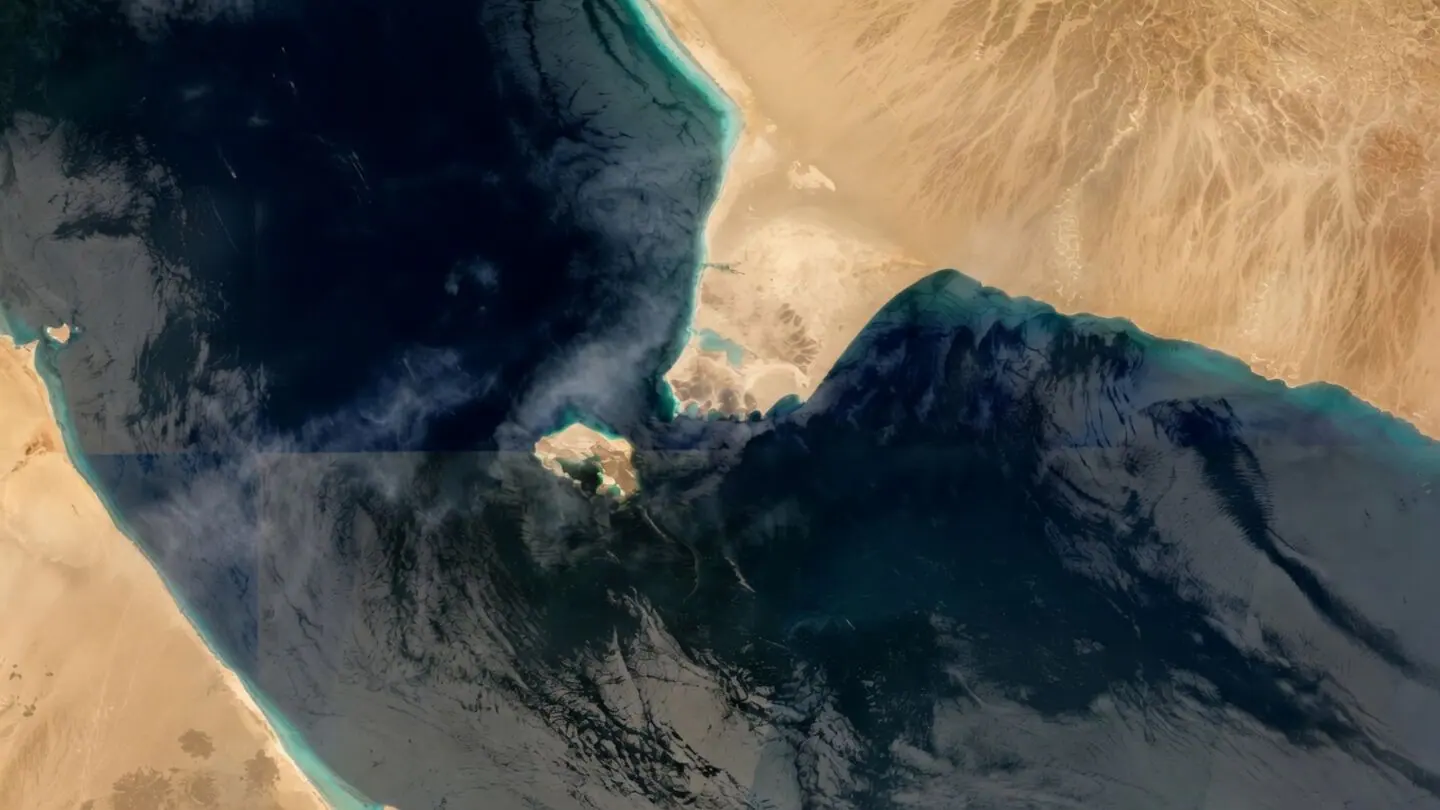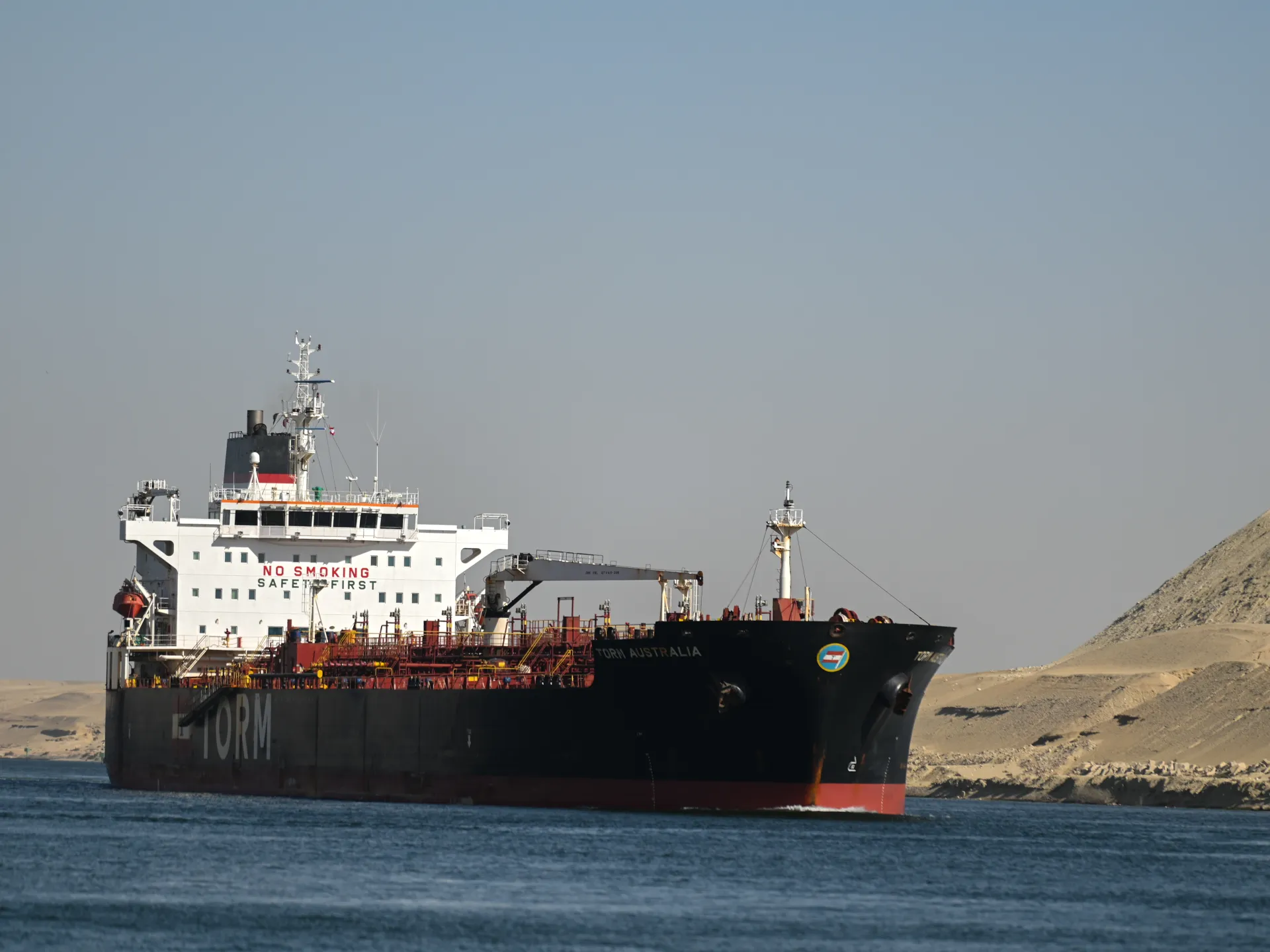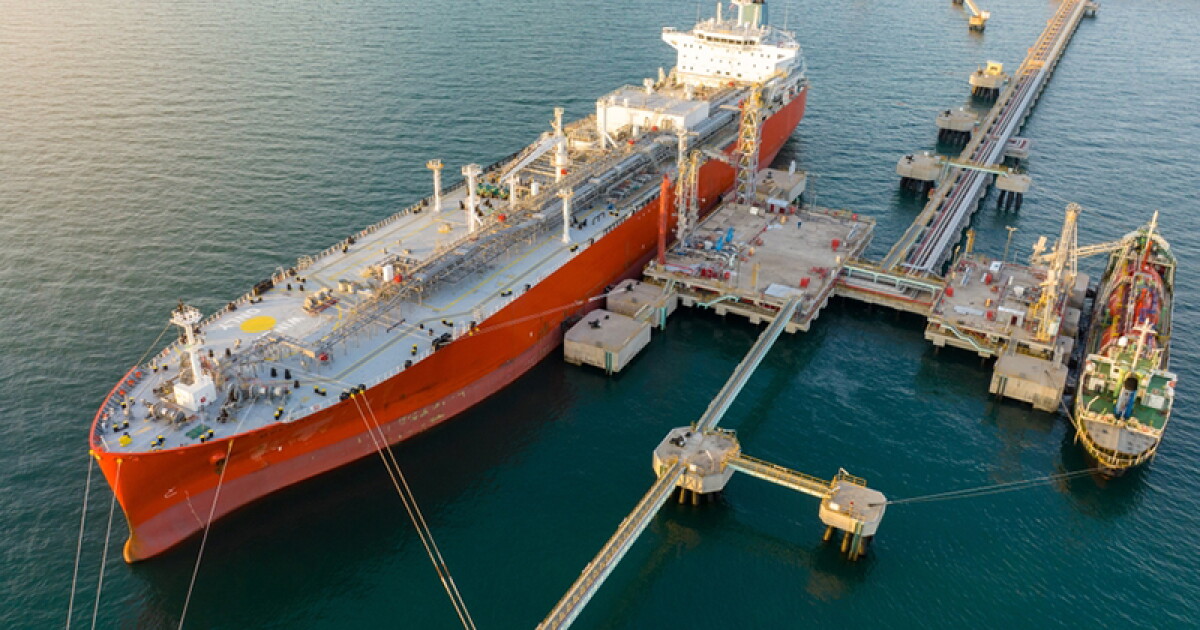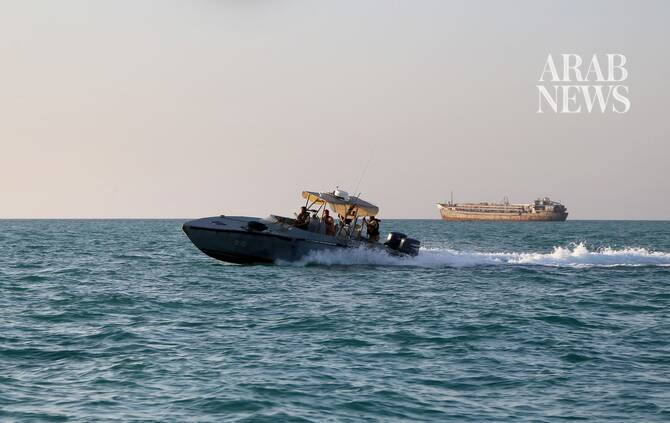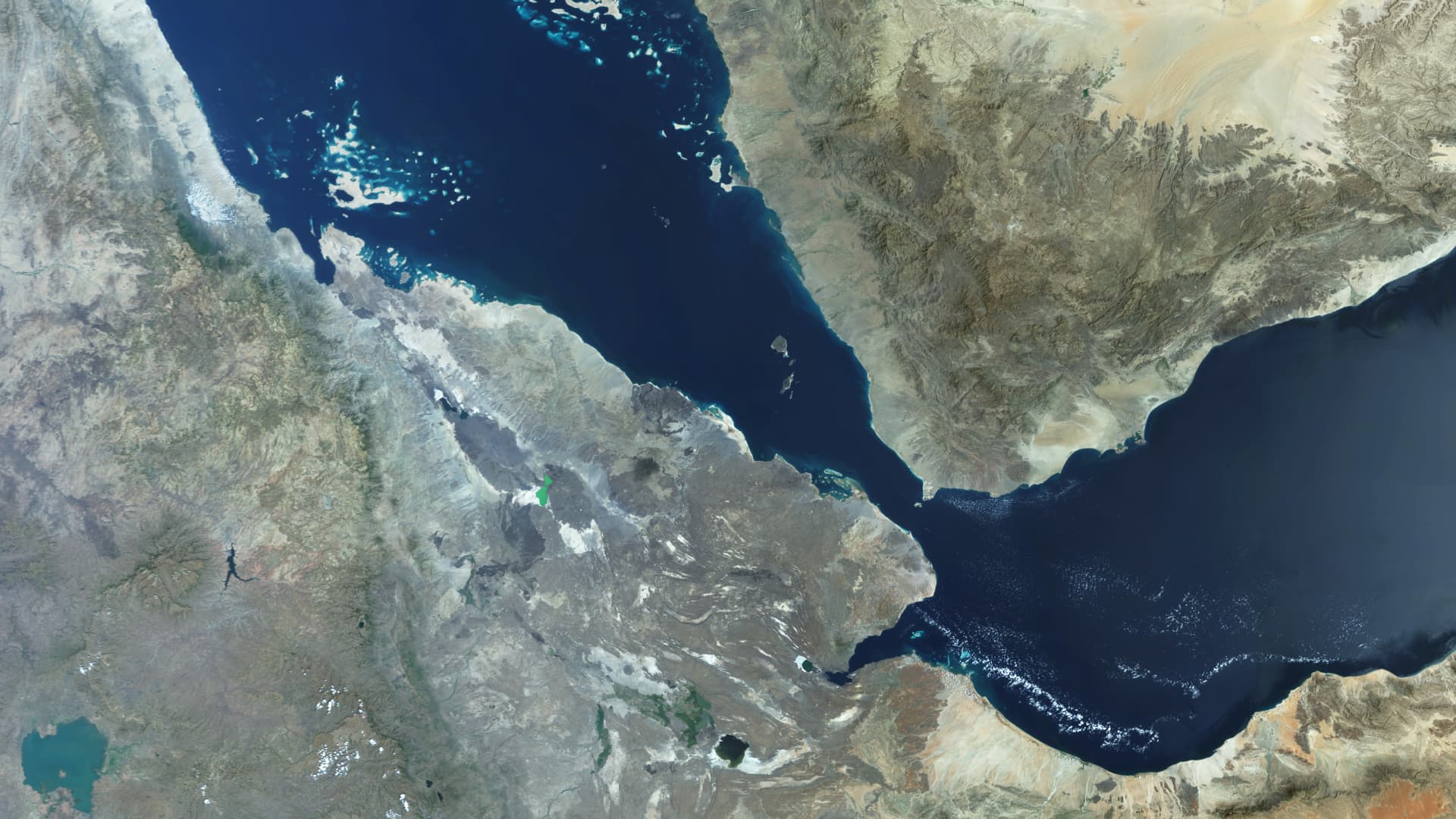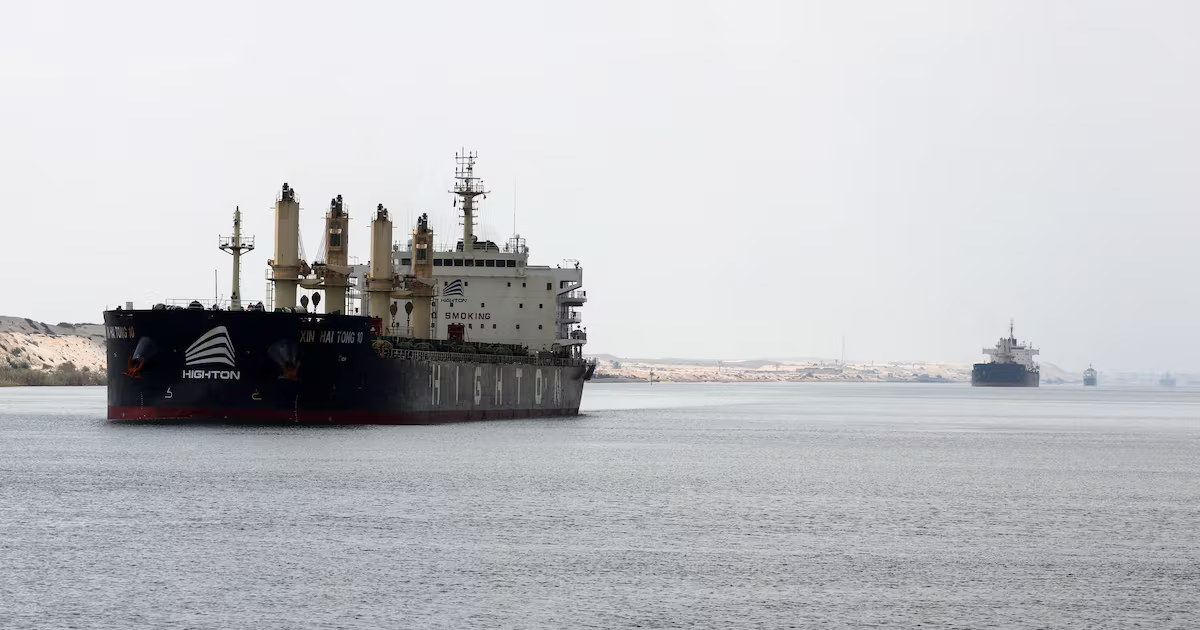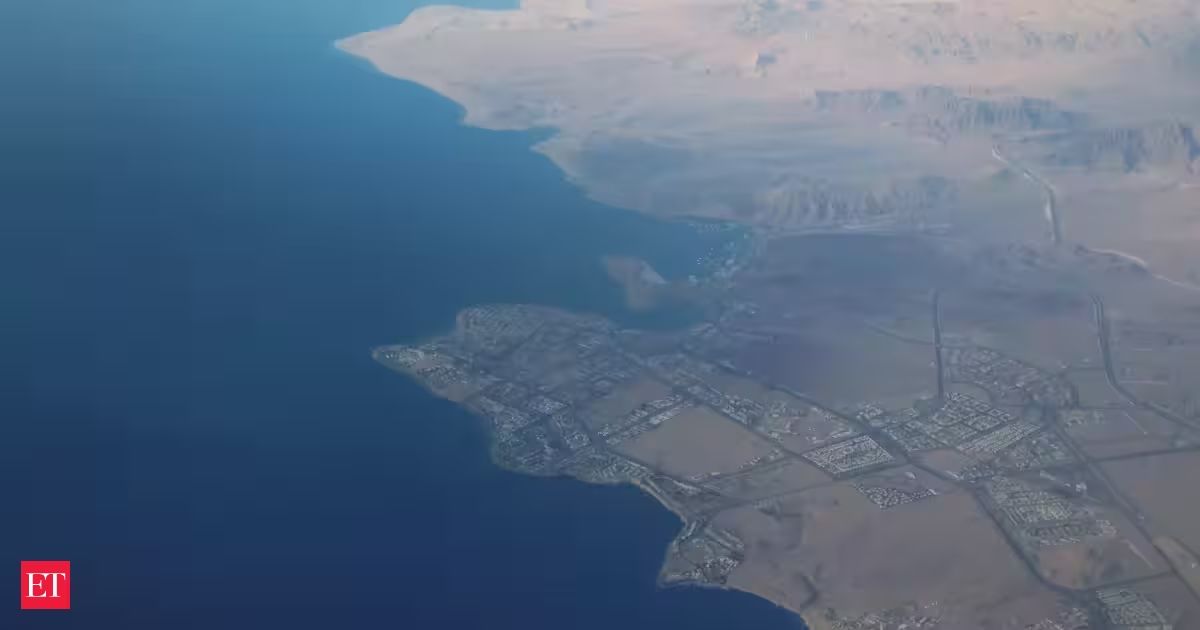
New Delhi: India's challenges arising from West Asian choke points have intensified with the closure of the Bab al-Mandeb Strait, which connects the Red Sea to the Indian Ocean, further complicating the situation amid ongoing disruptions in the Strait of Hormuz due to the ongoing Iran-US war.This week, three Saudi oil tankers carrying crude for India and China made a U-turn in the Red Sea amid the ongoing crisis. The oil tankers - the Xin Long Yang, the Rodos and the Amazon - made a U-turn after the Houthis declared a naval blockade against Saudi Arabia, opening a new front in the US-Israeli war with Iran. The move has raised concerns over global energy supplies.Amid ongoing disruptions in the Strait of Hormuz The Rodos and the Amazon were carrying crude for India, it has been learnt. Non-Saudi oil tankers bound for India via the Bab al-Mandeb Strait have not faced any disruptions yet. However, India has been able to source oil from elsewhere, including the UAE's Fujairah terminal, according to sources.Also Read: India loses Russia oil discount as Red Sea, Hormuz risks upend crude marketsIn the long term, blockades in both the Strait of Hormuz and the Bab al-Mandeb have the potential to hurt India. The Houthis, in an email sent to shipping companies, warned them not to load or discharge cargo at Saudi Arabian ports and said such activity may result in being targeted "in any location." The Houthis control northern Yemen, including the coast of the Bab al-Mandeb, the strait at the mouth of the Red Sea.After the blockade of the Strait of Hormuz, Saudi Arabia's Red Sea port of Yanbu has become the main alternative route for West Asian oil, enabling exports of millions of barrels a day. Reports of the planting of mines have further complicated the passage of commercial vessels through parts of Hormuz.Also Read: Houthis claim attacks on Saudi tankers in Red Sea, raising risk of new chokepoint in Iran war
India's oil routes under pressure as second West Asia chokepoint shuts
India faces intensified energy supply challenges due to choke point closures. Three Saudi oil tankers rerouted in the Red Sea amid Houthi blockade. Non-Saudi tankers bound for India via Bab al-Mandeb have not faced disruptions. India sources oil from alternative locations like Fujairah terminal. Long-term blockades in Hormuz and Bab al-Mandeb could significantly hurt India.
327 words~1 min read