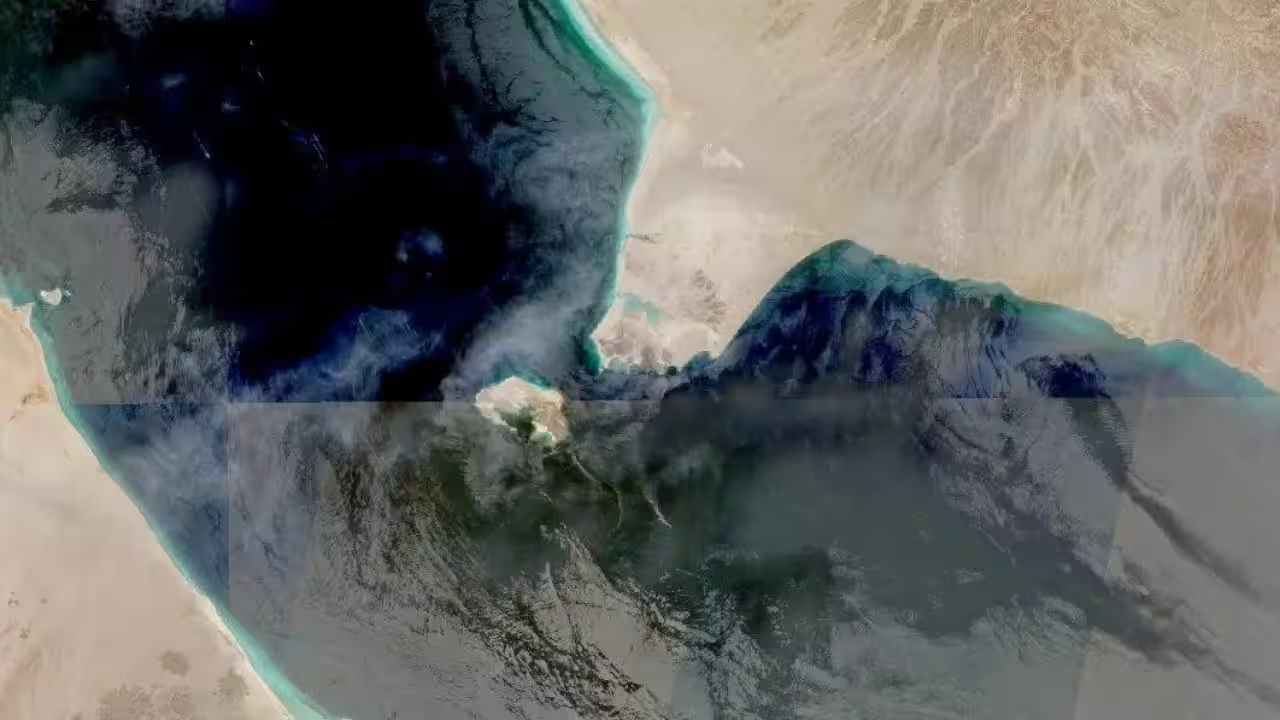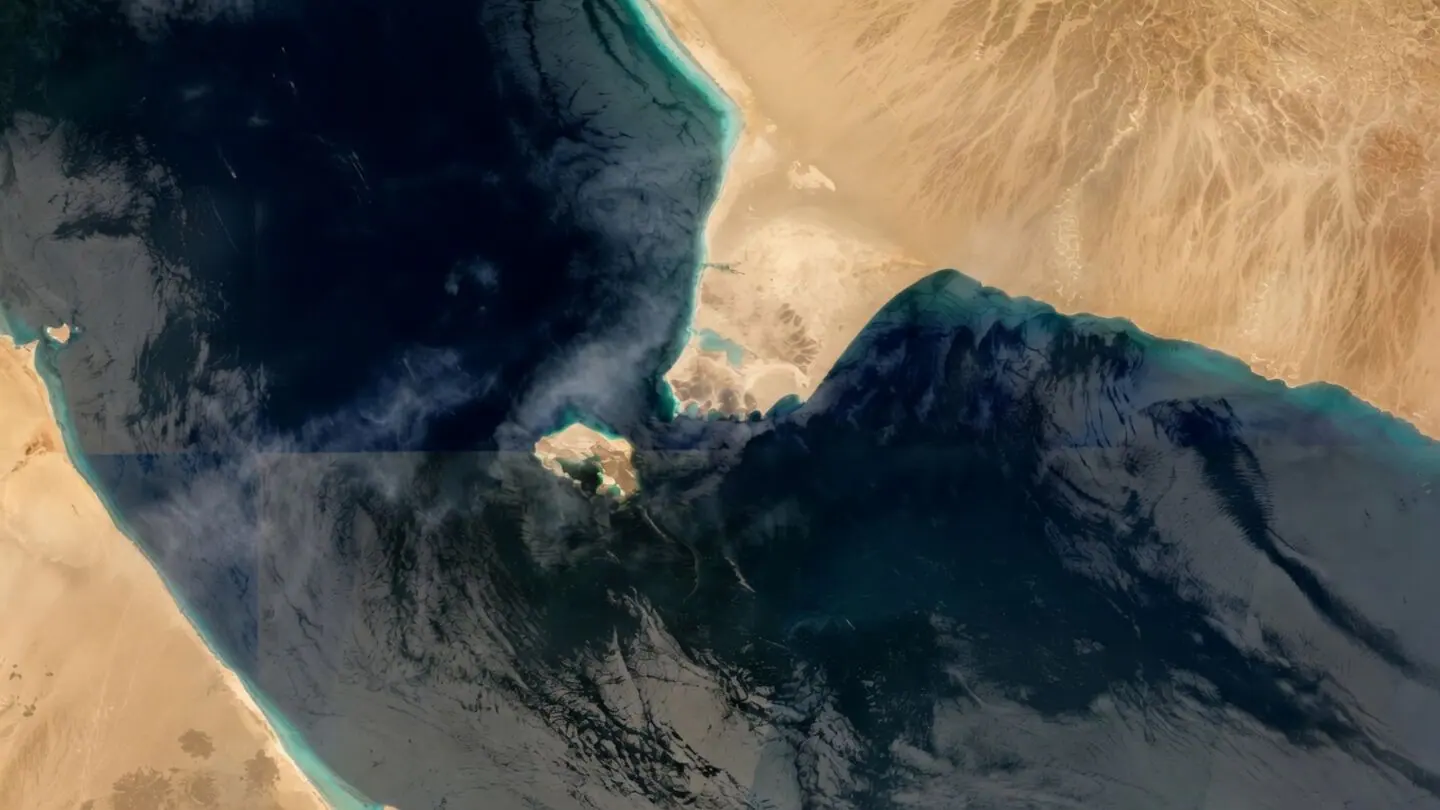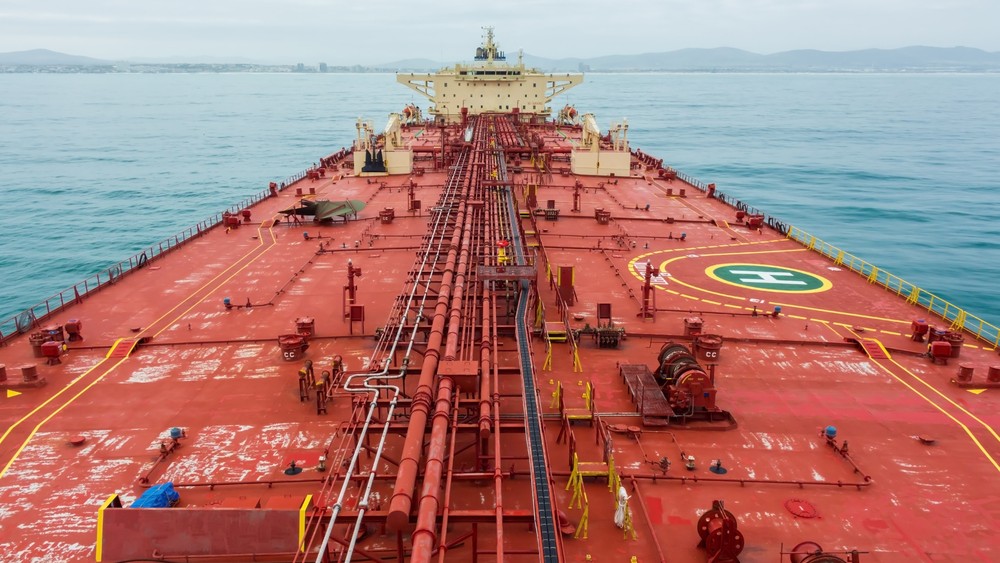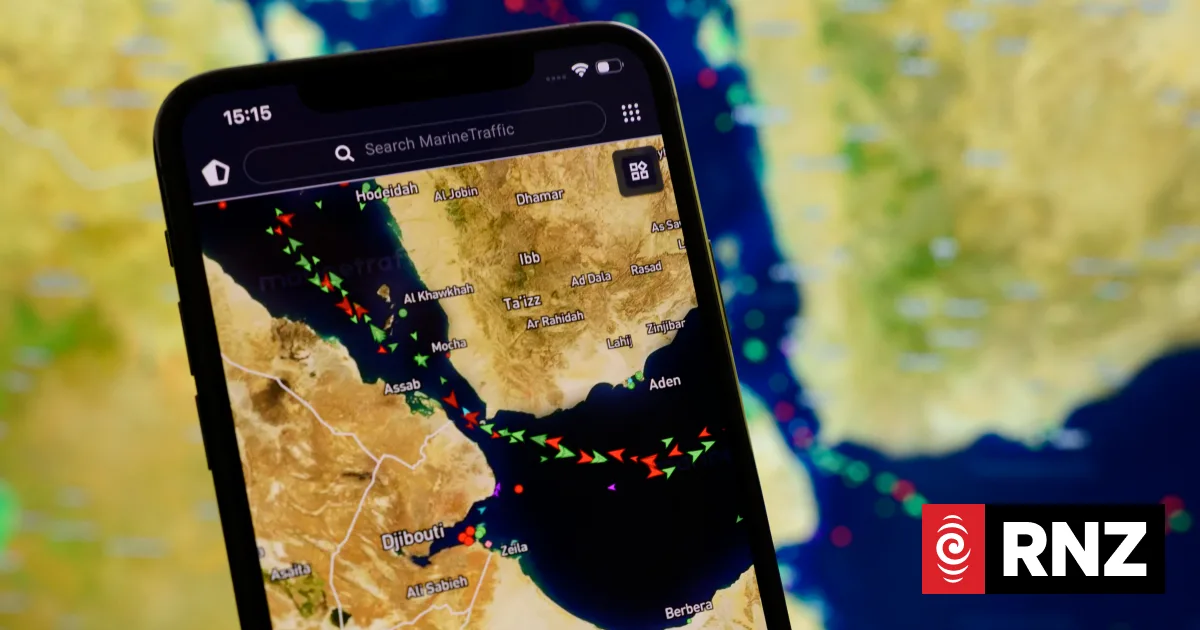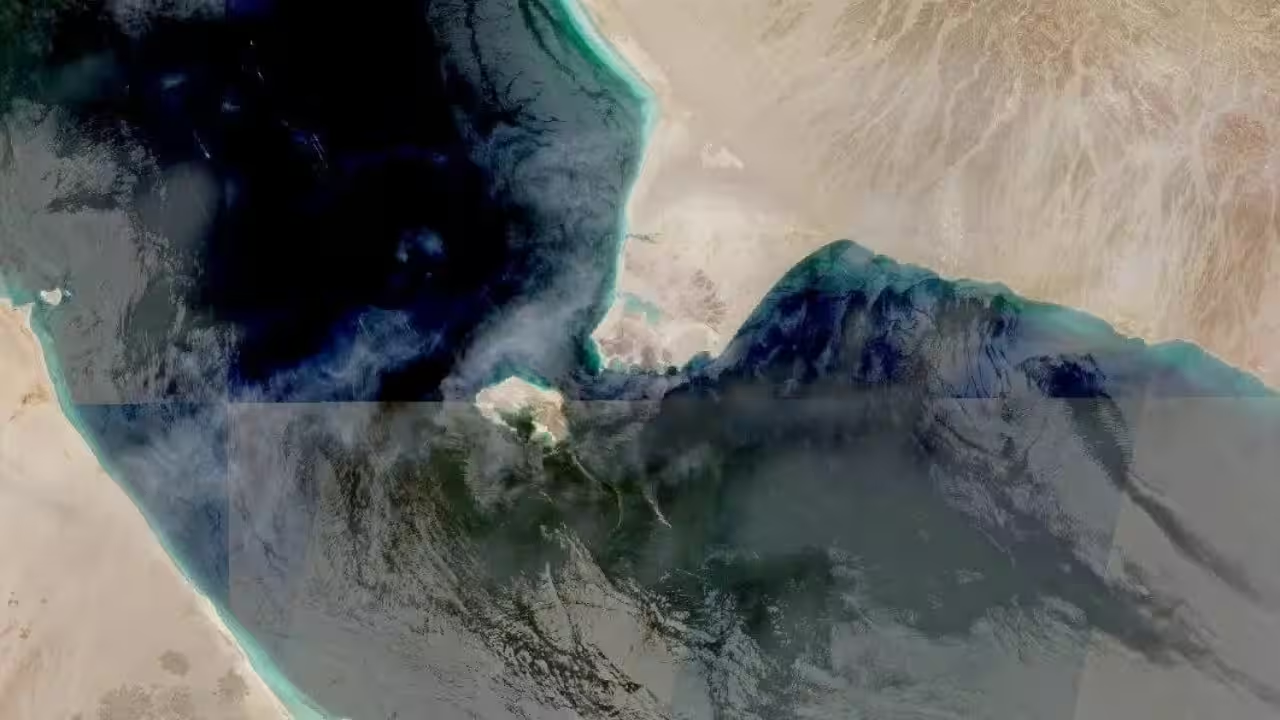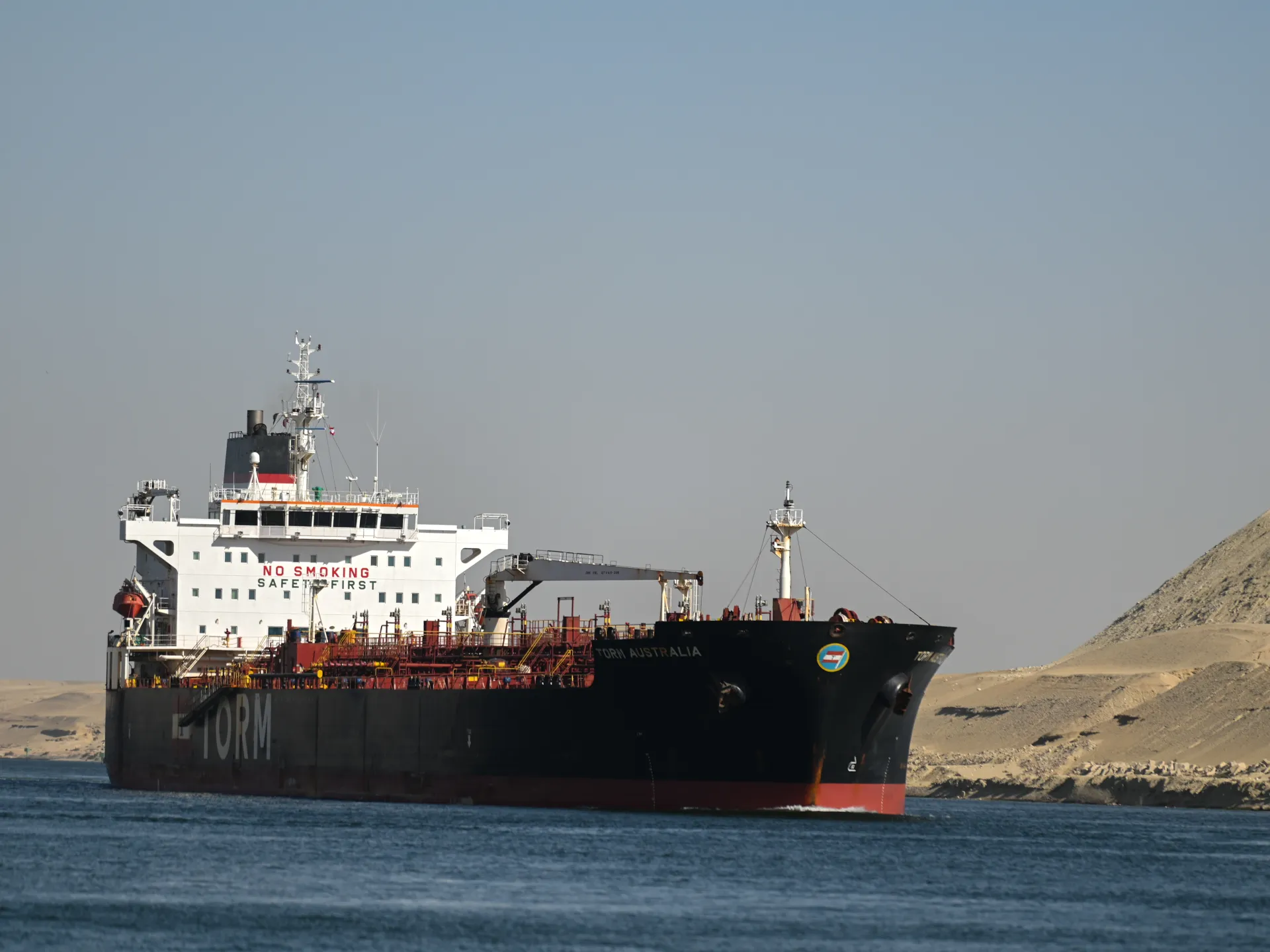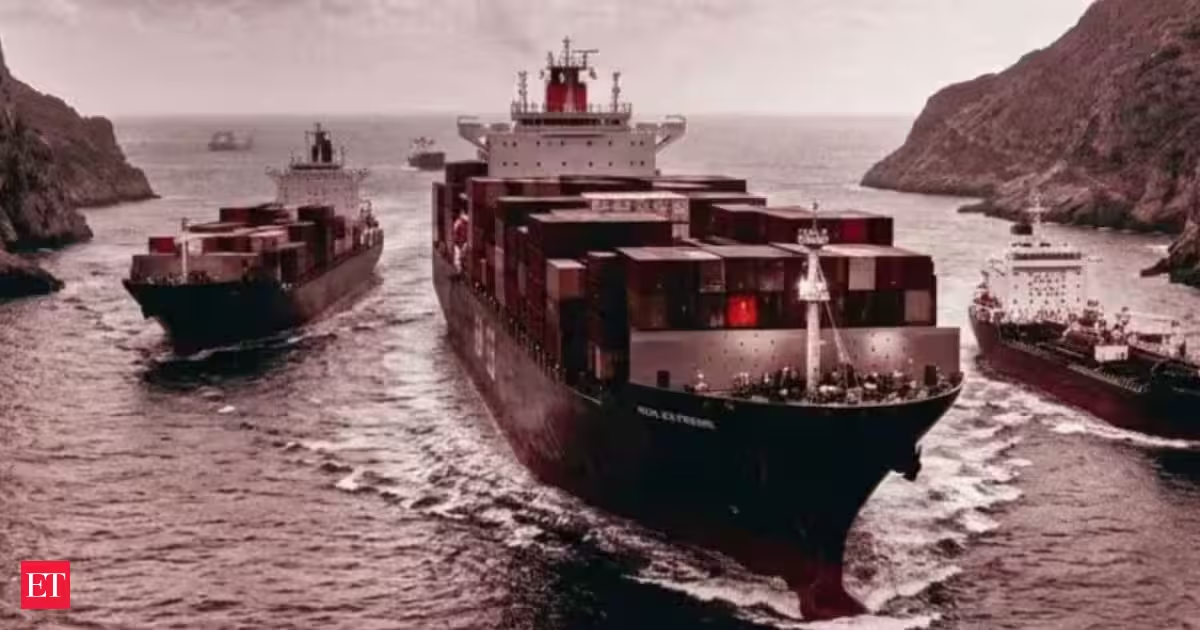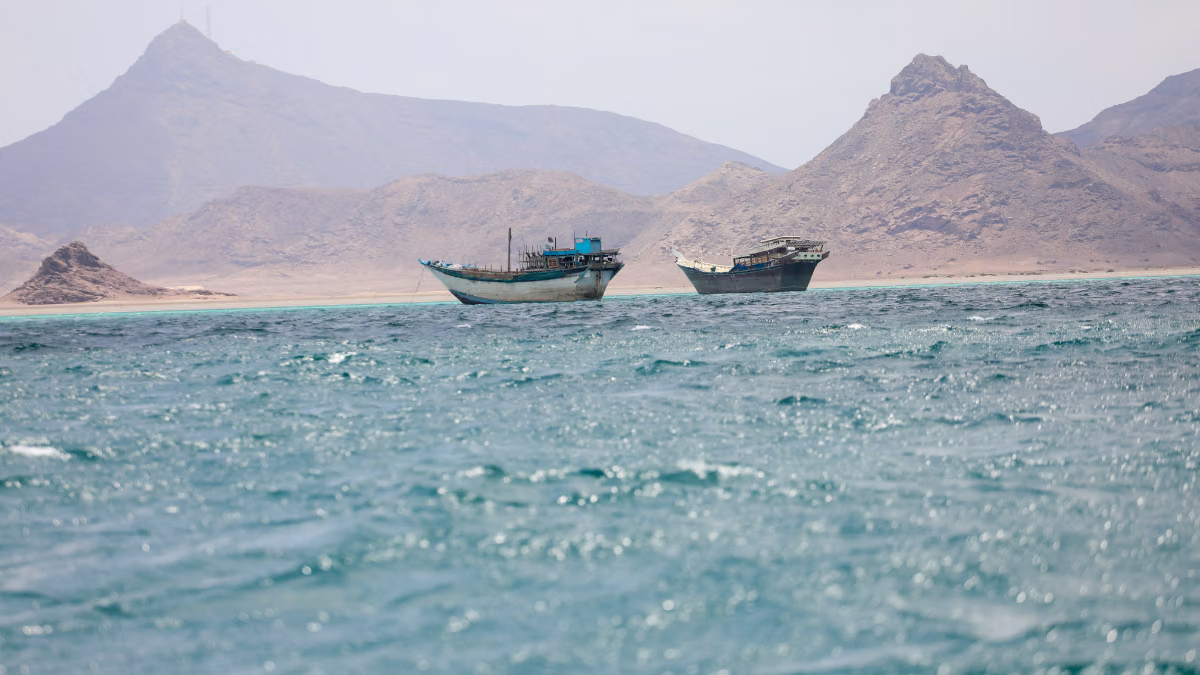
New Delhi: Two Saudi crude tankers headed to India and China have turned back in the Red Sea after Yemen’s Iran-aligned Houthis threatened to block Saudi-linked shipping through the Bab el-Mandeb Strait, which connects the Red Sea to the Arabian Sea through the Gulf of Aden.
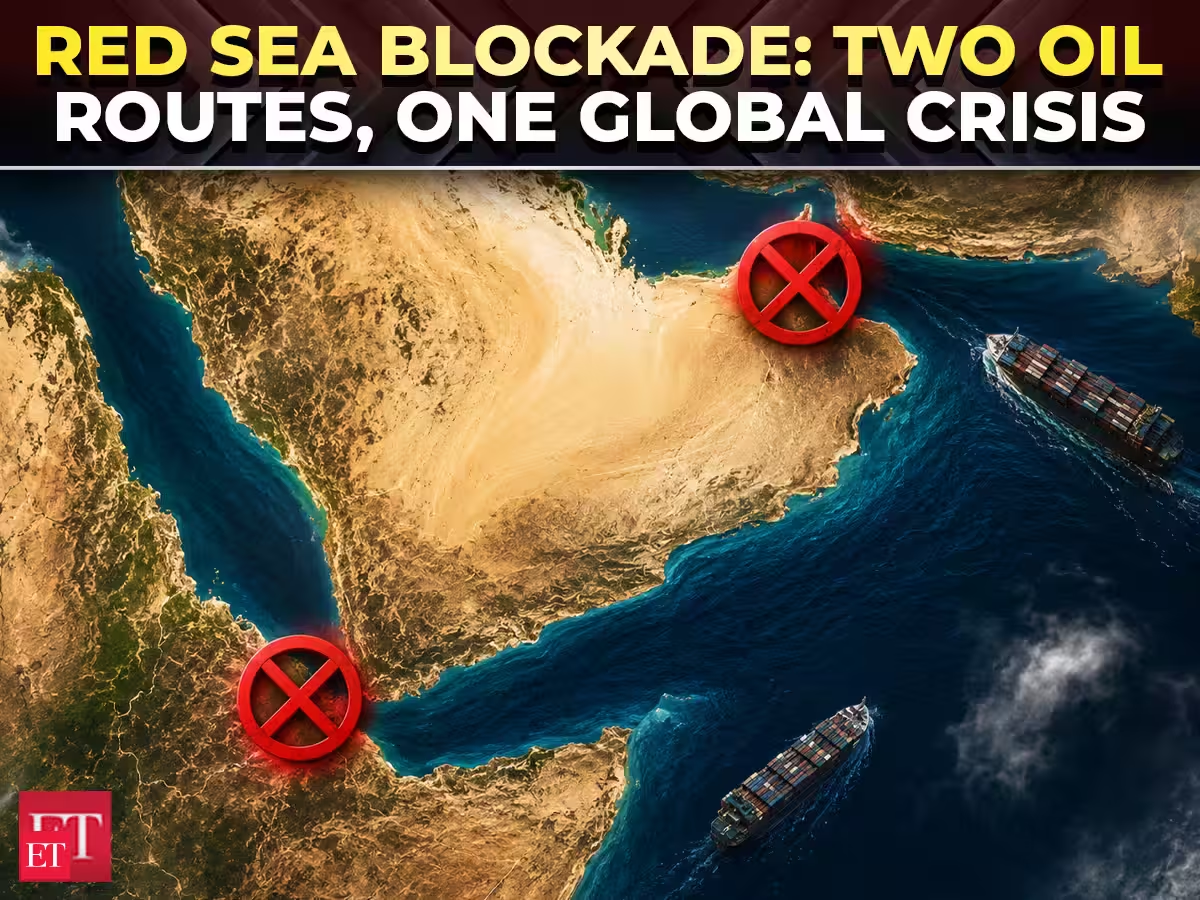
The diversions have renewed concerns over another major global oil chokepoint after the Strait of Hormuz, with analysts warning that any disruption at Bab el-Mandeb could delay crude supplies to Asia, raise freight and insurance costs, and tighten the availability of crude cargoes.Yemen’s Houthi rebels on Monday threatened a ban on Saudi-linked shipping through the Bab el-Mandeb Strait, the narrow waterway linking the Red Sea with the Gulf of Aden. Although there has been no complete closure, vessel operators have already begun altering routes, highlighting the growing importance of the corridor for global oil trade.
According to a Reuters report, the Houthis have completed preparations to attack shipping by deploying missiles and drones near Bab el-Mandeb strait, the gateway to the Red Sea, in Yemen’s highlands overlooking Hodeidah and the Gulf of Aden and was awaiting the order to begin.According to Kpler, around 6-7 million barrels per day (mbpd) of crude currently transits Bab el-Mandeb. Roughly half of these volumes are Saudi crude loaded from Yanbu on the Red Sea coast, while most of the remainder comprises Russian cargoes bound for India, with other smaller shipments heading to China.“The Red Sea has emerged as a strategic chokepoint on par with the Strait of Hormuz for Asian refiners,” Sumit Ritolia, the Manager for Oil Markets and Refineries at Kpler, a global trade data analytics firm, told ThePrint.He added, “Any escalation would directly threaten refinery runs, crude availability, freight costs and regional product supply.”Saudi Arabia has increasingly relied on its East-West pipeline to move crude from its eastern oilfields to Yanbu, allowing exports to bypass the Strait of Hormuz. Yanbu exports reached 4.14 mbpd in June, effectively rerouting around 64 percent of the volumes that were traditionally shipped from Ras Tanura, a major oil terminal for Saudi Arabia on its eastern coast. Oil shipped directly from Ras Tanura by sea to destinations outside the Persian Gulf must pass through the Strait of Hormuz.Saudi Arabia’s strategy to move crude from the eastern to west coast has made the Red Sea route critical for Saudi exports to Asia.