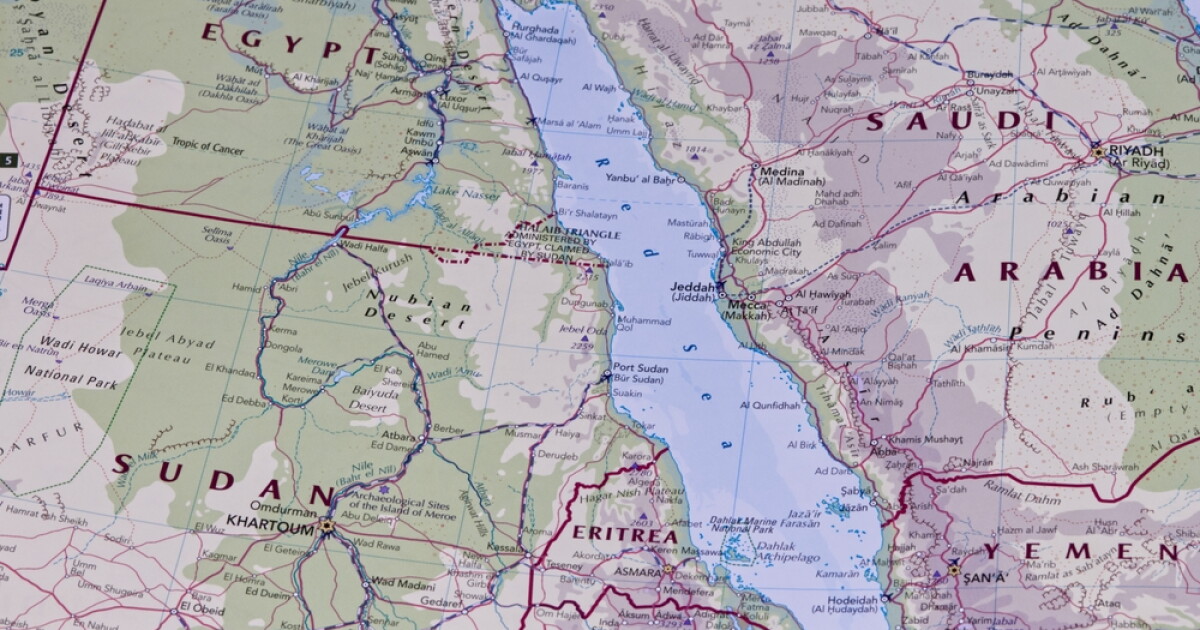
Shipping disruptions are beginning to emerge across Middle East's two most critical oil transit routes: Strait of Hormuz and the Red Sea, as the ongoing US-Iran conflict fuels fresh security concerns and prompts some vessels to alter or pause their voyages.The developments have heightened worries in global energy markets, not because oil flows have stopped, but because ships are increasingly responding to perceived risks around two waterways that are central to the movement of crude and petroleum products, according to data complied by Kpler and first reported by Bloomberg.Also read: Indian refiners halt Iraq oil loadings on rising Hormuz riskAs a result, brent crude futures have risen by more than 25% this month amid fears that escalating tensions could disrupt supplies.According to Bloomberg's report, only three commodity vessels were observed transiting the Strait of Hormuz on Tuesday—the lowest daily count since early May. Early Wednesday, the strategic waterway linking the Persian Gulf to global markets had no observable vessel traffic, according to the report.At the same time, signs of caution have surfaced in the Red Sea after Yemen's Iran-backed Houthi rebels threatened to impose a full blockade on ships calling at Saudi Arabian ports.An alert issued late Tuesday by the Joint Maritime Information Center (JMIC), cautioned that the Houthis had completed preparations to target shipping, including deploying missiles and drones near the Bab el-Mandeb Strait at the southern entrance to the Red Sea. The maritime security body said the assessment was based on unidentified sources.Ships reroute, idle as risks mountVessel-tracking data cited by Bloomberg shows several ships changing course or slowing their journeys in response to the deteriorating security environment.Liquefied petroleum gas tanker Gas King, after loading cargo at Saudi Arabia's Yanbu port, initially sailed south before making a U-turn and heading back towards the Suez Canal. A move such as this is unusual for Asia-bound ships because it lengthens the voyage, requires a trip around Africa and adds Suez Canal transit costs.Another vessel, the supertanker New Explorer, carrying Saudi crude for Singapore, appeared to be idling in the Red Sea after loading at Yanbu. Its status was listed as "not under command", although it was unclear whether that was linked to the security situation.An Aframax tanker, Lahore, also halted after taking on a Saudi cargo, according to the report.Earlier in the week, several oil tankers were seen pausing or reversing course after some shipowners received emails from the Houthi group warning vessels against calling at Saudi ports. At least one tanker, Xin Long Yang, later resumed its original route towards the Bab el-Mandeb Strait.Also read: Indian refiners come to the rescue of Russia’s oil exportersSaudi exports continue despite concernsDespite the heightened risks, Saudi Arabia's oil export operations from the Red Sea have not come to a standstill.Tankers continued loading at Yanbu on Wednesday, with several vessels indicating they remained berthed at the port. Some Asian buyers were also continuing to send ships into the Red Sea to lift their contracted Saudi crude cargoes.Yanbu has become increasingly important because it receives crude from fields in eastern Saudi Arabia through the kingdom's East-West pipeline, allowing exports to bypass the Strait of Hormuz.Saudi Arabia exported a record 5.9 million barrels of crude a day from its two Red Sea terminals at Yanbu during the week ending July 17, shortly before the latest Houthi threats emerged.While cargoes are still moving, the report suggests shipping companies are becoming more cautious as security risks spread beyond the Strait of Hormuz to the Red Sea, raising concerns over the resilience of two of the world's most important oil transport corridors.
Oil's new flashpoint? Trouble is brewing at Middle East's two key chokepoints
Shipping disruptions are emerging in key Middle East oil transit routes. Concerns are rising as vessels alter voyages due to security risks. The Strait of Hormuz and Red Sea are experiencing reduced vessel traffic. Houthi rebels have threatened a full blockade on Saudi Arabian ports. Despite risks, Saudi oil exports from the Red Sea continue.
594 words~3 min read