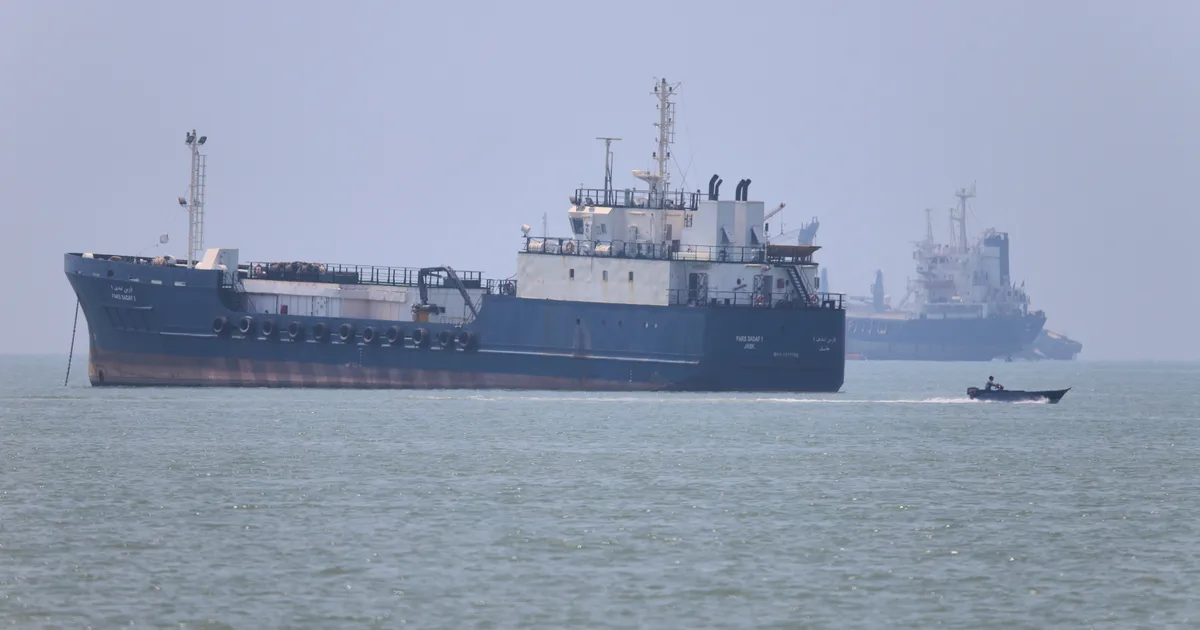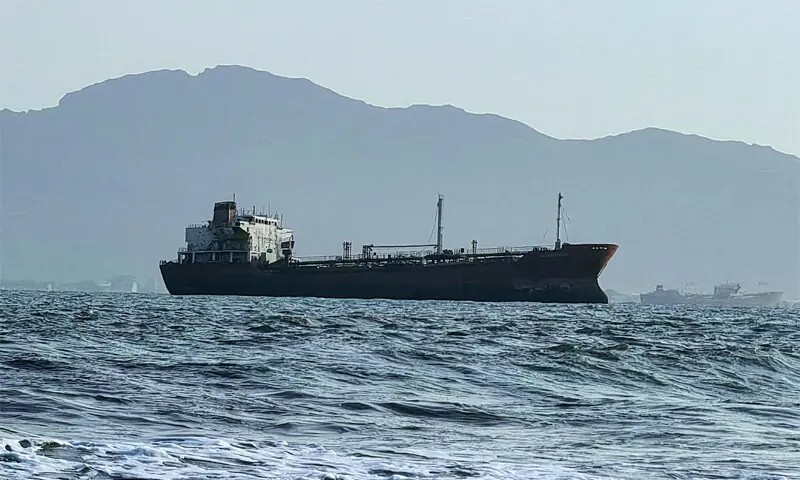
Oil prices rose for a fifth day on July 23 on increasing concerns about supply availability amid attacks on tankers in the Red Sea by Yemen’s Houthis and strikes between the US and Iran that have once again nearly shut the Strait of Hormuz.Brent crude futures rose US$2.42, or 2.6 per cent, to US$96.49 by 6.40am GMT, the highest since June 8, having settled up more than US$3 at US$94.07 in the previous session, just shy of a six-week-high.US West Texas Intermediate crude climbed US$1.59, or 1.8 per cent, to US$88.42, after the rise on July 22 of 3 per cent.Iran’s Revolutionary Guards said an oil tanker caught fire after an explosion while attempting to follow a route they described as mined, in the southern area of the Strait of Hormuz near the coast of Oman, while two others had turned back.In a statement, the Guards said the strait was under their control and “completely closed” while US actions continued in the region, warning that no tanker would be allowed to enter or leave without coordination with Iran.Besides the renewed conflict over control of the key waterway, the Iran-aligned Houthis have opened a new front by targeting vessels carrying Saudi oil in the Bab el-Mandeb strait and trying to impose a naval blockade of Saudi Arabia.Oil prices are facing a rare risk from simultaneous disruptions at both the Bab el-Mandeb and the Strait of Hormuz, said Priyanka Sachdeva, senior market analyst at Phillip Nova.“Geopolitical premiums have returned, but a sustained (price) rally will require evidence of prolonged shipping disruptions or meaningful supply outages.”The Houthis said they had carried out a military operation targeting two Saudi oil tankers, and maritime security reports said one of the vessels identified by the group, the Saudi-flagged tanker Encelia, had been hit in the Red Sea.The Houthis said they had forced about 10 ships to retreat and return after warning vessels against sailing to Saudi ports.Reuters could not immediately verify this account.The Houthis’ naval blockade of Saudi Arabia in the Red Sea threatens to disrupt global energy supplies beyond the Gulf, while Iran’s Revolutionary Guards’ spokesperson also warned shipping companies that the Strait of Hormuz southern route is mined in a post on social media platform X.The new threat to Red Sea passage could interrupt up to 5 million barrels per day of oil supply, and the main route for Gulf oil that bypasses the Strait of Hormuz, said Saul Kavonic, the head of energy research at MST Marquee.The US military said it completed its 12th consecutive night of attacks on Iran hours after US President Donald Trump vowed to destroy an Iranian bridge or power plant every time Iran shoots at a ship in the Strait of Hormuz, raising the stakes in the war with Iran. REUTERS
Oil prices rise for a fifth day on supply concerns amid chokepoint threats
Experts say oil prices are facing a rare risk from simultaneous disruptions at both the Bab el-Mandeb and the Strait of Hormuz. Read more at straitstimes.com. Read more at straitstimes.com.
463 words~2 min read