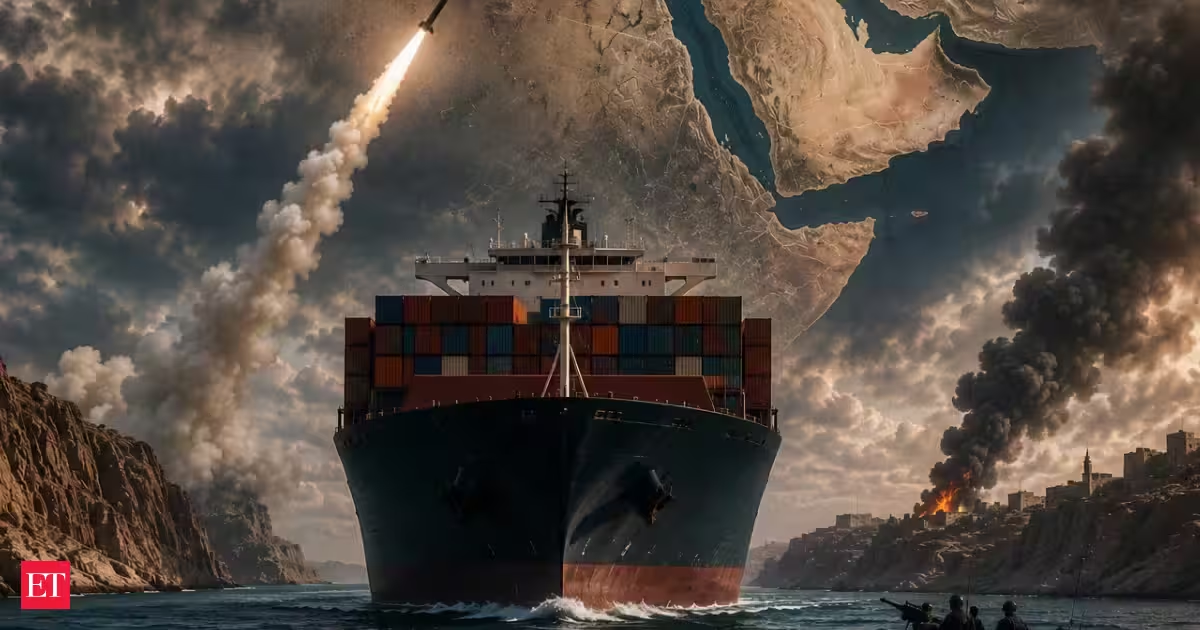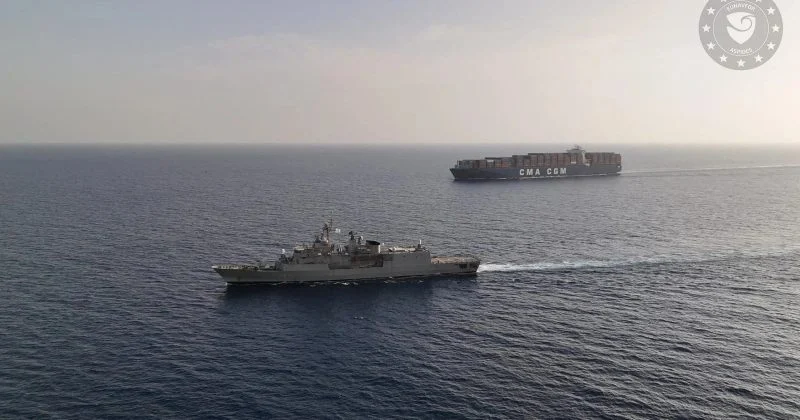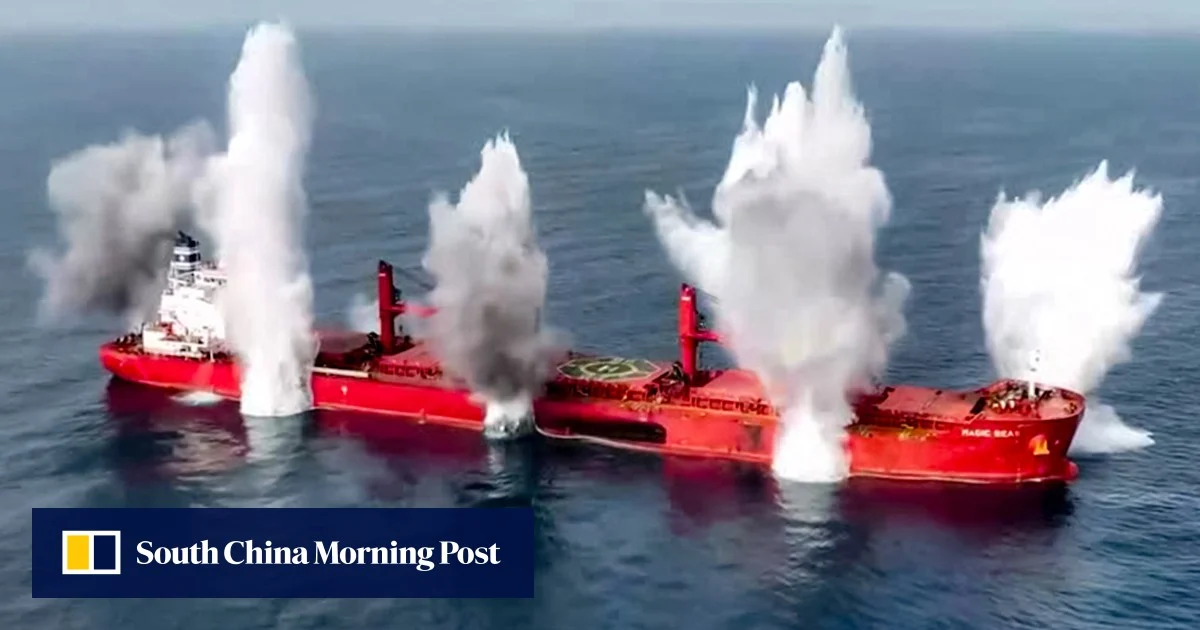
Iran’s escalation of conflict to the Red Sea has raised concerns about potential disruptions in global oil supply lines. The strategic waterway, crucial for Middle Eastern energy exports, is now at the center of heightened tensions amidst the ongoing conflict involving Iran, the United States, and Israel. Historically, disruptions in the Strait of Hormuz have triggered significant oil price spikes, and similar disturbances in the Red Sea could exert further upward pressure on global markets.
Market participants are closely monitoring the situation, as any escalation could impact the flow of oil through two of the world’s most vital maritime chokepoints: the Strait of Hormuz and the Bab el-Mandeb Strait. The potential for simultaneous disruptions in these areas suggests increased risk for global oil transportation and supply stability.
In the prediction markets, the likelihood of Strait of Hormuz traffic returning to normal by the end of August has decreased. Currently, the probability stands at 13.5% for traffic normalization by August 31, reflecting market concerns over ongoing tensions and potential military actions in the region.
Key Takeaways
Market activity suggests a decrease in confidence regarding the normalization of Strait of Hormuz traffic by August 31.