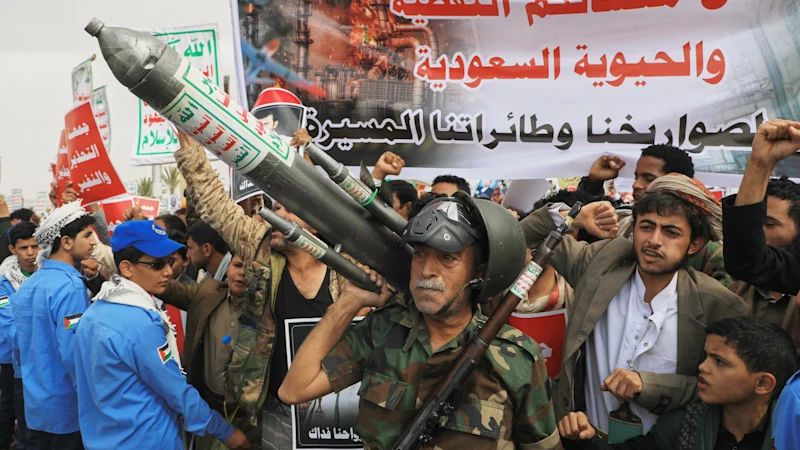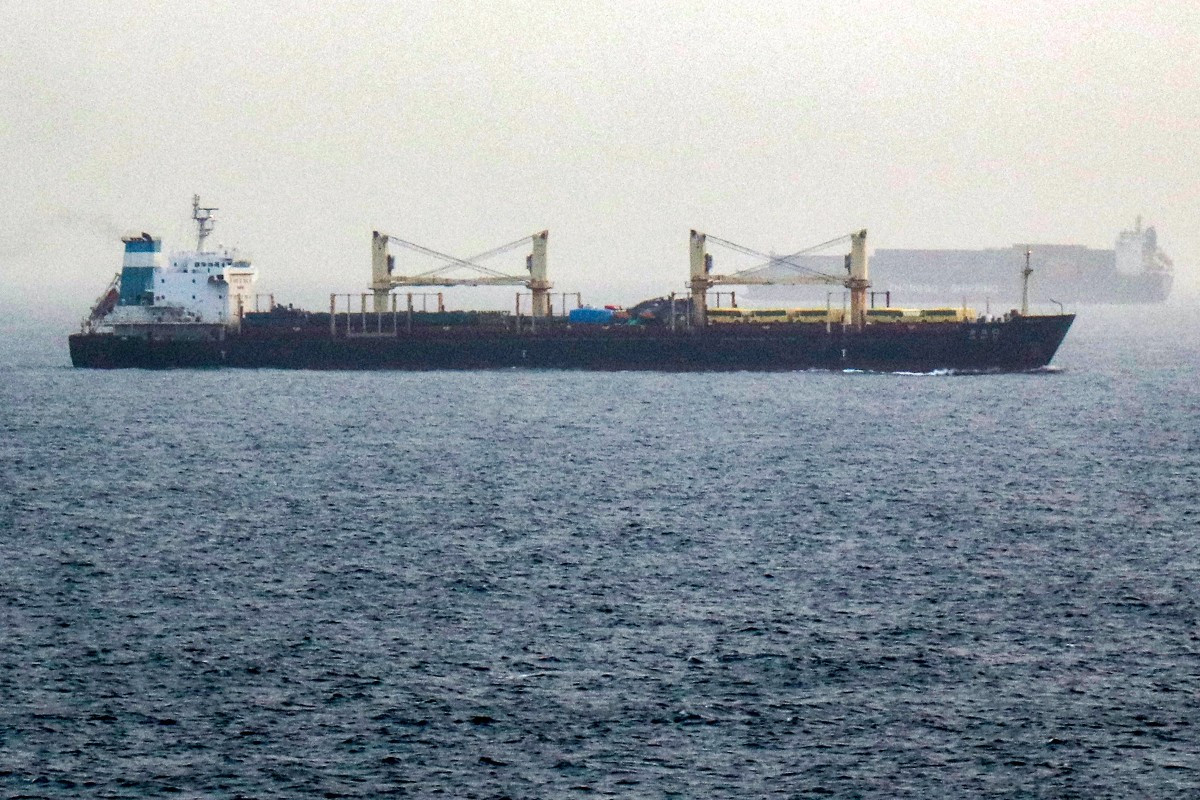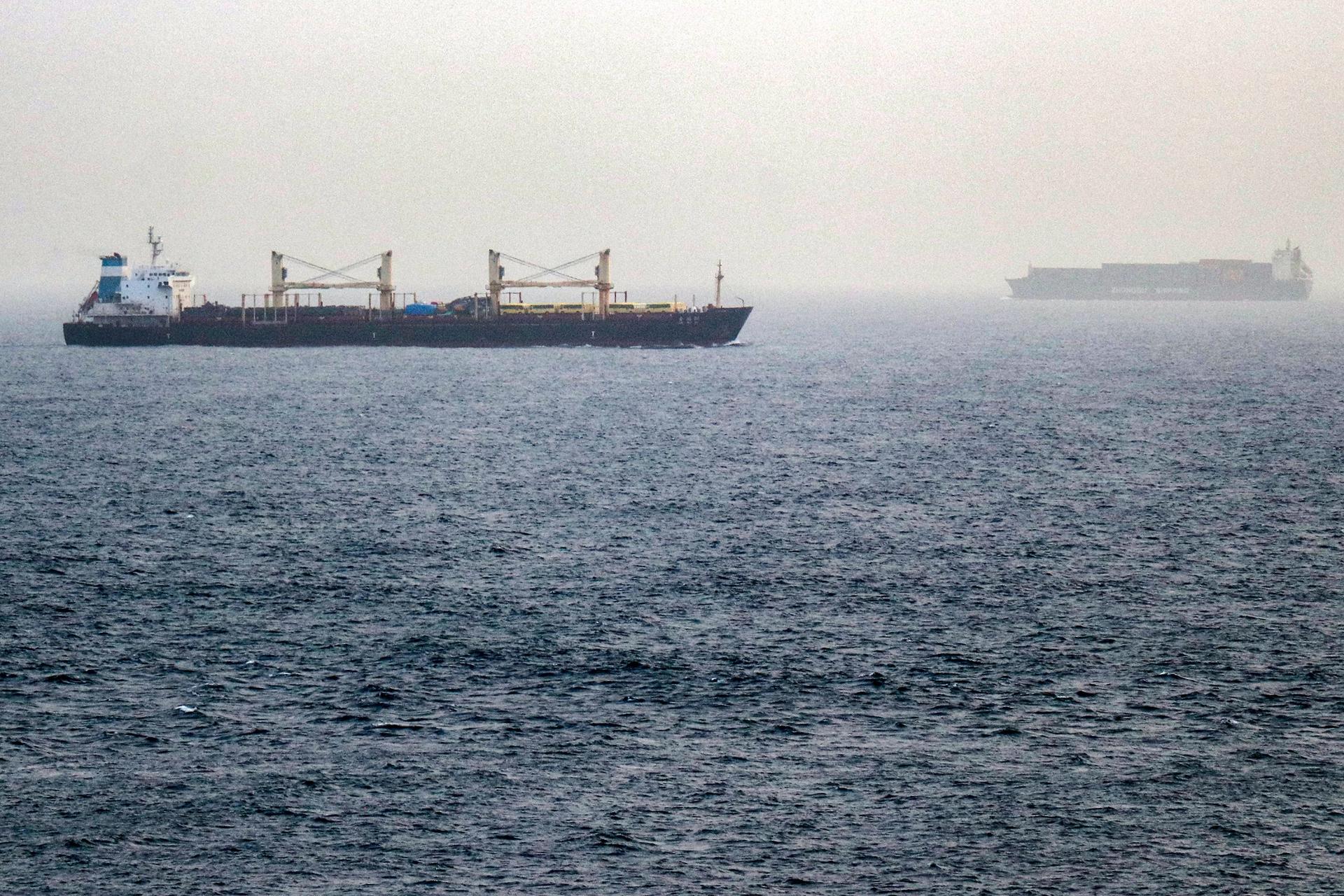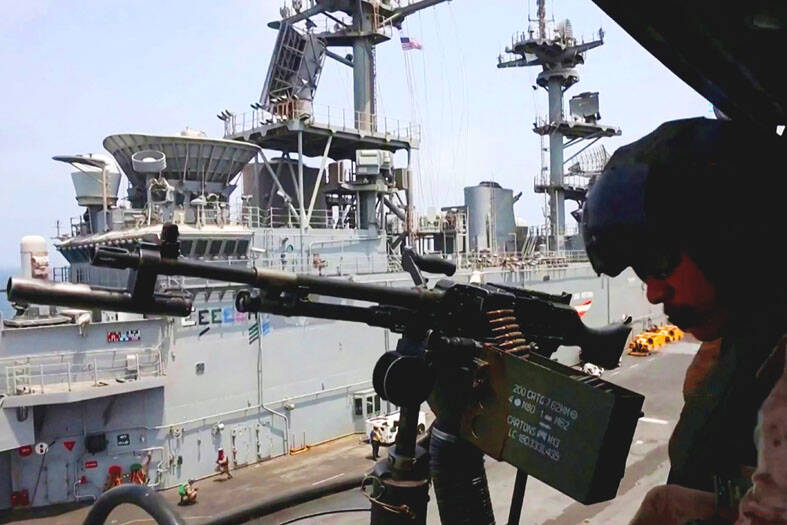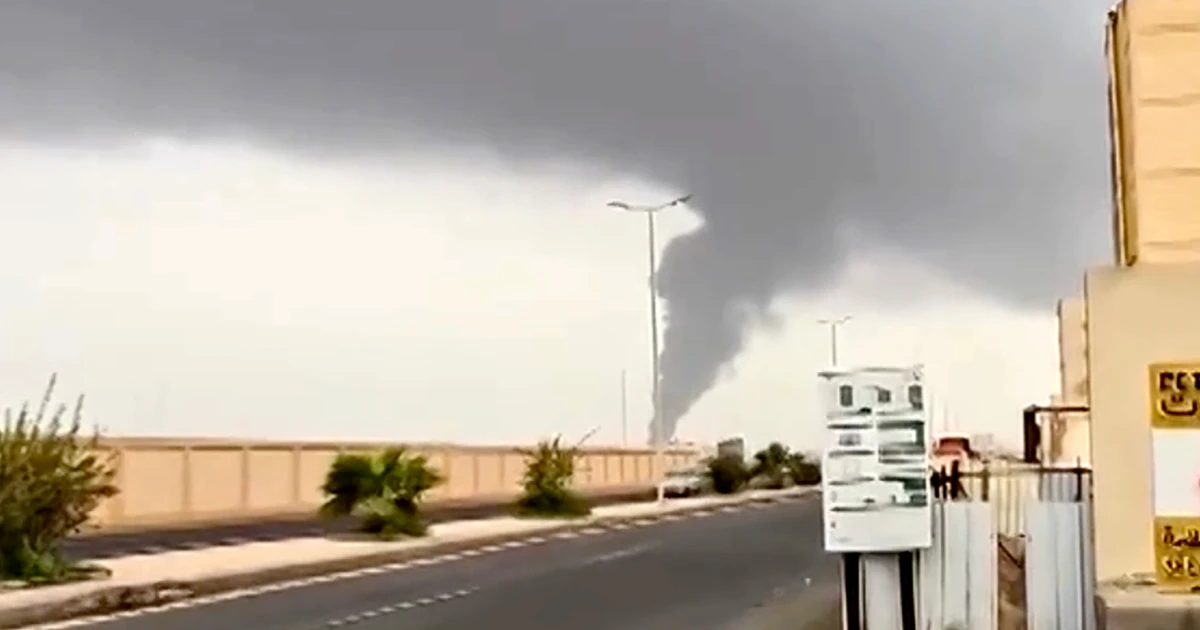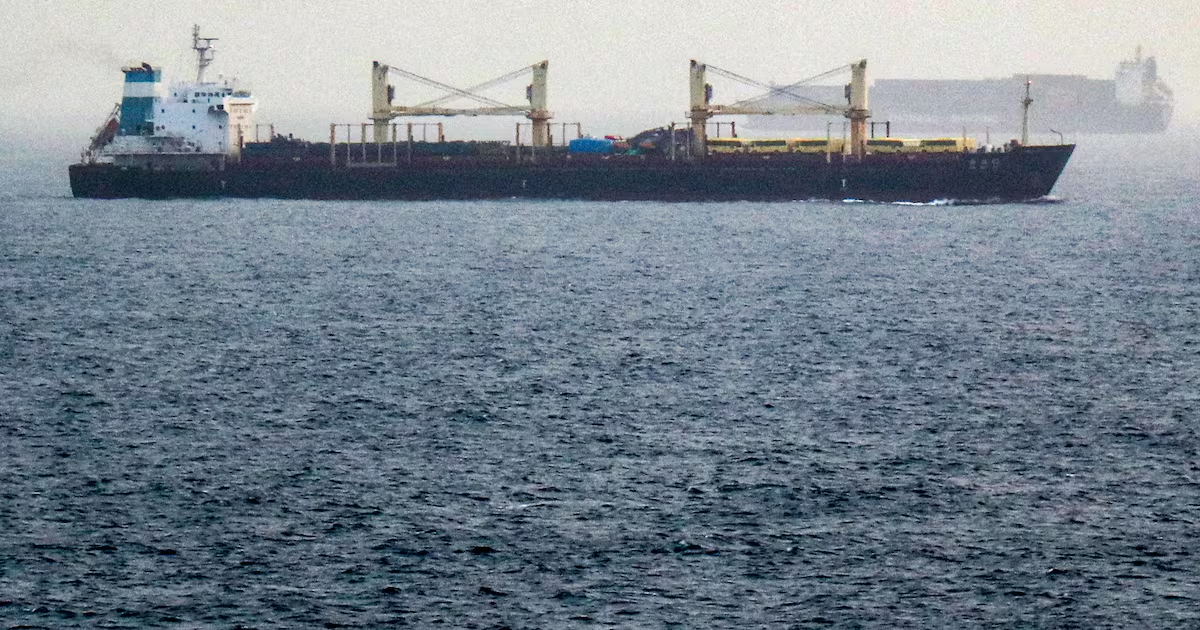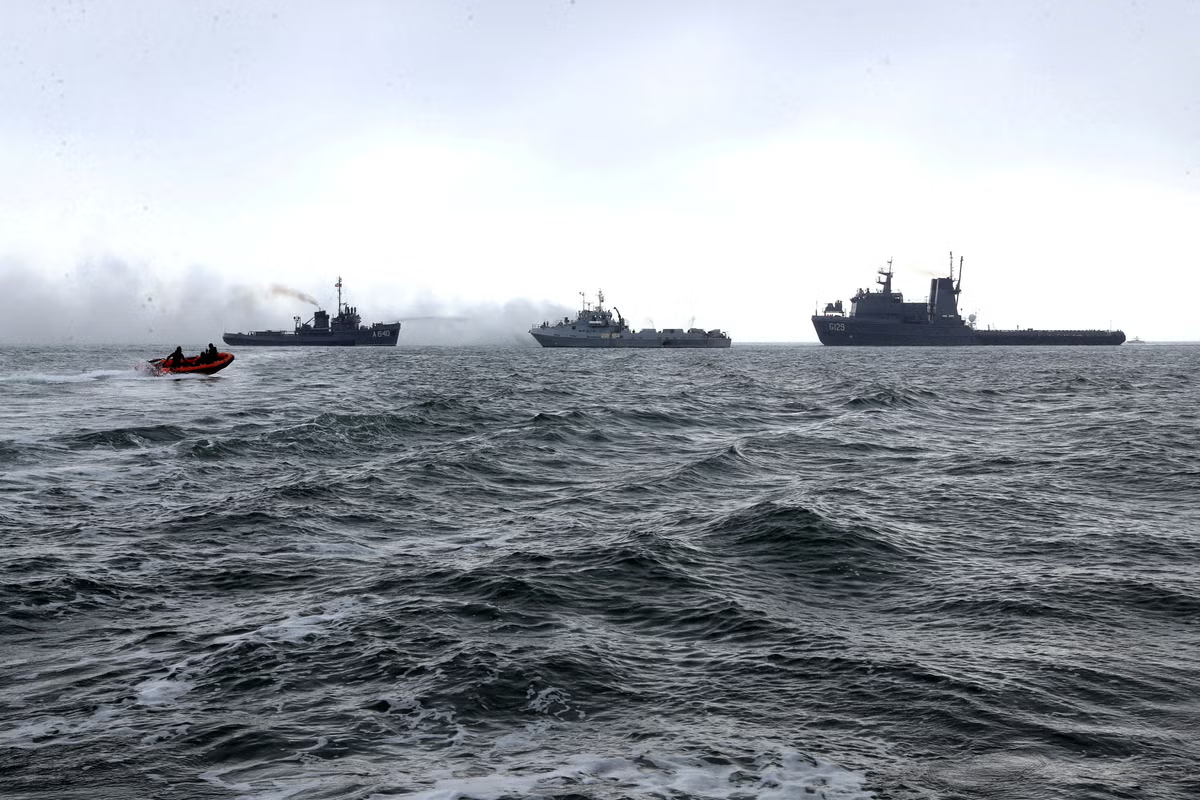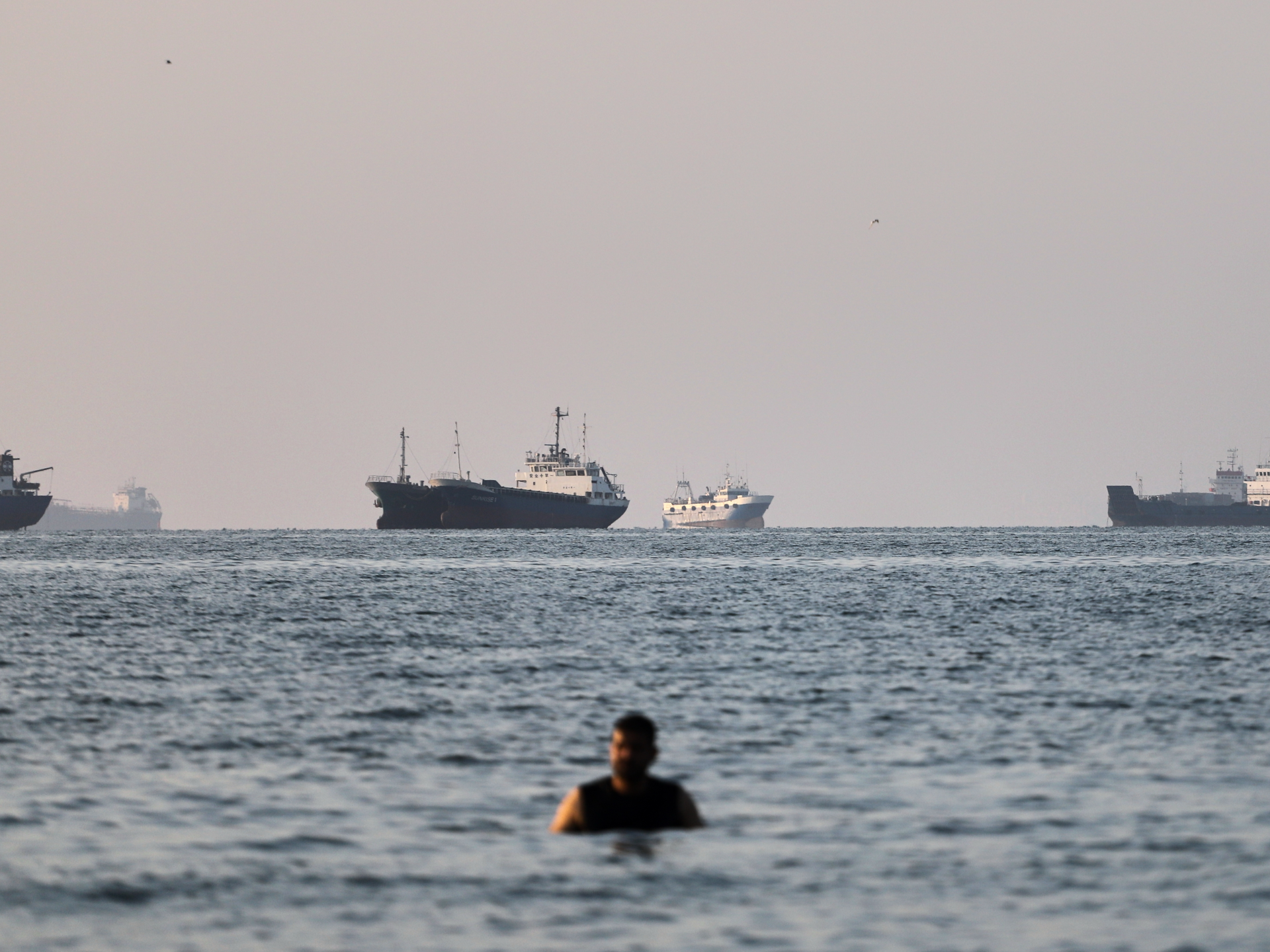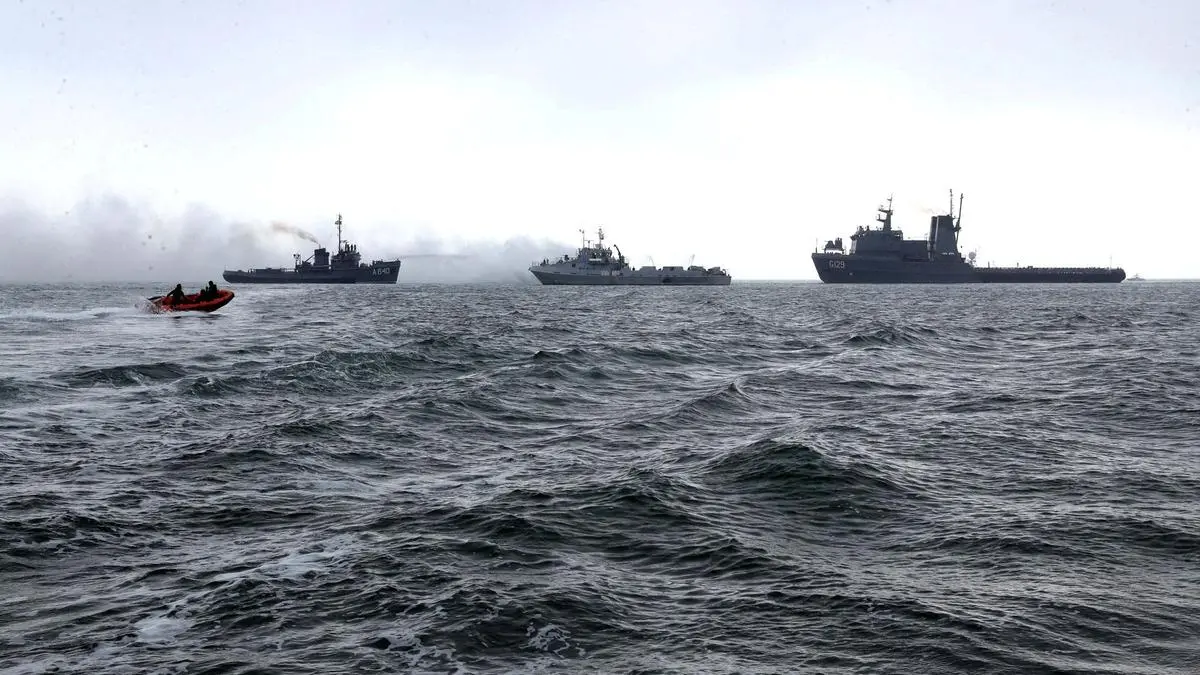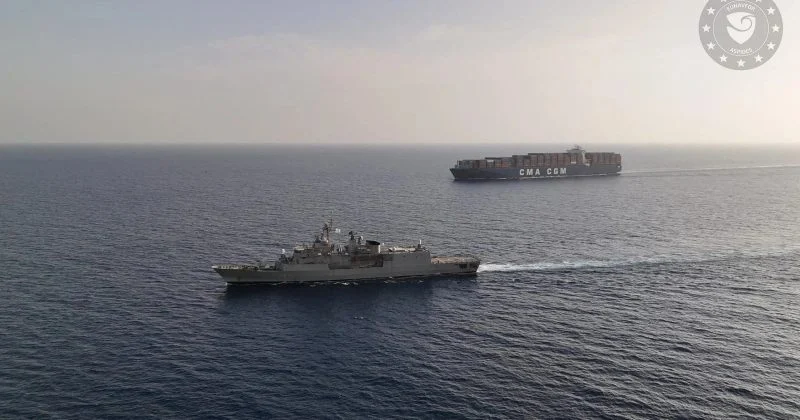
Iran’s ongoing conflict has extended to the Red Sea and Caspian Sea, despite a halt in U.S. military strikes, according to reports from Al-Monitor. The conflict, which began with U.S. and Israeli strikes on Iran in February 2026, has seen Iran retaliating across the region. The Red Sea involvement is linked to Houthi attacks, while the Caspian Sea incidents indicate a new maritime theater in the conflict. The U.S. decision to pause its airstrikes marks a shift from its recent pattern of nightly engagements, raising questions about future developments in the region. The expansion of hostilities to these new areas could further impact maritime trade routes, including the strategic Bab el-Mandeb chokepoint.
Key Takeaways
The spread of conflict to the Red Sea and Caspian Sea suggests ongoing regional tensions, affecting the likelihood of traffic normalization in the Strait of Hormuz.
Market pricing currently indicates a low probability of the Strait of Hormuz returning to normal by the end of August, with a 14.5% YES probability.
The U.S. pause in military strikes represents a shift in engagement strategy, potentially influencing future market expectations.