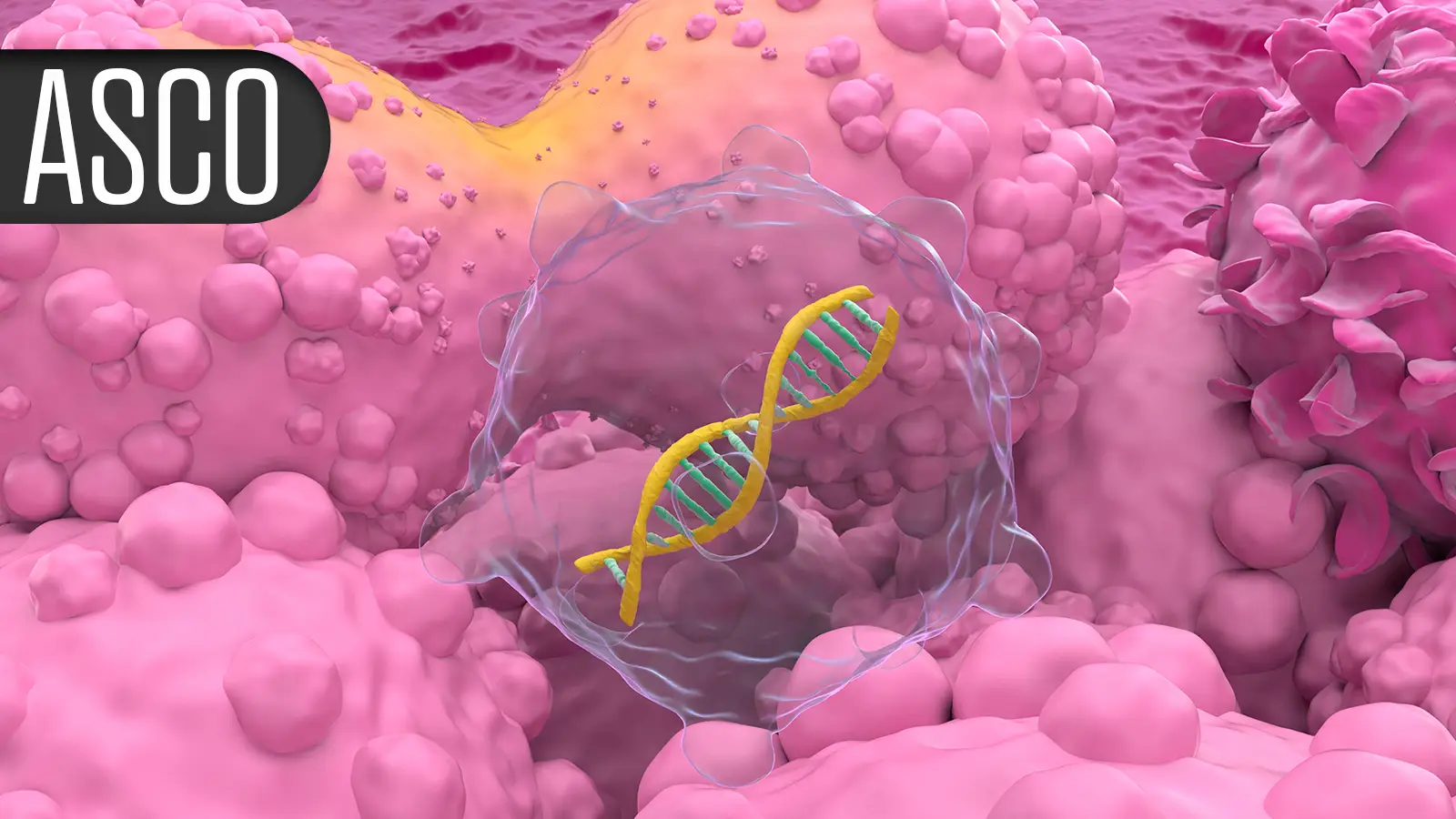
Oral squamous cell carcinoma (OSCC) is the most common form of head and neck cancer, and the number of new cases is predicted to rise by 30% in the next decade.
Despite decades of cancer research, treating OSCC remains a challenge. The five-year survival rate is approximately 50%, and standard treatments such as ablative surgery and radiation often leave patients with permanent disfigurement or profound, lifelong impairment of essential oral functions such as speaking and swallowing.
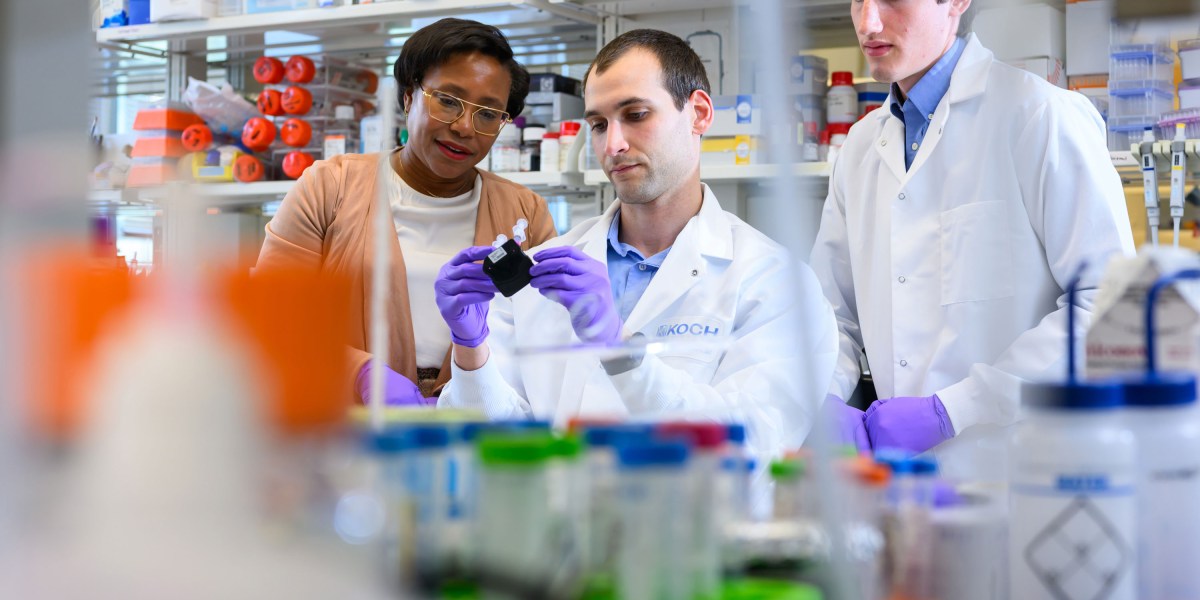
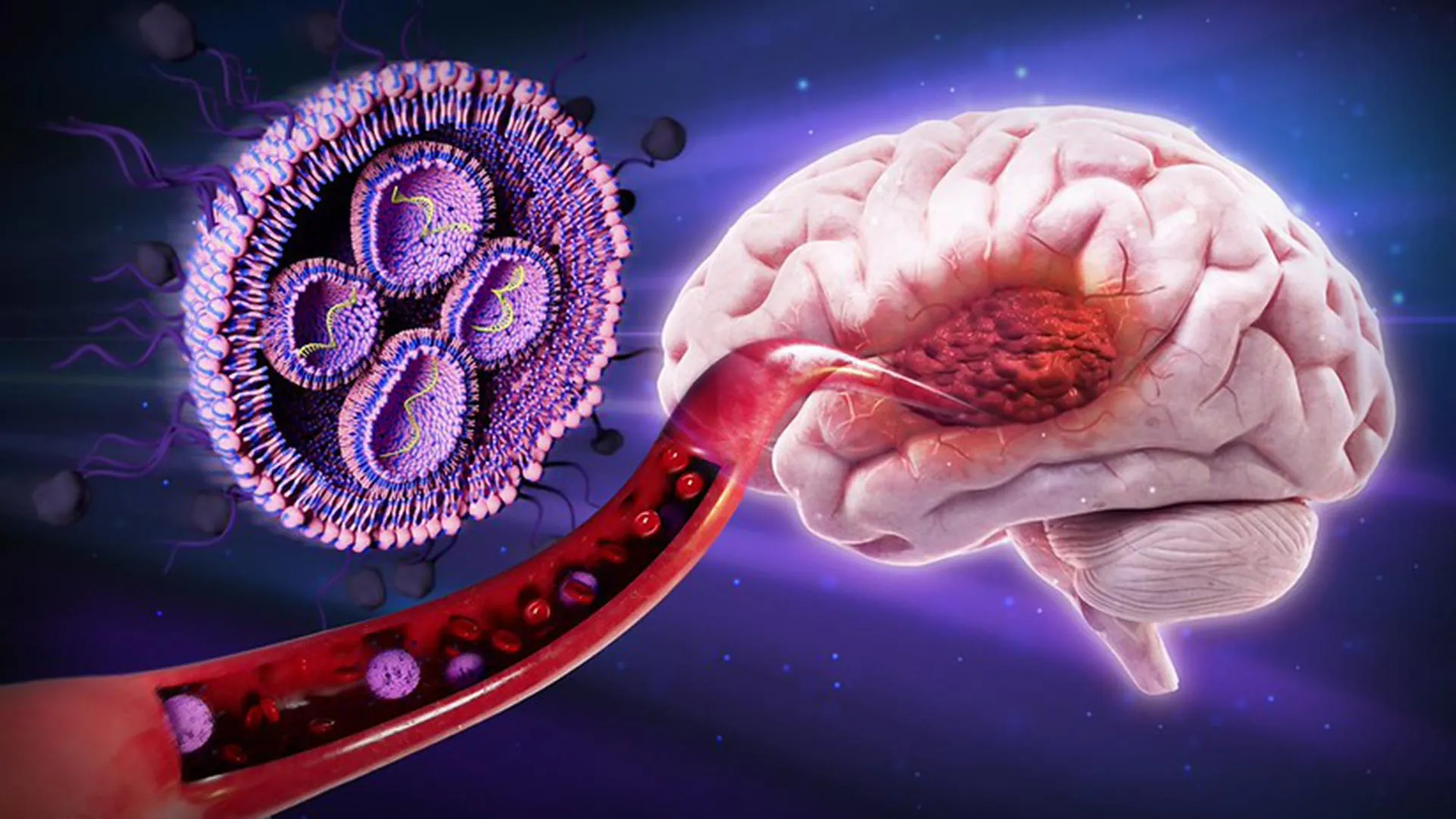
Now, using lipid nanoparticles (LNPs), a multidisciplinary team of Penn researchers led by Michael Mitchell of the School of Engineering and Applied Sciences and Anh D. Le of the School of Dental Medicine has developed a platform that delivers a combination of cancer-fighting therapies to treat OSCC. The findings are published in Advanced Materials.
“mRNA lipid nanoparticles are a potentially promising technology to treat oral cancer, since tumors are accessible locally and can also be leveraged to generate a systemic immune response that targets metastatic tumors,” says Mitchell, the Hibbert Professor of Bioengineering and the Lipid Nanoparticle Delivery Systems Group Leader at the Penn Institute for RNA Innovation. “However, tumor cells can be difficult to target and deliver mRNA into, so we designed a novel LNP delivery system for delivery into oral cancer cells.”