view more
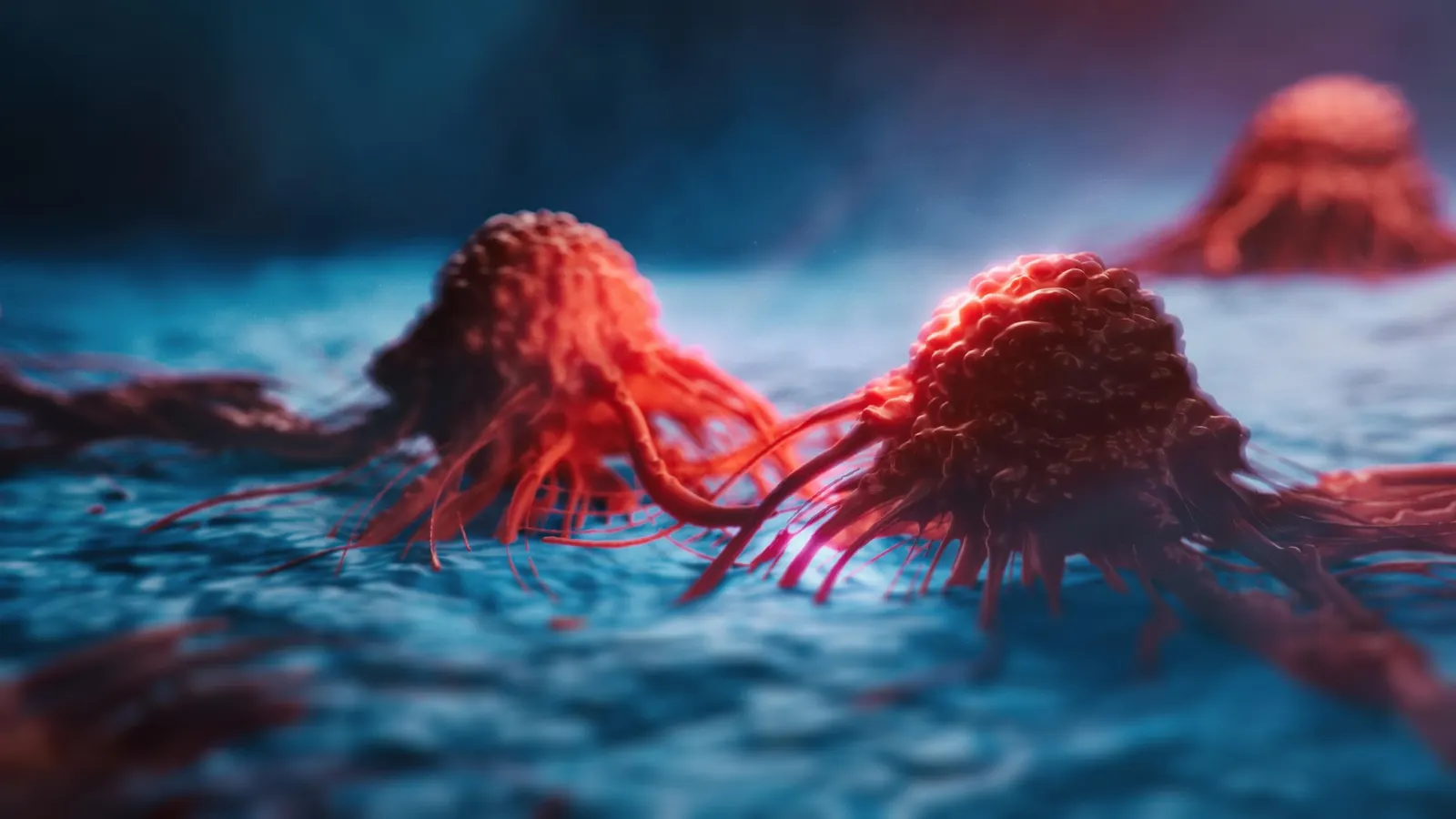
Modern anticancer medications that combine tumor-fighting drugs with proteins that specifically target cancer cells are a relatively new class of drug, often given to patients for whom standard chemotherapy has not worked. The drugs are precise, but can attack only one kind of target in the cancer cell at a time. This limits their effectiveness against tumors containing multiple types of targets, which becomes more likely as a cancer progresses or as tumors become resistant to conventional therapies.
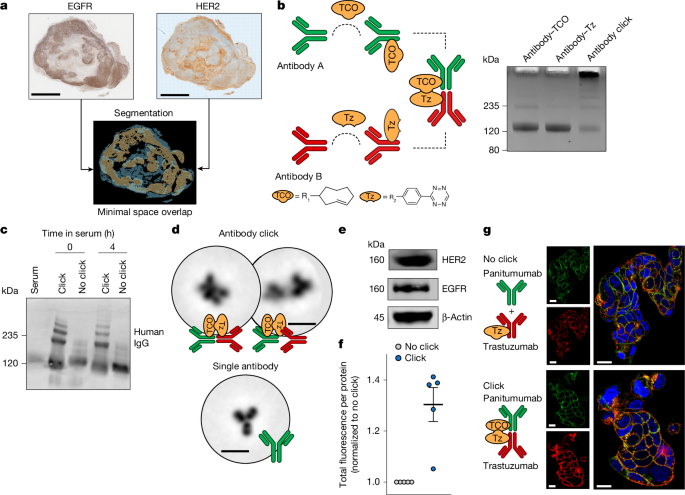
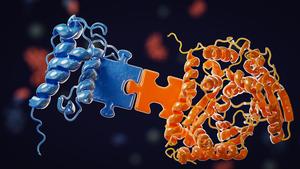
Researchers at Washington University School of Medicine in St. Louis have shown in mice that it is possible to increase the potential effectiveness of these drugs, which are known as antibody-drug conjugates. By modifying such drugs already approved by the U.S Food and Drug Administration so that they self-assemble in the body and attack more than one cancer target, the researchers dramatically improved the effectiveness of these medications.
The study was published July 15 in Nature.
“We’ve shown that when two cancer-targeting antibodies bind together inside the body, they accumulate at the tumor more effectively and improve treatment response,” said Patrícia M. Ribeiro Pereira, PhD, an assistant professor of radiology at WashU Medicine Mallinckrodt Institute of Radiology and a research member of Siteman Cancer Center, based at Barnes-Jewish Hospital and WashU Medicine.