Researchers at Oregon State University have developed a promising experimental strategy for treating glioblastoma, the most aggressive form of brain cancer. Fewer than 30% of patients survive for two years after diagnosis.
The work, led by Oleh Taratula, Olena Taratula and Yoon Tae Goo of the OSU College of Pharmacy, focuses on two major problems that have long limited glioblastoma treatment. First, therapies must cross the blood-brain barrier, a tightly controlled network of cells that protects the central nervous system from substances circulating in the bloodstream. Second, the treatment must reach tumor cells without affecting healthy tissue.
Sugar-Coated Nanoparticles Target Brain Tumors
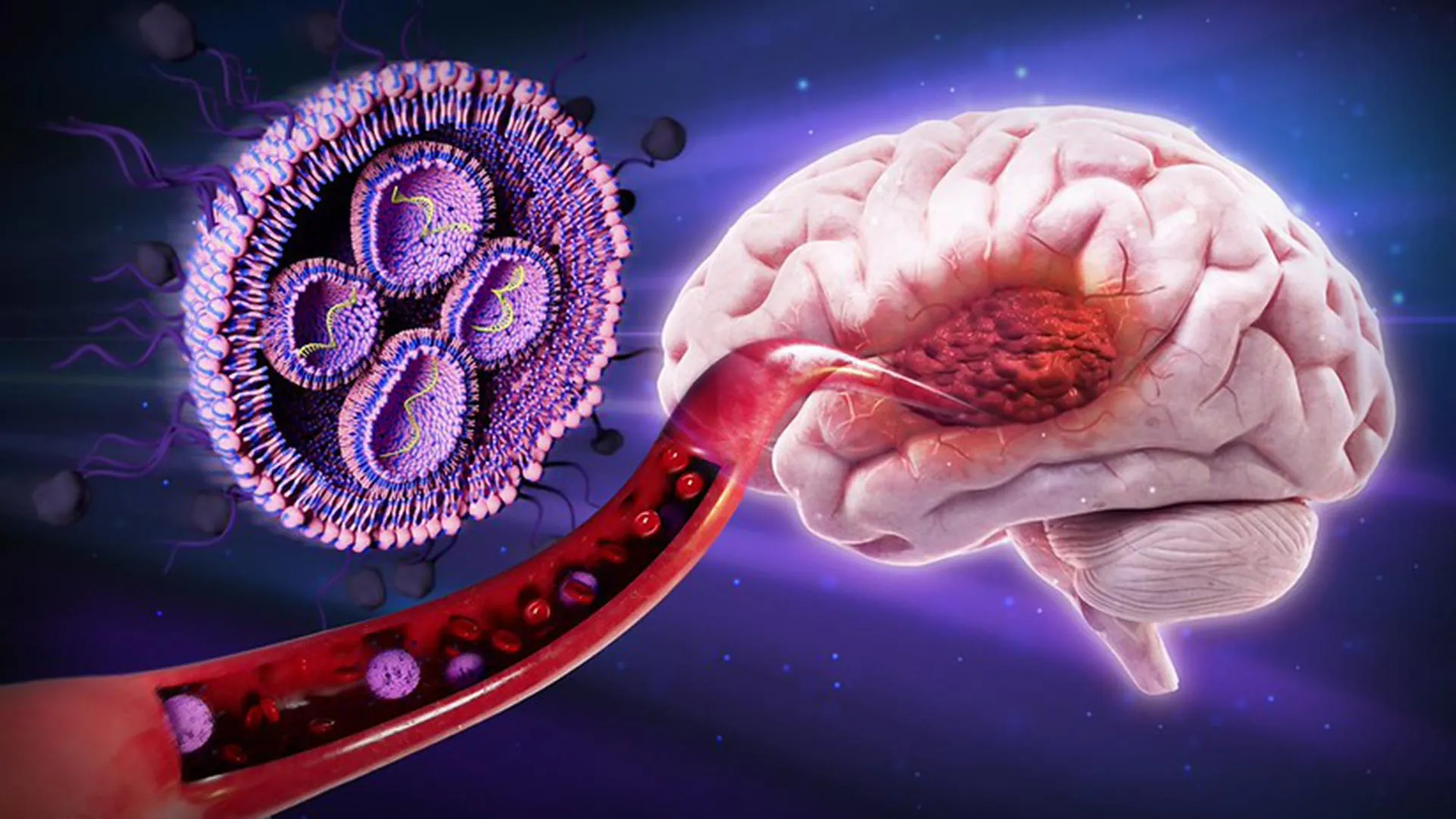
In a mouse model, the researchers tested lipid nanoparticles filled with genetic material designed to restore the body's ability to suppress tumor growth. The particles were then covered with a sugar coating that helped them enter the brain and concentrate inside tumors.
According to findings published in the Journal of Controlled Release, the approach increased median survival time by 50% in mice with glioblastoma.