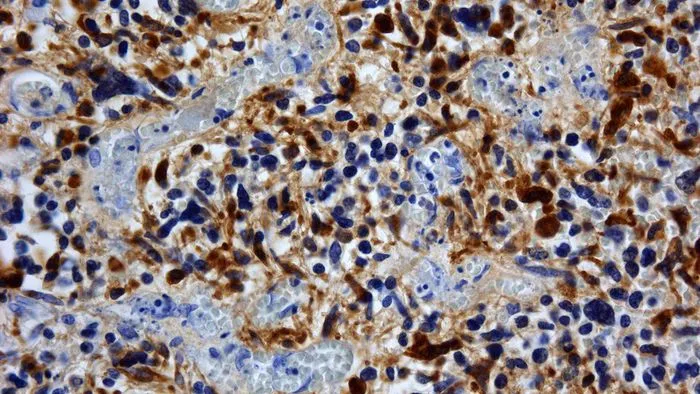
A newly published study in Oncoscience explores a potential new approach to treating glioblastoma, an aggressive form of brain cancer that remains extremely difficult to treat. The paper is titled "Selective blood-brain barrier penetration and tumor targeting of nitrosylcobalamin in glioblastoma: Pharmacokinetics, tissue distribution, and synergistic activity with trail and temozolomide."
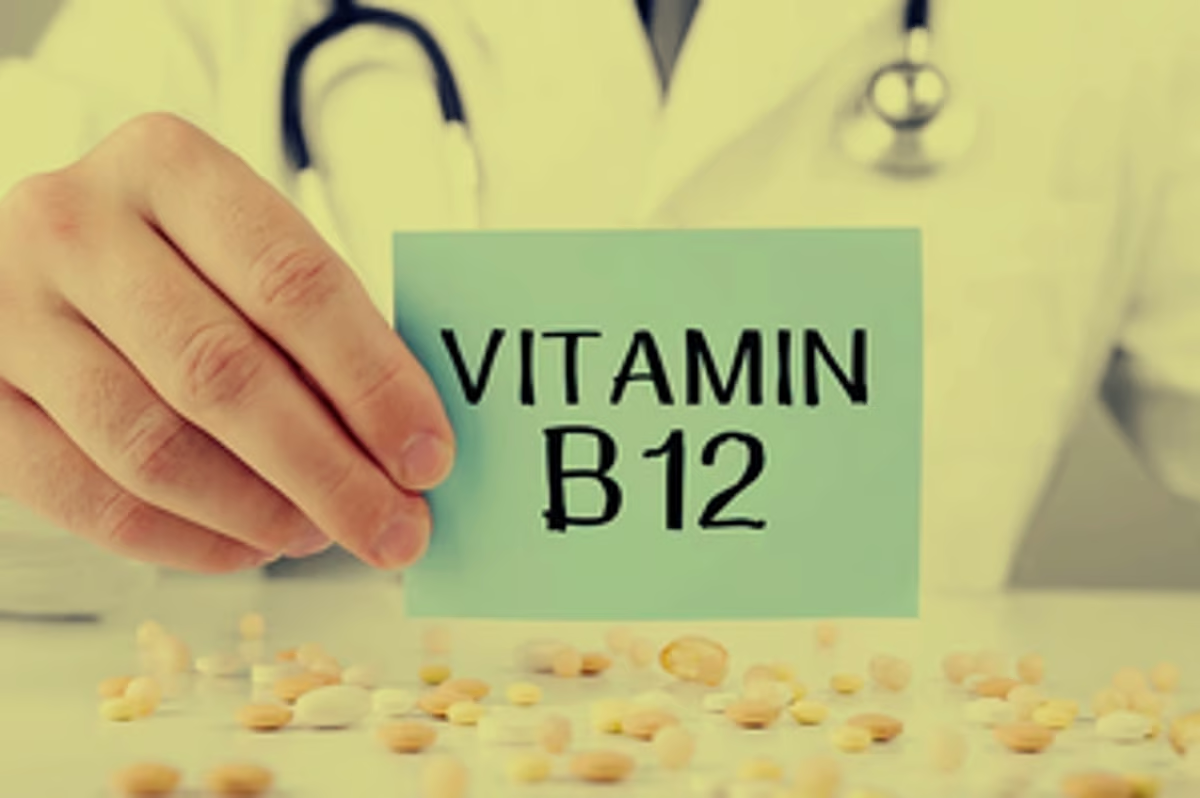
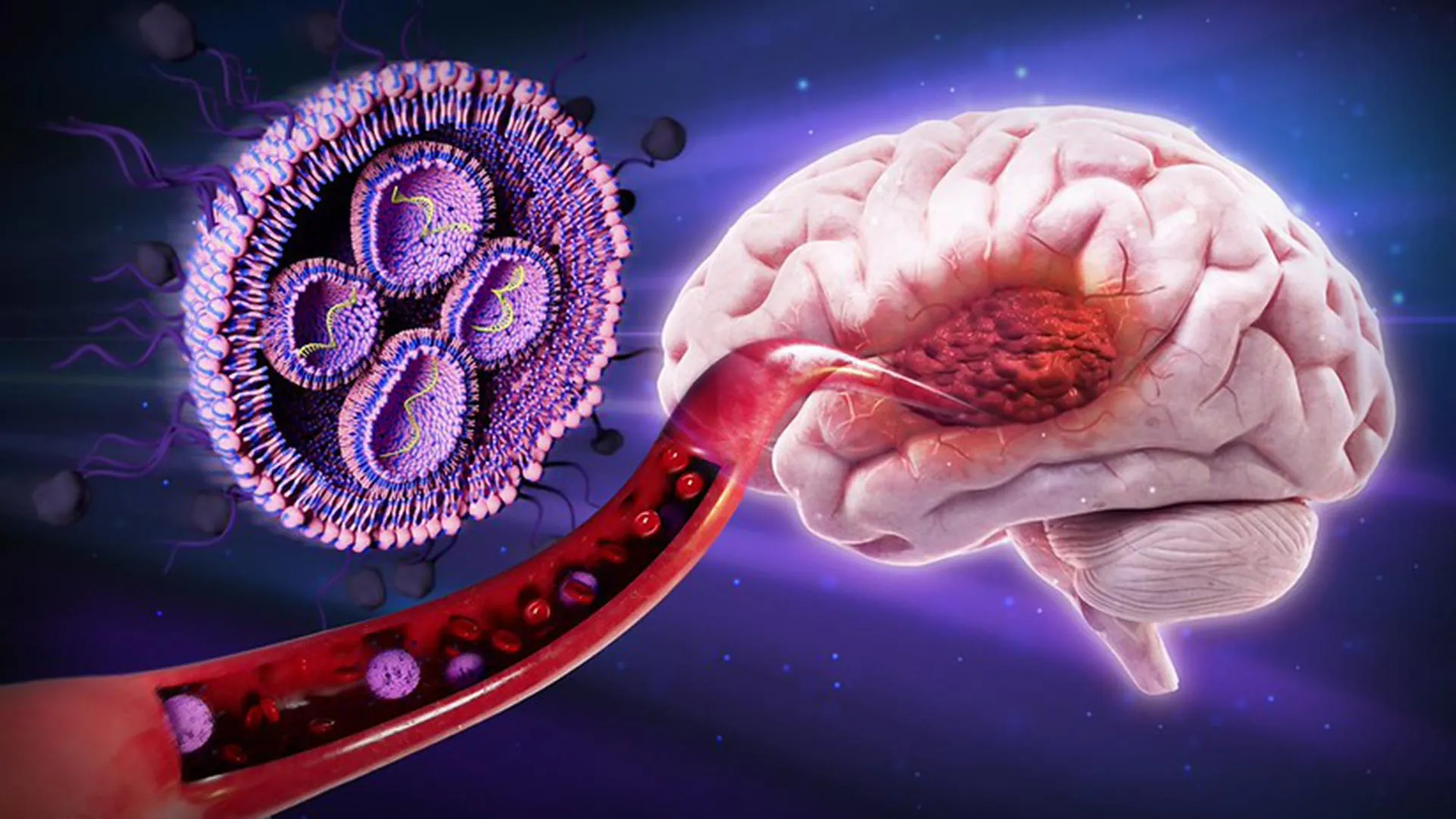
The research was led by first and corresponding author Joseph A. Bauer of Nitric Oxide Services, LLC and the Cleveland Clinic Foundation Taussig Cancer Center. The team investigated nitrosylcobalamin (NO-Cbl), a modified form of vitamin B12 that releases nitric oxide, to determine whether it could cross the blood-brain barrier (BBB) and selectively accumulate in glioblastoma tumors.
Glioblastoma multiforme (GBM) is among the most lethal and treatment-resistant cancers of the brain. Even with surgery, radiation therapy, and chemotherapy, patients typically survive less than 15 months after diagnosis. One major reason is the blood-brain barrier, a protective structure that blocks many drugs from reaching tumor tissue in the brain.
Testing a Vitamin B12-Based Brain Cancer Therapy
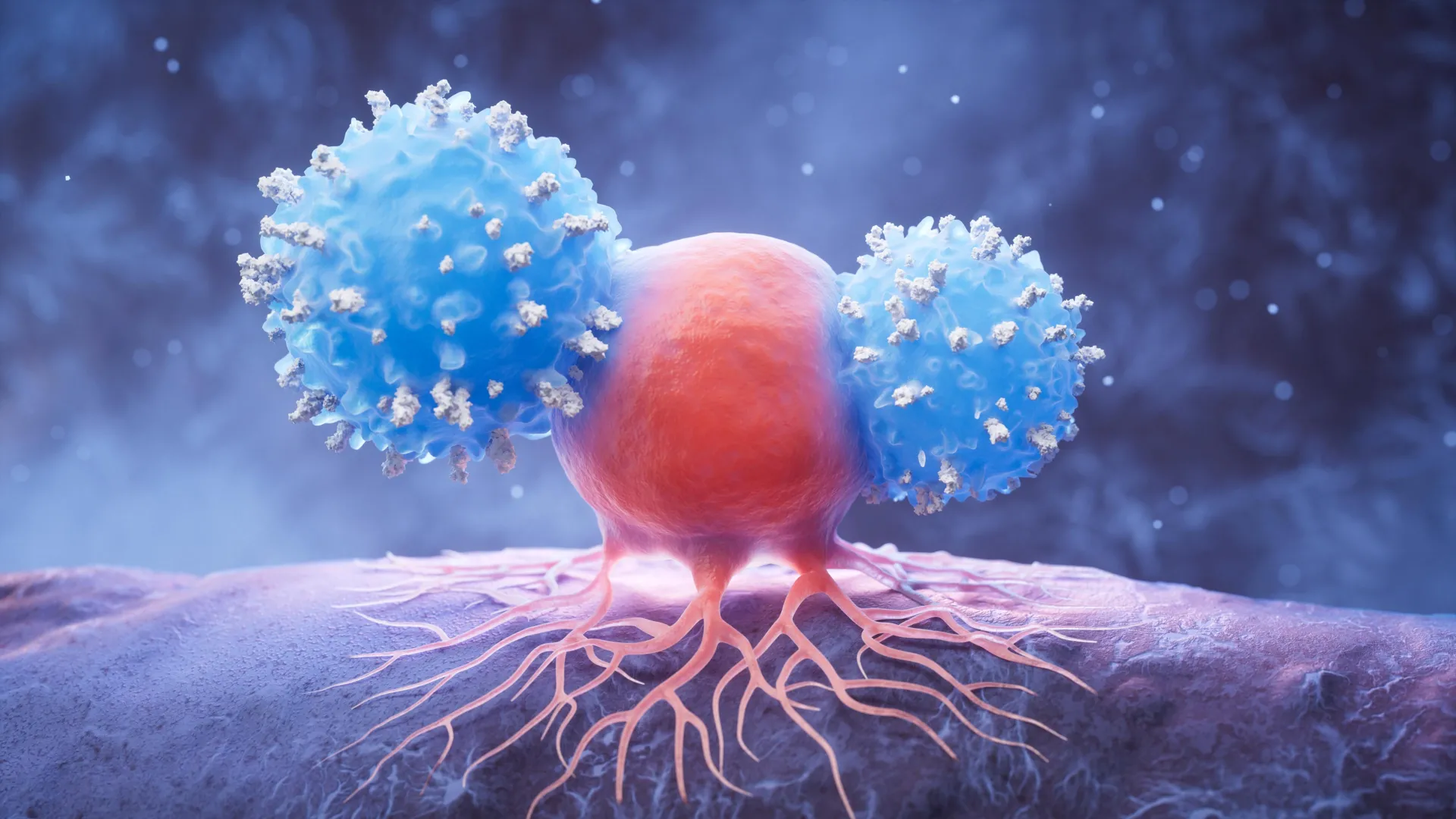
To evaluate NO-Cbl, the researchers used several experimental methods. These included testing the compound against cancer cells in the NCI-60 human tumor cell line panel, conducting pharmacokinetic studies in rats with glioblastoma tumors, and examining how NO-Cbl performed in combination with other treatments in human glioblastoma cell lines.