Notably, the clinical trials MAGMA and JCOG1703 further demonstrated that some treatment regimens for newly diagnosed GBMs (ndGBMs).
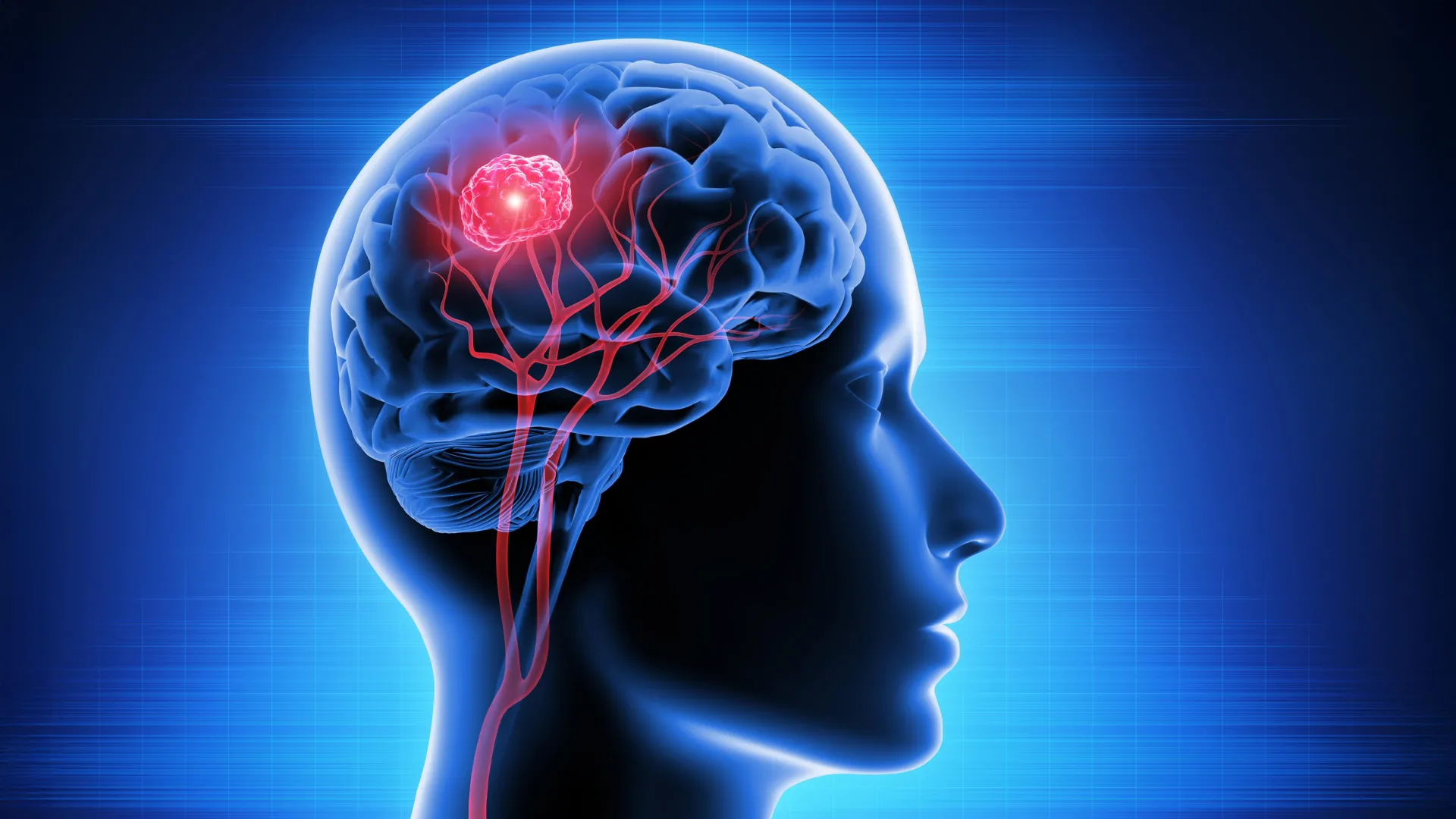
CNS tumours, including gliomas and glioblastomas (GBMs), represent some of the most challenging conditions in oncology due to their complexity, limited treatment options, and low survival rate. Credit: H_Ko via Shutterstock.com.
At the 2026 American Society of Clinical Oncology (ASCO) annual congress, oral abstract presenters highlighted new and exciting central nervous system (CNS) tumour treatments. CNS tumours, including gliomas and glioblastomas (GBMs), represent some of the most challenging conditions in oncology due to their complexity, limited treatment options, and low survival rate. However, a new wave of clinical and translational research is beginning to broaden the treatment landscape, many of which were covered at the ASCO 2026 annual meeting, with early signals of benefit across targeted agents, cell therapies, and gene-based approaches.
Notably, the clinical trials MAGMA and JCOG1703 further demonstrated that some treatment regimens for newly diagnosed GBMs (ndGBMs), namely extending temozolomide cycles, neoadjuvant temozolomide prior to chemotherapy, and carmustine wafer implantation, do not improve overall survival (OS) or progression-free survival (PFS) when compared to the standard of care (SOC). These results further demonstrate the lack of viable treatment options for patients with GBMs, as most cases of ndGBM will recur.