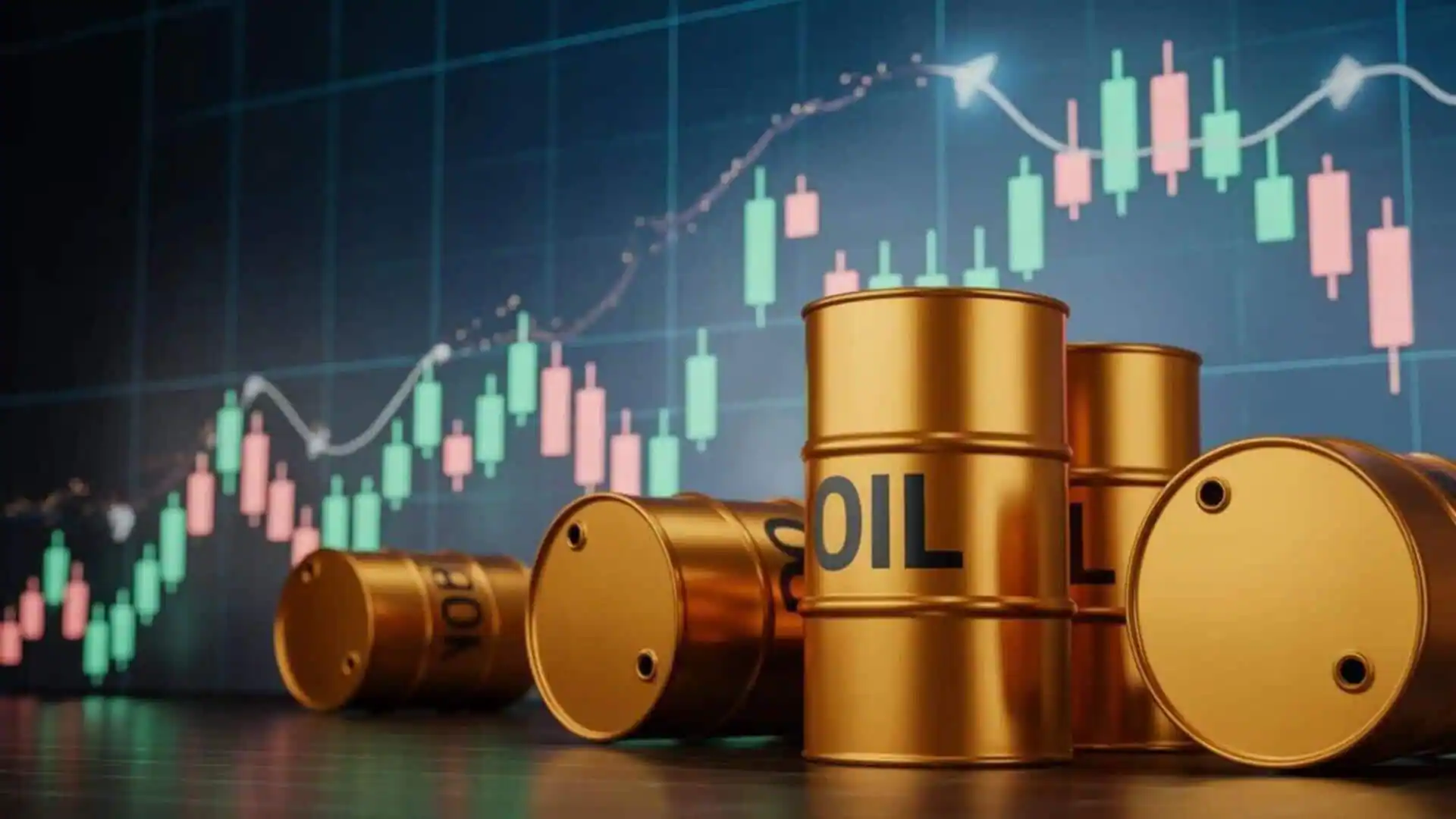
Three nights of quiet can move markets more than most earnings reports. The US and Iran have now avoided direct military action for a third consecutive night, and energy traders wasted no time pricing in the relief: oil benchmarks dropped roughly 4.9%, pulling the price back to around $92.02 per barrel.
That number needs context. Oil had surged to over $118 per barrel at the peak of the conflict, a run-up that represented a cumulative gain of roughly 30% since hostilities escalated on February 28, 2026.
How we got here
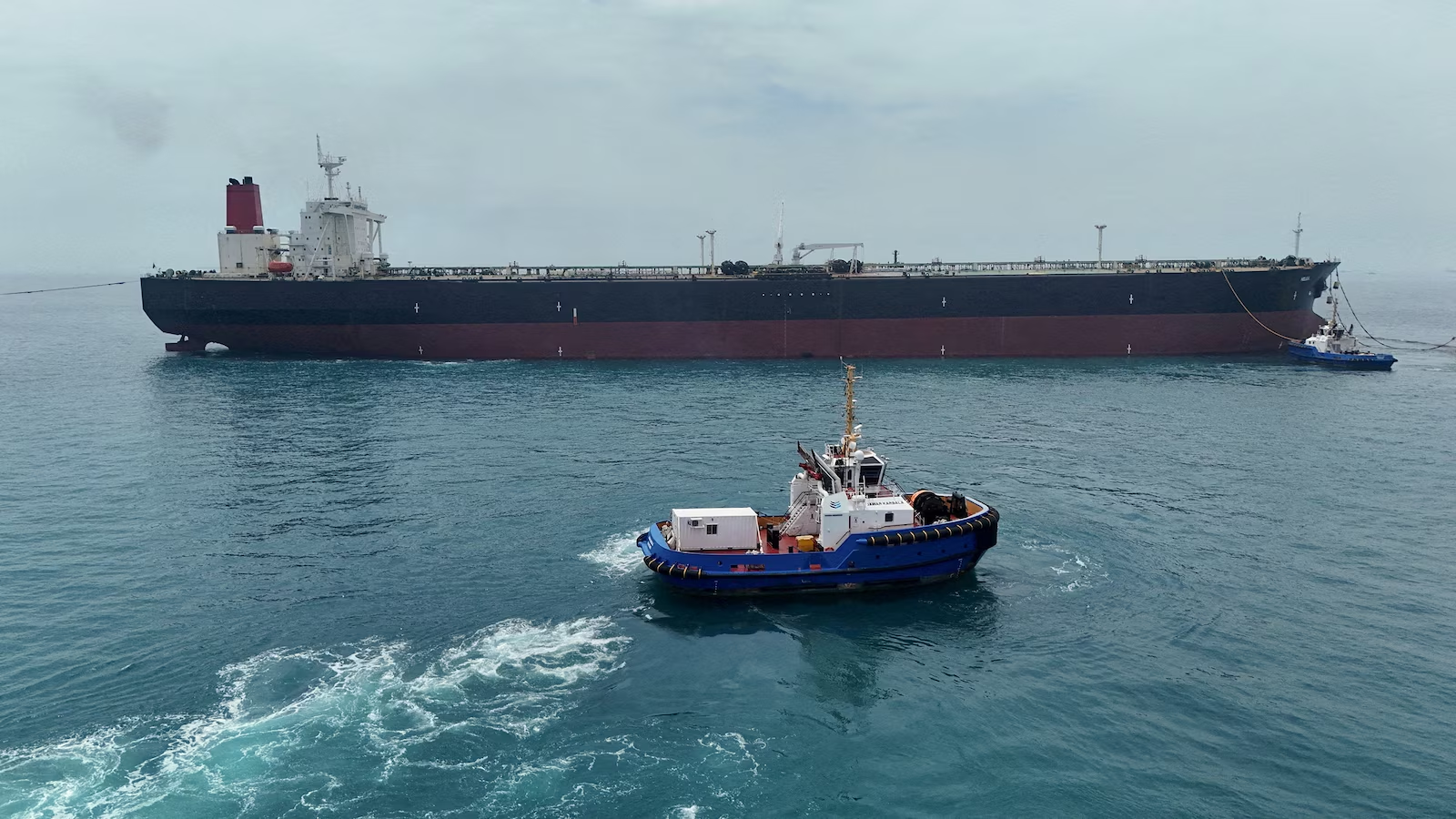
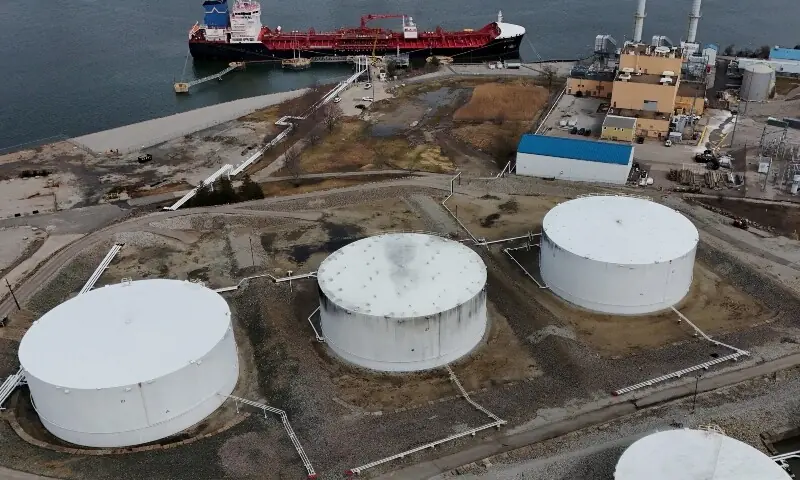
The current tension traces back to late February, when a series of US and Israeli strikes on Iranian targets set off a sharp escalation cycle. Iranian retaliation included attacks on tankers and other maritime targets, causing significant interruptions in the Strait of Hormuz, a key transit route for nearly 20% of global oil supply.
Prices climbed past $118 per barrel at the conflict’s peak, a level that began filtering through to everything from jet fuel to petrochemicals.