The price for a barrel of Brent crude oil to be delivered in September dropped 4.66% to $92.27, while US crude, or WTI, fell 5.02% to $84.83 per barrel.
Brent crude, the international standard, briefly hit $102 a barrel last week. That was $30 more than the most actively traded contract in the Brent market was going for early in the month, and the highest it had been since May.
Oil prices surged this month because of increased fighting in the Middle East and worries a return to all-out war would further slow the global flow of crude.
The ability of tankers to pass safely through the Strait of Hormuz has been the central concern for the oil market since the US and Israel attacked Iran in late February. The narrow strip of water off Iran’s coast is the route through which a fifth of the world’s oil typically leaves the Persian Gulf and heads to customers worldwide, and the conflict has largely halted shipping traffic.
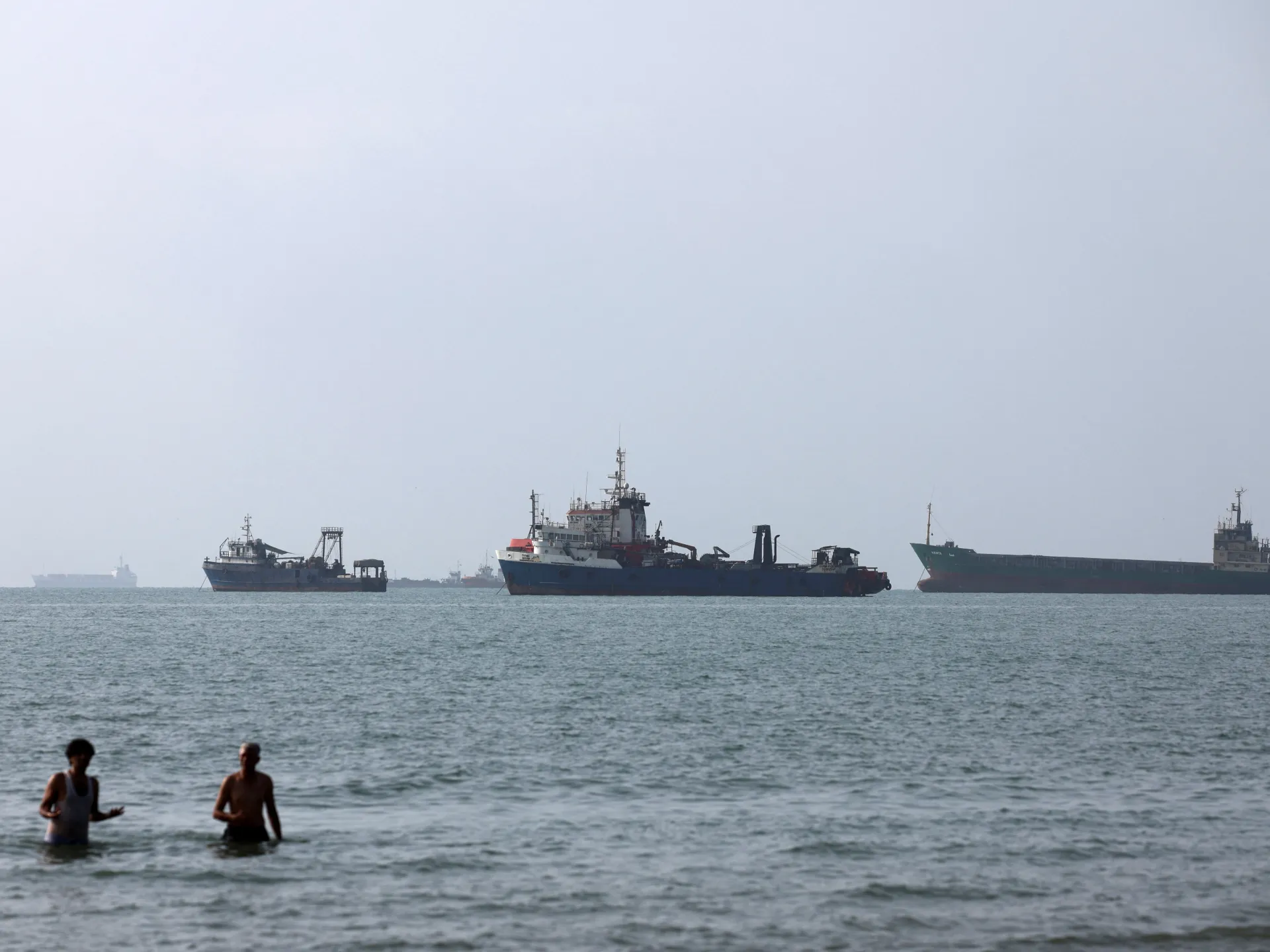
Oil producers have since searched for alternative routes, but those are under pressure too. Last week, attacks hit Saudi oil tankers that were using the Red Sea to leave the region. When less oil is available for customers to buy, the price goes up and fuel prices do as well.