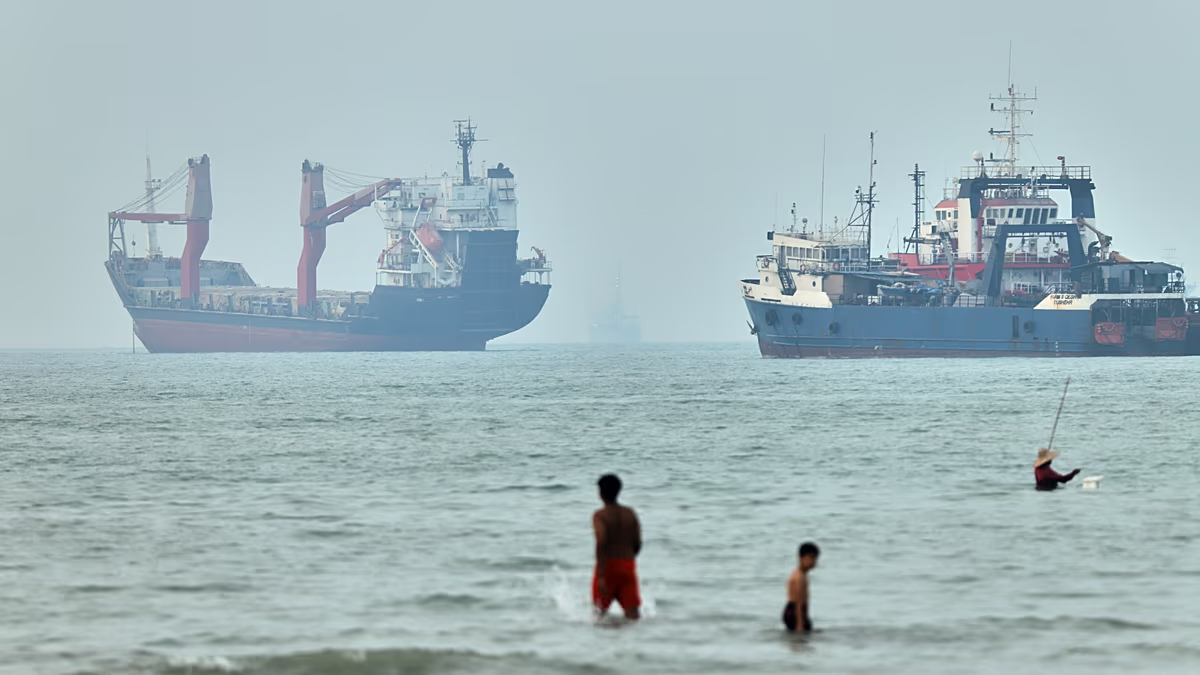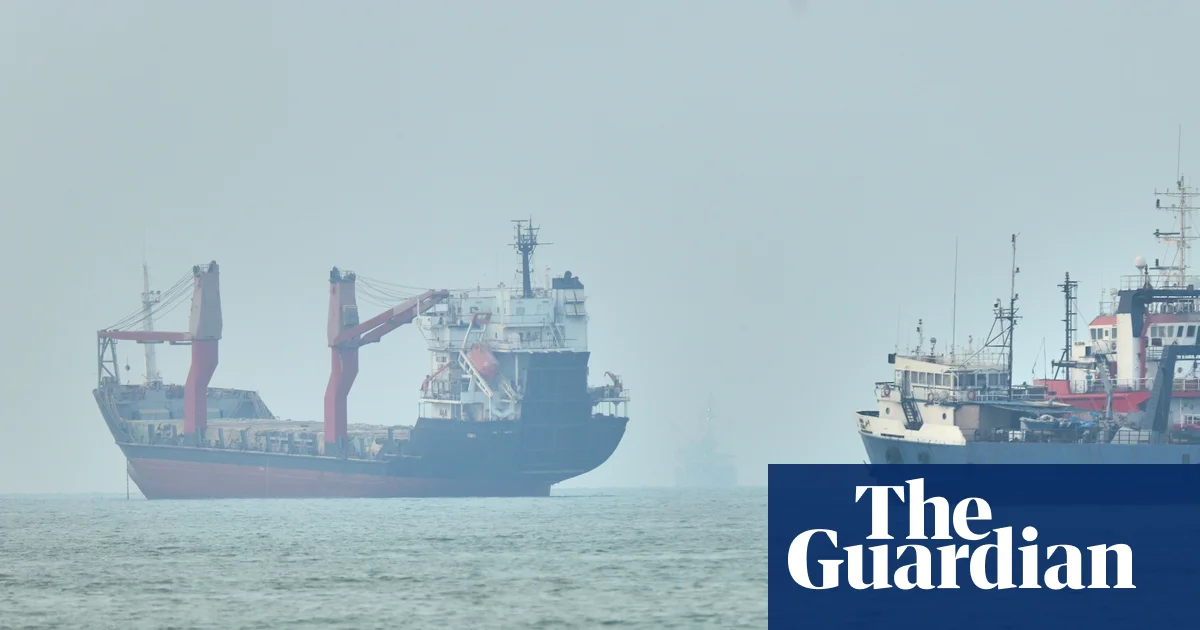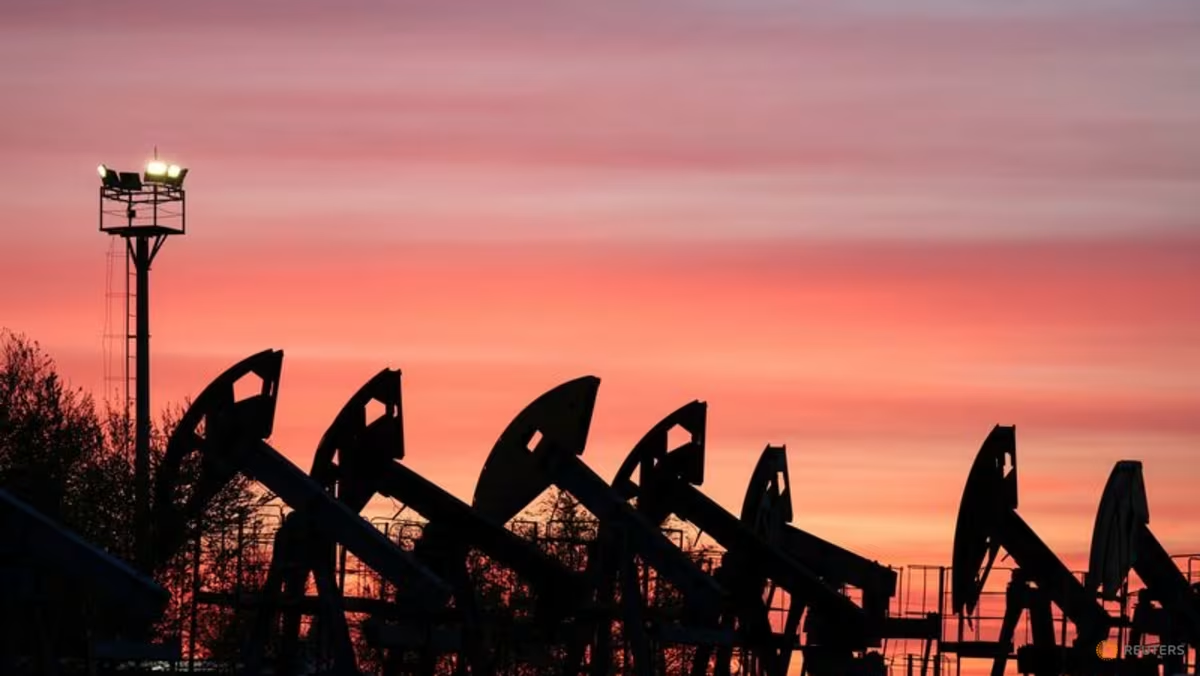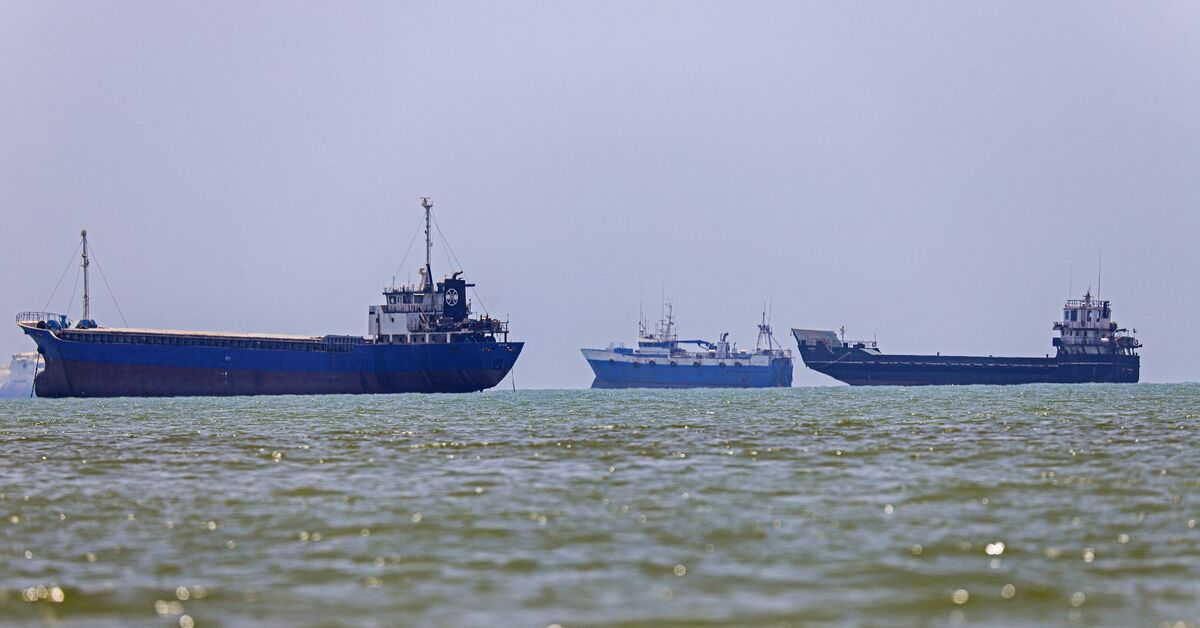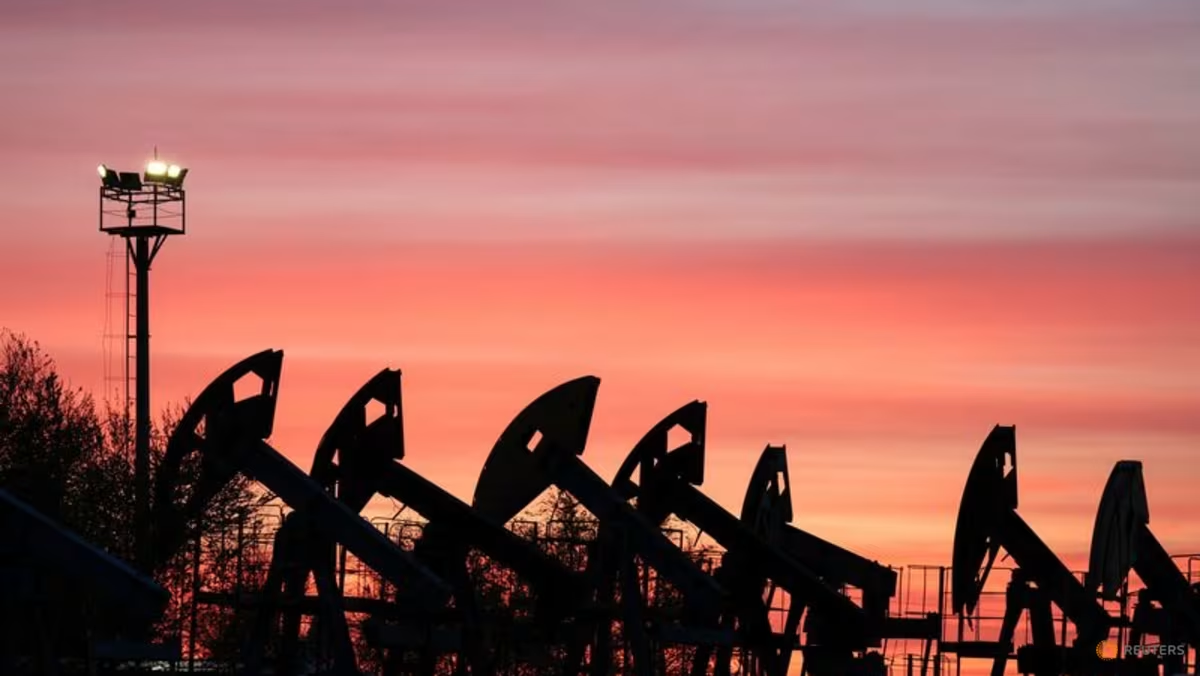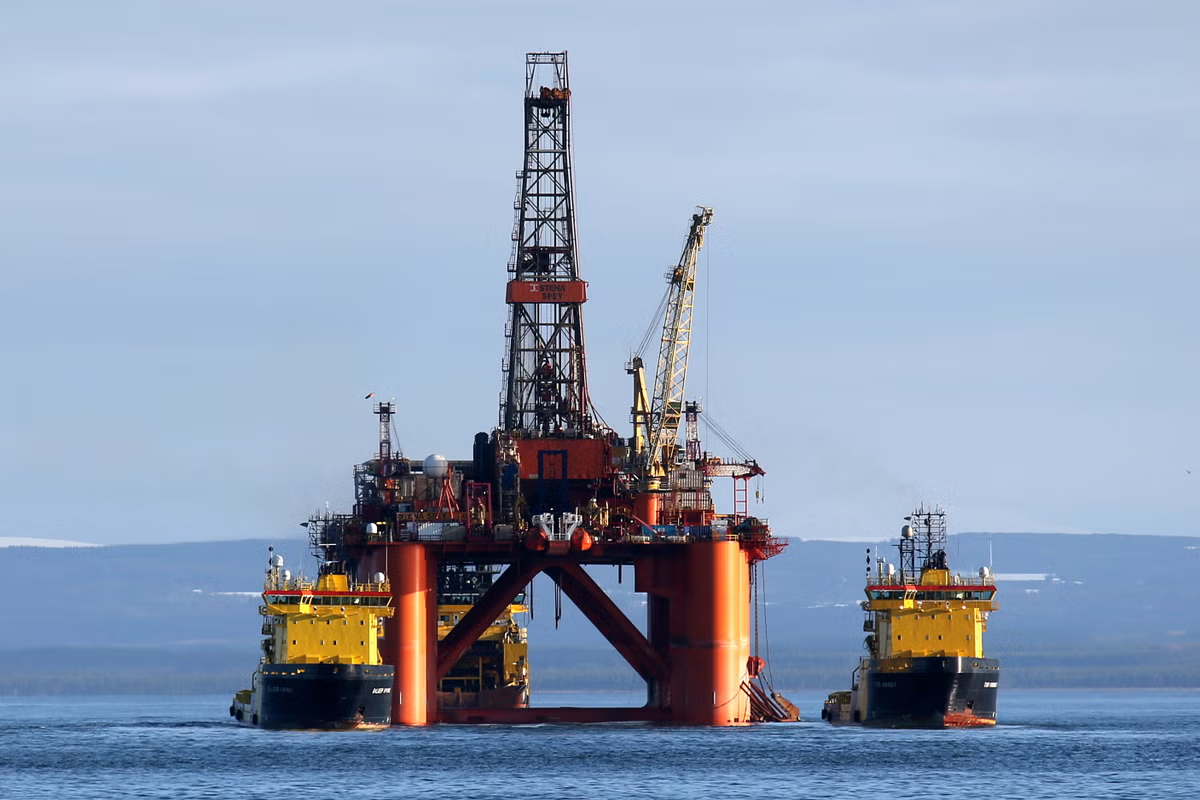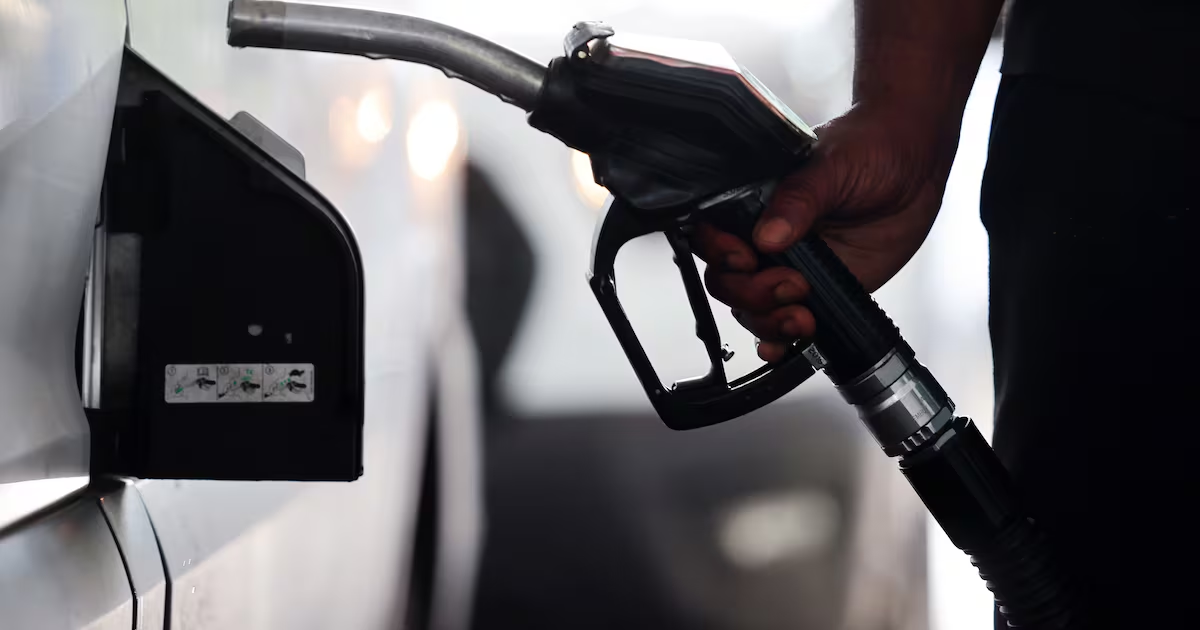
Oil prices fell more than 7 per cent on Monday as the US and Iran paused tit-for-tat strikes after weeks of escalating violence over the Strait of Hormuz. Brent crude, the global benchmark, was down 7.2 per cent at $89.85 a barrel in early London trading, as talks between mediators continued, following two weeks of hostilities that had driven oil up past $100. The US military has not reported any air strikes against Iran since launching attacks overnight on Thursday, while Iranian forces have not mounted any assaults on US bases in the region since Friday.Mike Waltz, the US ambassador to the UN, said on Sunday that US president Donald Trump was “giving the talks some space” before deciding whether to resume strikes. The US and Iran have both been vying for control of the strait, the narrow waterway through which about a fifth of the world’s oil and gas passed before the war.The fall in oil prices, if sustained, will bring some relief to Trump barely 100 days out from midterm elections in which the Republican Party is battling to retain control of both houses of Congress. Oil market analysts cautioned against pricing in further falls at a time when the strait remained essentially closed for business and rising tensions between Yemen’s Houthi militants and Saudi Arabia threatened to further impede shipments.“Even if we have a headline-driven sell-off, we do not see traffic through Hormuz normalising anytime soon and now we have the added Red Sea problems,” said Helima Croft, head of global commodity strategy at RBC Capital Markets.“A [pause] in active fighting does not mean we have entered the ‘start your engines’ phase for two-way shipping traffic,” she added, in reference to Trump’s claim in June that global oil flows had been restored.The impact of the conflict on petrol prices and other goods has weighed on the president’s favourability ratings. Petrol prices across the US are now averaging $4.11 a gallon, according to data from motor club AAA, up from less than $3 before the conflict began in late February.An FT/Focaldata poll conducted at the end of June, before the recent escalation of the US and Iran’s attacks, found just 36 per cent of US voters surveyed approved of the job Trump was doing as president.The rise in petrol prices has driven inflation up to 4.1 per cent, more than double the US Federal Reserve’s 2 per cent goal. Fed officials are set to meet in the coming days to discuss whether price pressures are strong enough to warrant the first rise in interest rates in three years.Bets on a Federal Open Market Committee (FOMC) rate rise as soon as Wednesday fell slightly to 30.5 per cent early on Monday, down from 37.4 per cent at the Friday close, according to data from CME Group.“The decision appears unusually finely balanced,” Deutsche Bank analysts wrote on Monday. “The renewed escalation in the Middle East and the sharp rise in energy prices have complicated the inflation outlook.”Government bonds rallied on Monday morning as traders dialled back their bets on a surge in inflation caused by higher energy prices. The 10-year US treasury yield, which sets a reference borrowing rate for global debt markets, was 0.05 percentage points lower at 4.63 per cent.In the UK, the 10-year gilt yield fell 0.05 percentage points to 4.99 per cent. Bond yields fall as prices rise.Rate-setters on the FOMC have maintained the benchmark federal funds target at a 3.5 to 3.75 per cent range since the end of last year.“Although higher energy prices strengthen the case that the FOMC may eventually need to tighten policy further, we continue to expect the committee to remain on hold,” said Jonathan Millar, economist at Barclays.Stock markets also rallied on Monday morning as oil prices fell. The Stoxx Europe 600 was up 0.7 per cent. Futures tracking the S&P 500 and the Nasdaq Composite pointed to the indices rising 0.9 per cent and 1.5 per cent respectively when Wall Street trading begins. - Copyright The Financial Times Limited 2026
Oil falls more than 7% as Iran and US pause strikes over Strait of Hormuz
Brent lower after two weeks of escalating violence had pushed crude to more than $100 a barrel
671 words~3 min read