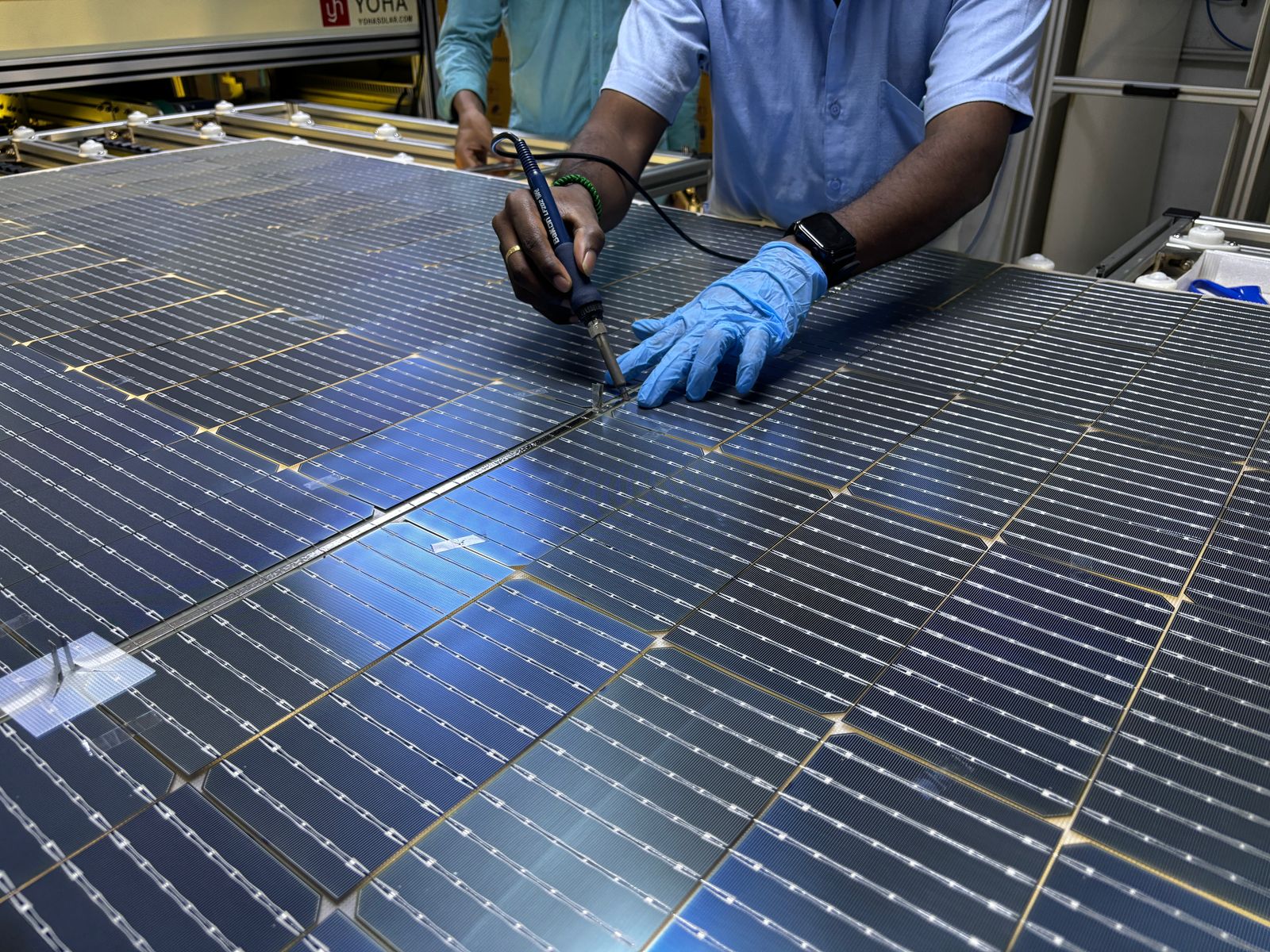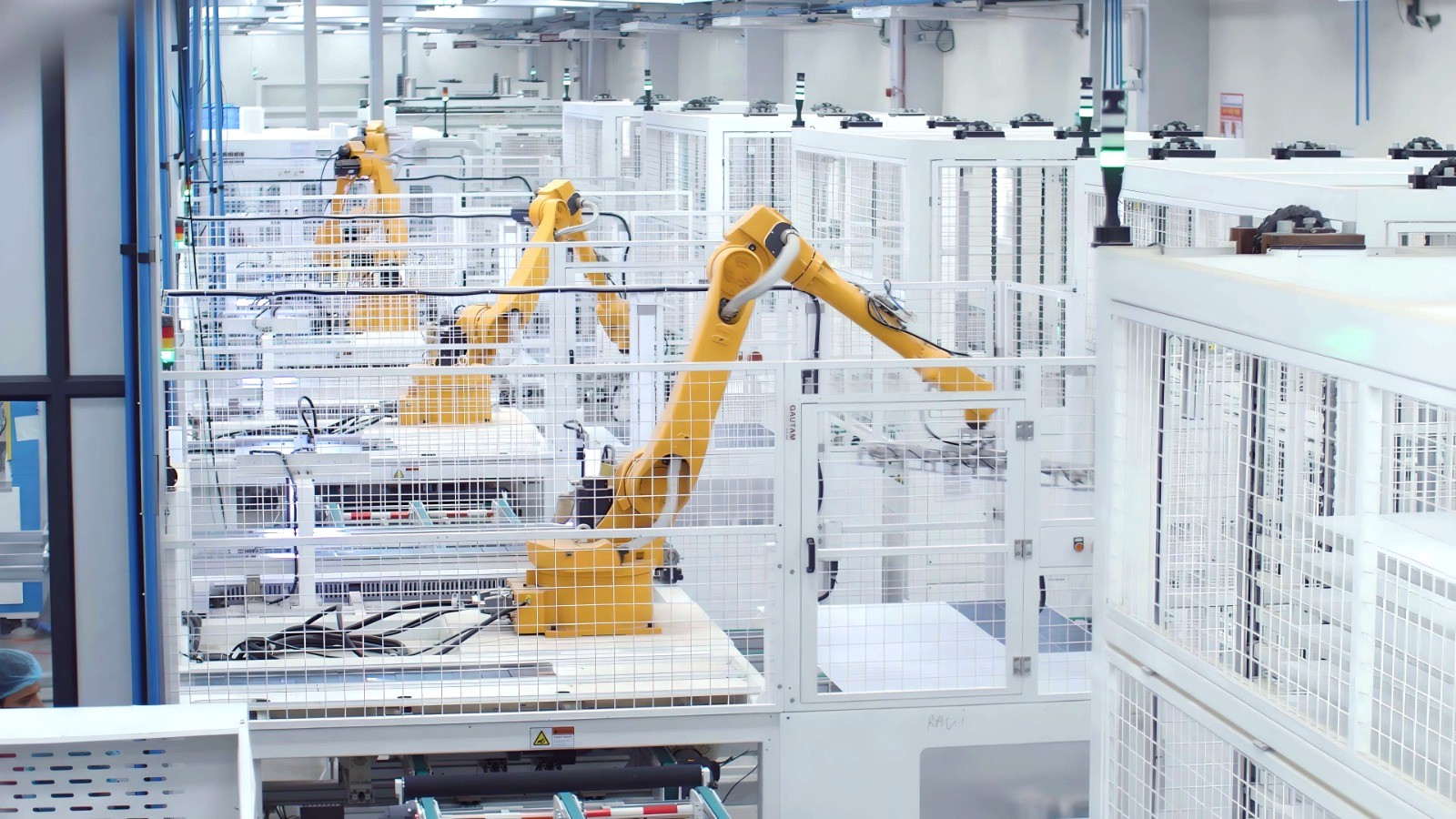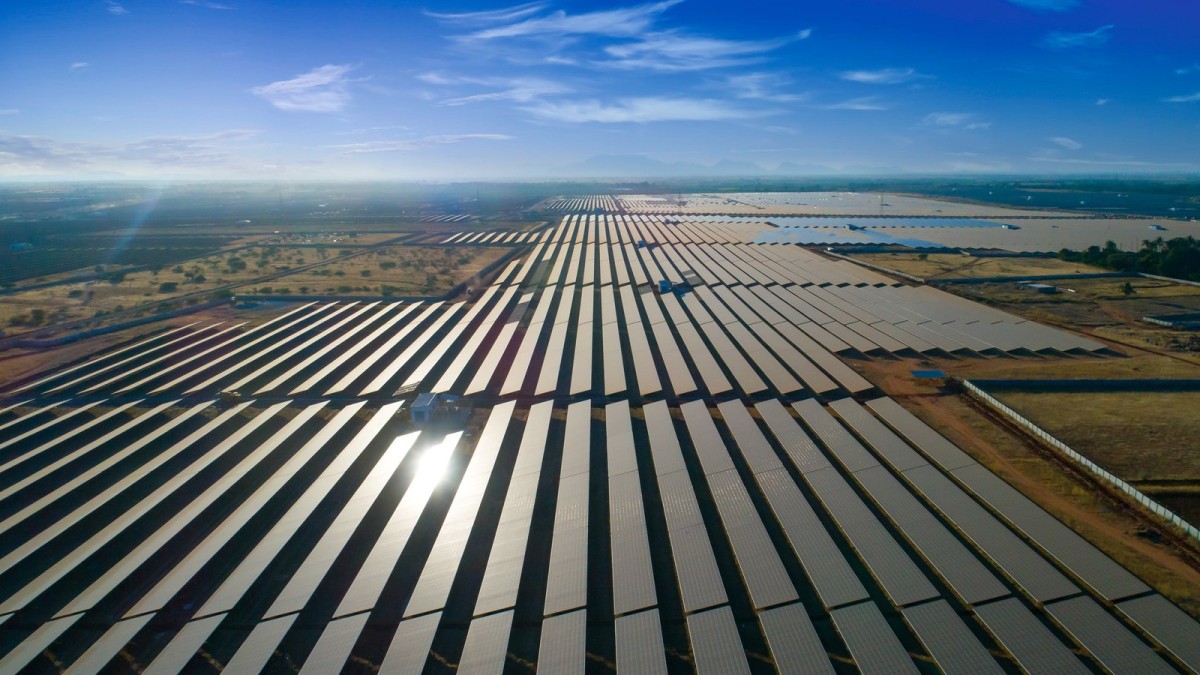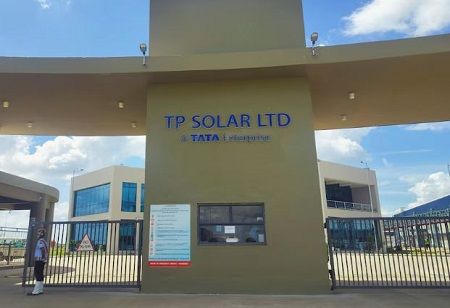
India's renewable energy ambitions are set to reach a new milestone as Tata Power prepares to export solar equipment to Europe for the first time.The move comes at a time when the European Union is actively reducing its dependence on Chinese solar products and looking for alternative suppliers.The opportunity could strengthen India's position as a global manufacturing hub while opening a major international market for domestic solar companies.Why Europe Is Looking Beyond ChinaEurope has relied heavily on China for its solar equipment for years. More than 95% of the solar modules installed across the European Union are imported, with Chinese manufacturers accounting for nearly 94% of module and cell supplies in 2023.Highlights: Tata Power plans its first solar equipment exports to Europe as the EU looks beyond Chinese suppliers. The company sees a 2–3 GW export opportunity while expanding its manufacturing capacity to 10 GW.To reduce this dependence, the EU introduced policies under the Net-Zero Industry Act, encouraging the use of solar equipment sourced from countries other than China.Italy has already opened its market for solar projects that do not use Chinese-made equipment, creating fresh opportunities for manufacturers from India.This shift is creating a favorable environment for companies like Tata Power to expand beyond the domestic market.Tata Power Sees Export OpportunitySpeaking after the company's quarterly results, Tata Power CEO Praveer Sinha said the company sees an export opportunity of around 2–3 gigawatts in one European country, although he did not reveal its name.The company currently has an integrated manufacturing capacity of 4.9 GW for solar cells and modules. It is also working to increase its manufacturing capabilities by building up to 10 GW of solar ingot and wafer capacity.Expanding manufacturing will allow Tata Power to serve both India's growing clean energy demand and rising international orders.India Strengthens Its Solar Manufacturing BaseIndia has rapidly expanded its solar manufacturing ecosystem over the last few years. According to government estimates, the country now has nearly 200 GW of solar module manufacturing capacity and around 30 GW of solar cell capacity.Several Indian manufacturers are now exploring exports as global demand shifts toward diversified supply chains. The recent India-European Union trade agreement, which reduced tariffs on most goods, is expected to further improve export opportunities for Indian renewable energy companies.Lower trade barriers could make Indian solar products more competitive across European markets while supporting long-term growth in exports.What It Means for India's Renewable SectorTata Power's export plans reflect more than just a new business opportunity. They highlight India's growing role in the global clean energy supply chain.As Europe diversifies its sourcing strategy, Indian manufacturers could benefit from stronger demand, higher production, and greater global recognition. For Tata Power, the move supports its long-term manufacturing expansion while creating a new revenue stream outside India.If more Indian companies successfully enter European markets, the country could strengthen its position as a reliable global supplier of solar equipment, reducing dependence on a single manufacturing hub and supporting the worldwide transition to clean energy.
Tata Power Eyes First Solar Exports to Europe as EU Cuts China Imports
Tata Power plans its first solar exports to Europe as the EU reduces reliance on China. The move could boost India's solar manufacturing, exports, and clean energy ambitions.
494 words~2 min read