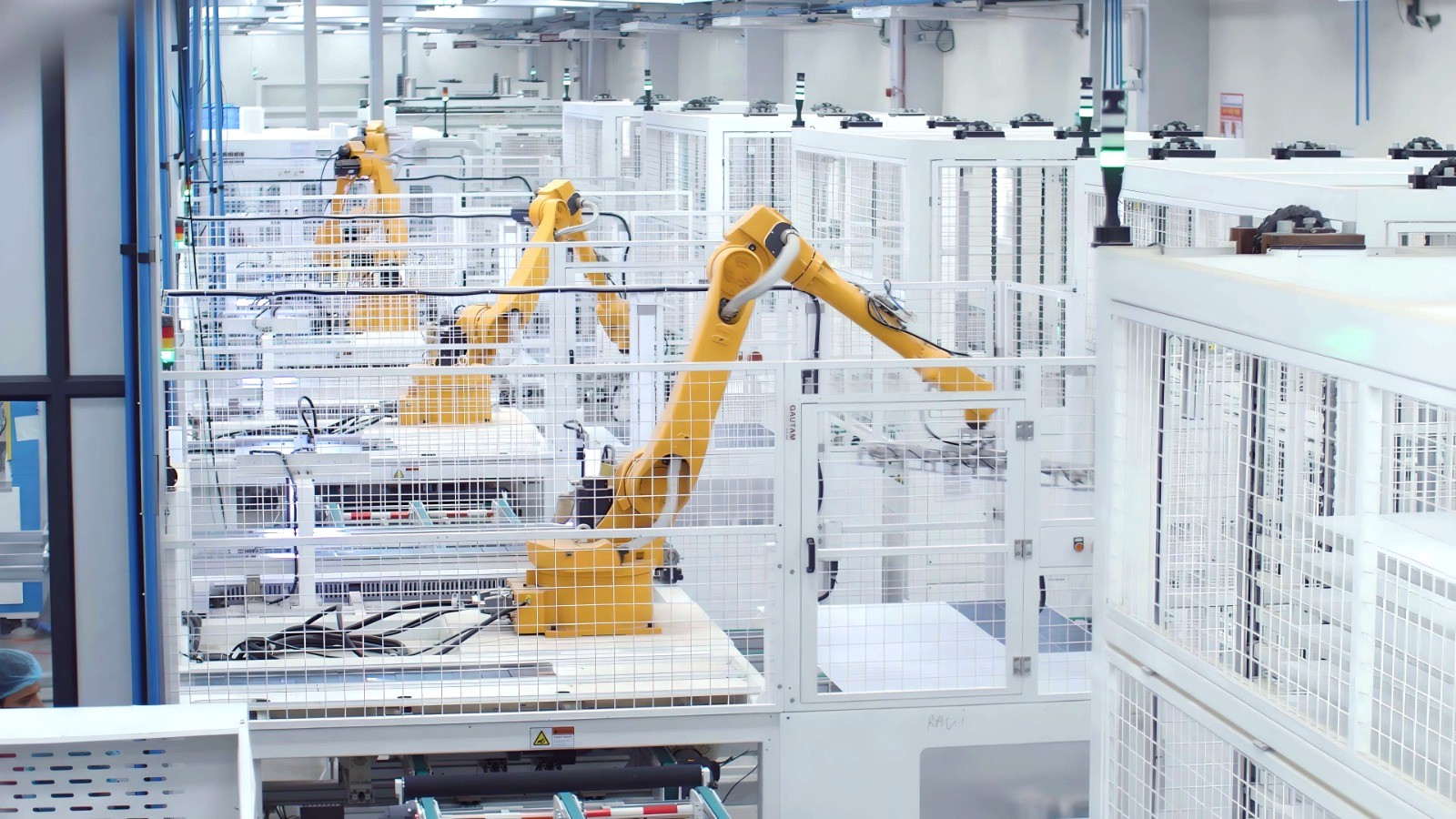
India has already demonstrated that well-designed policies can rapidly expand module and cell manufacturing. The next challenge is considerably more ambitious: building a fully integrated solar manufacturing ecosystem that extends from polysilicon to finished modules. Success will require sustained policy support, patient capital, technology partnerships, infrastructure development, and a long-term industrial vision.
The global clean energy transition is often discussed in terms of climate targets, renewable energy capacity additions, and carbon neutrality commitments. Yet, behind every solar panel installed across the world lies an increasingly complex geopolitical story. Solar manufacturing has evolved far beyond being an industrial activity, it has become a strategic asset, influencing national security, trade policies, economic competitiveness, and technological leadership.
For nearly two decades, China has methodically built an unparalleled position across the solar manufacturing value chain, transforming itself into the world’s undisputed manufacturing hub for photovoltaic (PV) technologies. Today, more than 80% of the world’s solar modules and over 95% of solar wafers originate from Chinese manufacturing ecosystems. Such concentration has prompted governments across the United States, Europe, Japan, and India to rethink supply-chain resilience, much like they did for semiconductors.