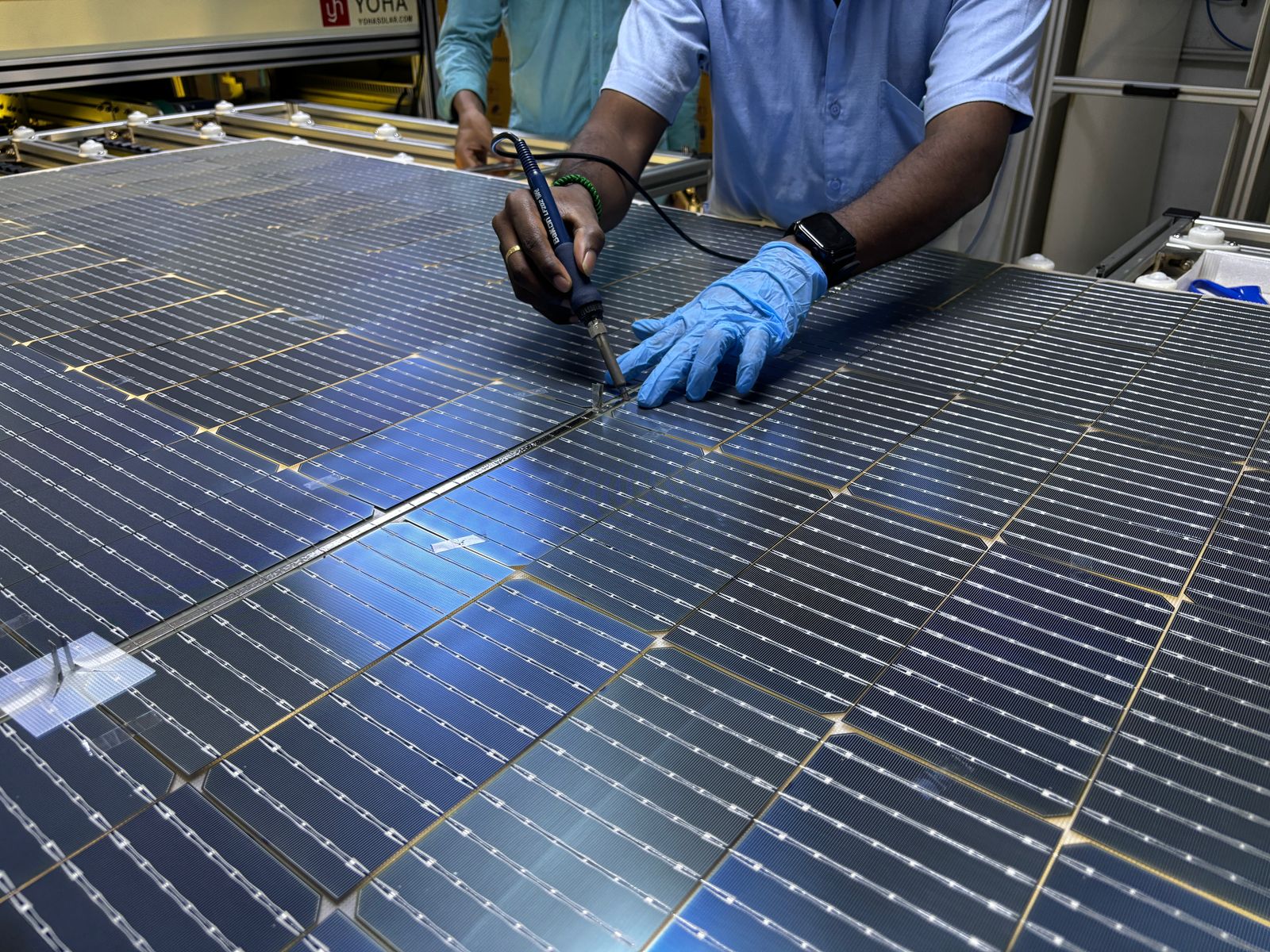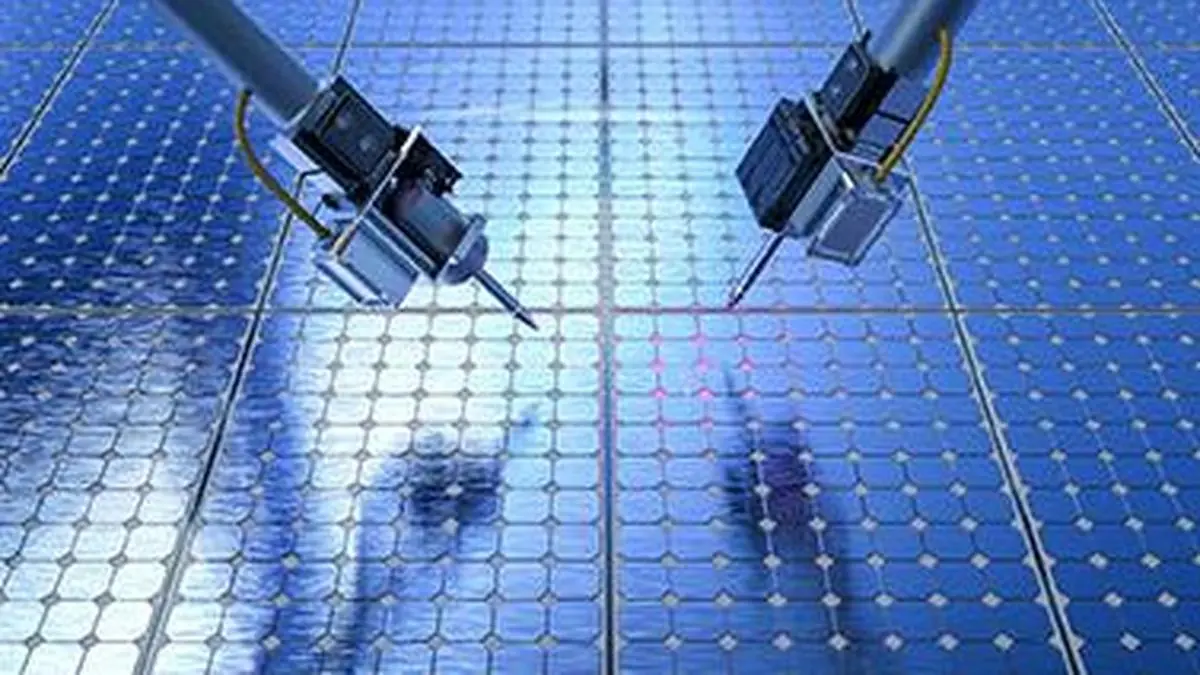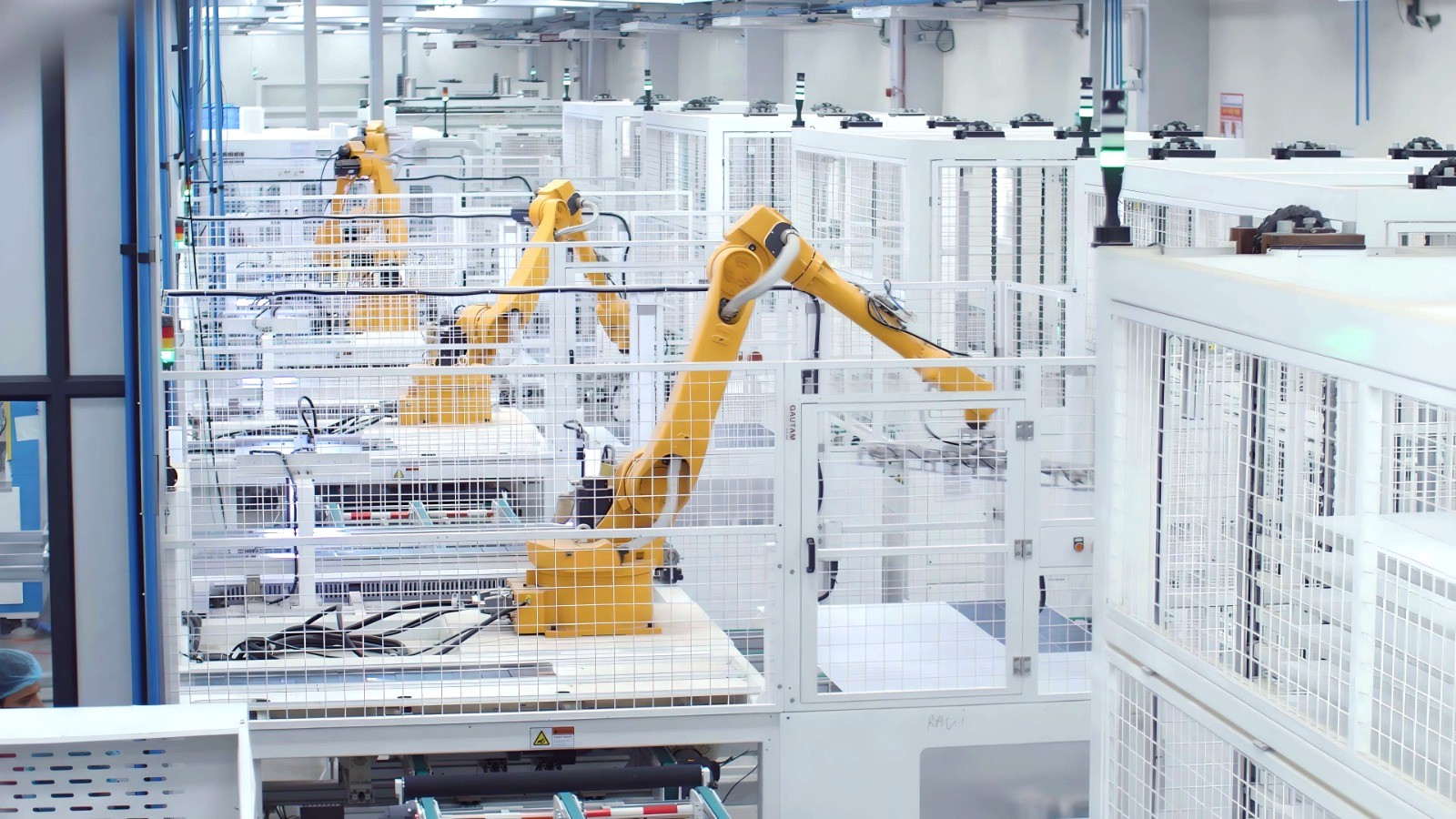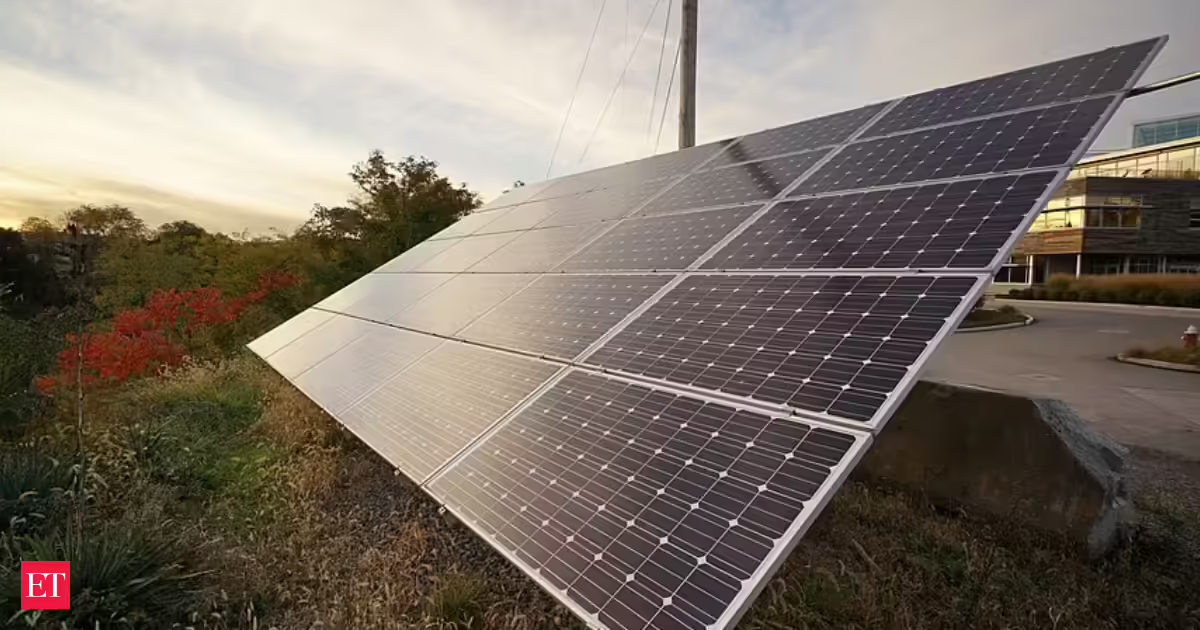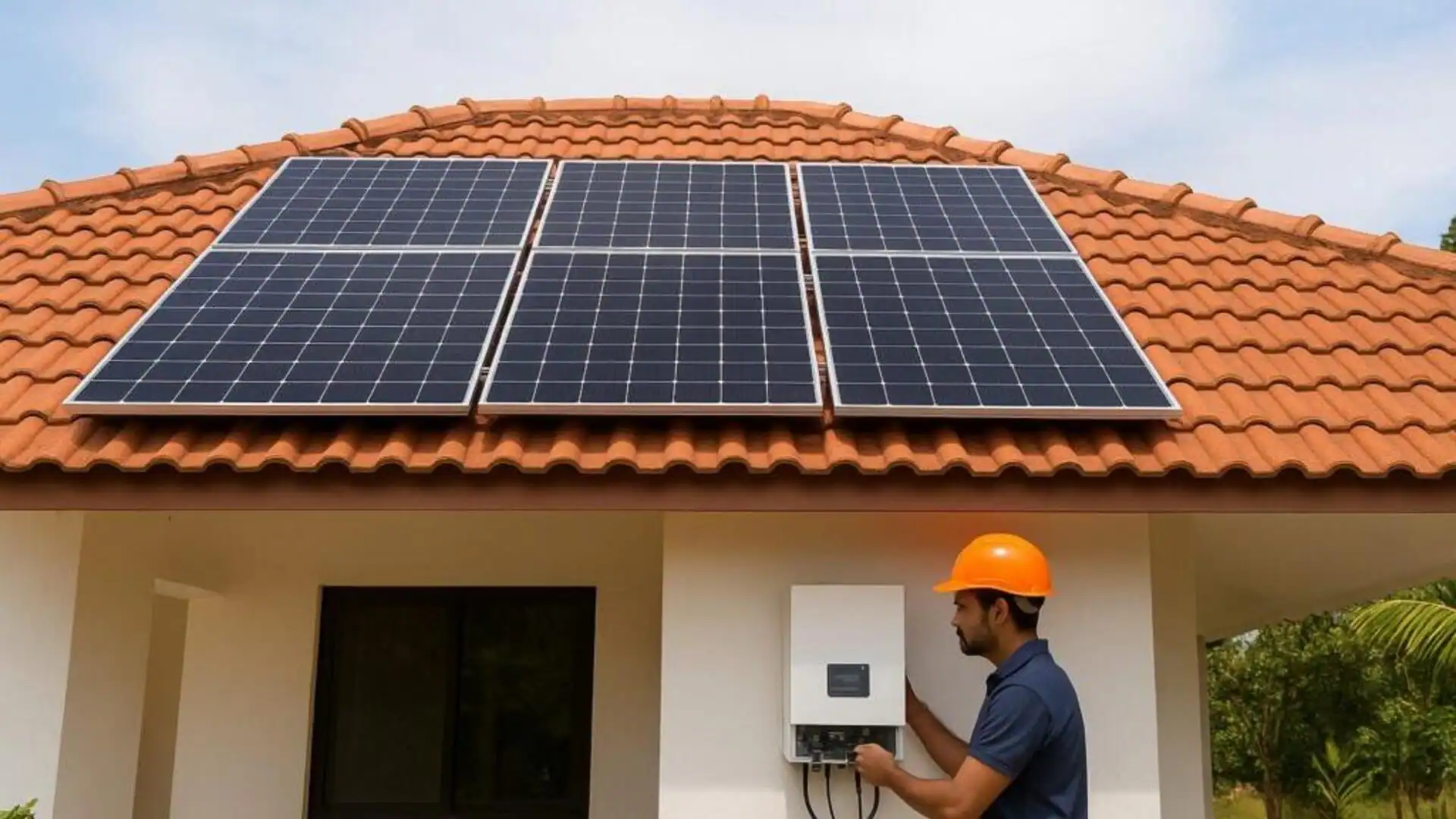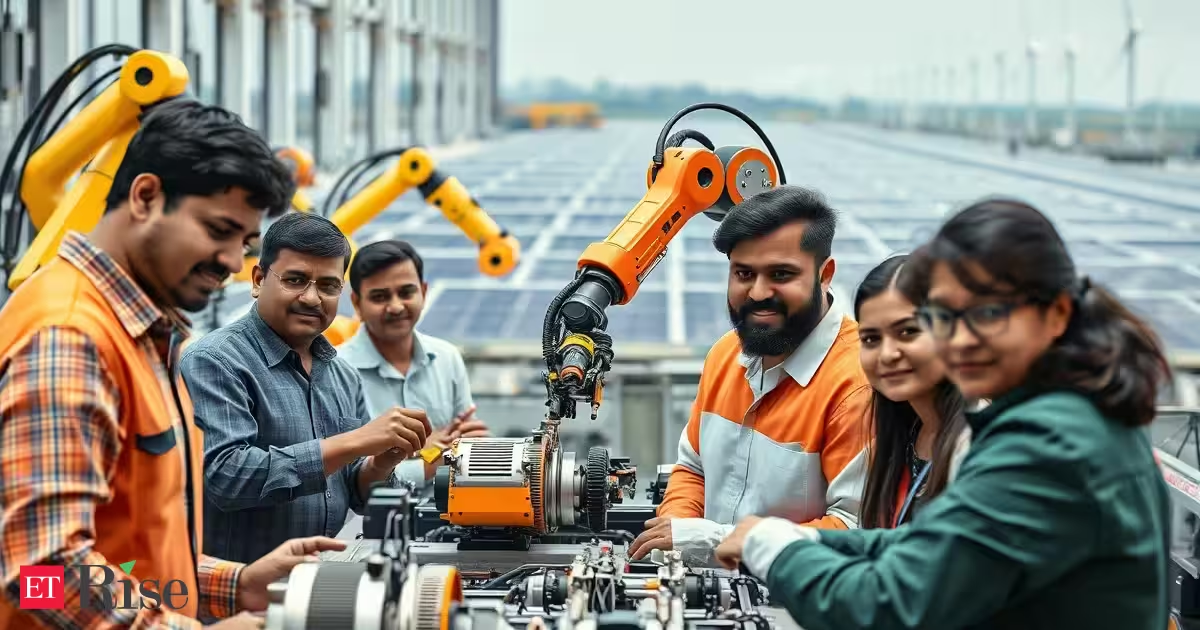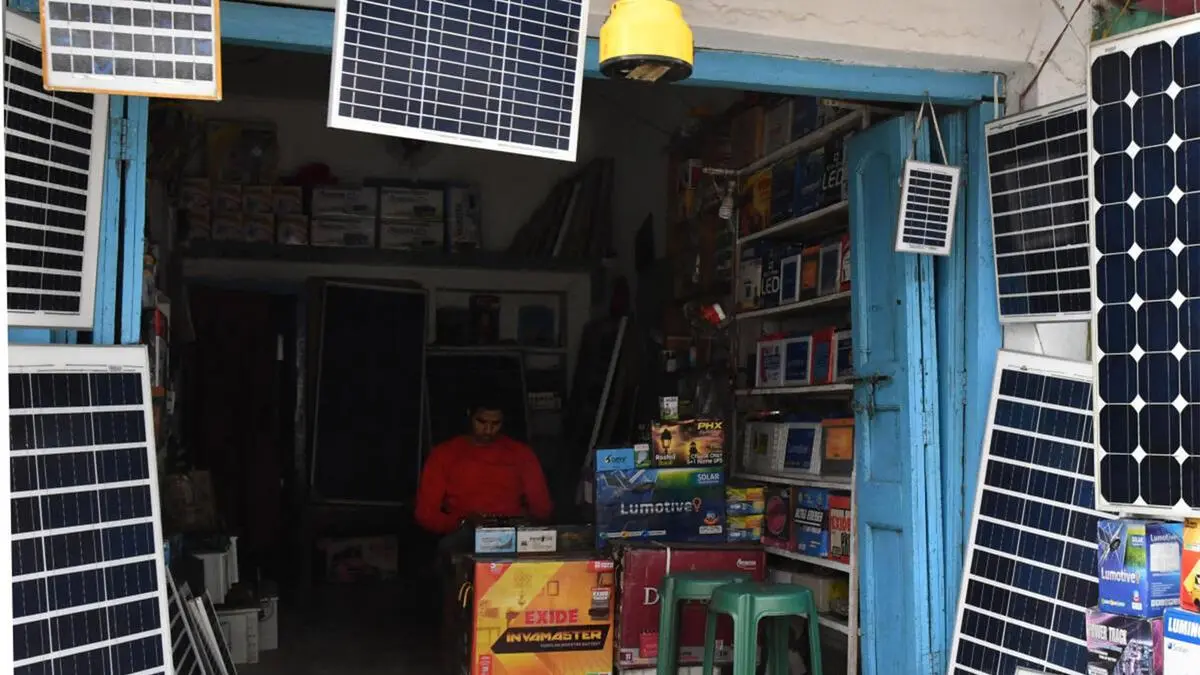
Despite three major policy supports — protection from imports in the form of customs duties; incentives for manufacturing; and demand creation for locally produced goods in the form of ‘approved list of models and manufacturers’ (ALMM) — India continues to be dependent on China for solar manufacture.In 2025-26, when the ALMM-I — which mandated the use of India-made modules for government and government-supported solar plants — was operational, the import of cells for making those modules increased 37 per cent ($1.86 billion).Since June, ALMM-II is in force, mandating locally produced cells for government and government-aided solar plants; Indian manufacturers have to go a step deeper into the value chain and import wafers to make the cells.In addition, they have to import the machinery, almost entirely Chinese, which is the cheapest.Come ALMM-III in June 2028, when even wafers and ingots need to be produced locally for at least half of the country’s installations, Indian manufacturers would again have to approach China for the machinery and the basic raw material polysilicon.So, is the Indian solar manufacturing industry doomed to be in the vice grip of China? Chinese suppliers have the triple advantage of scale, heavy (and often hidden) subsidies, and the ability to absorb losses (in 2024, the Chinese solar manufacturing industry recorded loss of $60 billion; in the last quarter, leading Chinese companies like JinkoSolar, Trina Solar and Longi Green reported big losses).Clearly, it is near impossible to beat (or even meet) the Chinese on cost. However, there is a way out. India can (and should) research its way out of the Chinese bear hug.Solar manufacturing offers an incredibly large scope for R&D, both in process improvements and the development of new-generation solar cells — namely evolutionary R&D and revolutionary R&D.Under the former, there are numerous potential areas of research. Here is an indicative list: silver paste reduction, use of copper instead of silver (called copper metallisation), ultra-thin wafers, kerf-less wafer manufacturing (which cuts a couple of steps in the process), advanced texturing (to better capture light) and glass-glass modules.Likewise, under ‘revolutionary R&D’, one may count perovskite cells, perovskite-silicon tandem cells, perovskite-perovskite tandem cells, and thin-film cells (other than the dominant cadmium-telluride chemistry), among others.Even beyond perovskites, which are the Gen Z of solar, there are emerging areas like antimony chalcogenides and kesterites. These are earth-abundant materials, whose efficiencies are low today but... who knows... with research they can become a major competitor to silicon. These are the areas where India can potentially leapfrog China.R&D spendAccording to the R&D portal of the Ministry of New and Renewable Energy, ₹111 crore was invested towards research in renewable energy — not just solar — since 2017. That is roughly ₹10 crore a year.However, that may not mean only that much was spent. The portal lists five key ongoing projects. The estimated cost of these projects, spread over 3-5 years, is ₹187.56 crore.Again, more projects are possibly funded under the government’s Anusandhan National Research Foundation (ANRF) scheme. The Technology Development Board, which receives support from ANRF, has approved 22 projects worth ₹4,744 crore, some of which could be solar-related. And the private sector does its own funding, although it is truly not much. Whether this level of funding is enough is a matter of perception but, clearly, solar manufacturing in India can benefit a lot from increased R&D spends.Where can the money come from?Back-of-the-envelope calculation shows that at 20-plus per cent customs duty on imported cells, the government could be earning around ₹7,000 crore in the current year.Customs duties, as is known, are meant for revenue-raising; they are instruments of protection for the domestic industry.The government could earmark, say, a third of the revenue from the duties on imported solar products to fund basic solar research — ₹1,500–2,000 crore annually.Why should the government spend?Fundamental research in photovoltaic materials and manufacturing processes — typically up to technology readiness level (TRL) 3 or 4 — is a classic public good. At this stage, the technologies are too immature and commercial risks too high for individual companies to invest at scale.Once a technology has been demonstrated, however, industry is better placed to take it through pilot production, scale-up and commercialisation. Public funding, therefore, should focus on bridging the early stages of innovation, leaving the market to take over once commercial viability is in sight. The government is not subsidising the industry — it is subsidising knowledge-gathering.There is some smart research on in India. For example, Prof. Dinesh Kabra of IIT-Bombay has developed a perovskite tandem cell whose efficiency approaches an incredible 30 per cent. Such technologies dazzle in labs, but face challenges when scaling up to commercial levels; most fall and die in the ‘valley of death’ — a chasm between laboratory proof-of-concept and commercial-scale manufacturing, which R&D can help bridge.Published on August 3, 2026
Time to R&D a way out of solar imports
Explore India's potential to enhance solar manufacturing through innovative R&D, reducing reliance on imports and advancing technology.
798 words~4 min read