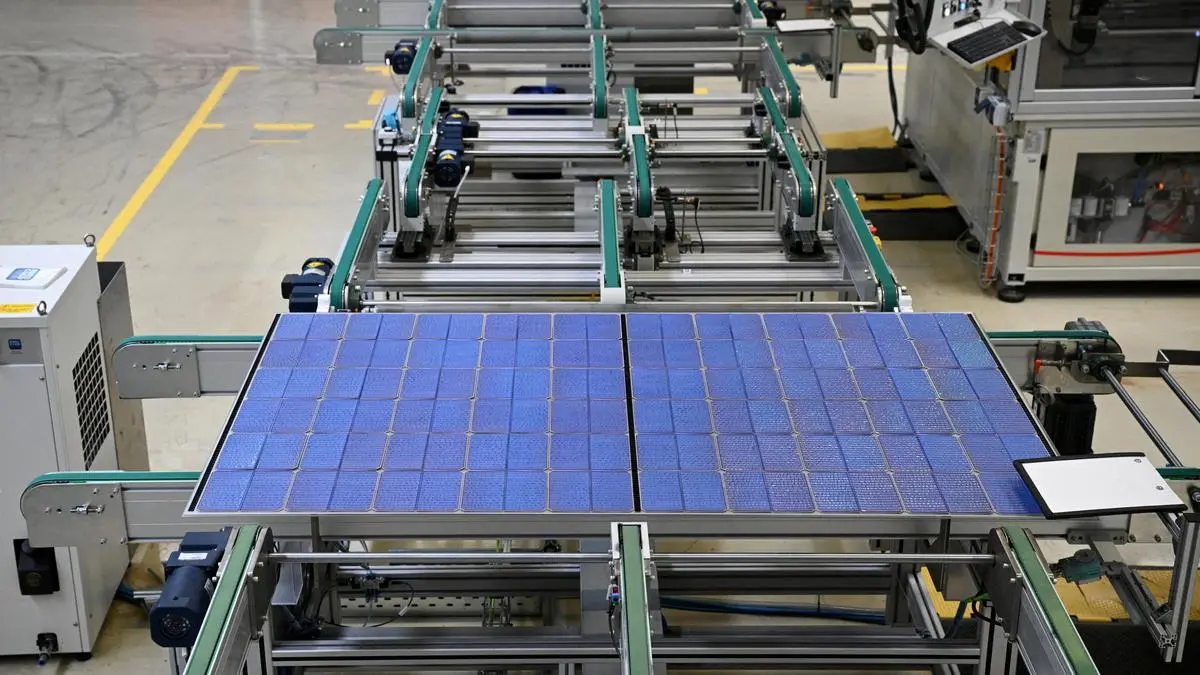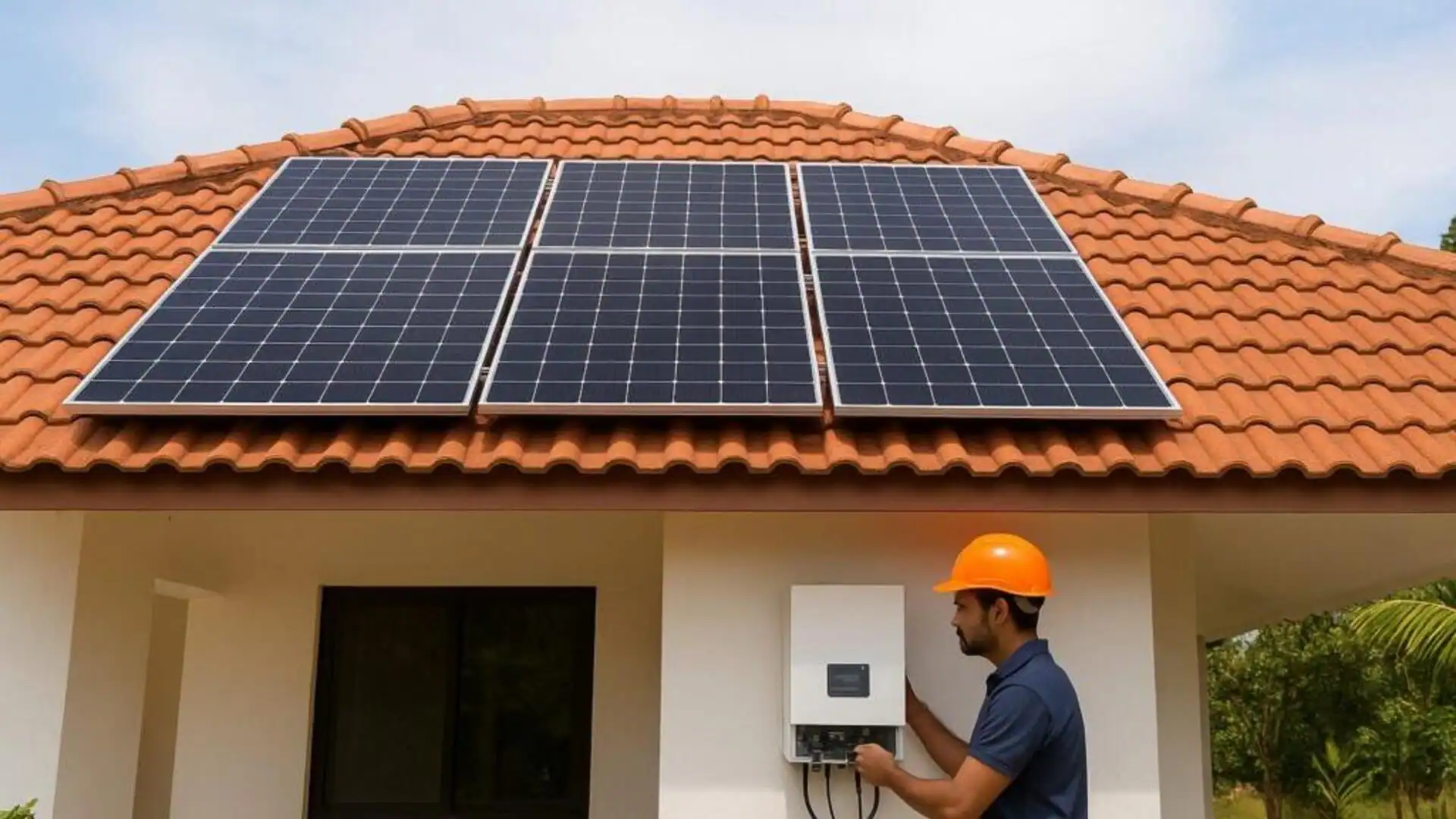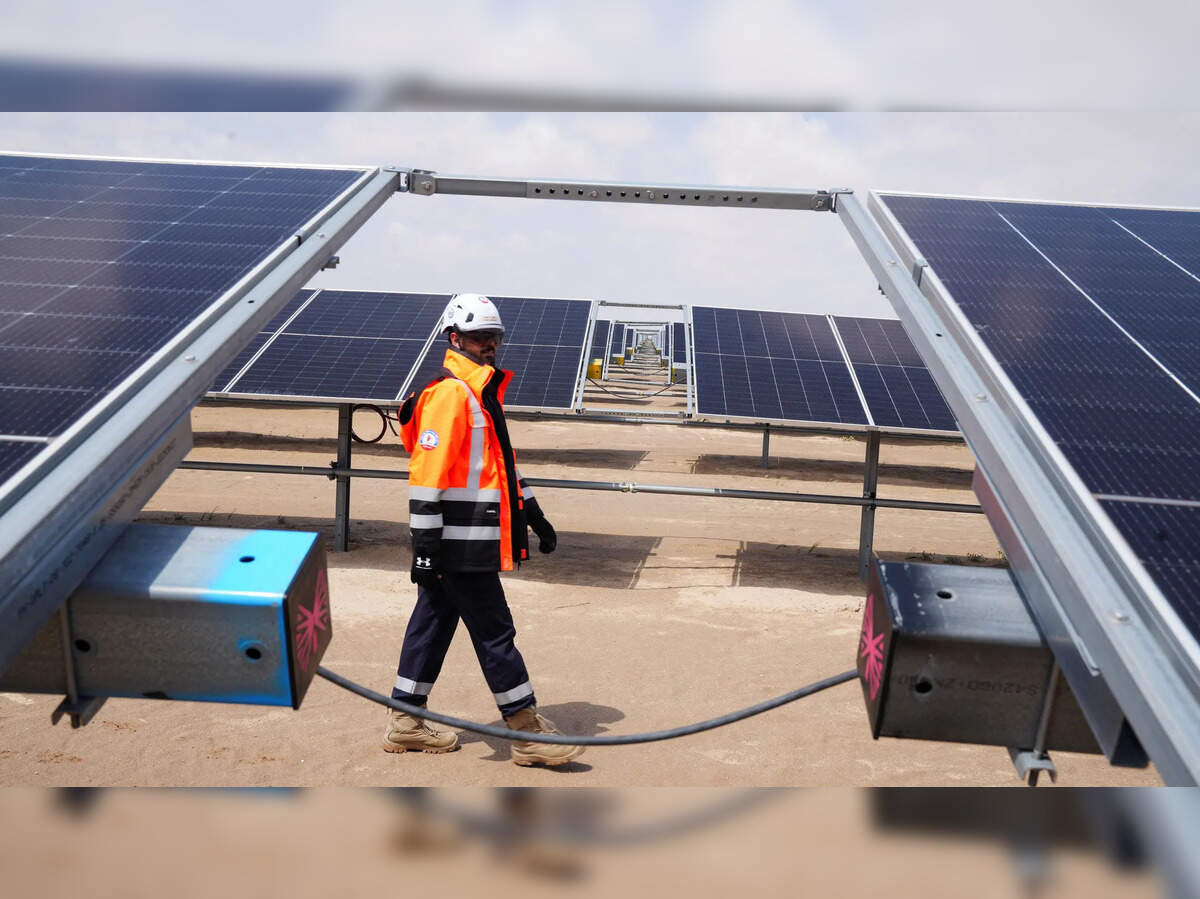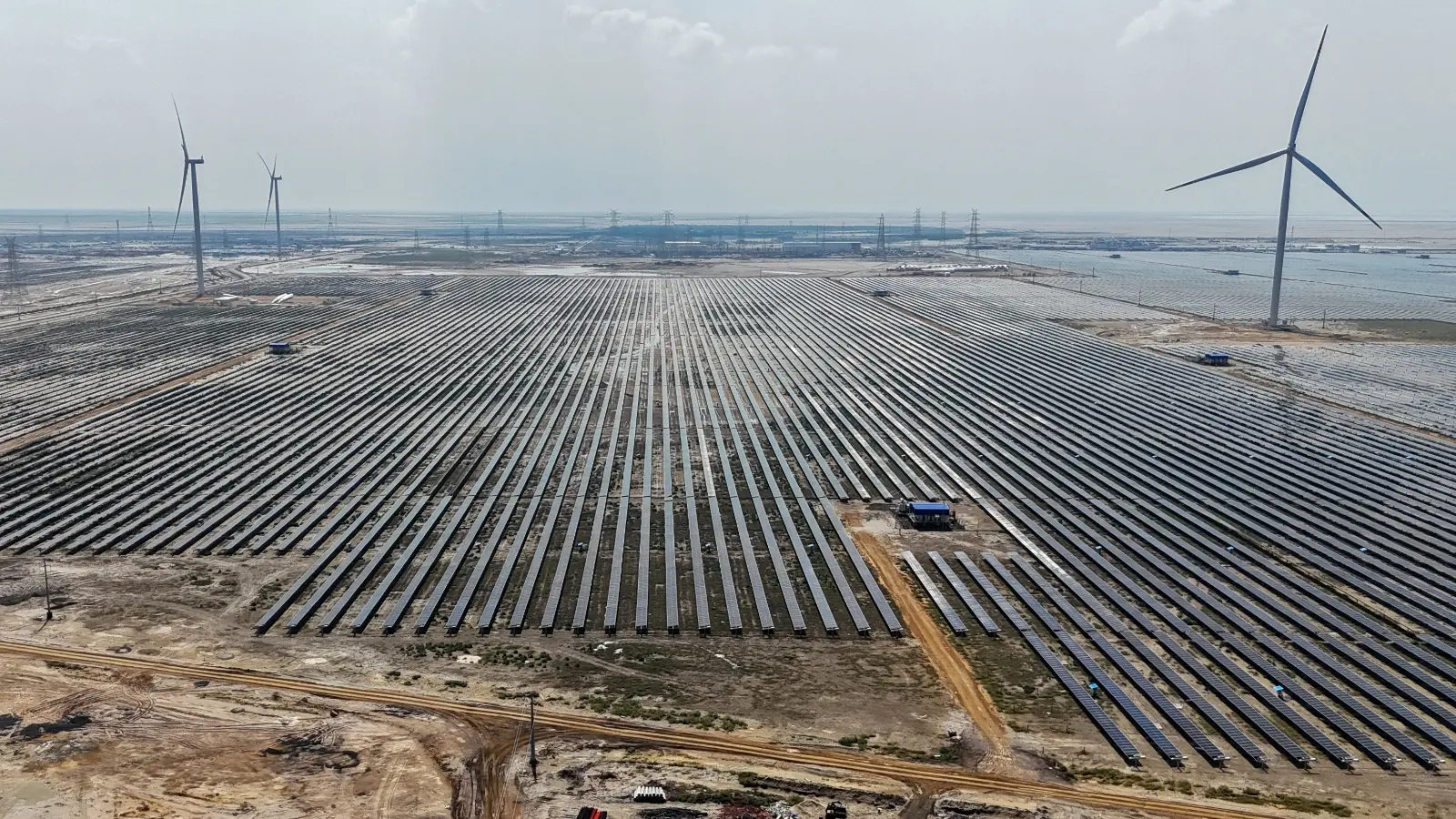
SynopsisIn a bold move to elevate its energy self-sufficiency, India is ramping up efforts to develop its environmental capabilities. The ALMM scheme is at the forefront, incentivizing domestic production of solar equipment, thereby decreasing dependency on international sources. A commitment to timeliness within this initiative reflects a stable regulatory environment.Building domestic capacity to underwrite the twin needs of energy security and decarbonisation has become more critical than ever, especially with the West Asia crisis dragging on. In plain English - we have to make things better for ourselves in energy-environment terms to live better. That GoI recognises this is evident from its recent decision to keep to the June 1 timeline for Approved List of Models and Manufacturers (ALMM) 2 scheme for solar cells.At the core of the scheme is the idea of building industrial manufacturing capability creating a self-reliant supply chain that limits the country's exposure to externalities. It is about leveraging public funds and programmes to create this industrial backbone by requiring public and government-backed projects to use solar equipment from approved, India-based facilities. A non-tariff barrier, it creates space for local manufacturers. The first phase of ALMM is focused on solar modules, while phase 2's on solar cells. That GoI is sticking to the timeline is good. It demonstrates predictability of regulations, something still in short supply in this neck of the woods and an investment turn-off. Building an industrial backbone for solar industry is important for energy and environmental security.GoI recognises the need for limited flexibility to acknowledge the need to protect investments in projects that haven't been completed due to factors beyond the developers' control. Efforts to strengthen transmissions systems and address transmission bottlenecks - land acquisition and financial closure, for instance - need to keep pace with build-out of solar sector manufacturing. Without improvement in solar energy uptake, the push for solar manufacturing will likely run out of steam. ...moreElevate your knowledge and leadership skills at a cost cheaper than your daily tea.Subscribe Now
Solar June Sunshine can be a relief - The Economic Times
In a bold move to elevate its energy self-sufficiency, India is ramping up efforts to develop its environmental capabilities. The ALMM scheme is at the forefront, incentivizing domestic production of solar equipment, thereby decreasing dependency on international sources. A commitment to timeliness within this initiative reflects a stable regulatory environment.
TL;DRAI
India kept the June 1 ALMM phase 2 deadline, mandating public solar projects to source cells from approved domestic manufacturers. Regulatory consistency on supply chain policy lowers risk for firms weighing solar manufacturing capex in India.
330 words~2 min read