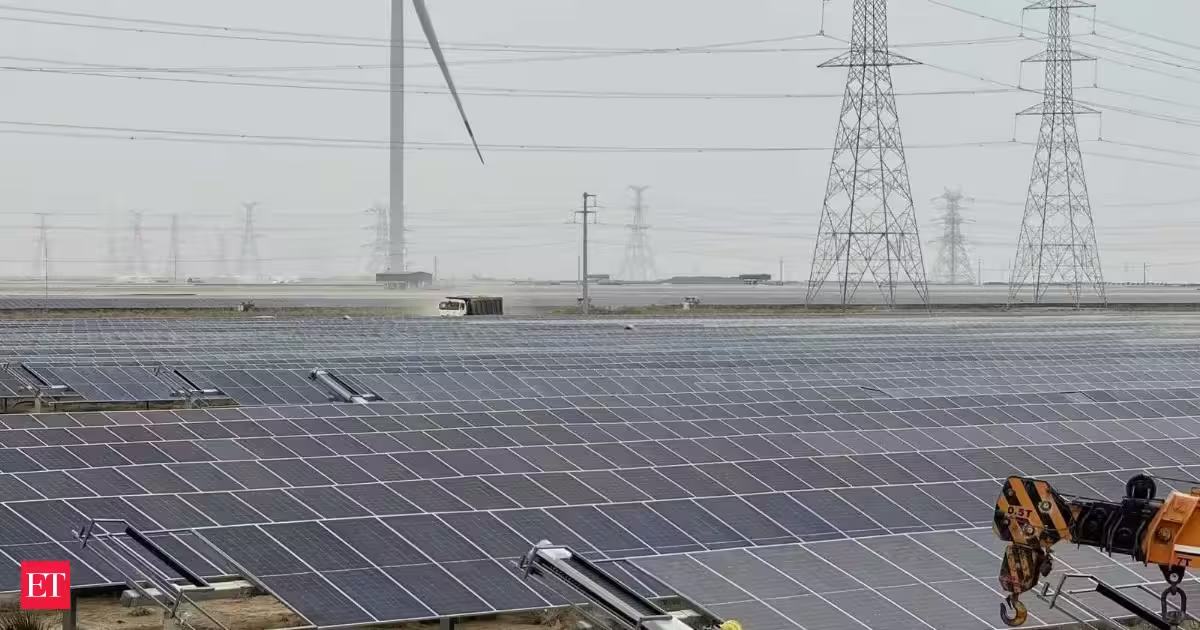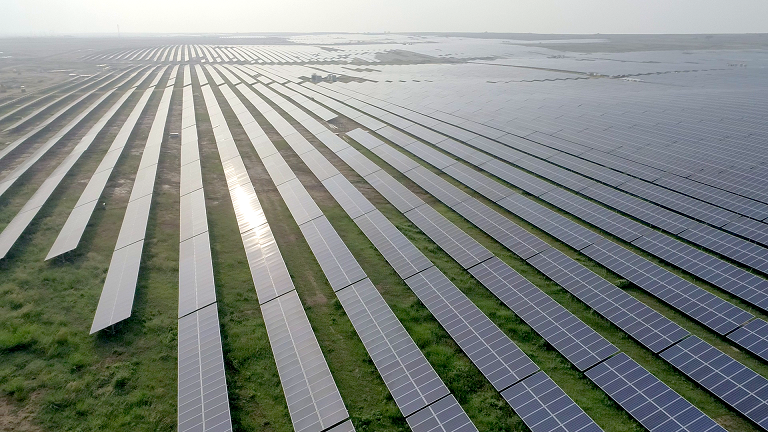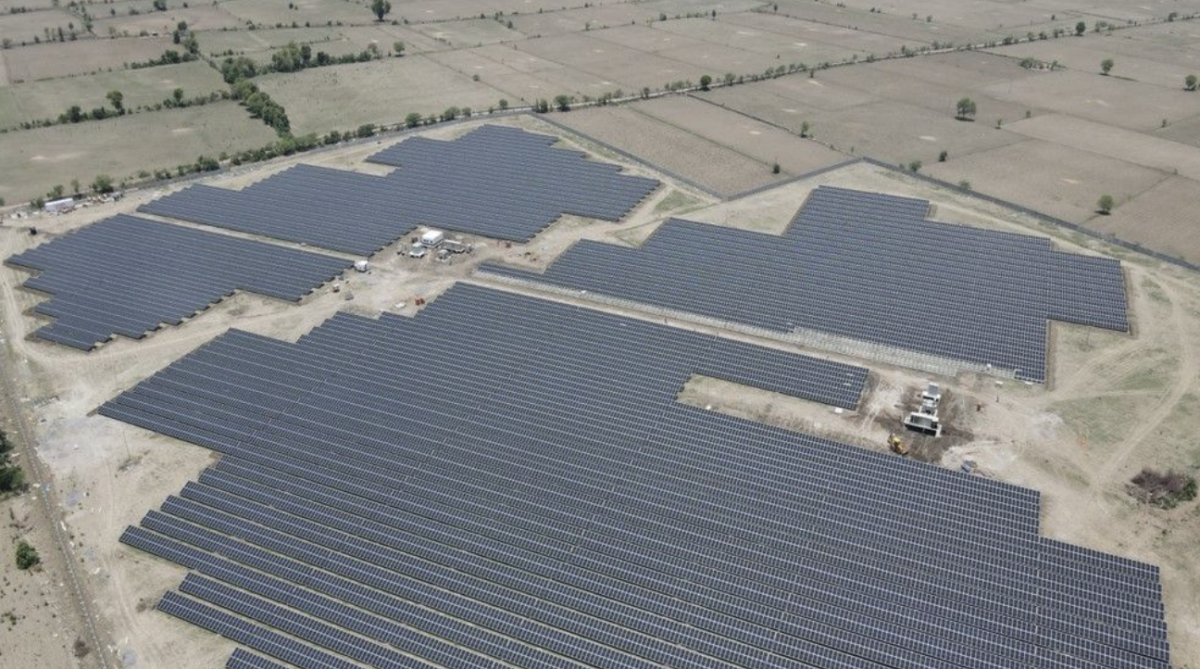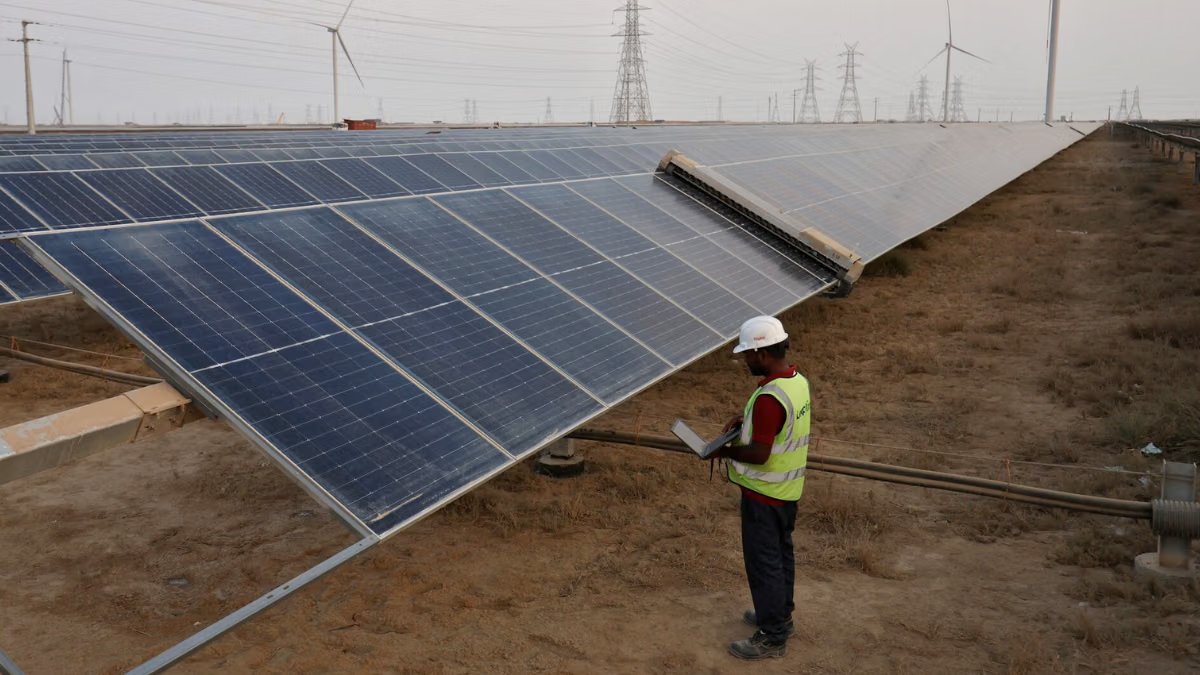
India now ranks third globally on installed renewable energy capacity. As of December 2025, installed capacity stood at 250 GW. In FY2026, it added around 55 GW of renewable capacity, of which 44.6 GW was solar, well above the 28.72 GW of renewable capacity and 23.8 GW of solar added in FY2025.
This raises two questions: what might explain these increases, and are they likely to continue?What might explain the growth?
While the exact reasons may not be known, we think that three policy features expedited project completion in the previous fiscal year. The first of these is the interstate transmission system (ISTS) waiver, which exempts renewable energy developers from paying ISTS charges. This meant that solar plants in (say) Rajasthan could supply electricity to consumers in (say) Delhi without paying the transmission costs. The full waiver ended in June 2025, after which it is expected to be reduced by 25 per cent each year over the next four years. As a result, developers were incentivised to commission projects before the deadline to lock in lower transmission costs.
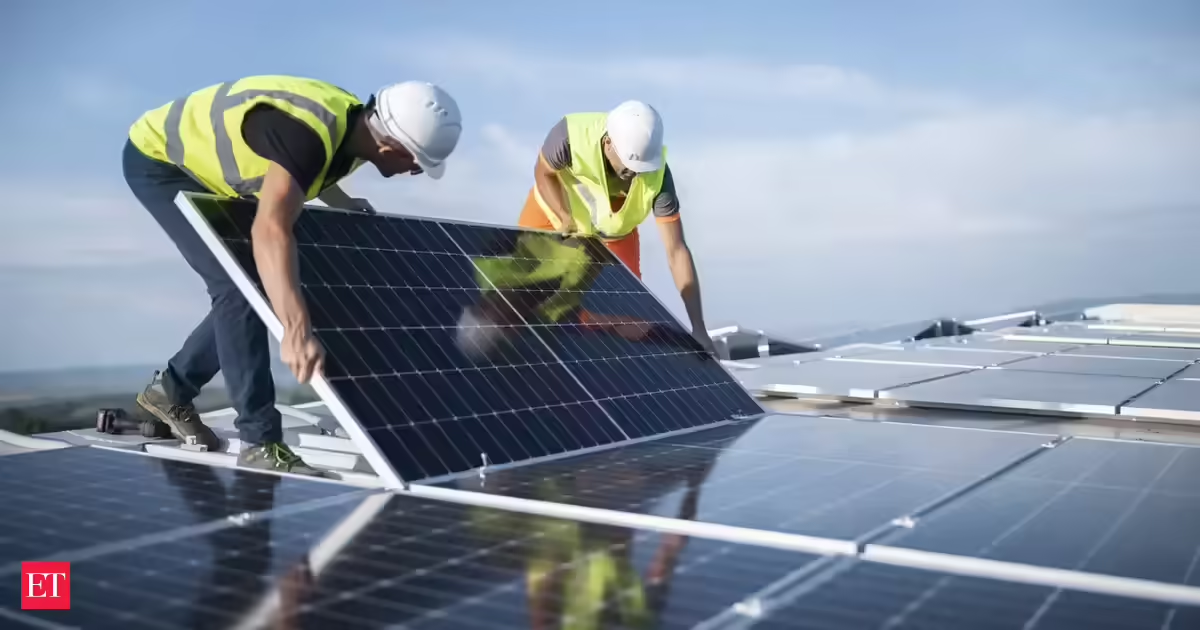
A second important feature of the policy landscape is the Approved List of Models and Manufacturers (ALMM) framework, which specifies the solar module and cell manufacturers approved by the Ministry of New and Renewable Energy for use in solar projects in India. The first list was published in 2021, and the second came into force in June 2026, raising concerns regarding the availability of domestic cells and a potential increase in procurement costs for developers. Anticipation of these requirements could have led to a spurt in completion rates in previous years, although the government has since extended the compliance deadline to 31 December 2026 for certain categories of projects.A third reason is the state-driven push under the PM Surya Ghar Yojana, which provides incentives for residential rooftop solar installations. In FY2026, PM Surya Ghar contributed 8.7 GW in installed capacity.