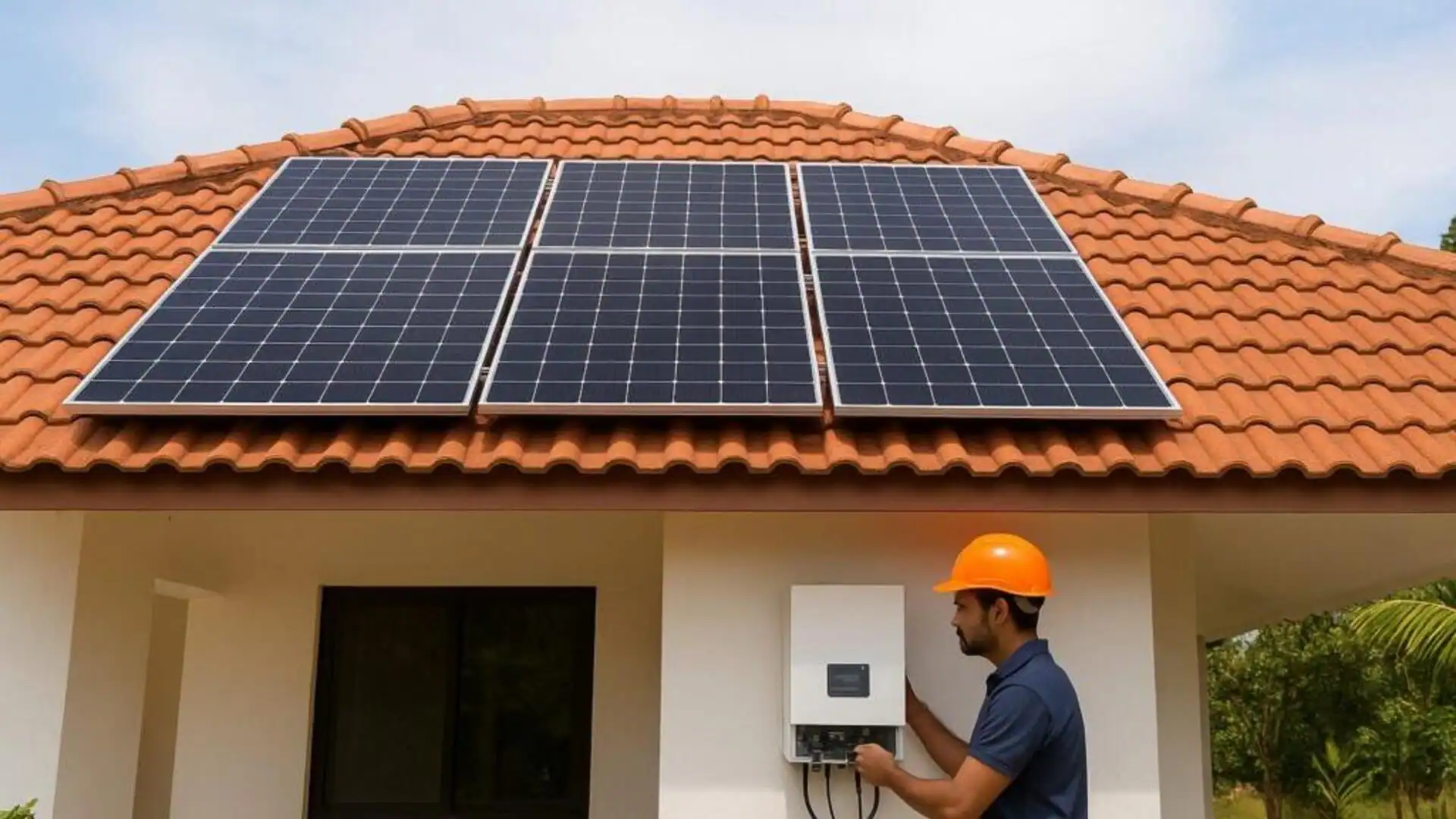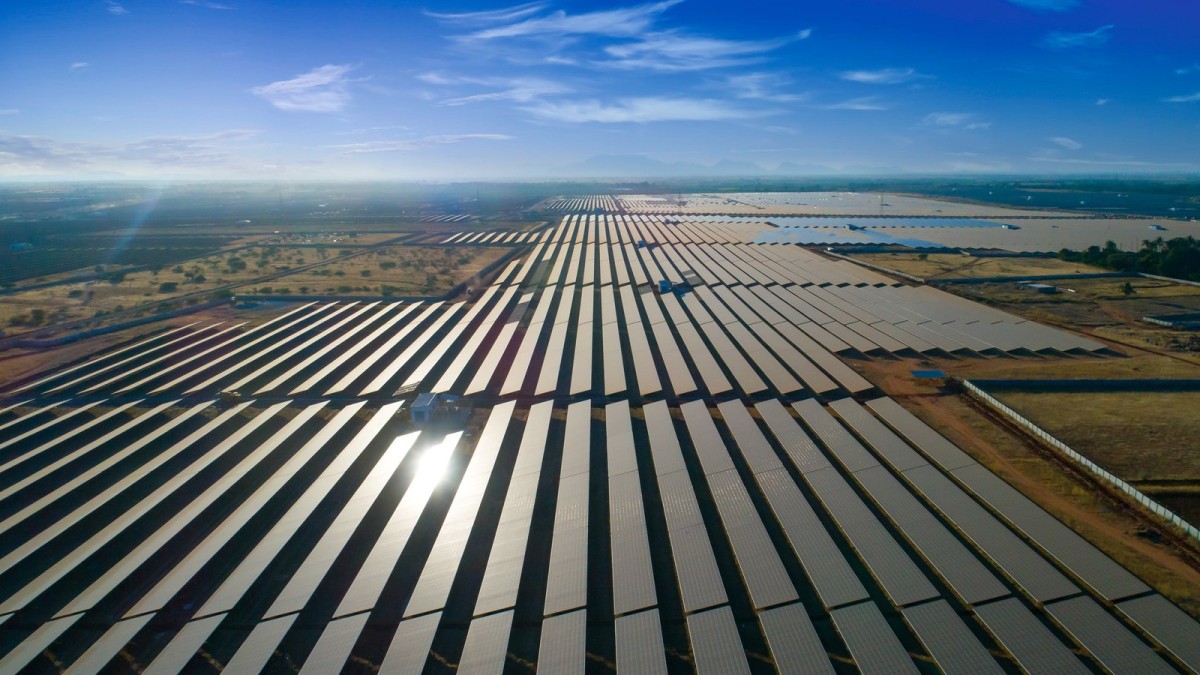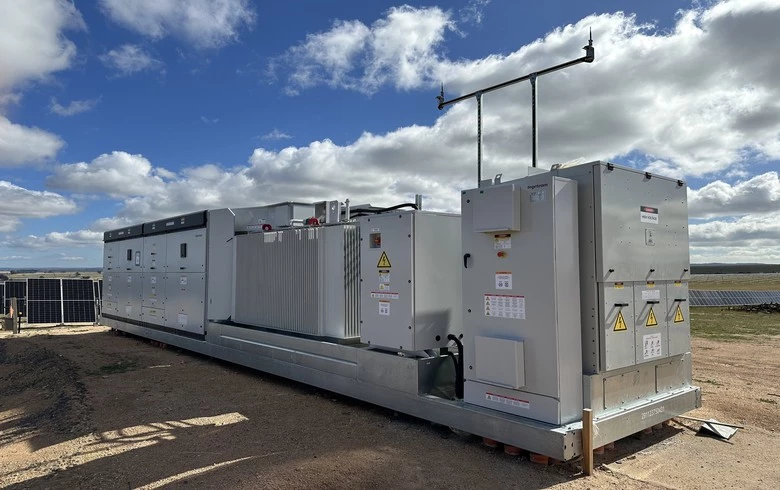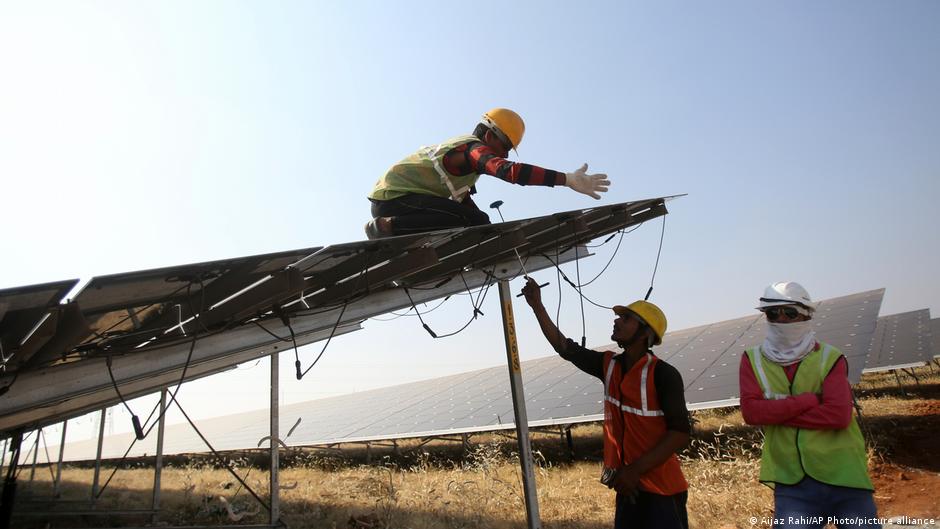
In December 2025, Italy awarded more than 1.1 gigawatts of solar capacity across 88 projects in the country's first auction restricted exclusively to projects built without Chinese-manufactured equipment.
The winning bids averaged €66.38 ($75.80) per megawatt hour, 17% above the price set in an unrestricted renewable auction held in 2025, according to data from Italy's electricity services agency, GSE.
It was a deliberate premium, paid to buy solar hardware from anywhere other than China. But with more than 90% of solar modules installed in the European Union still imported from China , the auction exposed just how thin Europe's alternatives really are.
China still produces more than 80% of the world's solar components, dominating every stage of the value chain from polysilicon to finished modules. That scale has delivered affordable panels to the world, but it has also left the governments in Brussels and New Delhi increasingly uneasy about relying so heavily on a single supplier.
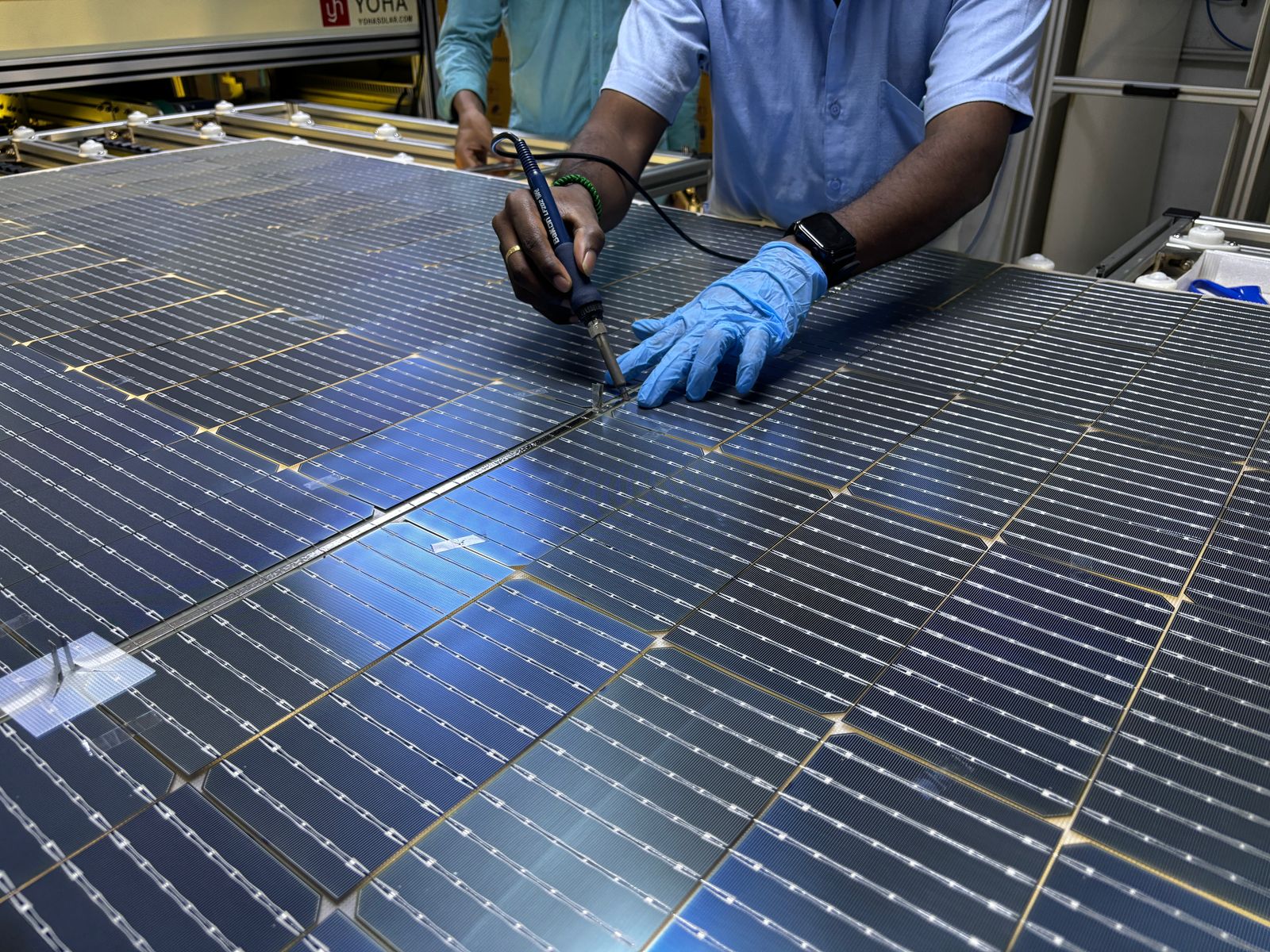
"China is present in almost every global solar supply chain," Ajay Srivastava, founder of the Global Trade Research Initiative, told DW. Even panels assembled in India or Vietnam, he said, typically rely on Chinese-made cells, wafers or polysilicon further up the chain.EU's solar industry in crisis despite new 2040 climate goalsTo view this video please enable JavaScript, and consider upgrading to a web browser that supports HTML5 video