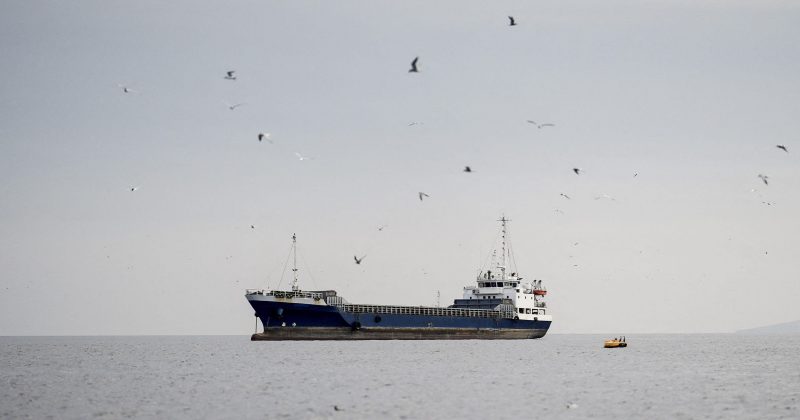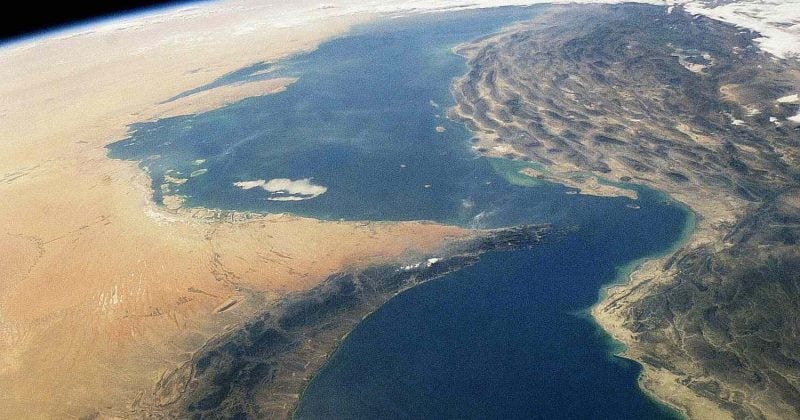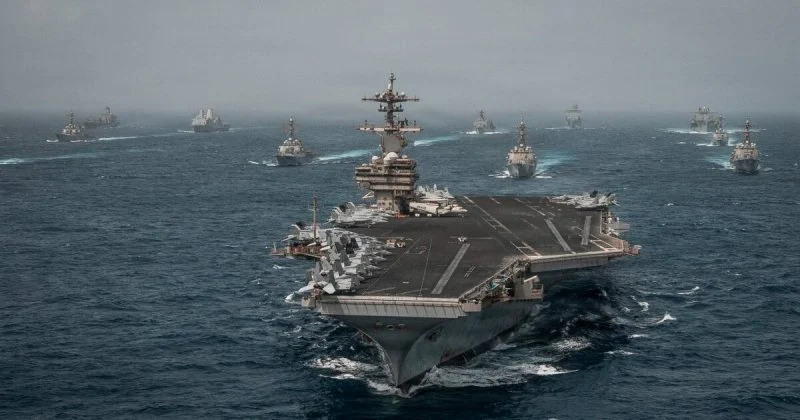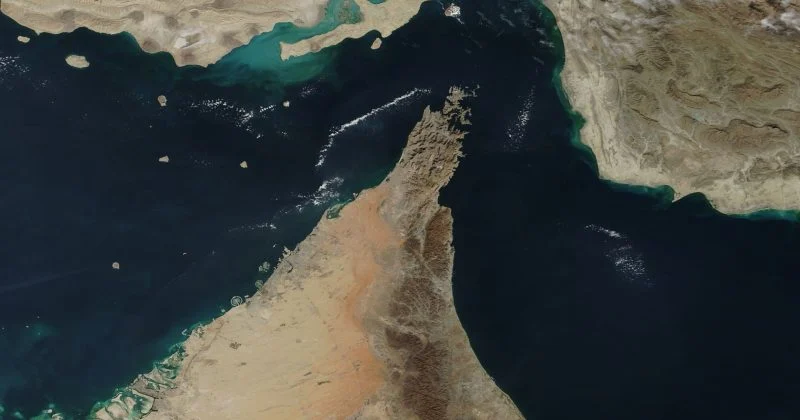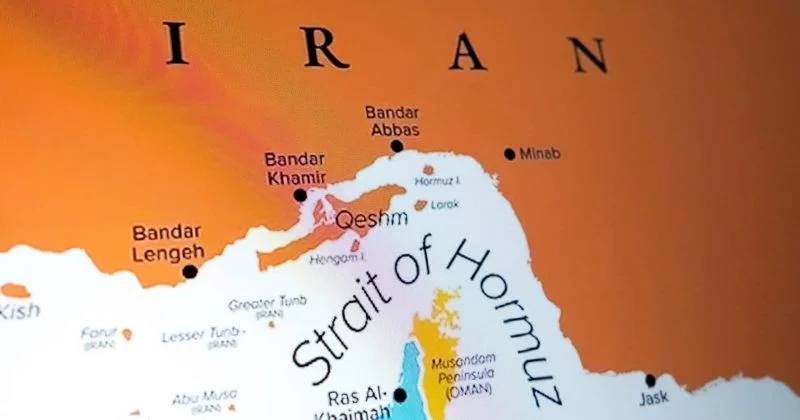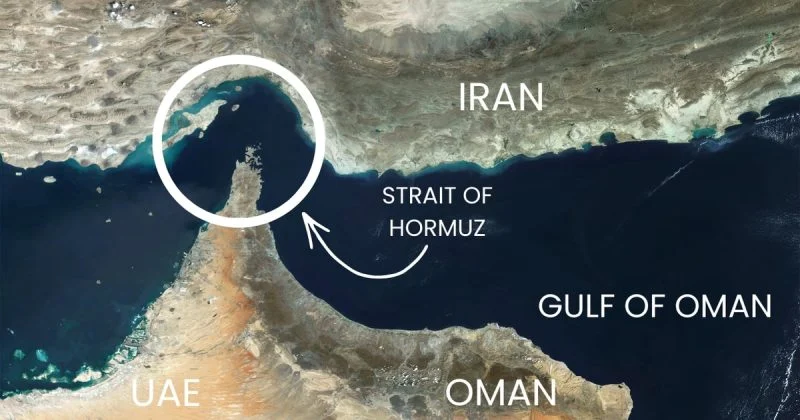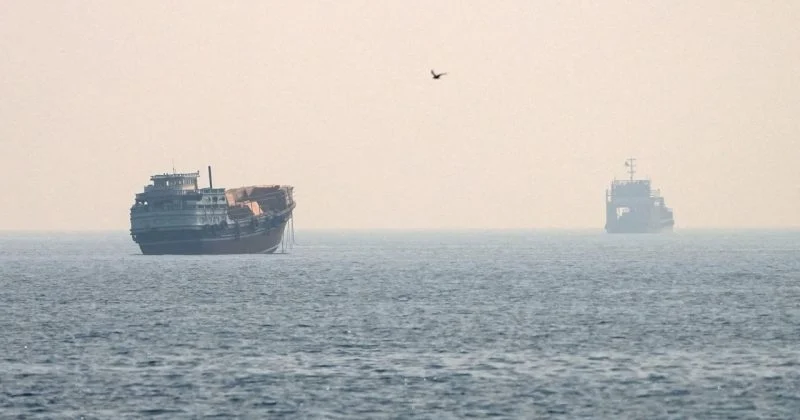
Iran has officially rejected pursuing negotiations with the United States and confirmed that the Strait of Hormuz remains closed, according to a report by Middle East Eye. The decision comes amid escalating tensions between the two countries, which have been involved in ongoing disputes over the strategic waterway and regional hostilities. The rejection of dialogue and continued blockade of Hormuz, a critical passage for global oil shipments, indicates a significant escalation in the conflict. This development follows a recent breakdown in indirect talks and a collapse of an interim ceasefire after renewed U.S. strikes on Iranian targets.
Key Takeaways
Iran’s refusal to negotiate and the continued closure of the Strait of Hormuz appears to suggest further escalation in U.S.-Iran tensions.
Current market pricing reflects a 25% decrease in the likelihood of the U.S. announcing an end to the Iranian blockade by July 31, with the odds now at 11% YES.
The prolonged closure of Hormuz is consistent with scenarios where diplomatic channels remain stalled, impacting regional and global trade dynamics.