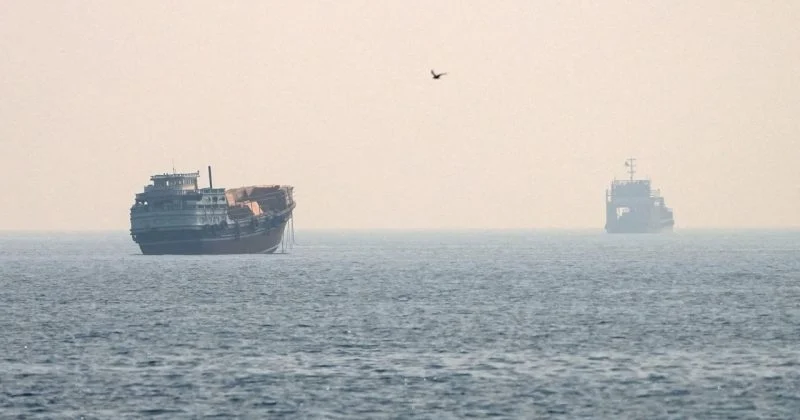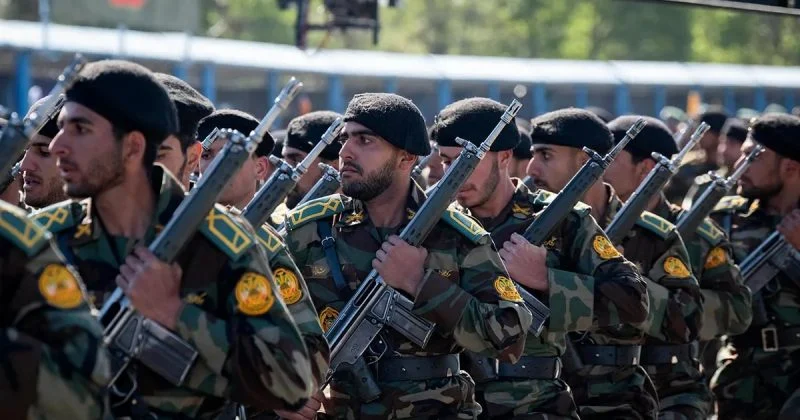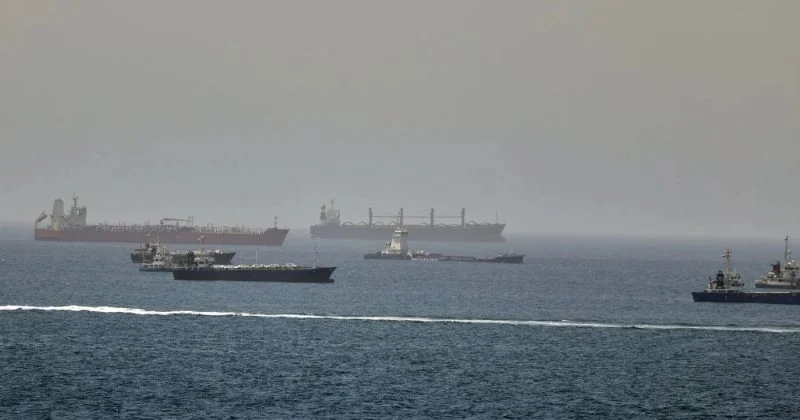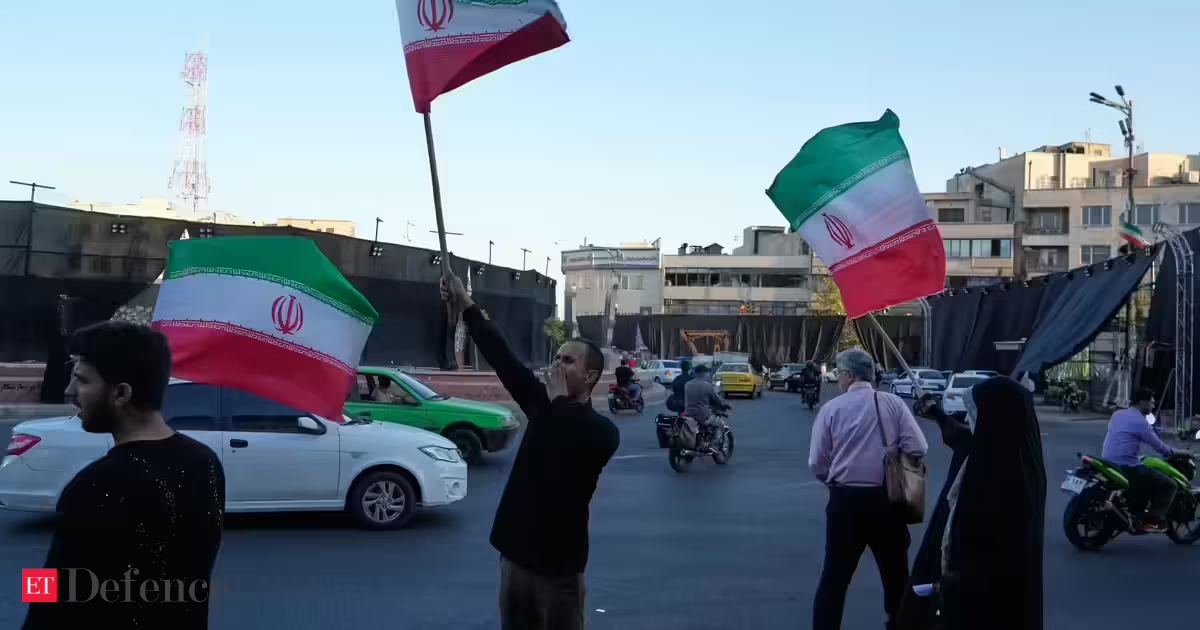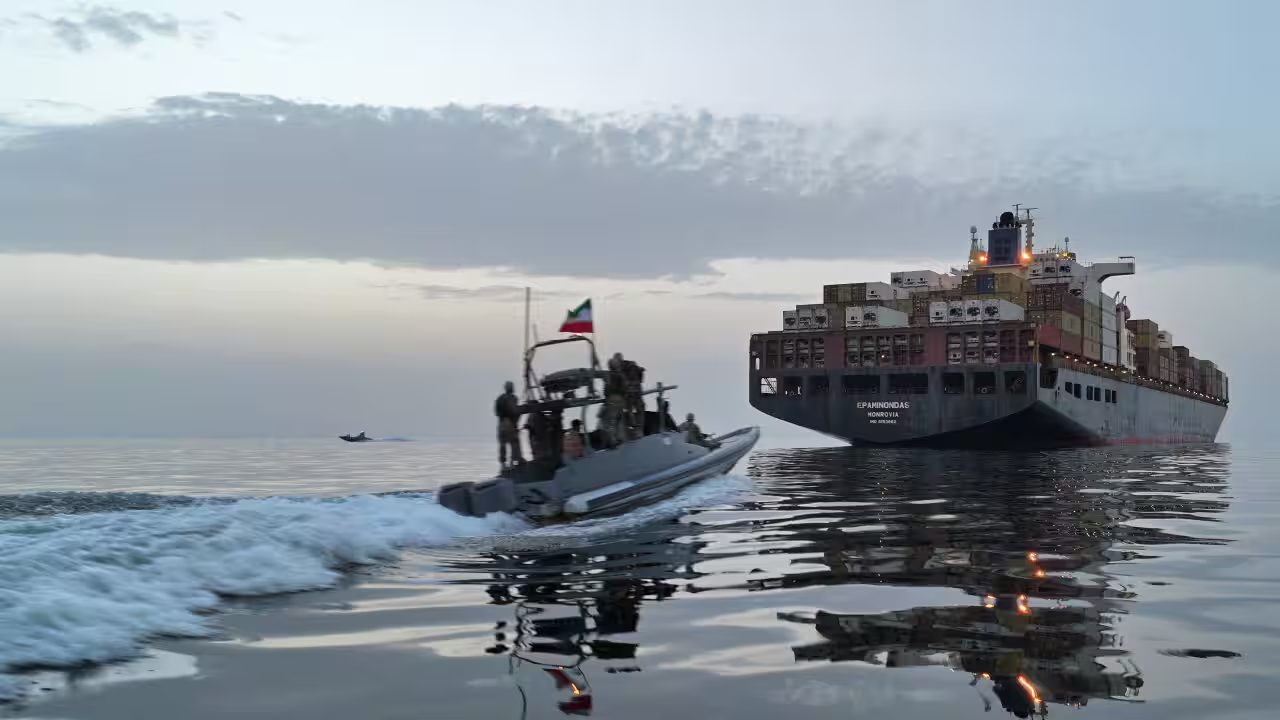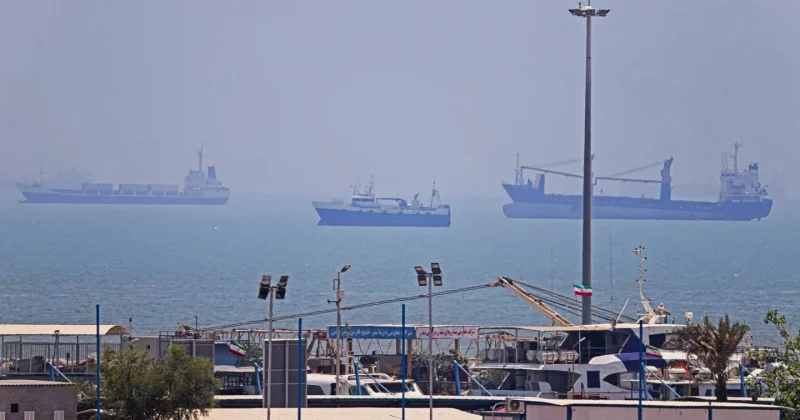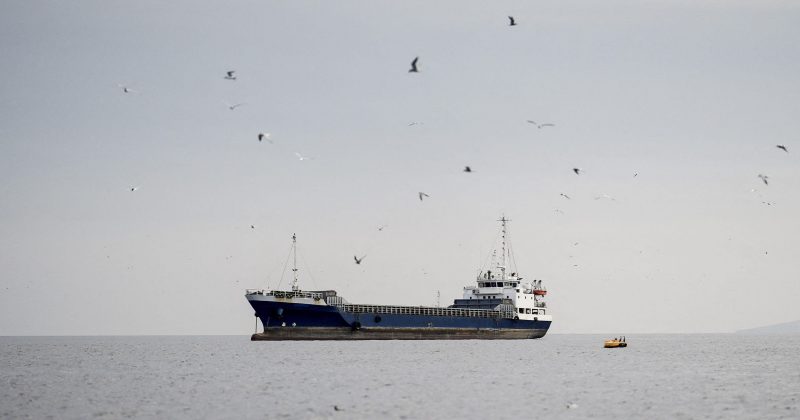
Tehran has announced its refusal to initiate peace talks amidst ongoing military tensions with the United States over the Strait of Hormuz, a critical chokepoint for global oil shipments. The collapse of the June 17 interim ceasefire between the U.S. and Iran, following Iranian attacks on commercial vessels and U.S. retaliatory strikes, has led to an escalation of hostilities in the region. The U.S. insists on keeping the Strait open for global trade, while Iran asserts its sovereignty over the waterway, tightening military control. Markets are interpreting this as a potential continuation of the blockade, reflected in decreasing odds for an end to the blockade by mid-August.
Key Takeaways
Tehran’s refusal to seek talks suggests a continued strategic escalation, impacting the likelihood of the blockade ending soon.
The odds for the U.S. announcing the end of the blockade by August 15 are currently at 37.5% YES, indicative of market skepticism.
The ongoing military pressure from the U.S., including sanctions and strikes, appears consistent with a scenario where the blockade persists.