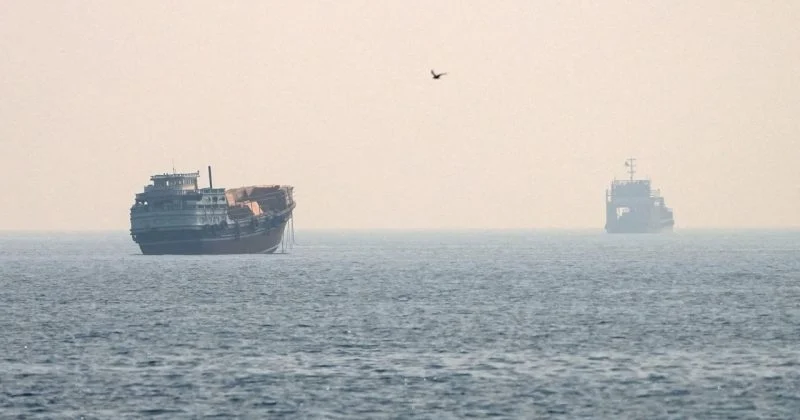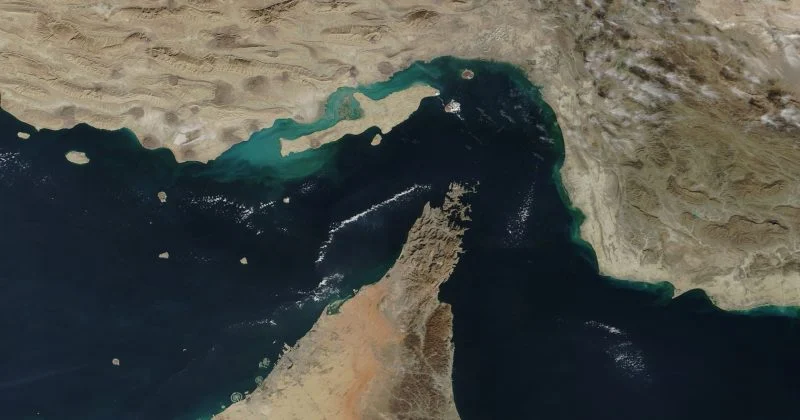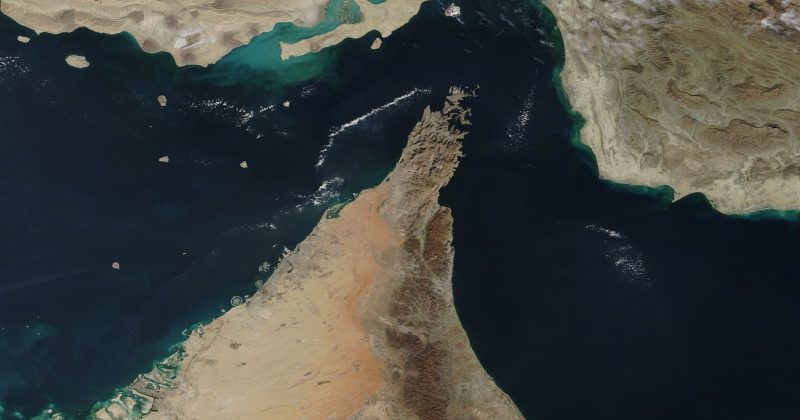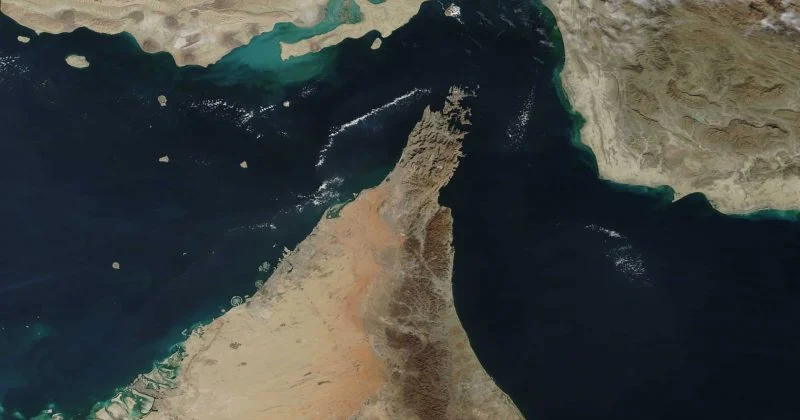
Iran has announced that the Strait of Hormuz will remain blocked until the United States accepts its conditions, further escalating tensions between the two nations. This development comes as formal peace talks remain stalled, with no significant progress in negotiations. The strategic waterway, crucial for global oil shipments, saw only two vessels cross on Friday, with no crude shipments detected, according to data from Kpler. Meanwhile, U.S. President Donald Trump has addressed the American public, stating that the increased gasoline prices are a necessary consequence of confronting Iran, as prices at domestic pumps have risen 29% compared to the previous year.
Key Takeaways
Markets suggest a decrease in the likelihood of the U.S. ending the Iranian blockade by August 31, 2026, as Iran maintains its stance on blocking the Strait of Hormuz.
The odds for a U.S.-Iran agreement restoring normal traffic through the Strait by the end of August have also decreased, reflecting continued diplomatic deadlock and heightened geopolitical tensions.
Pricing indicates that commercial activity through the Strait of Hormuz is not expected to normalize shortly, with significant implications for global energy markets.