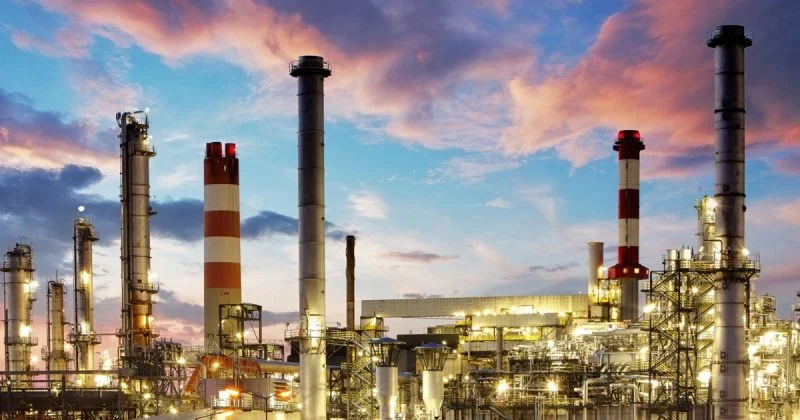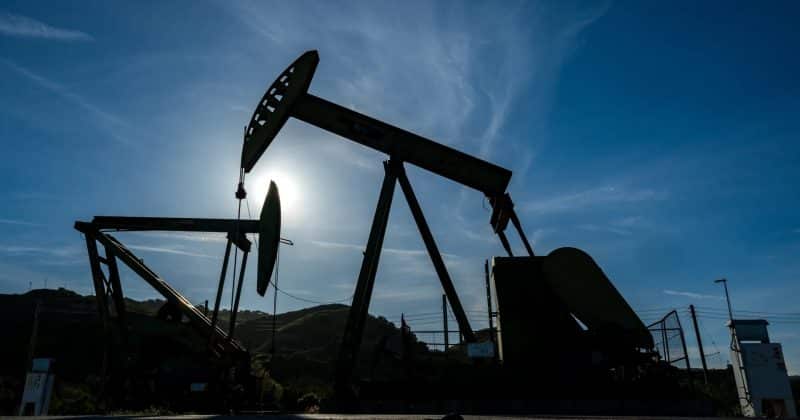
Brent crude crashed through the $90 floor on July 27, tumbling roughly 7.6% to around $89.43 per barrel after the US and Iran agreed to pause military strikes over the weekend. West Texas Intermediate followed suit, dropping approximately 6.7% to settle near $83 per barrel. US equity futures, predictably, loved every second of it.
The catalyst was straightforward: both sides stepped back from the brink. Reports of a mutual pause in hostilities emerged alongside renewed ceasefire talks, raising the possibility that the strategically critical Strait of Hormuz might reopen without further disruption.
What actually happened with oil
Brent crude spent chunks of earlier this year well above $100 per barrel during the worst phases of US-Iran tensions. Tanker attacks, military threats, and a revolving door of ceasefire negotiations dating back to March 2026 kept energy traders on a permanent edge.
A 7.6% single-day decline in Brent is not a normal Tuesday. It reflects a genuine repricing of geopolitical risk premium, the extra cost baked into every barrel because traders feared supply disruptions through the Strait of Hormuz, a chokepoint through which roughly a fifth of the world’s oil supply flows.