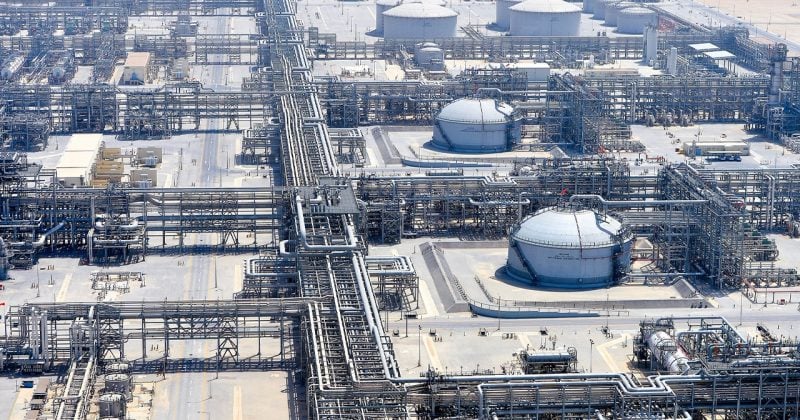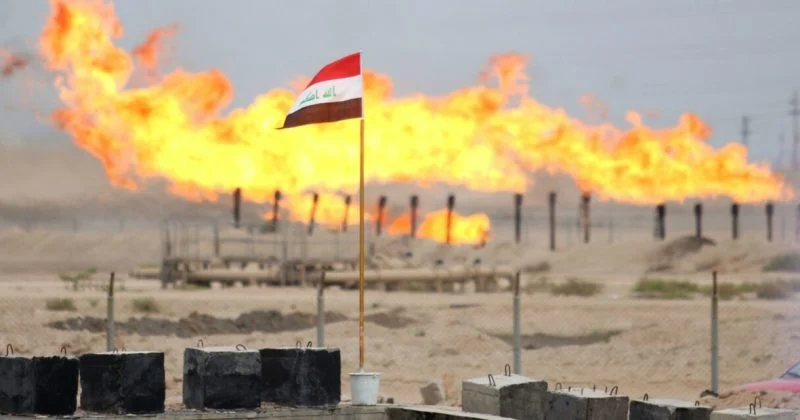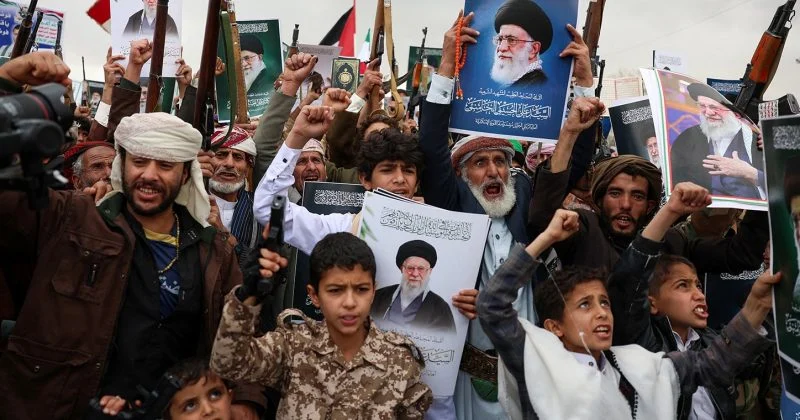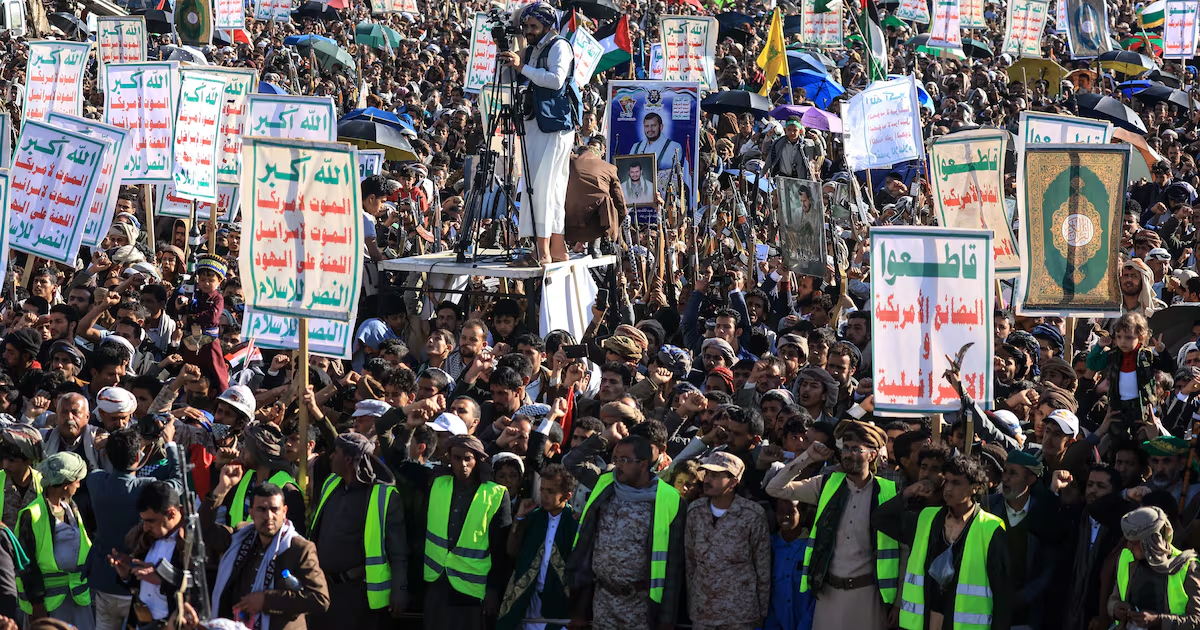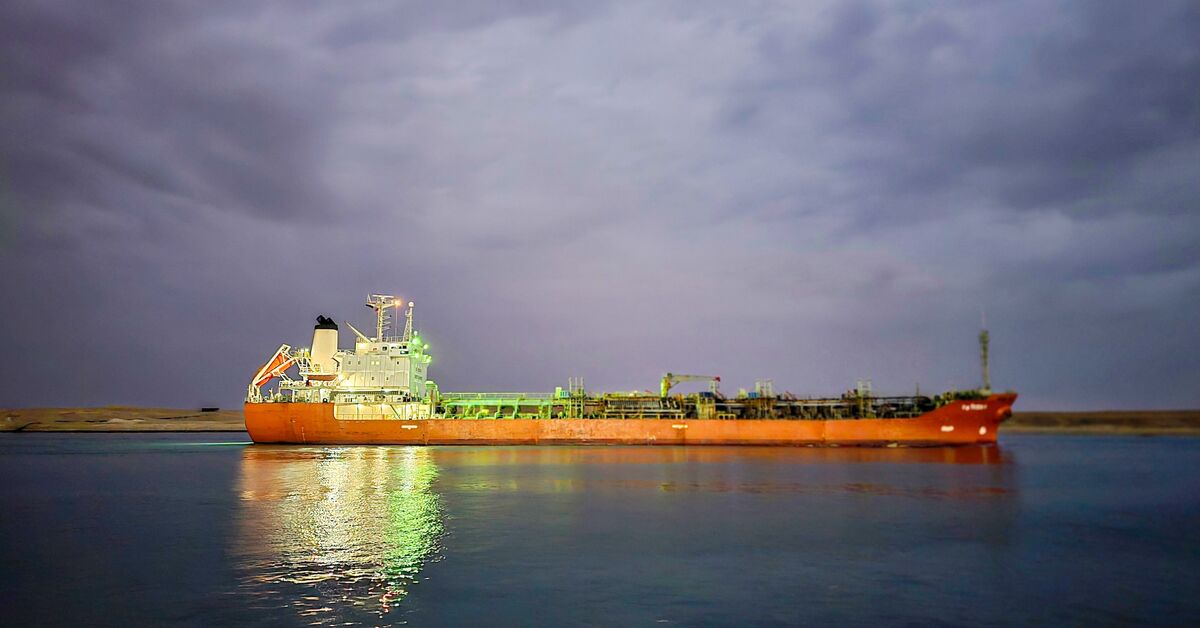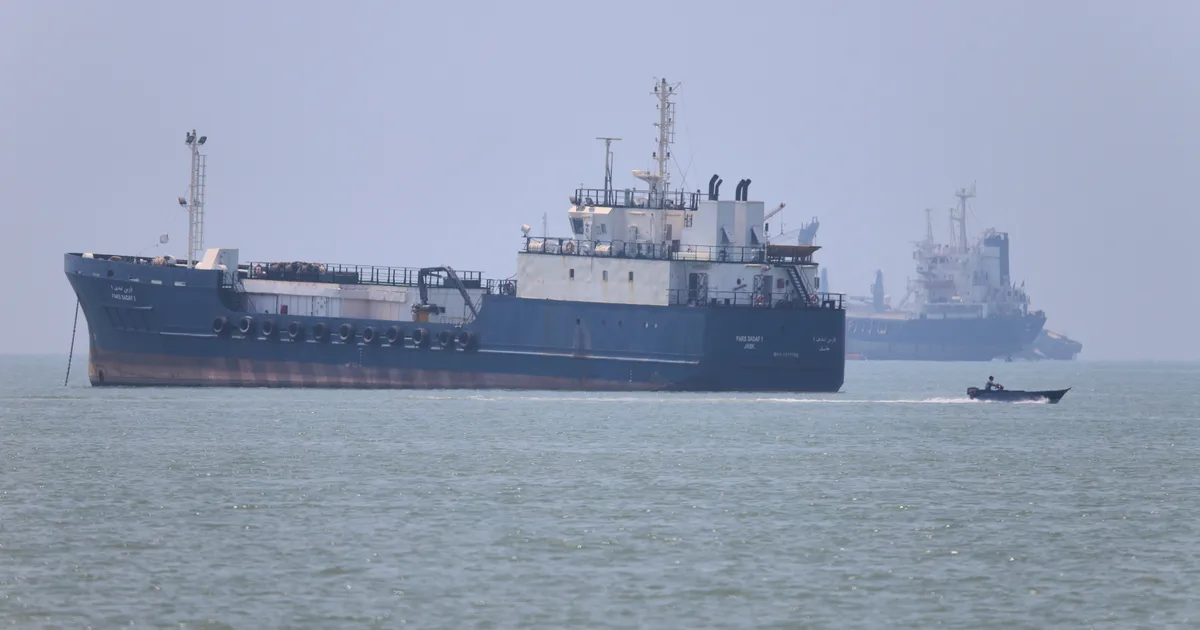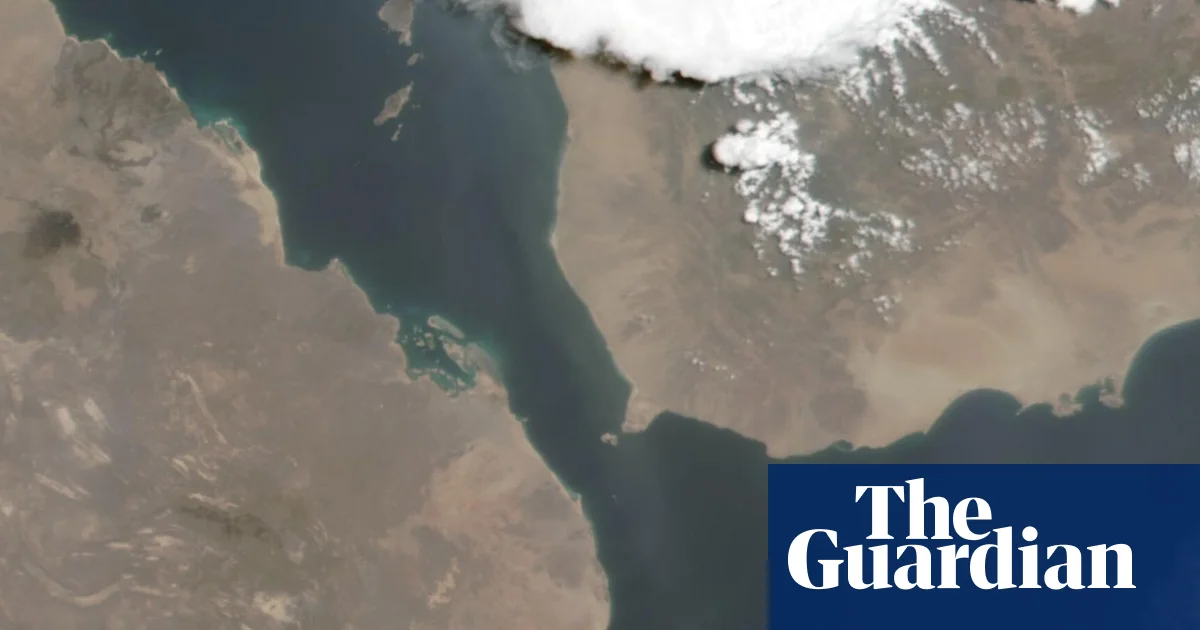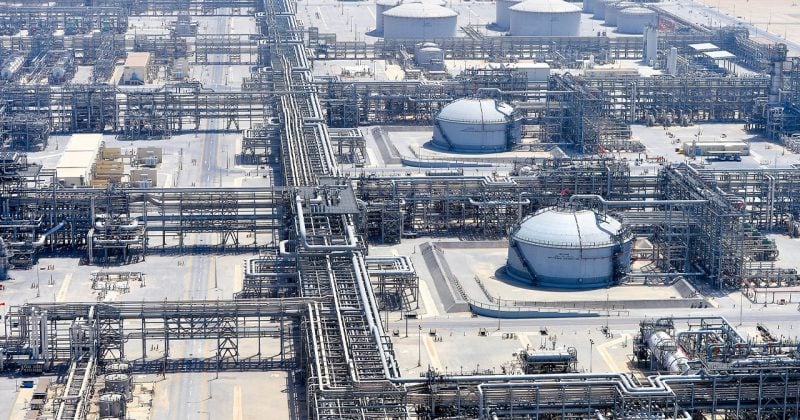
Tehran-aligned Houthi militants launched strikes against Saudi Aramco facilities, including installations at Jizan and Yanbu, on July 24-25. Smoke was reported billowing from the sites, raising immediate concerns about damage to fuel storage and refining operations at one of the world’s most critical energy producers.
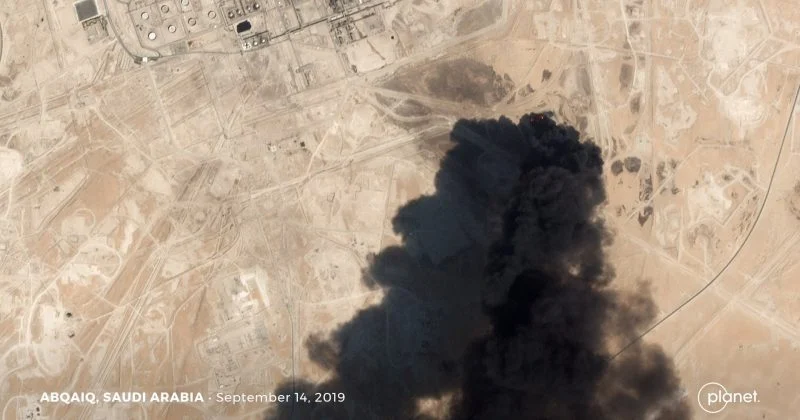
The Abqaiq facility, which processes roughly a tenth of global oil supply and was famously hit in a 2019 drone attack, was also referenced in the context of the current wave of Houthi aggression.
The conflict timeline and energy fallout
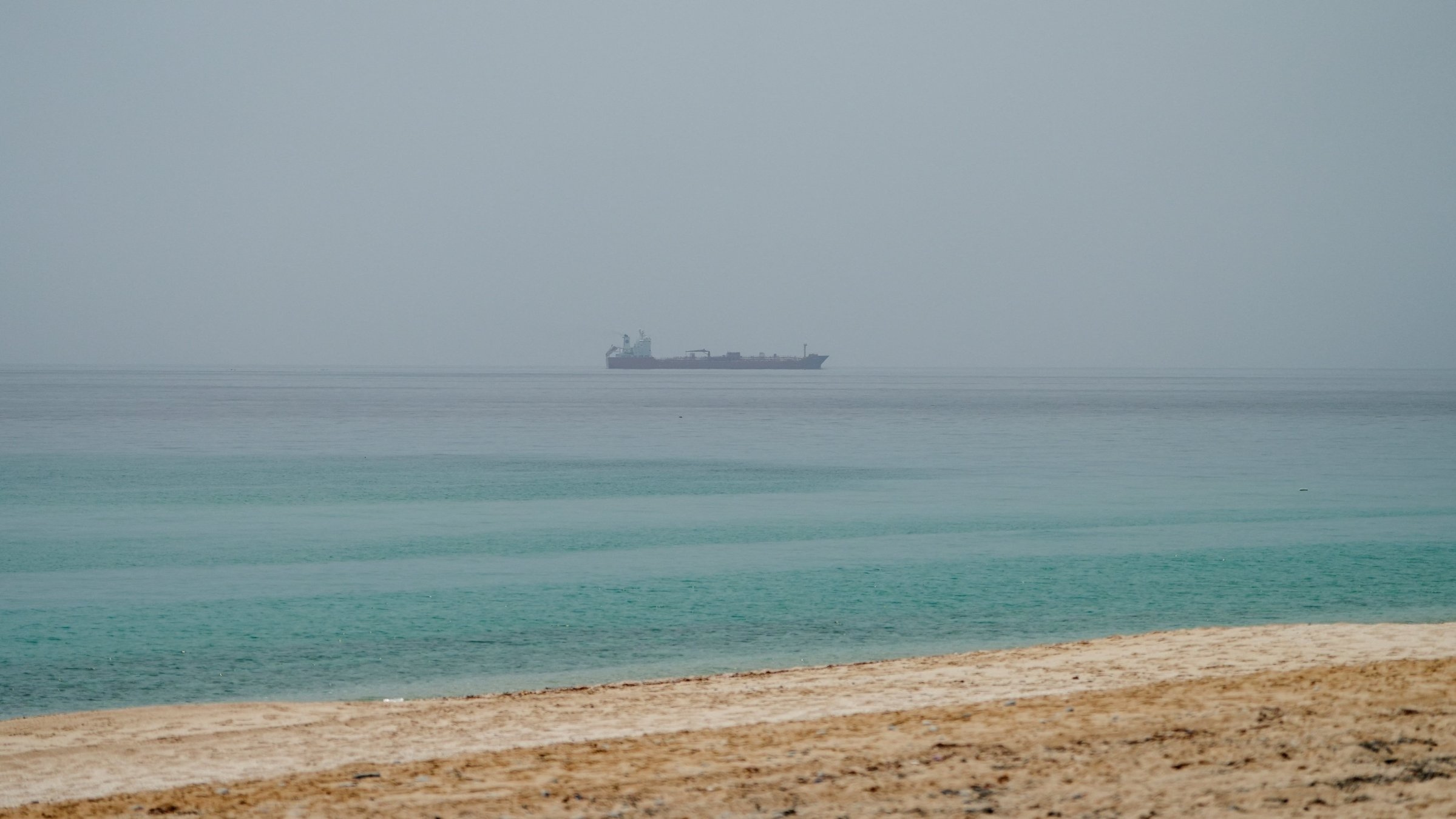
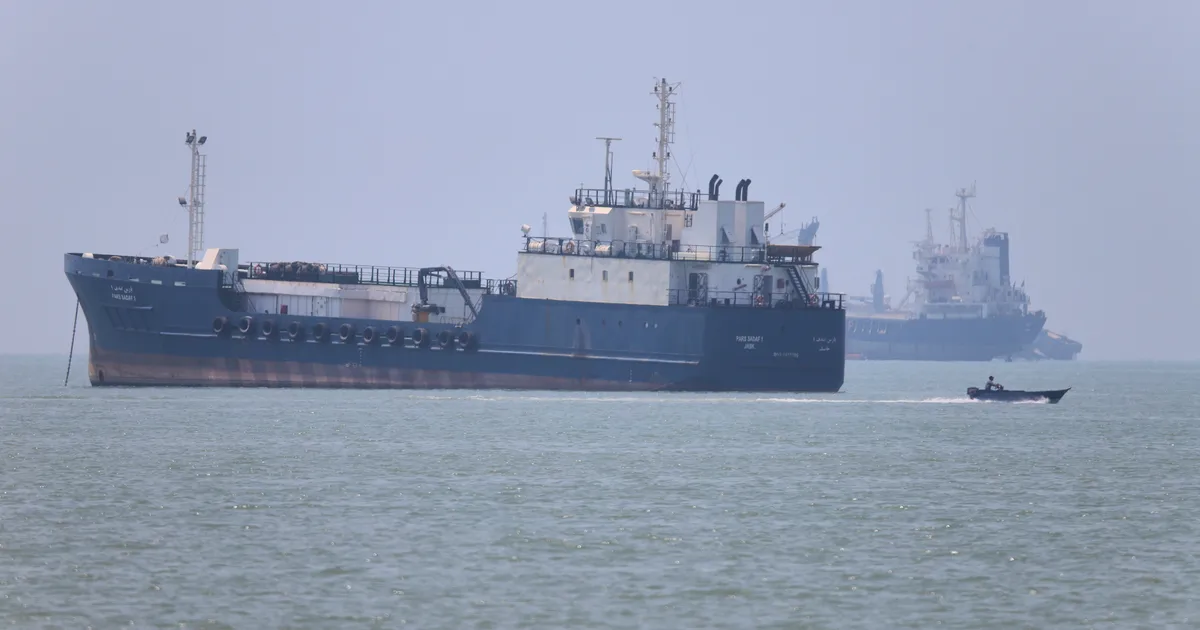
The US-Iran conflict escalated into open warfare beginning February 28, and the months since have seen Iranian proxies steadily broaden their offensives against Saudi targets. The Strait of Hormuz, through which roughly a fifth of the world’s oil passes daily, has been subject to blockade-related disruptions that have intensified volatility across energy markets.
Brent crude crossing the $100 mark in early July represented a psychologically important threshold. It was the first time the benchmark had hit that level since May, and the move was directly tied to supply disruptions from the ongoing conflict.