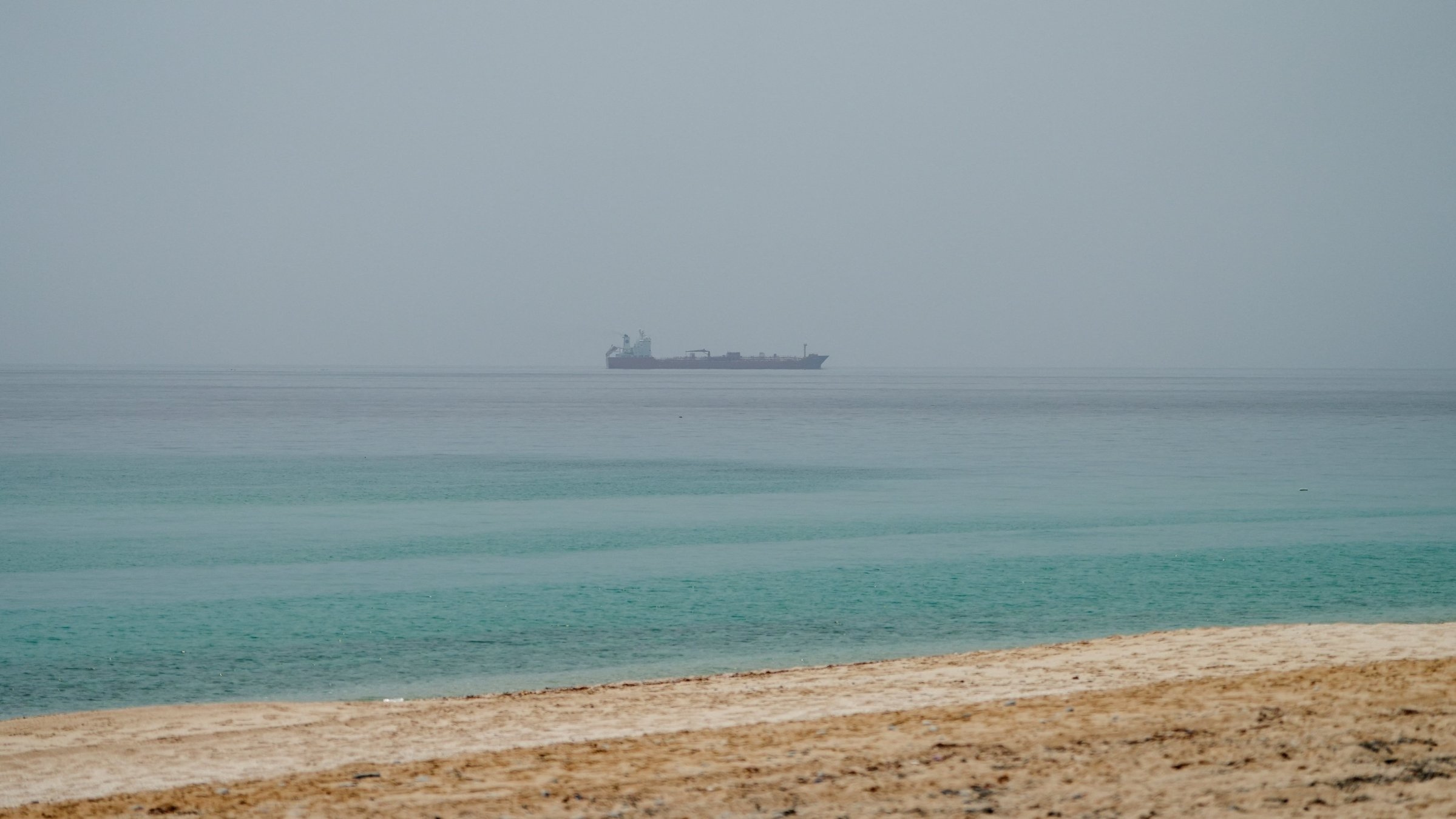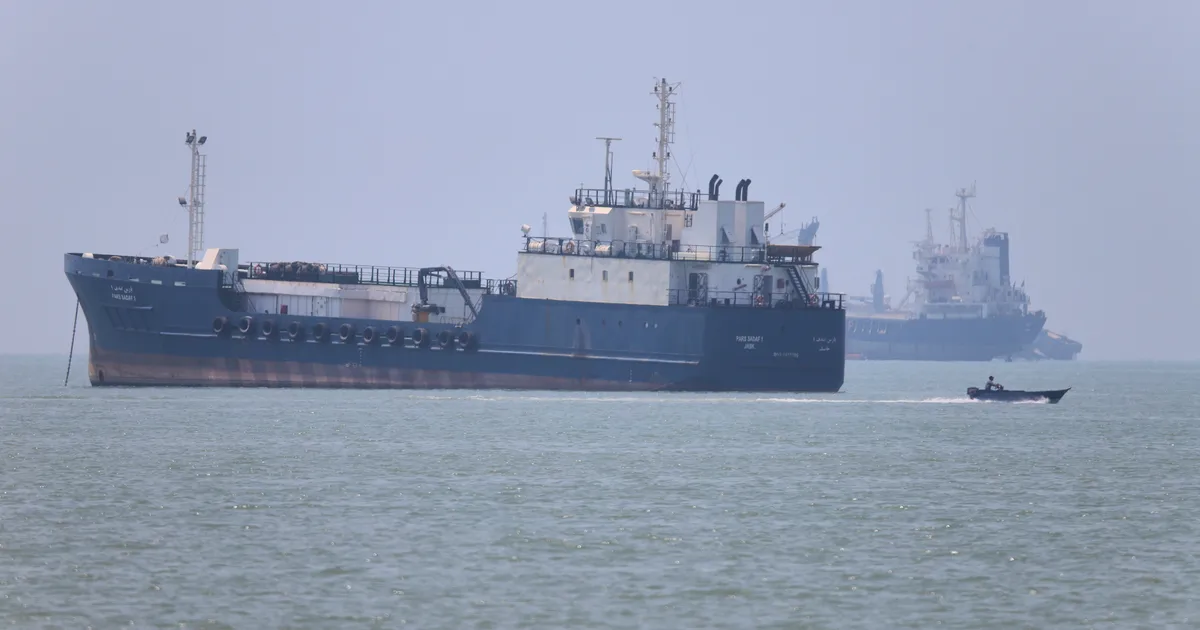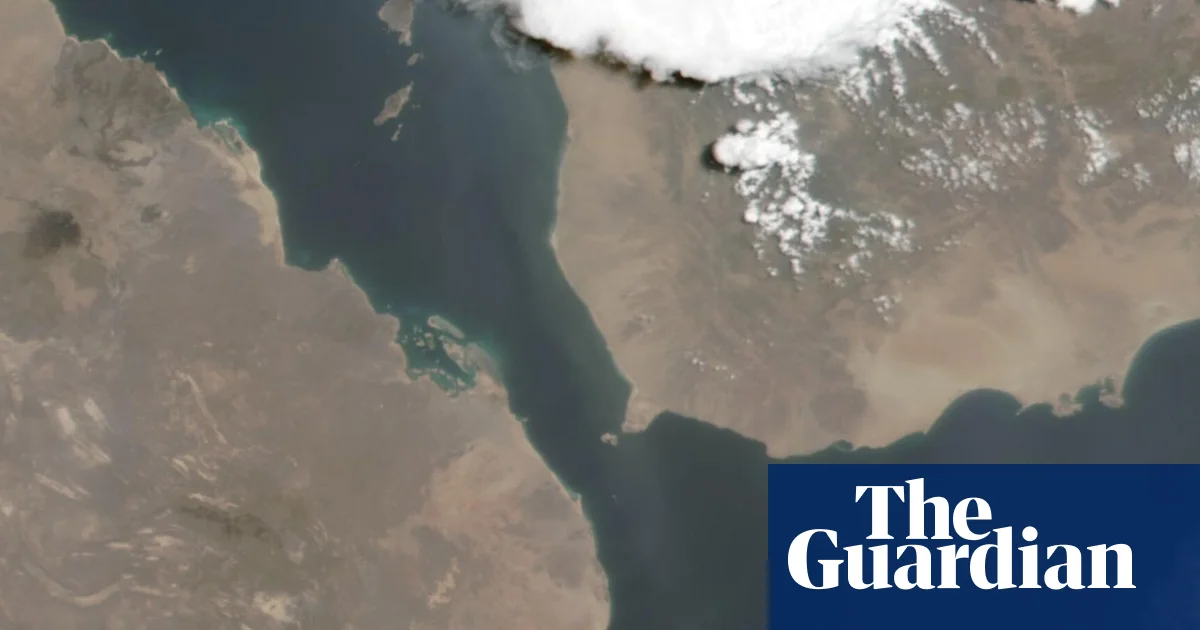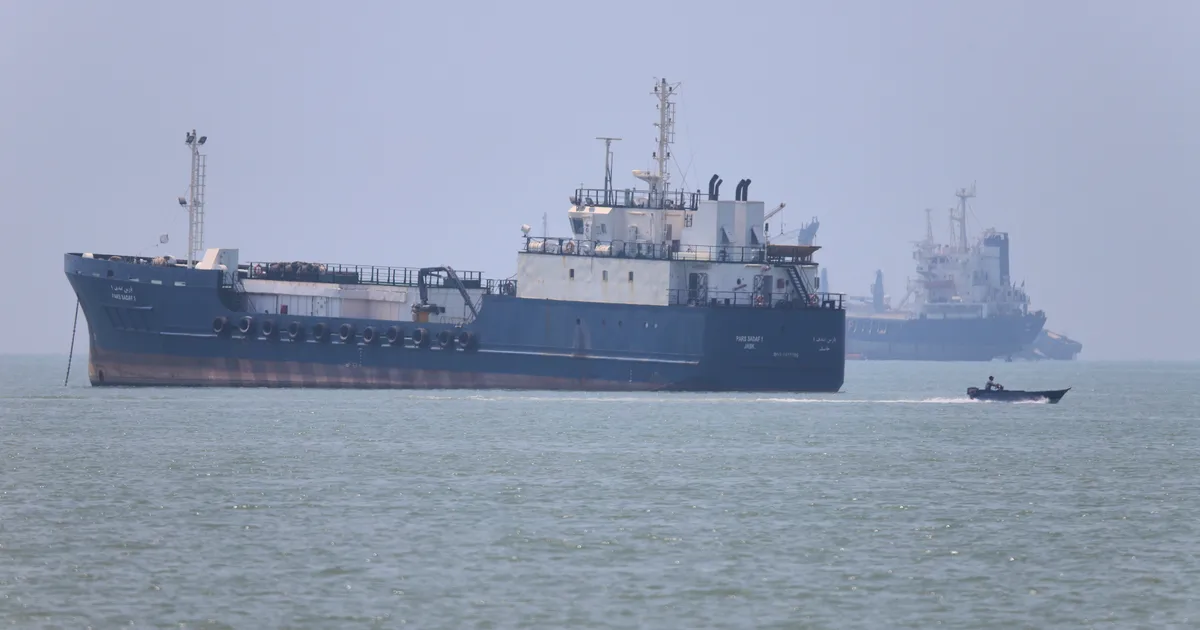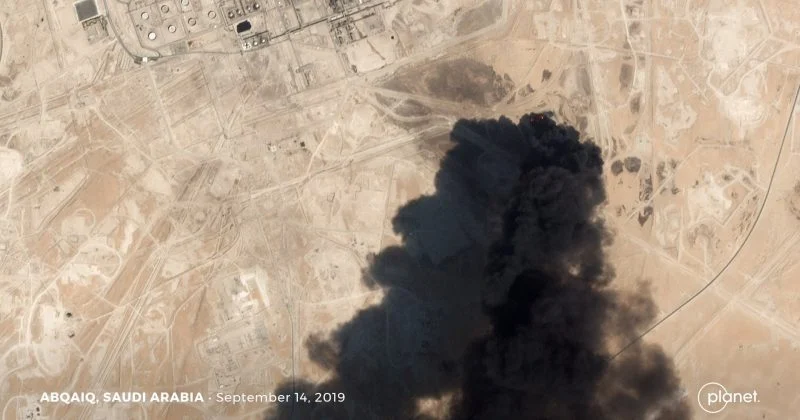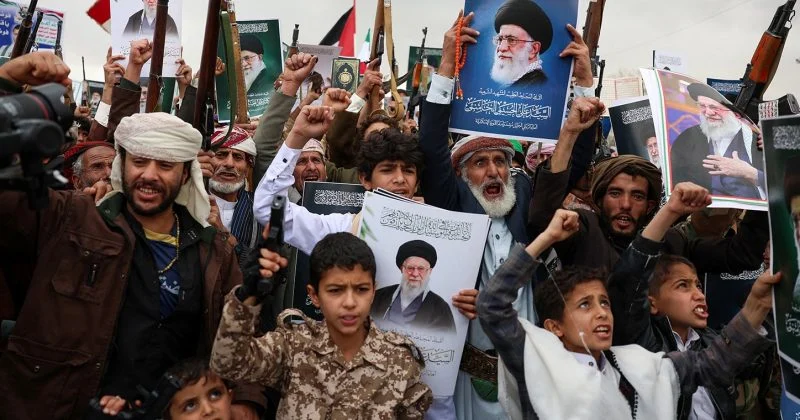
The Houthi movement announced strikes on two Saudi oil tankers on July 23, targeting vessels named Encelia and Layla using a combination of ballistic missiles, cruise missiles, and drones. The attacks are part of a broader blockade campaign aimed at choking off Saudi Arabia’s westbound crude export routes through the Red Sea.
The immediate market reaction was sharp. Brent crude climbed above $100 per barrel, and West Texas Intermediate rose to approximately $88.60.
Why the East-West Pipeline matters
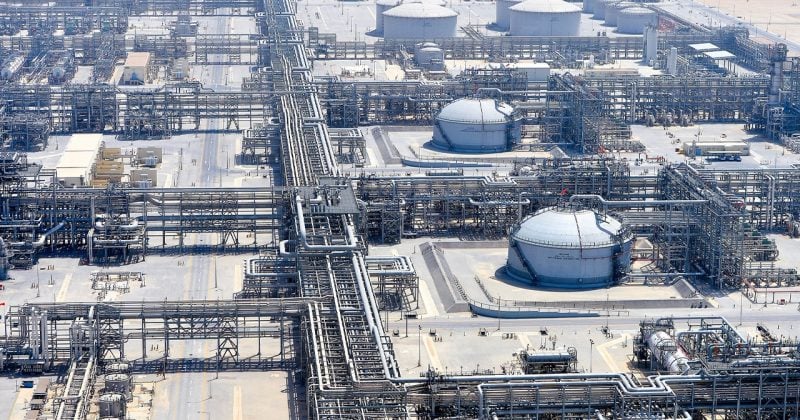
The Houthis are going after Saudi Arabia’s strategic bypass route, the East-West Pipeline, known as Petroline. Stretching roughly 1,200 kilometers, Petroline runs from Saudi Arabia’s oil-rich Eastern Province all the way to the Red Sea port of Yanbu.
By threatening tankers at the Yanbu end of that pipeline, the Houthis are effectively putting pressure on both export channels simultaneously. Saudi Arabia can route crude overland to avoid Hormuz, but if the Red Sea terminal is also under fire, the bypass loses most of its value.