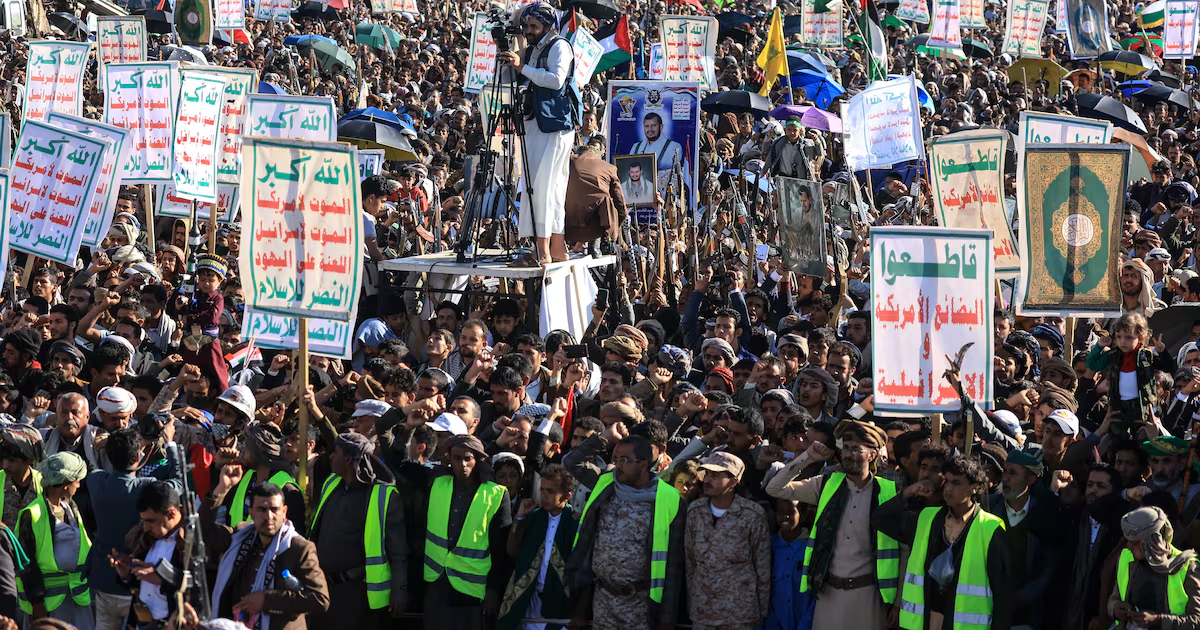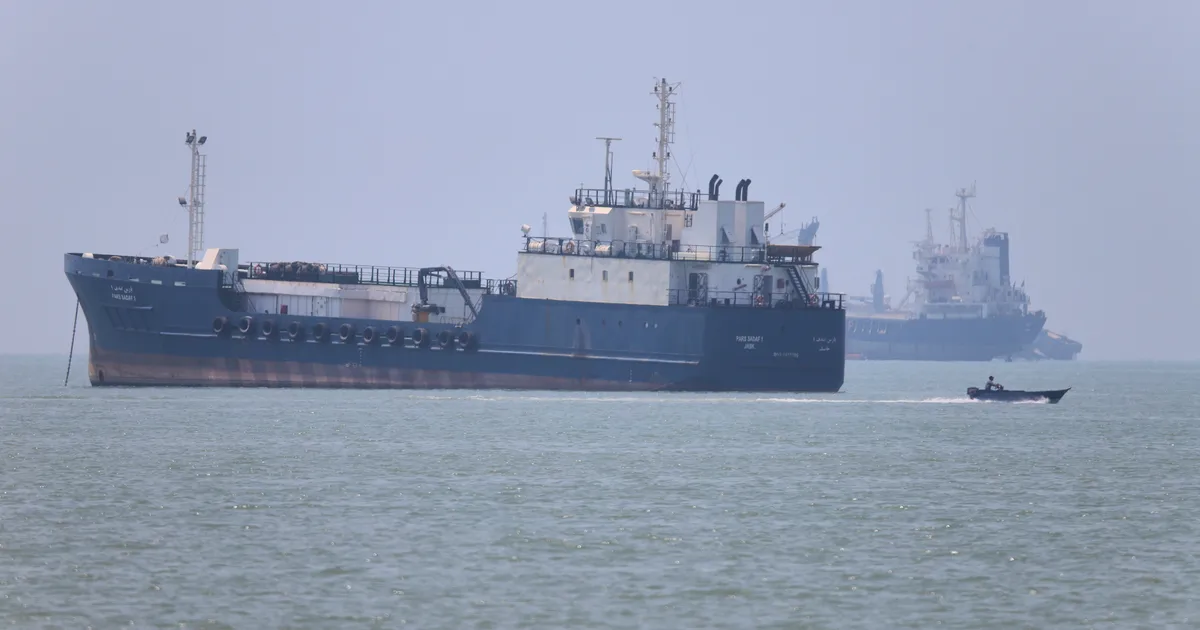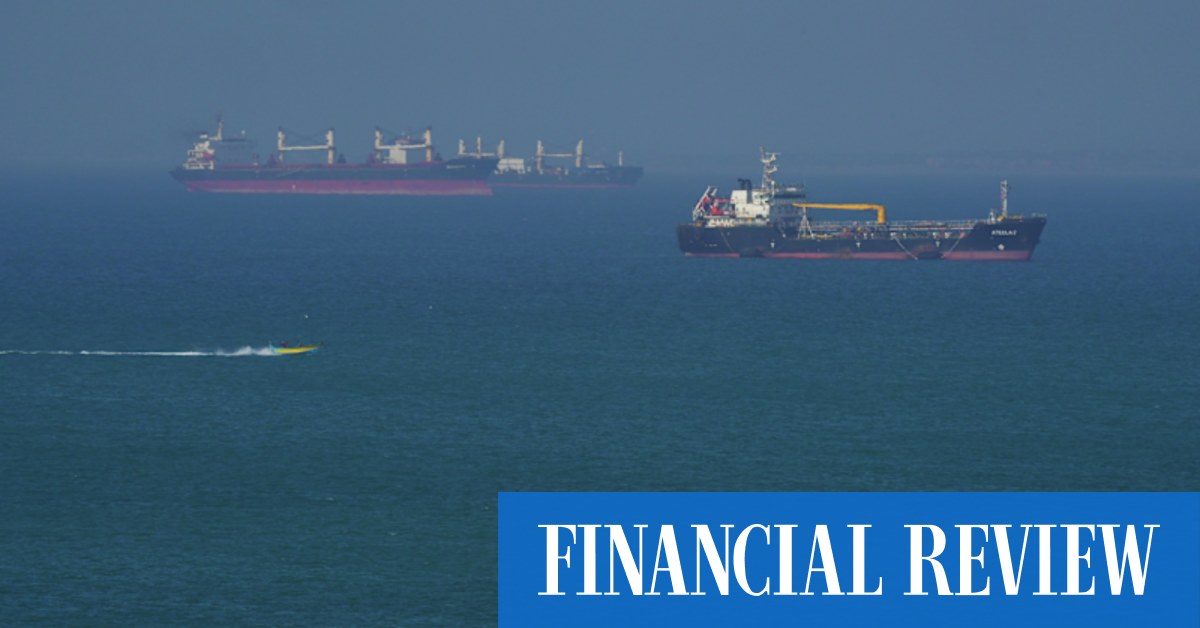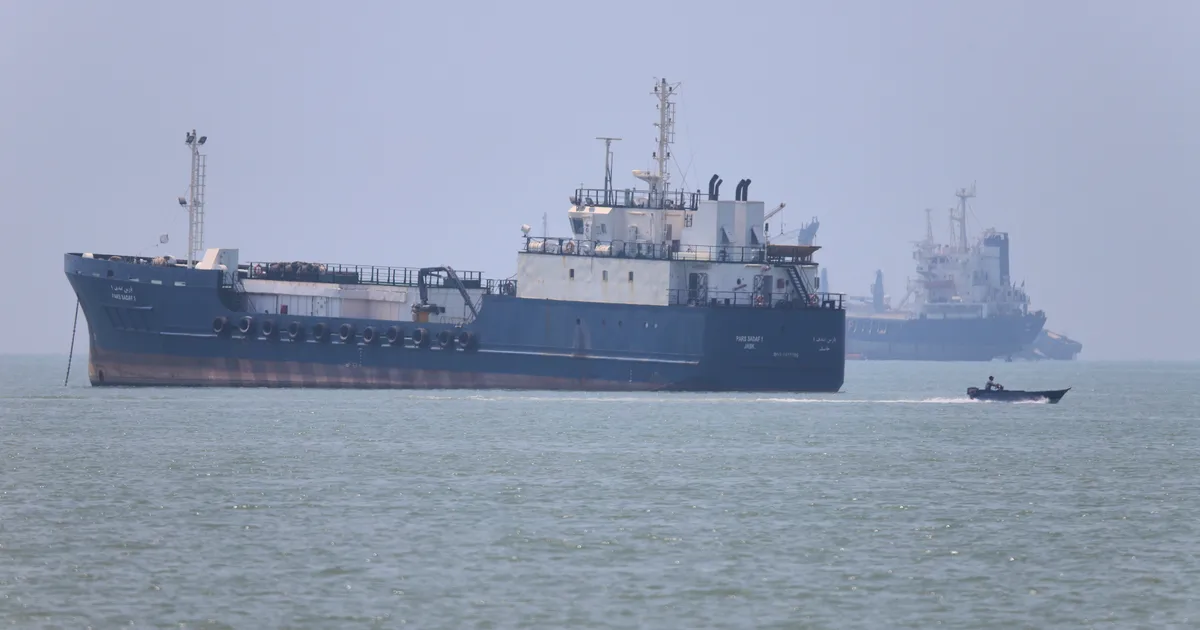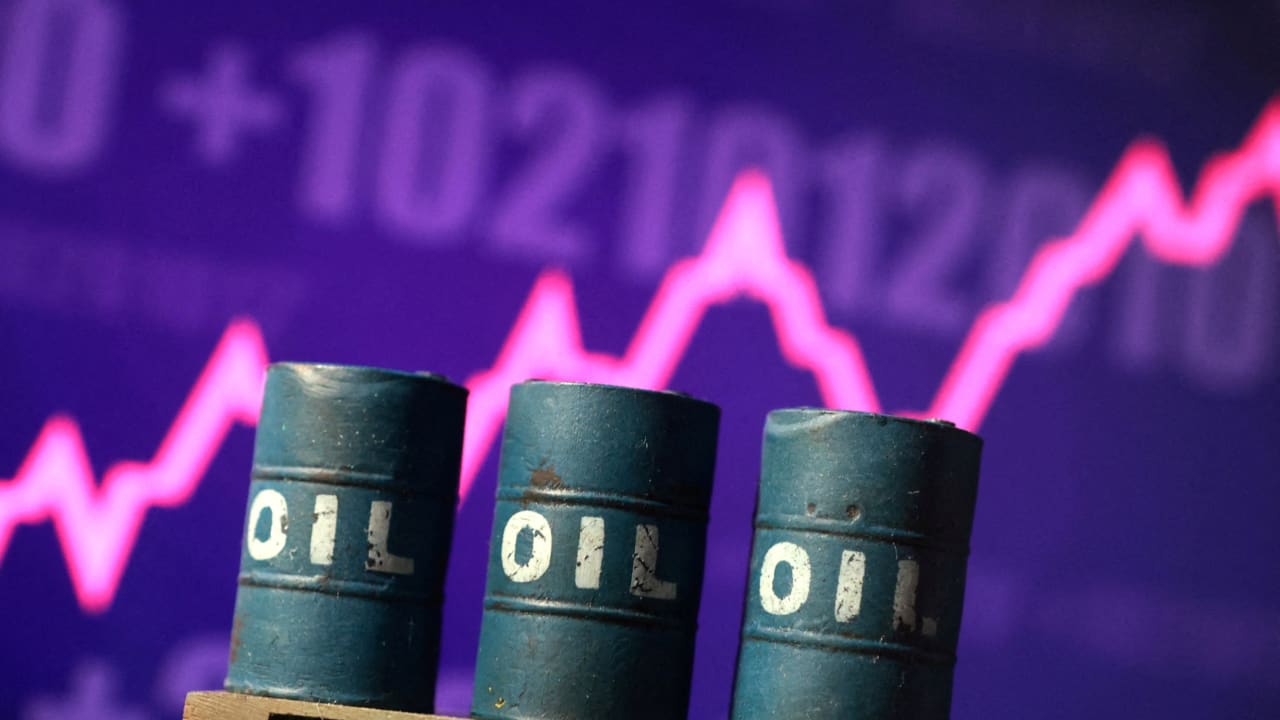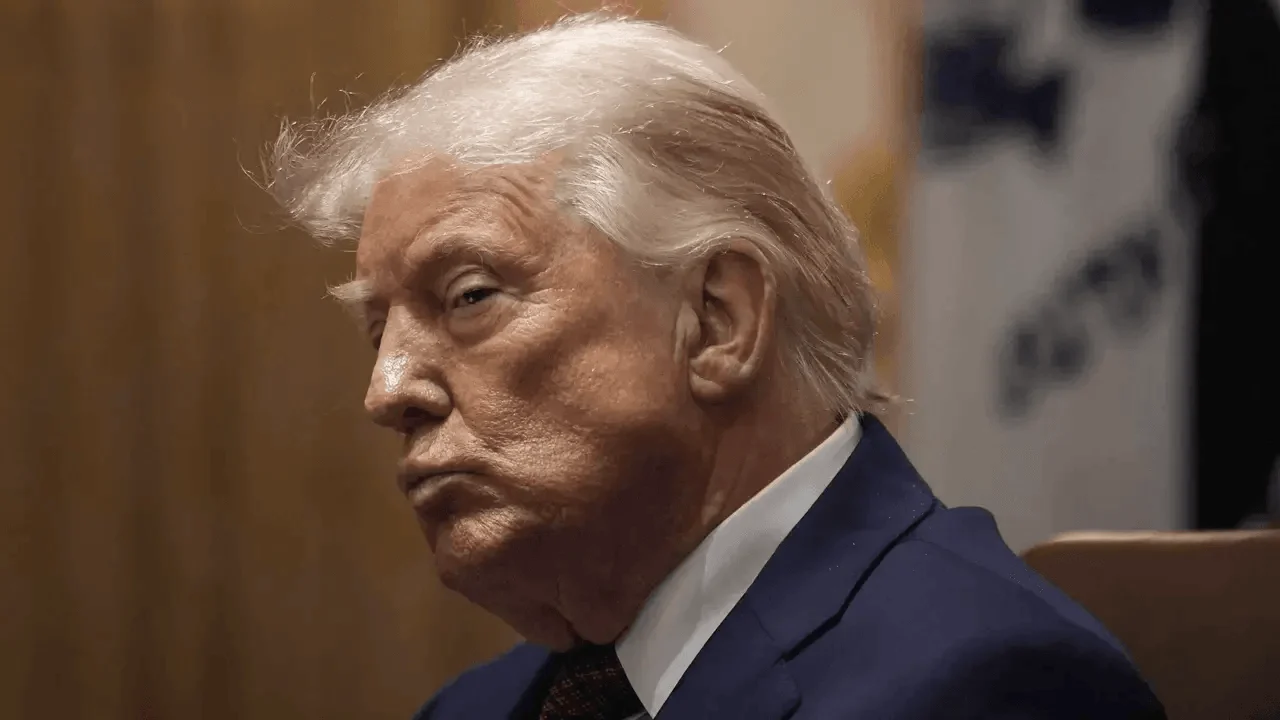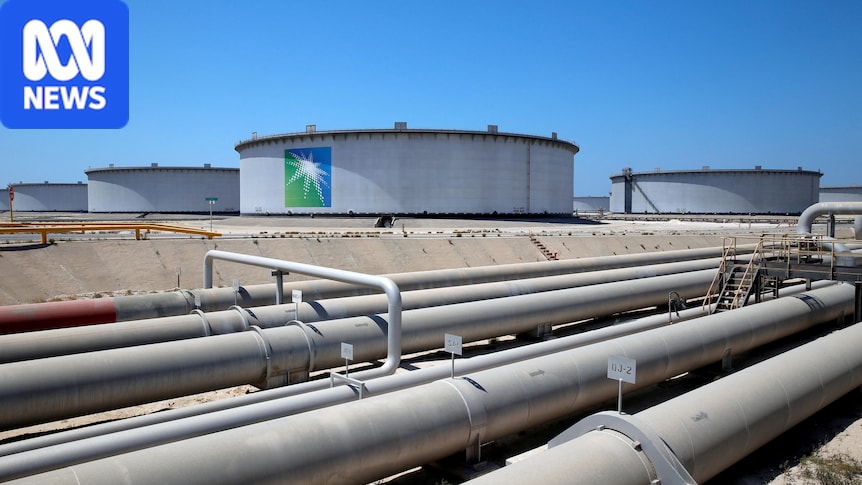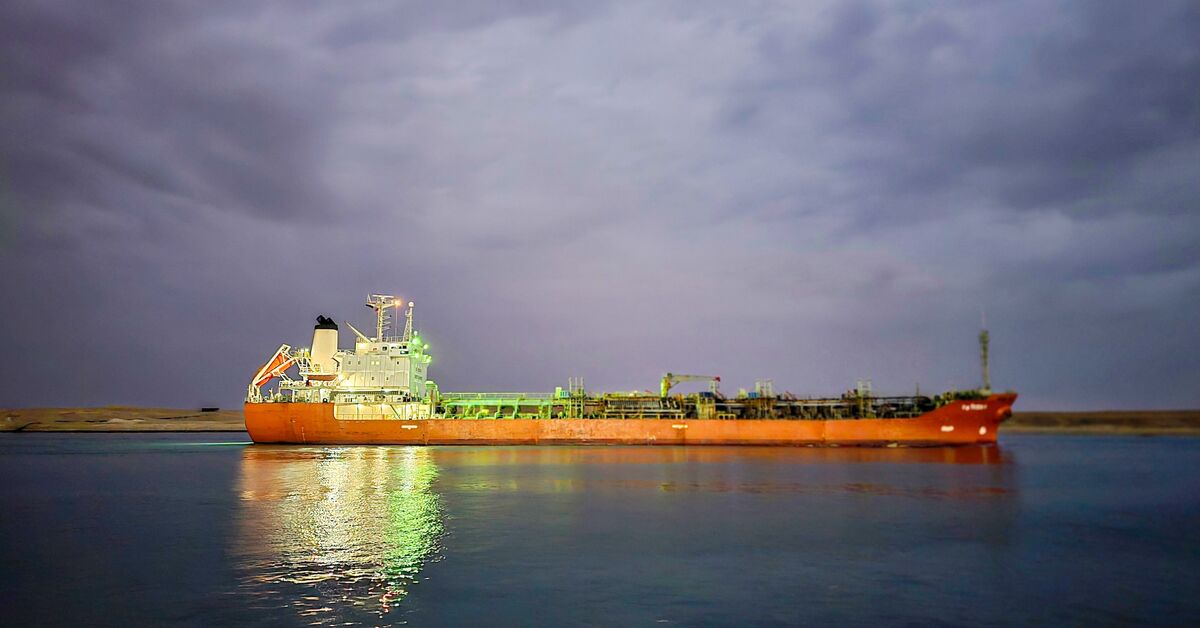
The Houthi rebels in Yemen said on Thursday that they had struck two Saudi Arabian oil tankers in the Red Sea, as oil prices surpassed $100 a barrel amid a new front opening in the Middle East conflict approaching its fifth month.Meanwhile, late on Wednesday the US military announced that it had completed its twelfth consecutive night of strikes on Iran.What happened: In a Thursday statement on the Houthi-run Al-Masirah TV, the Iran-backed group said it had targeted the Saudi oil tankers Encelia and Layla with drones and missiles for allegedly violating the maritime blockade against Saudi Red Sea ports that it had imposed on Monday.The state-run Saudi Press Agency on Thursday confirmed a strike on the Encelia as it traversed the Red Sea, resulting in a fire at the bow of the vessel. All the crew members are safe, SPA announced, citing an unnamed official from the Transport General Authority. The SPA report did not comment on Layla.Separately, the United Kingdom Maritime Trade Operations Centre said on Wednesday that an “unknown projectile” had hit a tanker around 130 kilometers (80 miles) from the Saudi coastal town of al-Shuqaiq. The report did not identify the tanker by name but said the attack caused a fire on board and that no casualties were reported.In a Truth Social post on Thursday, President Donald Trump said that the US will hold Iran responsible if the Houthis continue attacking vessels and that “major military punishment” will be inflicted on the Islamic Republic and the rebel group.Why it matters: The alleged strikes on the tankers are the first known attack on Saudi ships since the Houthis imposed their blockade, which has widened the scope of the war launched by the United States and Israel against Iran on Feb. 28 and put additional pressure on oil prices.At 9:21 a.m. EDT, Brent crude stood at $100.07, up 6.38% from the previous day. Brent hit $100 on Thursday for the first time since May. Over the last month, Brent has risen by more than 33% as key Middle Eastern energy trade routes faced disruptions.On Monday, the Houthis said they had imposed the blockade in response to a Saudi missile strike on Sanaa International Airport last week. The group also attributed the move to what it called "an unjust and oppressive siege" imposed on Yemen by Saudi Arabia, which formed the Arab coalition that in 2015 intervened against the Houthis in the Yemeni civil. A fragile two-month UN-backed truce was implemented in April 2022, but fighting has since restarted. Saudi Arabia backs the internationally recognized Yemeni government.Bab el-Mandeb — the Red Sea strait the Houthis are blocking — is a key maritime export route from the Middle East that Saudi Arabia, the region’s biggest oil exporter, has increased reliance on due to the near-total closure of the Strait of Hormuz in March as a result of the Iran war.Before the conflict, between 130 and 140 ships traversed the Strait of Hormuz a day, carrying around a fifth of the world’s oil and liquefied natural gas shipments. Since the fighting erupted, however, traffic through the waterway has been close to nonexistent amid attacks on vessels by Iran’s Islamic Revolutionary Guard Corps and a US naval blockade imposed in mid-April.As a result, Saudi Arabia moved to direct more than 70% of its crude shipments via pipeline to the port of Yanbu, on the kingdom’s Red Sea coast. Some 4.5 million barrels per day of oil exports from Yanbu are now under threat by the Houthi blockade, affecting global oil prices.Know more: Meanwhile, US Central Command said in its Wednesday statement that the 12th round of strikes against Iran had hit military targets, including maritime assets and missile and drone storage facilities.“The strikes further degrade Iran’s ability to attack civilian mariners and commercial vessels,” CENTCOM said in a statement.US Secretary of State Marco Rubio said on Thursday that Iran was privately pushing Washington for a deal to end the war but that Tehran is not yet “ready” to accept one. “They are going to continue to pay a price, and every night the price gets higher and higher and higher,” Rubio told reporters on the sidelines of an Association of Southeast Asian Nations meeting of foreign ministers in Manila.Trump said on Tuesday that the United States would respond if the Houthis followed through with the blockade. This developing story has been updated since initial publication.
Oil tops $100 for first time since May after Houthi tanker strikes, Trump threats
The Iran-backed rebels said they had targeted two Saudi tankers, the Encelia and the Layla.
759 words~3 min read