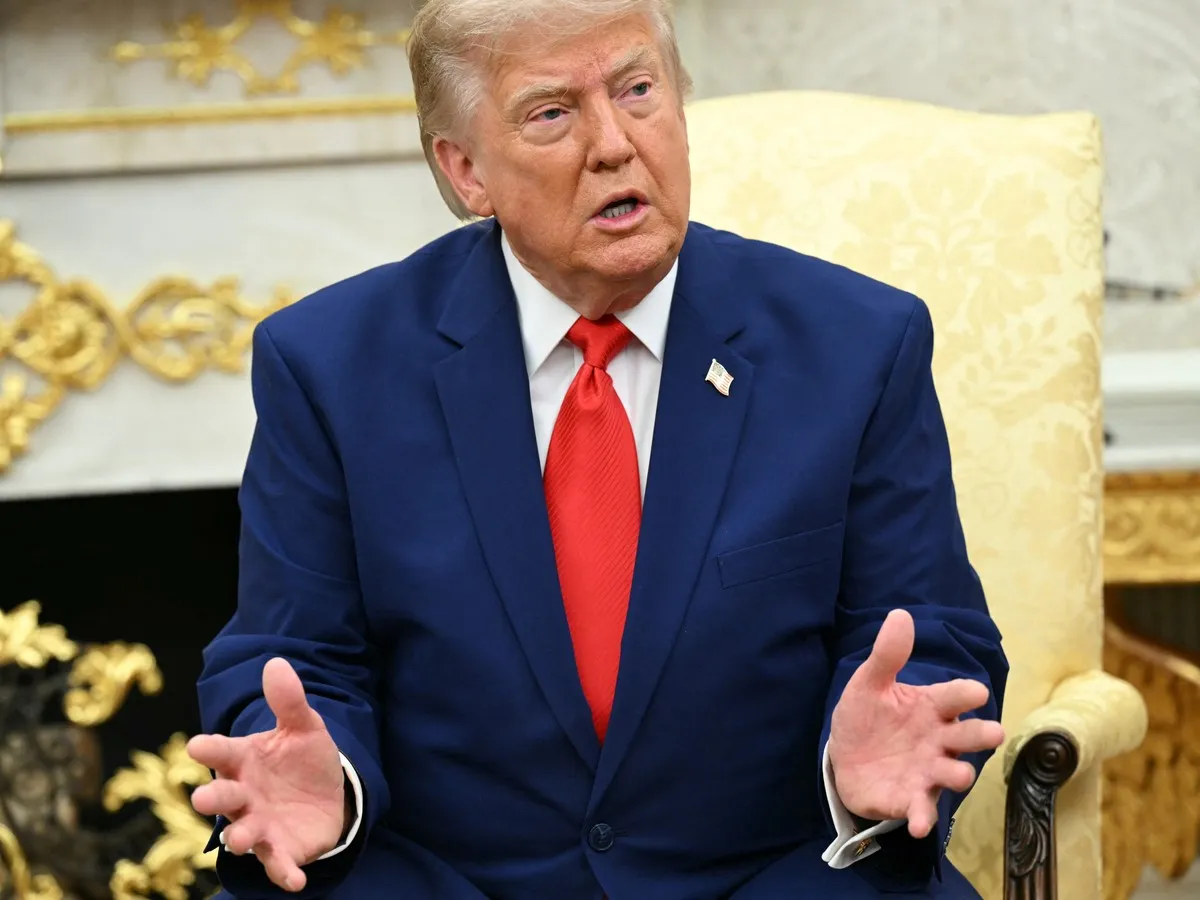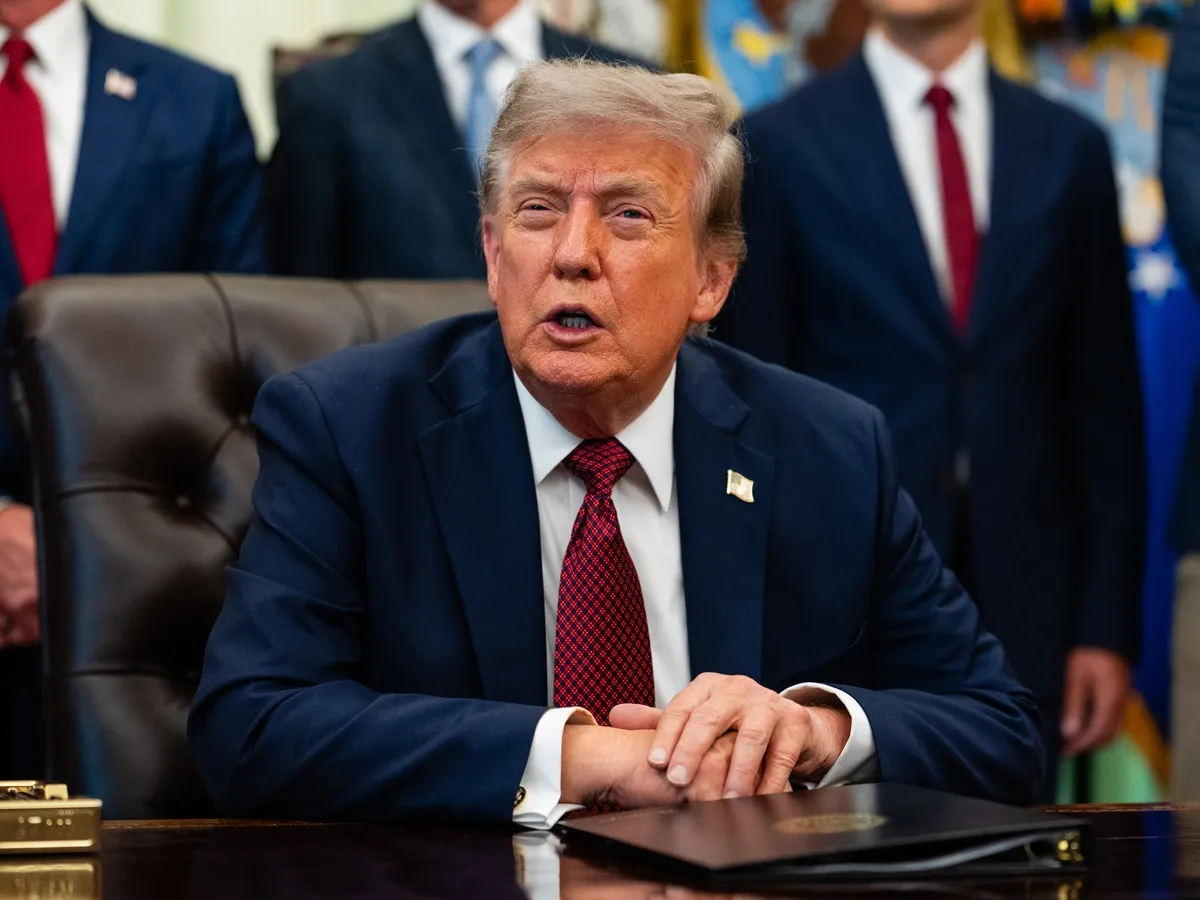
Skip to Content Subscribe Our Offers My Account Manage My Subscriptions FAQ Newsletters Canada Canadian True Crime Canadian Politics Health World Israel & Middle East Financial Post NP Comment Longreads Puzzmo Diversions Comics NP News Quiz New York Times Crossword Horoscopes Life Eating & Drinking Style Sponsored Play for Ontario Travel Travel Canada Travel USA Travel International Cruises Travel Essentials Culture Books Celebrity Movies Music Theatre Television Business Essentials Advice Lives Told Tails Told Shopping Buy Canadian Home Living Outdoor Living Kitchen & Dining Tech Style & Beauty Personal Care Entertainment & Hobbies Gift Guide Travel Guide Amazon Prime Day Deals Savings National Post Store More Sports Hockey Baseball Basketball Football Soccer Golf Tennis Driving Vehicle Research Reviews News Gear Guide Obituaries Place an Obituary Place an In Memoriam Classifieds Place an Ad Celebrations Working Business Ads Archives Healthing Epaper Manage Print Subscription Profile Settings My Subscriptions Saved Articles My Offers Newsletters Customer Service FAQ Newsletters Canada World Financial Post NP Comment Longreads Puzzmo Diversions Life Shopping Epaper Manage Print Subscription HomeNewsCanadaWhat Trump's tinkering around with water at the Canadian border could be aboutRollback of a Boundary Waters mining moratorium raises questions about whether Trump's pressure campaign could extend to water agreements You can save this article by registering for free here. Or sign-in if you have an account.U.S. President Donald Trump speaks during an announcement on American nuclear innovation in the Oval Office at the White House on July 24, 2026 in Washington, DC. Photo by Eric Lee /Getty ImagesWASHINGTON, D.C. — While Canadians have been focused on Donald Trump’s hounding them about becoming the “51st state” and squeezing their cross-border trade, the U.S. president has been quietly fiddling around with the rules for waters along the Canada-U.S. border.Enjoy the latest local, national and international news.Exclusive articles by Conrad Black, Barbara Kay and others. Plus, special edition NP Platformed and First Reading newsletters and virtual events.Unlimited online access to National Post.National Post ePaper, an electronic replica of the print edition to view on any device, share and comment on.Daily puzzles including the New York Times Crossword.Support local journalism.Enjoy the latest local, national and international news.Exclusive articles by Conrad Black, Barbara Kay and others. Plus, special edition NP Platformed and First Reading newsletters and virtual events.Unlimited online access to National Post.National Post ePaper, an electronic replica of the print edition to view on any device, share and comment on.Daily puzzles including the New York Times Crossword.Support local journalism.Create an account or sign in to continue with your reading experience.Access articles from across Canada with one account.Share your thoughts and join the conversation in the comments.Enjoy additional articles per month.Get email updates from your favourite authors.Create an account or sign in to continue with your reading experience.Access articles from across Canada with one accountShare your thoughts and join the conversation in the commentsEnjoy additional articles per monthGet email updates from your favourite authorsSign In or Create an AccountorIn late April, the president signed House Joint Resolution 140 into law, rolling back a Biden-era mining moratorium on more than 200,000 acres of U.S. federal lands near the Boundary Waters watershed in Minnesota that drains into Canadian waters.Proponents are keen for the development of minerals and geothermal energy in the region, but critics fear mining will undermine water protections. Get a dash of perspective along with the trending news of the day in a very readable format.By signing up you consent to receive the above newsletter from Postmedia Network Inc.A welcome email is on its way. If you don't see it, please check your junk folder.The next issue of NP Posted will soon be in your inbox.We encountered an issue signing you up. Please try againThe rollback is a one-off, and scholars of the border waters treaties between Canada and the U.S. think it’s unlikely that Trump plans to renounce the long-standing agreements. But he has raised boundary waters as a bone of contention before.In 2025, the president reportedly threatened former Prime Minister Justin Trudeau with cancelling the 1908 treaty demarcating the U.S.-Canada boundary, while also saying he wanted to revisit the countries’ sharing of lakes and rivers. That water-sharing regime is governed by a number of treaties and conventions, with the 1909 Boundary Waters Treaty (BWT) the main foundational agreement for U.S.-Canada boundary waters.Where threatening the treaties could be useful to Trump is trying to introduce them again as a bargaining chip for other negotiations, said Daniel Macfarlane, a professor at Western Michigan University’s School of Environment, Geography, and Sustainability.Making it easier on him is the fact that the pacts are vulnerable because they feature a notable lack of enforcement mechanisms.“He likes to make threats, like ‘I’ll end the Boundary Waters Treaty’ that he perceives as important to Canadians,” said Macfarlane. “It’s just another weapon in his ‘art of the deal’ when it comes to maybe a trade agreement or something.”But he notes that there’s no indication that Trump sees the treaties as an obstacle to his bigger priorities, the way he sees Canadian imports as a threat.“It’s not bugging him too much, I don’t think, because it’s not blocking the things he wants to happen, as we see with him approving the mining,” Macfarlane added. Even if Trump wanted to withdraw the United States from the BWT, doing so would be politically and diplomatically consequential and jeopardize interconnected pacts, such as the Great Lakes Water Quality Agreement, putting both countries at risk. “Politicians of all stripes and colours threaten a lot of things. Whether they actually do it in the end, I would think that you don’t want to cut off your nose to spite your face,” said Richard Paisley, director of the Global Environment Facility International Waters Governance Initiative at the University of British Columbia. Undermining such agreements would hurt both countries by weakening a system that prevents one side from harming the other through water diversions, flooding, or pollution.Riley Denoon, co-director of the International Waters Governance Research Initiative, also doesn’t think Canada-U.S. water co-ordination will be undone by Trump. While Trump’s comments can inflame public anxiety and nationalist reactions in Canada, Denoon said it’s unlikely to fundamentally derail U.S.-Canada water co-operation. “Ultimately, a lot of the co-operation on these water courses is really ingrained, and really sits a lot of the time at a local level,” he explained, noting how several different bodies have been created under the aegis of the BWT that create points of contact between the two countries. “These are co-operative mechanisms, which foster a lot of goodwill between the parties, especially at a local level.”Still, the BWT’s power, Macfarlane explained, is mostly conditional on political goodwill.Established in 1909, the BWT was an agreement between the United States and Great Britain acting on behalf of Canada to prevent and resolve disputes over water usage by the two countries and to address other transboundary water concerns. It established an institution called the International Joint Commission (IJC), a cooperative, technical, and advisory body of six commissioners — three from each country — that has operated ever since. Some think the IJC’s authority has been greatly diminished over time and that the original mandate did not equip it to handle today’s complex challenges.Paisley called the IJC “anachronistic,” because it was designed a century ago, long before today’s environmentalism and the recognition of climate change. “It’s hard to design institutions a hundred-and-however-many years ago … they had no idea about climate change,” he noted.Also, the IJC generally works by consensus, meaning both countries have to ask it to investigate an issue concerning them both. That is great for binational co-operation, but it undermines the organization’s ability to take decisive action over urgent matters.When asked to do so, the IJC investigates concerns over water matters and pollution, and it makes recommendations but has no authority to insist they are adopted. In recent years, both sides have been reportedly reluctant to send disputes to the IJC because they do not want rulings that would constrain economic activity, manufacturing, or agriculture.A more muscular BWT, however, never would have been possible, say those who know its history.“I don’t think the problem’s with the treaty,” said Macfarlane. “It’s with governments — because you couldn’t have passed a treaty back in 1909 that had more teeth. It never would’ve been politically feasible. It would never have passed the U.S. Congress.”So far, the IJC hasn’t gotten involved with Trump’s ending of the mining moratorium because it hasn’t been asked to, said Pierre Baril, a Canadian IJC commissioner and chair.“If Canada and the U.S. ask us to dig into the mining situation, we will do it,” he said.Baril declined to comment on Trump’s politics or treaty threats, stressing that the IJC does not weigh in on political decisions and operates independently of changing governments. He said the commission continues to function through regular co-operation and consensus, and he expressed confidence that both the IJC and the BWT remain strong and durable.“We are quite immune,” he said. “We still operate independently, whenever the Liberals or Conservatives in Canada are in power or the Democrats or the Republicans are in power in Washington.”In this case, Denoon said the BWT really becomes more relevant only if there is actual transboundary harm or a project with clear cross-border effects. So far, no mining has begun near the Boundary Waters watershed.“Until there’s actual transboundary harm, there wouldn’t be much the IJC would do,” he said. And both countries would need to ask the IJC to look into the matter.Until then, any real damages, according to Paisley, would have to be sorted out through private litigation.National Posttmoran@postmedia.comOur website is the place for the latest breaking news, exclusive scoops, longreads and provocative commentary. Please bookmark nationalpost.com and sign up for our newsletters here. Join the Conversation This website uses cookies to personalize your content (including ads), and allows us to analyze our traffic. Read more about cookies here. By continuing to use our site, you agree to our Terms of Use and Privacy Policy.
What Trump's tinkering around with water at the Canadian border could be about
Rollback of a Boundary Waters mining moratorium raises questions about whether Trump's pressure campaign could extend to water agreements.
1,659 words~8 min read