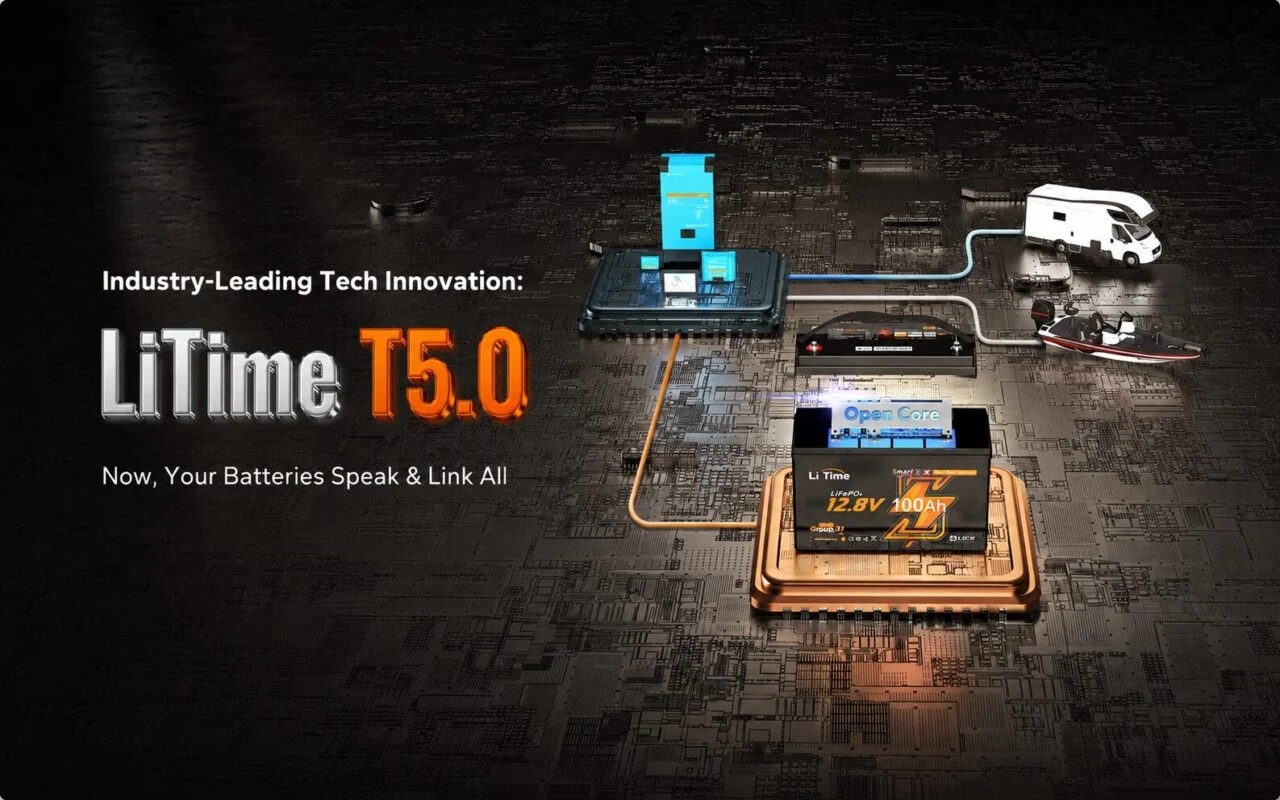
Distributed energy storage systems are becoming increasingly modular. An off-grid home, residential backup installation, recreational vehicle or marine energy system may combine batteries, solar charge controllers, inverter-chargers, displays and monitoring platforms from different manufacturers. Although each device can operate independently, overall system performance depends on whether these components can exchange accurate information and respond to the battery’s condition.
In a conventional architecture, the battery stores and supplies energy while the inverter or charger operates according to preset voltage and current parameters. State of charge may be estimated from battery voltage or an external shunt, and users may need to access several platforms to monitor different components.
This approach can meet basic power requirements, but it does not fully use the real-time data generated by a modern BMS. A BMS continuously monitors pack voltage, current, temperature, state of charge, individual cell voltage and protection status, using this information to determine the battery’s permissible charging and discharging limits. If these parameters cannot be communicated to the wider system, the inverter and charger must continue operating according to fixed settings, which can reduce state-of-charge accuracy, limit charging and discharging optimisation, and increase complexity during commissioning, fault diagnosis and system expansion.