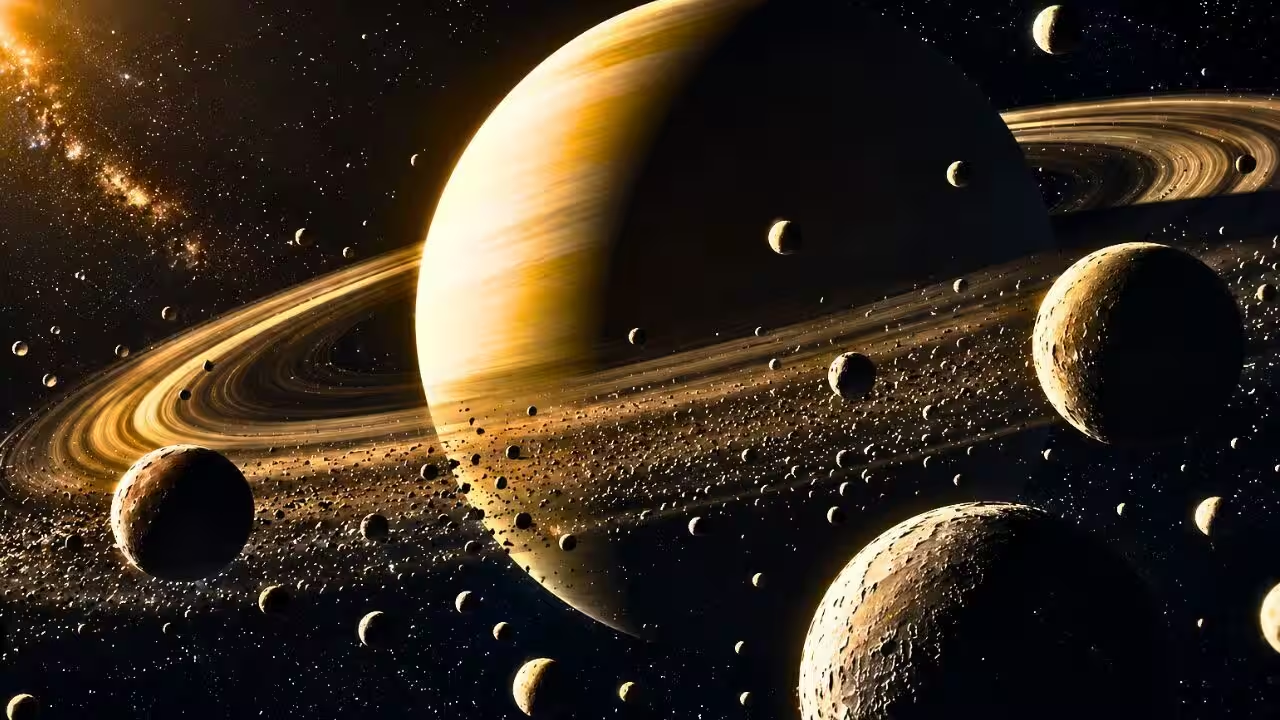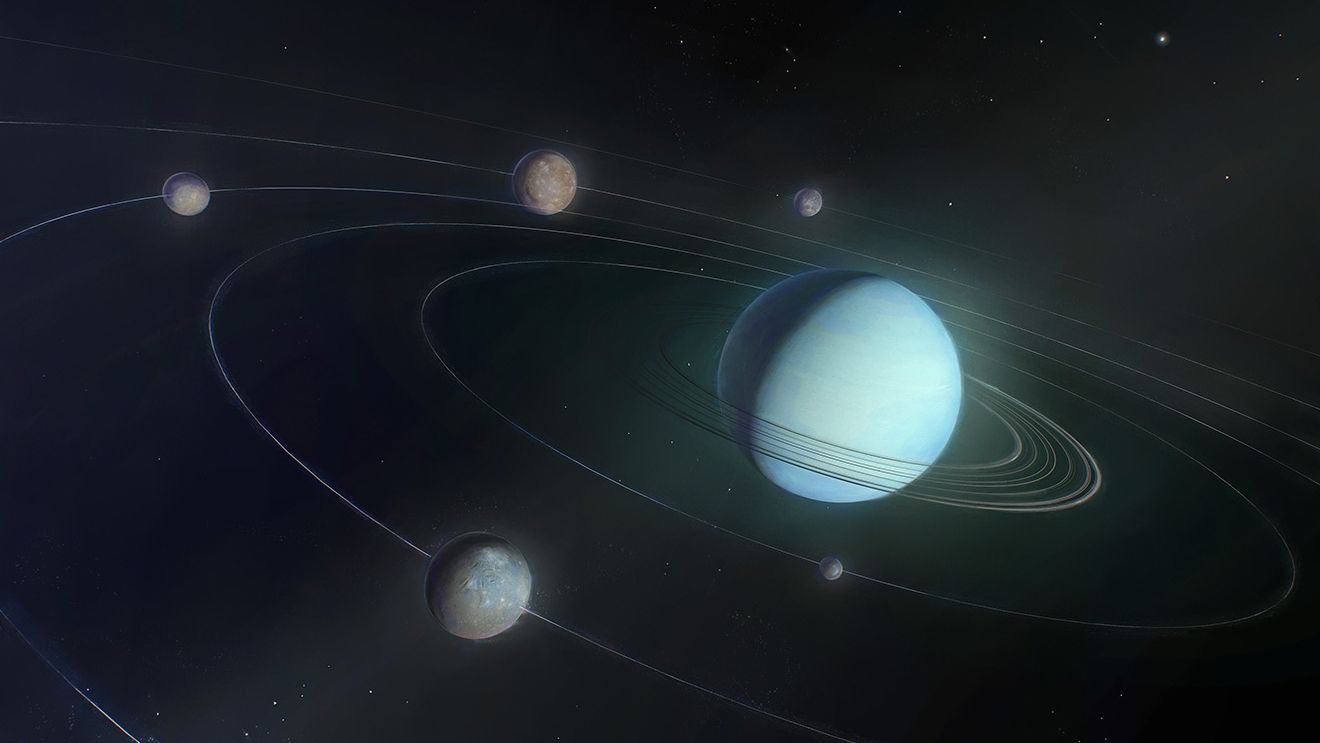
Jupiter and Saturn are the two largest planets in the Solar System, and both are surrounded by enormous families of moons. Jupiter currently has more than 100 reported moons, while Saturn, which is also encircled by an extensive ring system, has more than 280.
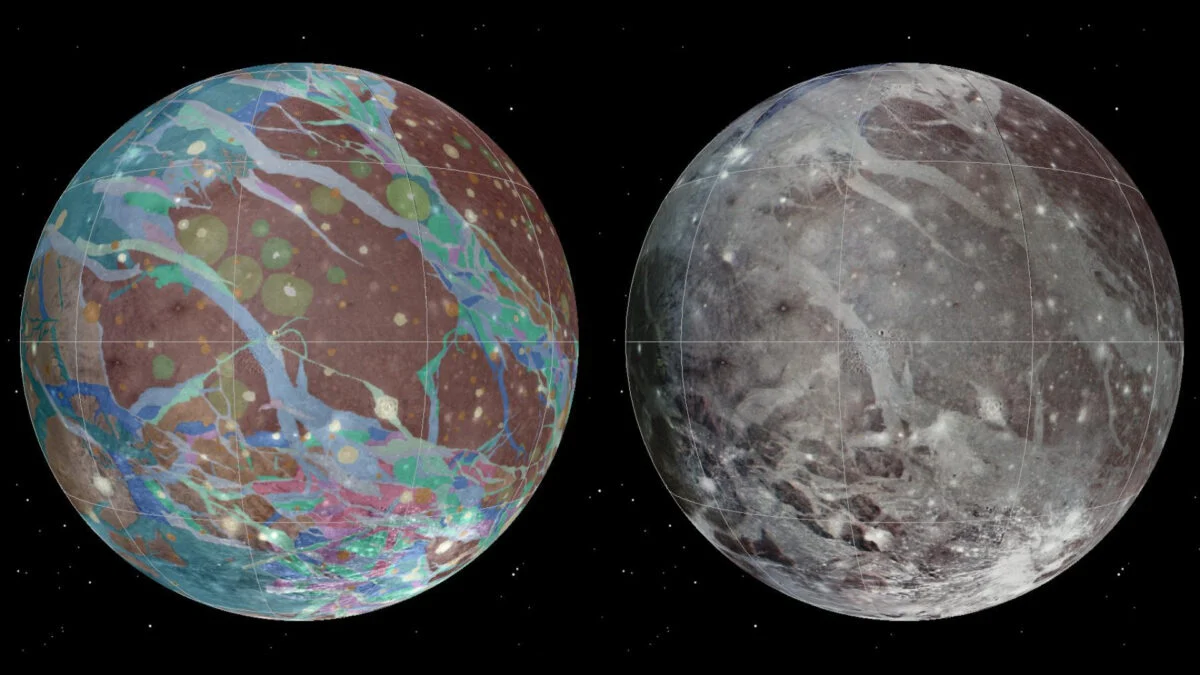
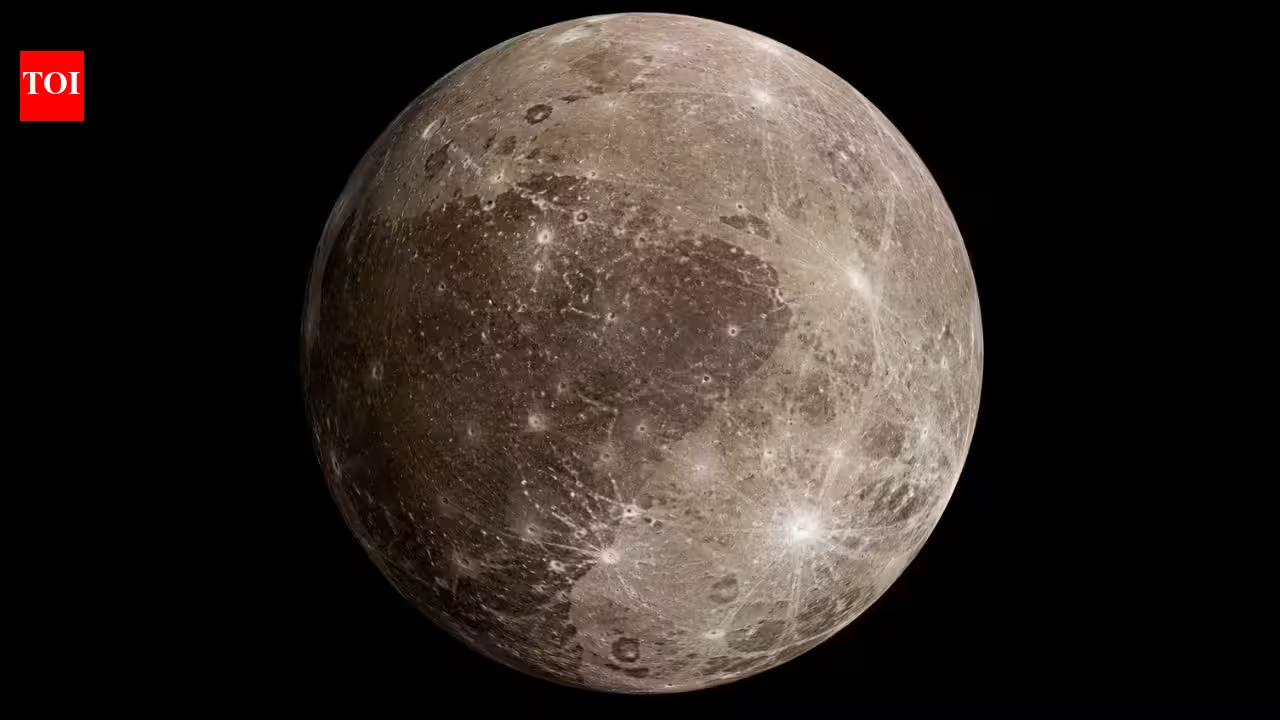
The makeup of those moon systems is very different. Jupiter has four especially large moons, including Ganymede, the biggest moon in the Solar System. Saturn, by comparison, is dominated by Titan, the Solar System's second largest moon.
A Longstanding Moon Formation Mystery
Because Jupiter and Saturn are both gas giants, astronomers have struggled to explain why their major moons developed so differently. Existing theories of satellite formation offer several possible answers, but recent research into stellar magnetic fields suggests that some of those ideas may need to be reconsidered.
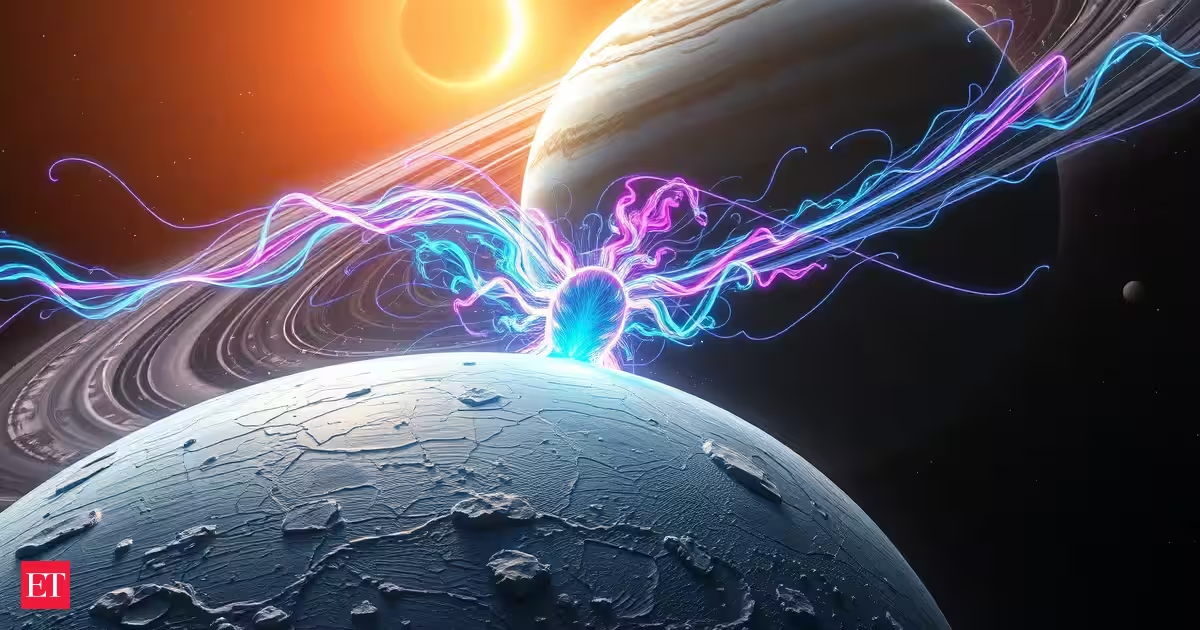
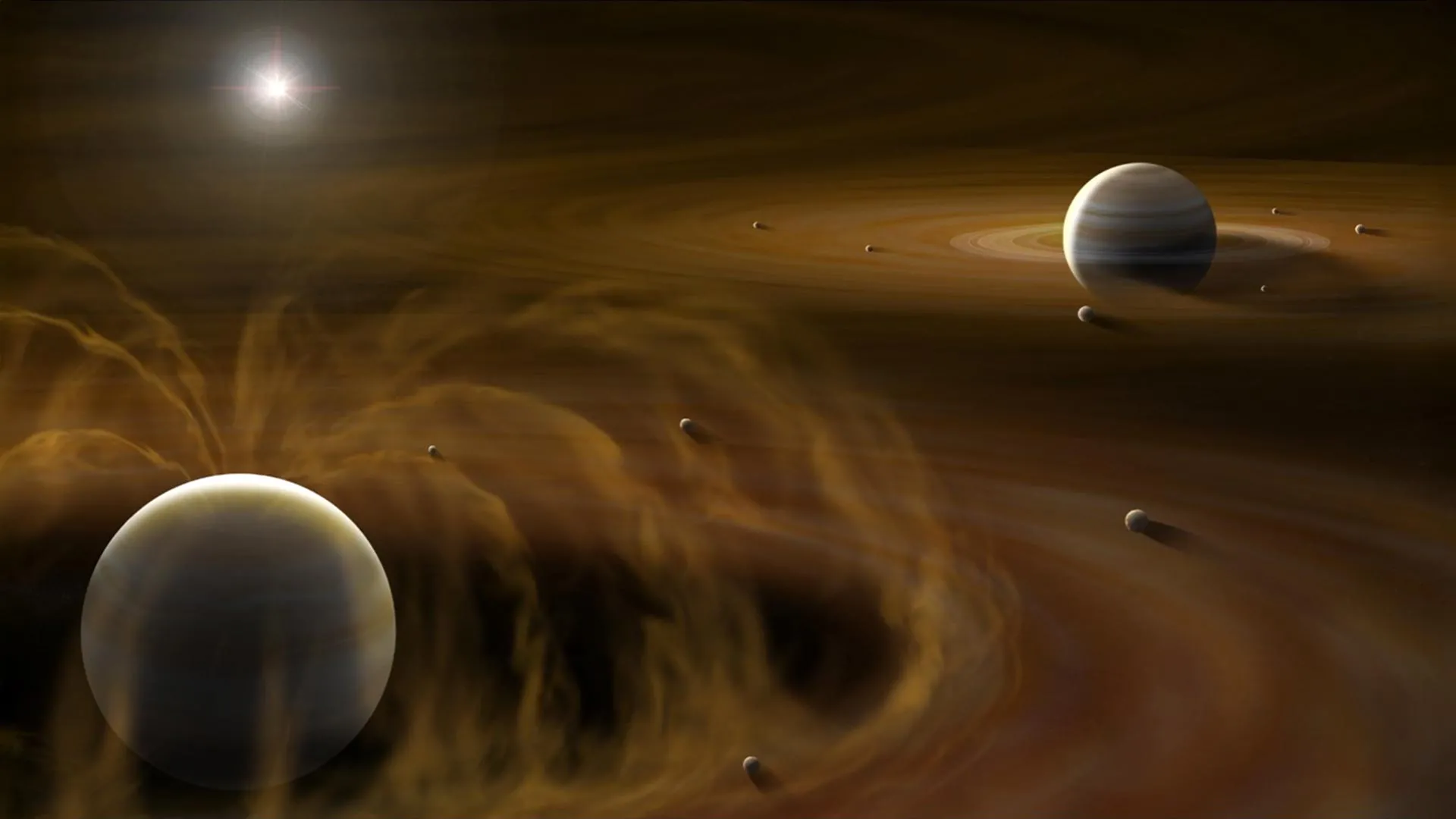
One unresolved question involves magnetic accretion and the formation of satellites. Researchers have debated whether Jupiter's circumplanetary disk could have developed an empty inner region. A circumplanetary disk is the rotating collection of material around a young planet from which moons can form.