July 27th, 2026
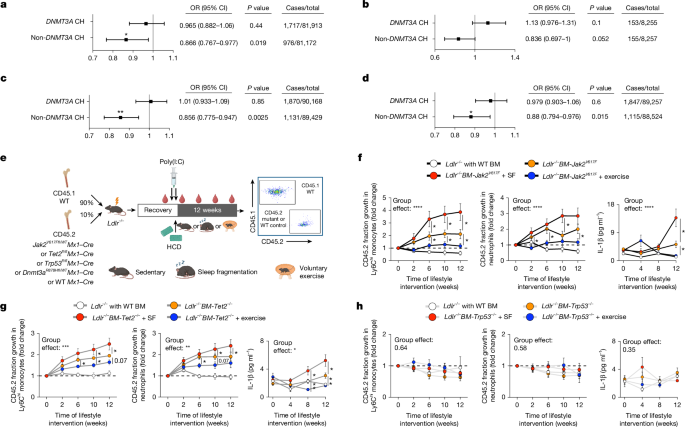
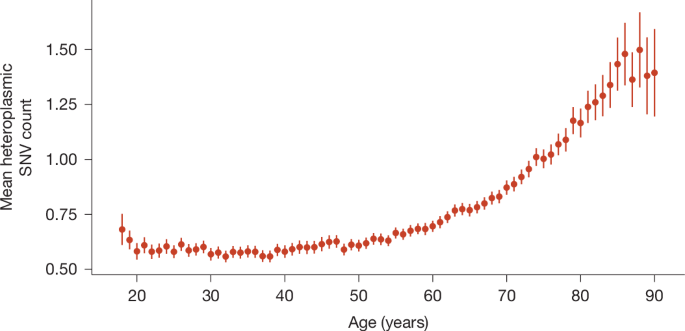
Clonal hematopoiesis of indeterminate potential (CHIP) is a form of somatic mosaicism in the immune system. Hematopoietic stem cells and progenitor cells in the bone marrow responsible for producing immune cells acquire random mutations over time, and patterns of these mutations slowly spread out into the immune system as a result. There is evidence for CHIP to correlate with accelerated progression of a number of age-related conditions and other aspects of degenerative aging, making it a good place to start if trying to understand how important somatic mosiacism is to the progression of aging. While the research community largely agrees that DNA damage is important in aging, based on the existence of accelerated aging conditions in which DNA repair mechanisms operate poorly, it is by no means concretely established as to how much of a contribution DNA damage makes to normal aging. Expect to see further investigation of CHIP and its effects on measures of aging and age-related dysfunction as an approach to answering that question.
Clonal haematopoiesis of indeterminate potential (CHIP) represents somatic mutations in haematopoietic stem cells that drive clonal expansion. Epigenetic age acceleration (EAA), estimated from DNA methylation (DNAm) clocks, may capture age-related changes in haematopoiesis. This systematic review and meta-analysis was conducted to synthesise evidence on associations between CHIP and EAA and explore shared biological mechanisms that may underlie this relationship. Five studies comprising 7,483 individuals (ages 55-79, 67.1% female) assessing associations between CHIP and DNAm clocks were included.