Modern mathematics has never been solely the product of solitary individuals. Every theorem rests upon a long history of concepts, notations, methods, counterexamples, and intergenerational exchanges.
Nevertheless, to this day, we often discern a central mind behind each major work. We might speak of one person's perspective, another's intuition, a technique bearing the hallmark of a specific school of thought, or an idea born of the author's unique intellectual history.
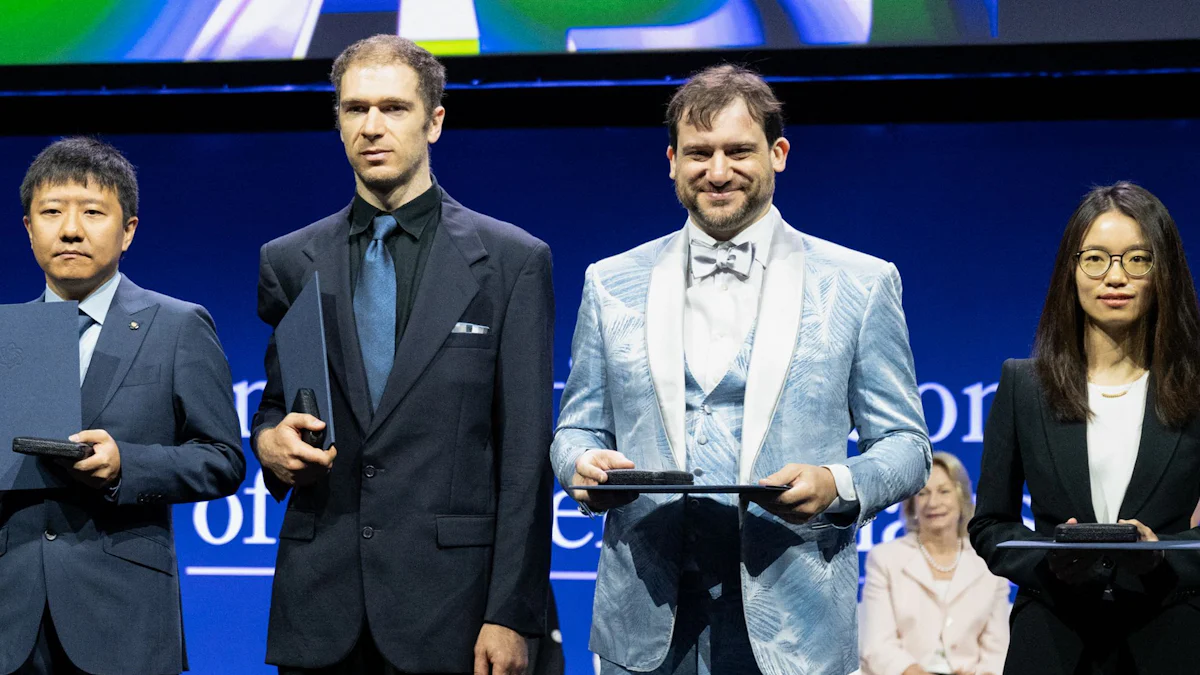
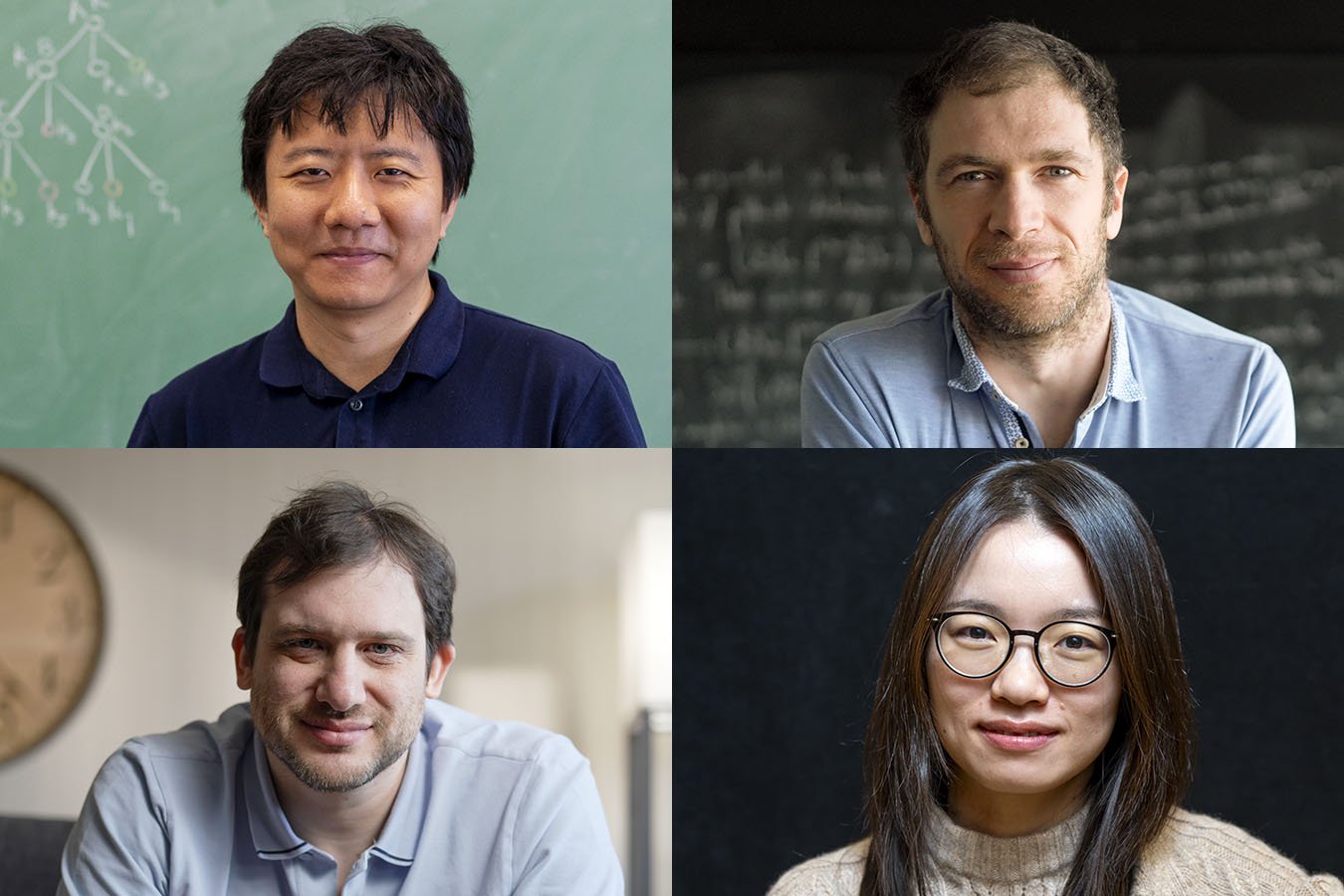
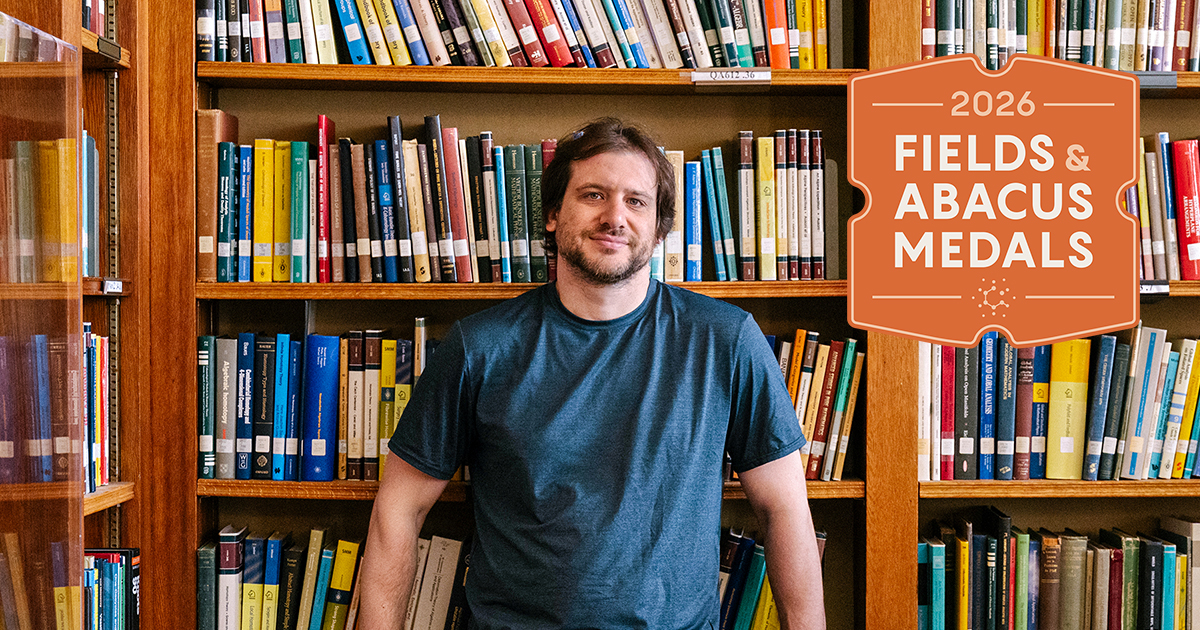
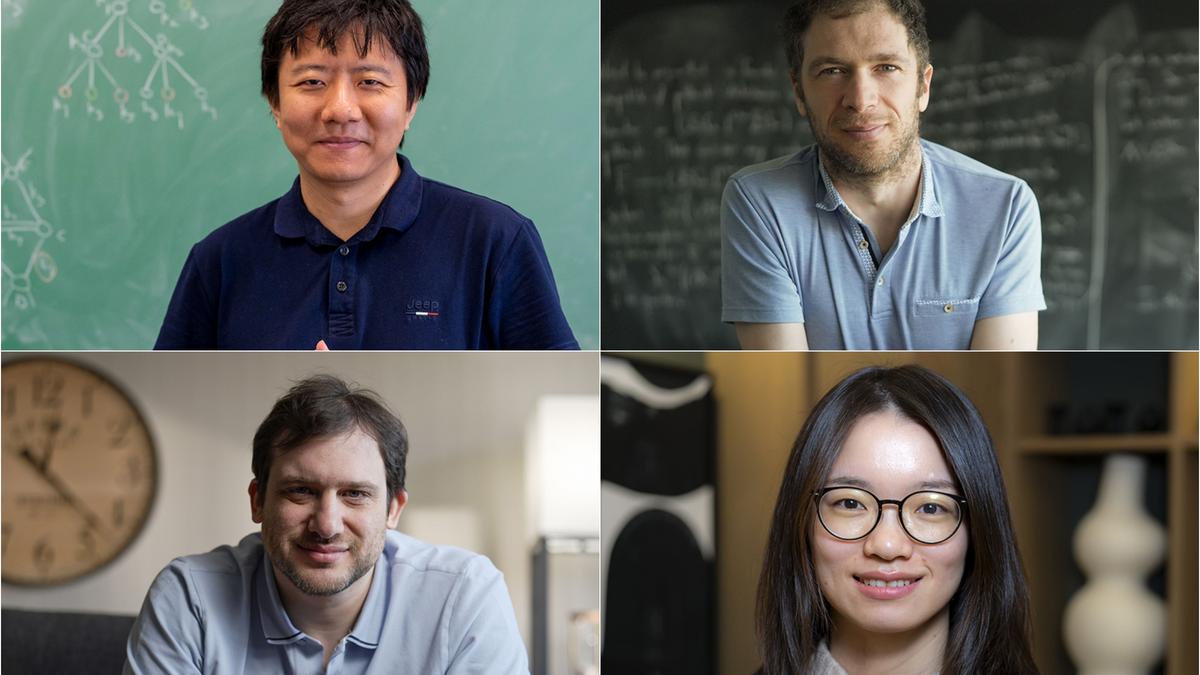
The personal imprint on mathematics is real. We view the 2026 Fields medalists, announced on July 23, Yu Deng, John Pardon, Jacob Tsimerman, and Hong Wang as four central minds who forged four distinct journeys of discovery, each stamped with their own personal signature, don't we?
Will this perception remain unchanged in future?
In May, an internal OpenAI model produced a new family of configurations that refuted a decades-old belief regarding the planar unit distance problem originally posed by Paul Erdős in 1946. The problem asks for the maximum number of pairs of points that can be placed at exactly one unit distance apart on a flat plane.