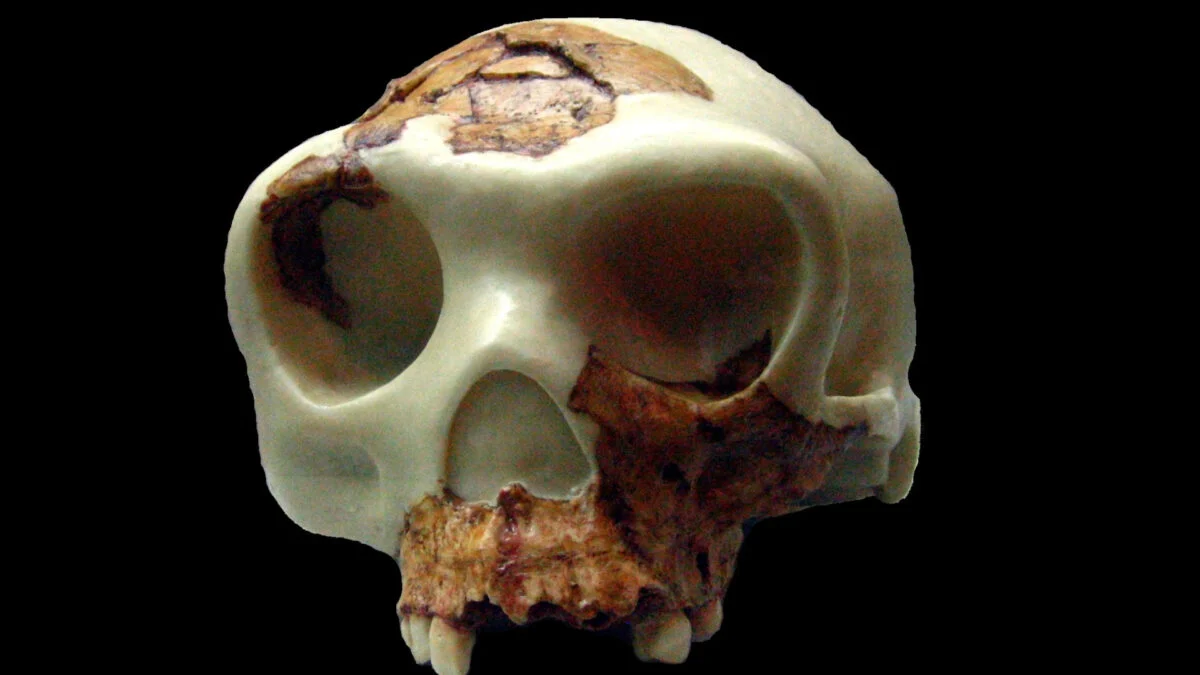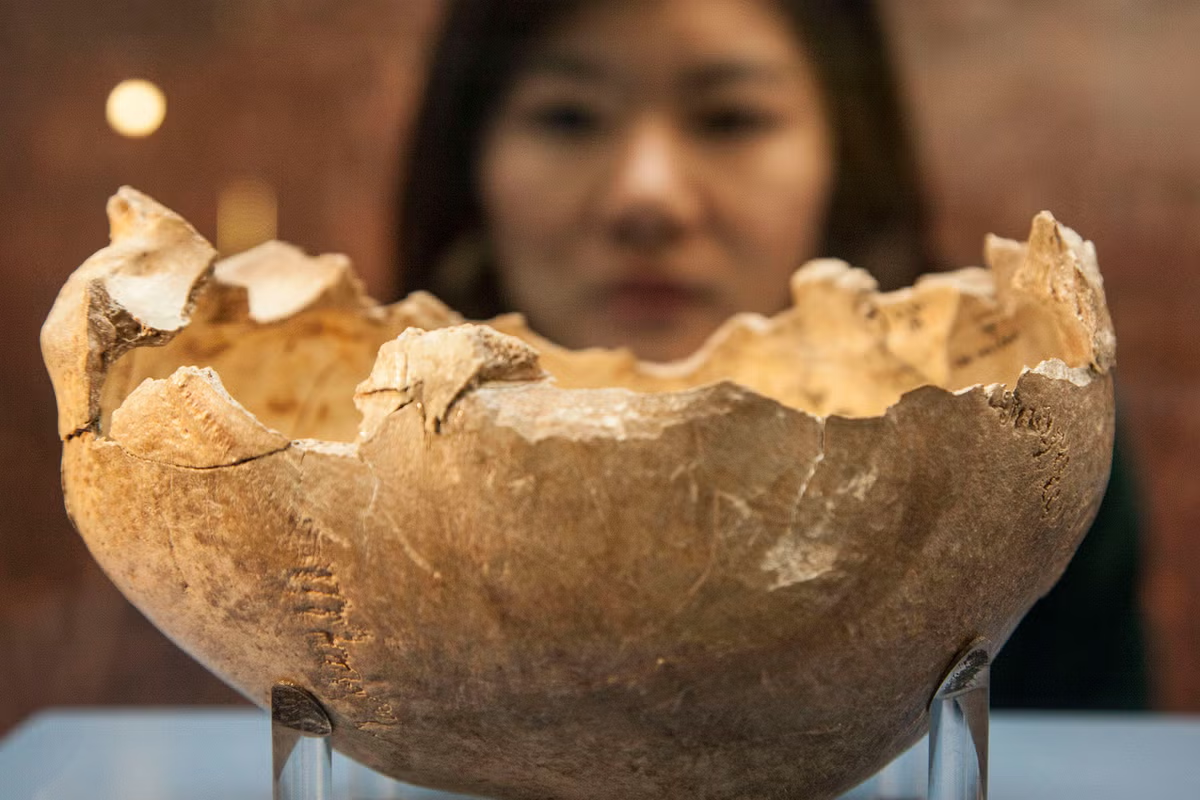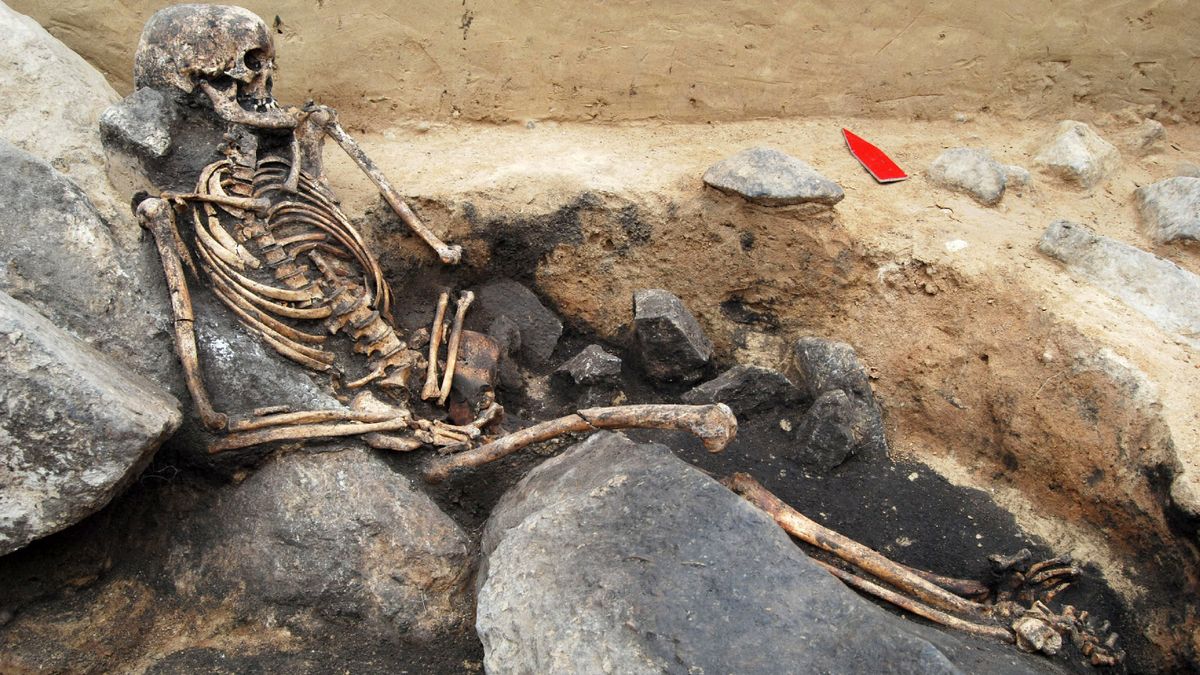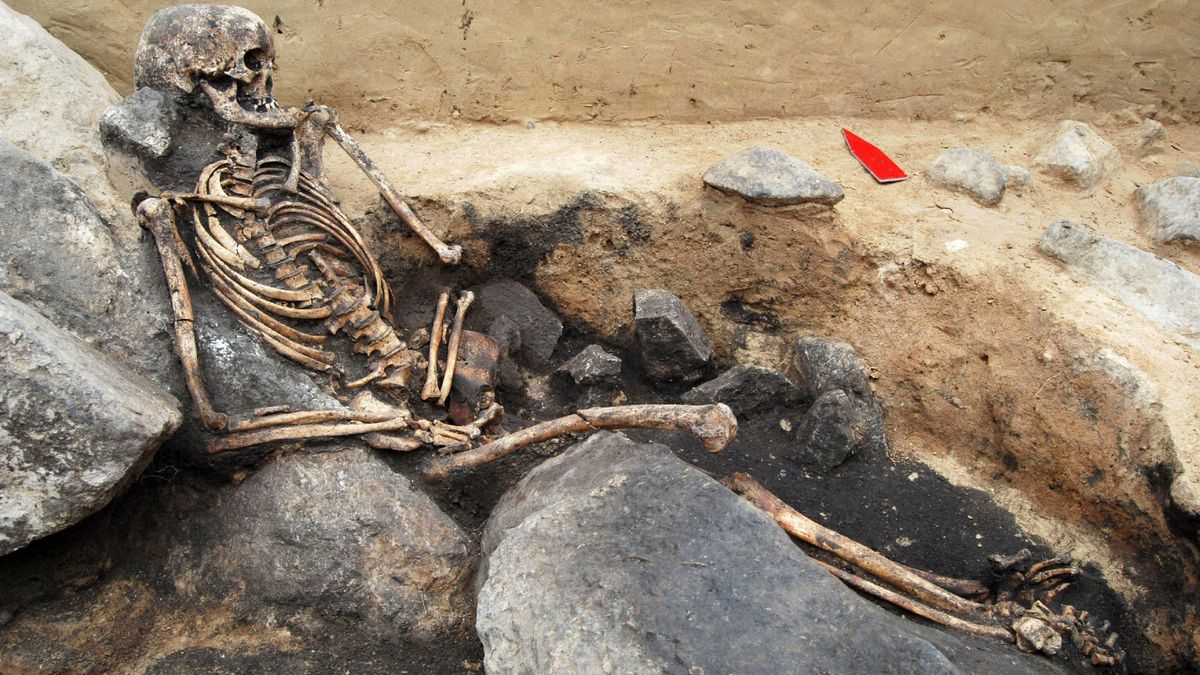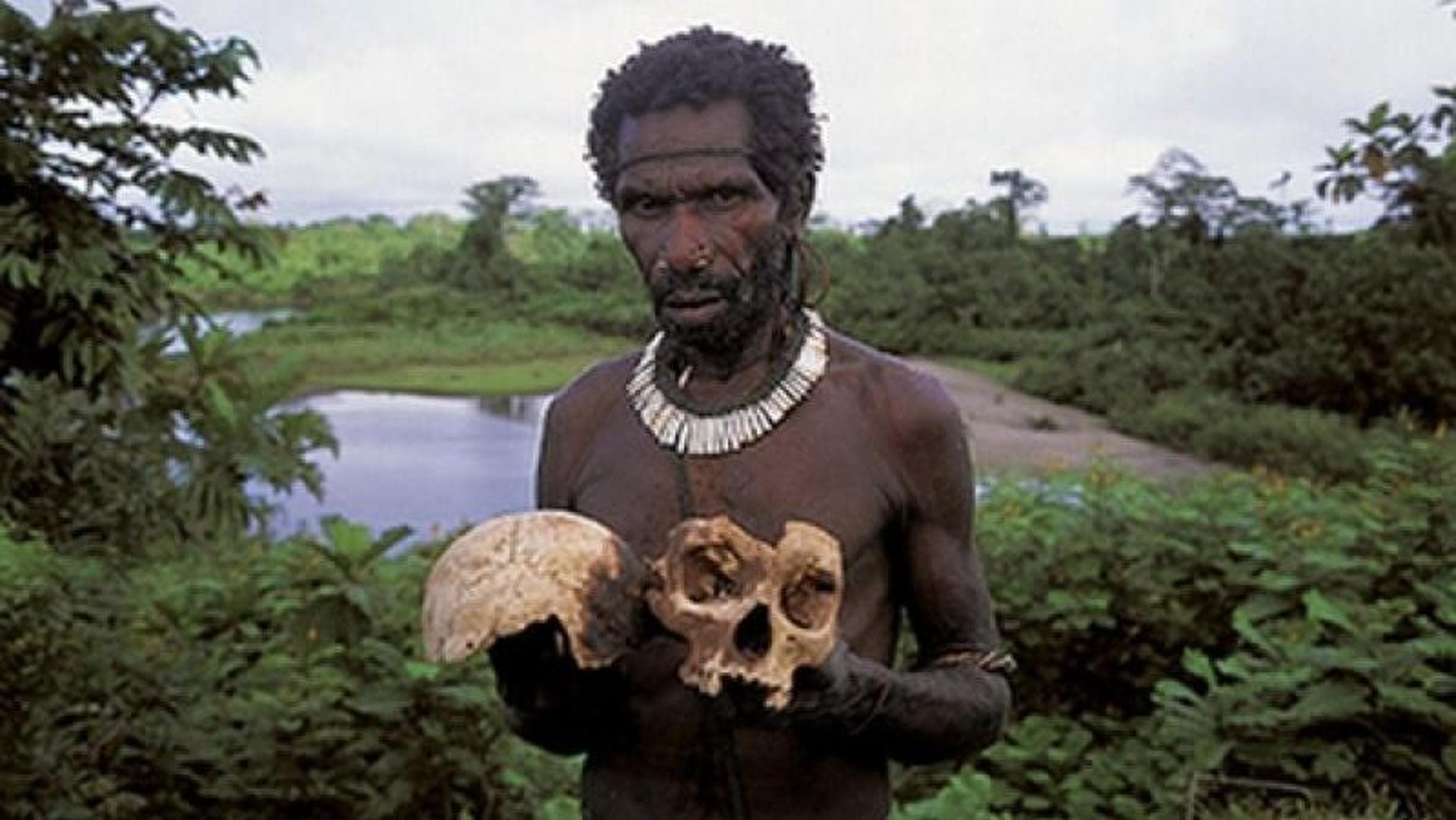
Cannibalism is something of a paradox: It's considered taboo and unacceptable, and yet the entire timeline of human history is dotted with records of the practice emerging. Why does Homo sapiens keep turning to it, but never stick with it?To try and find some answers, researchers from the University of Wrocław in Poland and Charles University in Czechia tackled the question from a math perspective, quantifying the risks versus the benefits of cannibalism.You might reasonably think that there aren't any benefits – but human flesh gives nutrients and energy to the body just like any other meat. In the most extreme circumstances, it might just save your life.As cannibalism spreads, the risk of infection increases. (Charles University)The results are published in PNAS, and show that the longer cannibalism is practised, the more dangerous and damaging it becomes, irrespective of any ethical concerns."Our model clearly demonstrates that regular cannibalism is unsustainable for human populations in the long run," says theoretical and evolutionary biologist Petr Tureček, from Charles University.There's actually a very limited scenario where cannibalism actually makes some sort of sense, the study concludes: when other food is very scarce, when the cannibalized humans are dead (so there's no energy expended in hunting), when the meat can be cooked for safety, and when you're not consuming people who were themselves cannibals.Beyond that, everything starts to mount up quickly in the 'reasons against' column. This is primarily due to the risk of infection and disease transmission: When pathogens circulate within the same species (which isn't the case when you're eating other meat), infections are much more likely to take hold.
Mathematics Reveals Why Human Cannibalism Keeps Reappearing
Cannibalism is something of a paradox: It's considered taboo and unacceptable, and yet the entire timeline of human history is dotted with records of the practice emerging.
680 words~3 min read