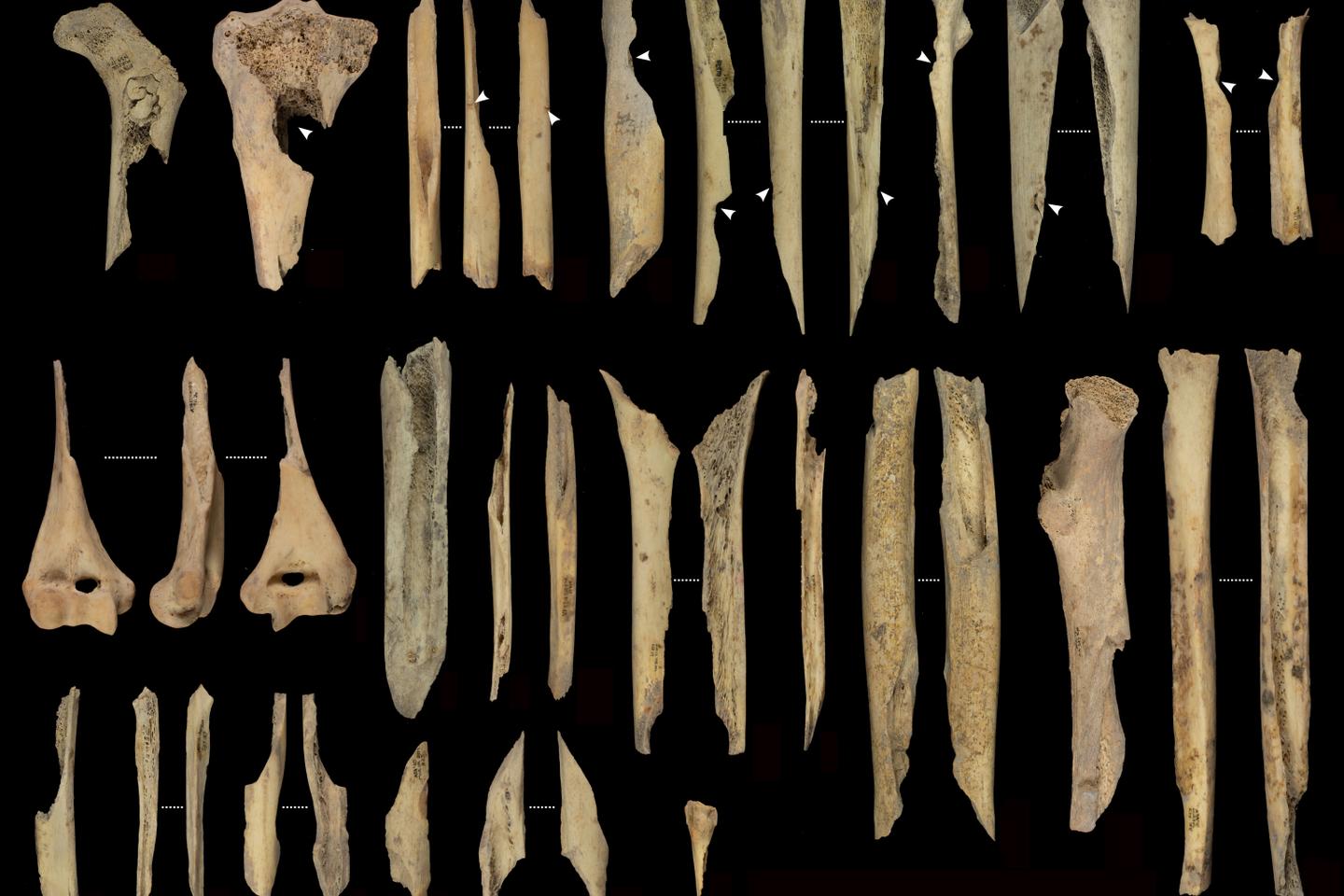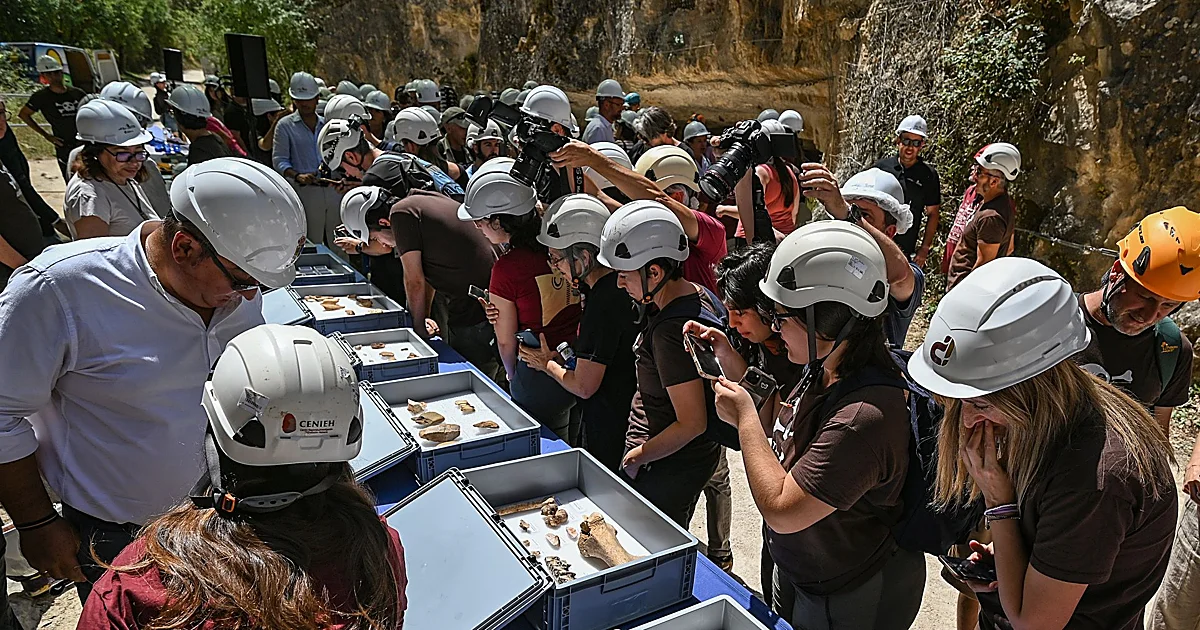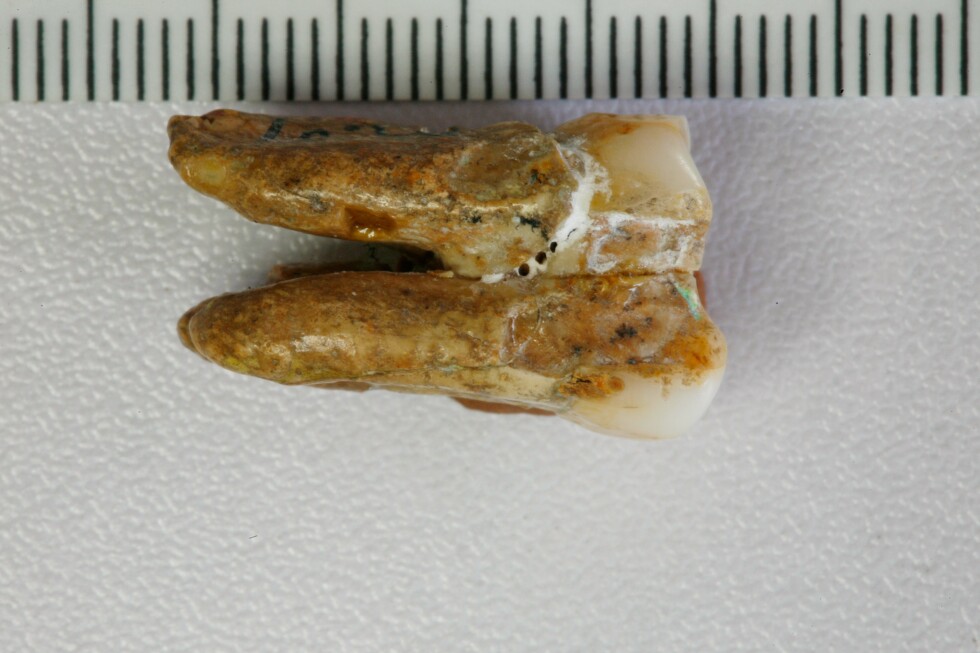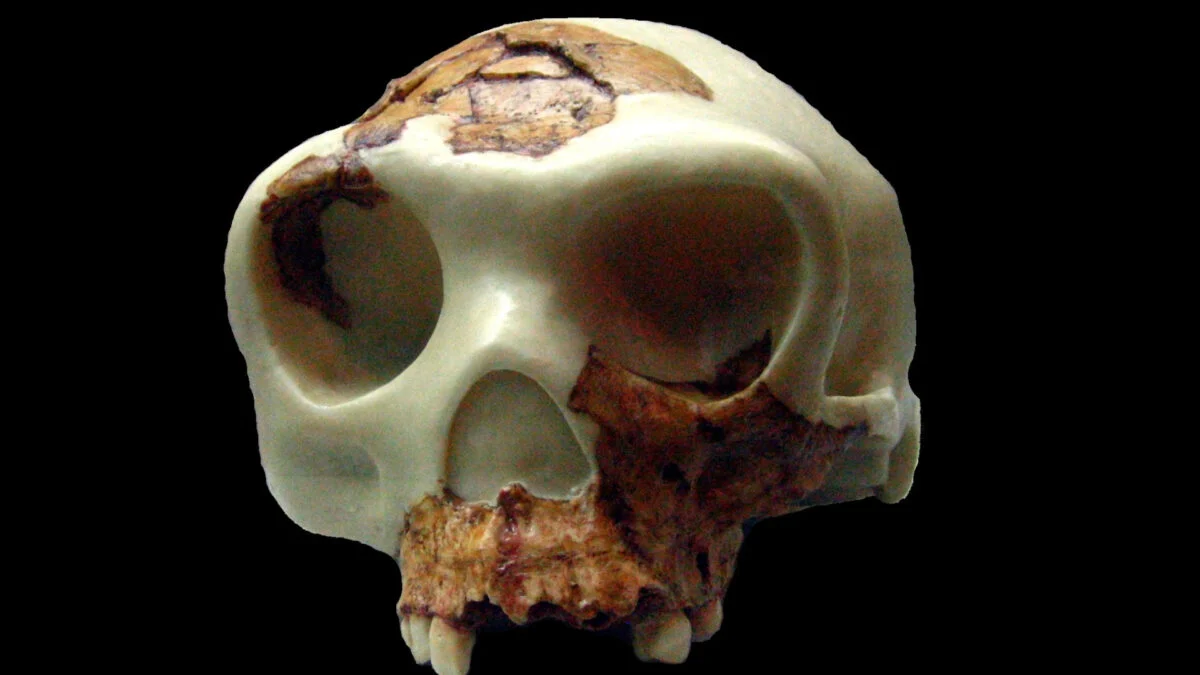
Homo antecessor is among the oldest known human relatives in Europe. Their fossils have long shown grim signs of cannibalism, mostly involving children. But a new finding suggests cannibalism was a more widespread practice among these prehistoric humans. Archaeologists with the Catalan Institute of Human Paleoecology and Social Evolution (IPHES) announced the discovery of 24 new H. antecessor fossils at the Gran Dolina site in Spain. In a translated statement (via Google Translate), the IPHES explained that the fossils included six adult individuals whose bones retained cut marks associated with cannibalism practices. This suggests that it wasn’t necessarily younger humans who were cannibalized, as previous discoveries have indicated. An ulna (lower arm bone) from an adult H. antecessor. Credit: Maria D. Guillén/IPHES-CERCA “The relationship between stone tools, faunal remains, and Homo antecessor bones allows us to reconstruct an occupation area from 850,000 years ago with an extraordinary level of detail,” Andreu Ollé, the project’s co-director, said in the statement.
In 2010, archaeologists, including project co-director Palmira Saladié, proposed that H. antecessor cannibalized their young. Also at Gran Dolina, the team found bones belonging to childlike individuals with butchering marks that resembled ones left on animal remains at the site.