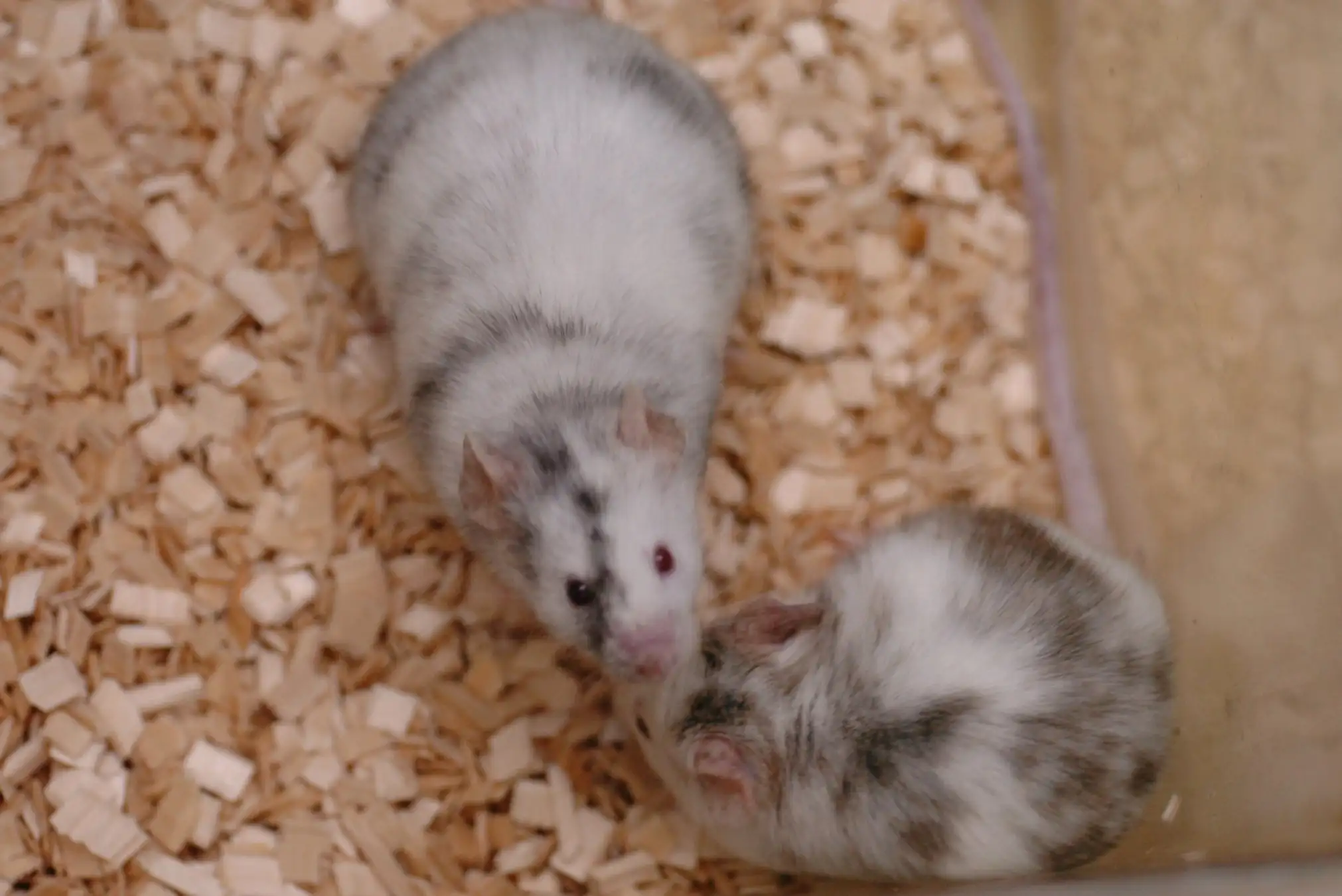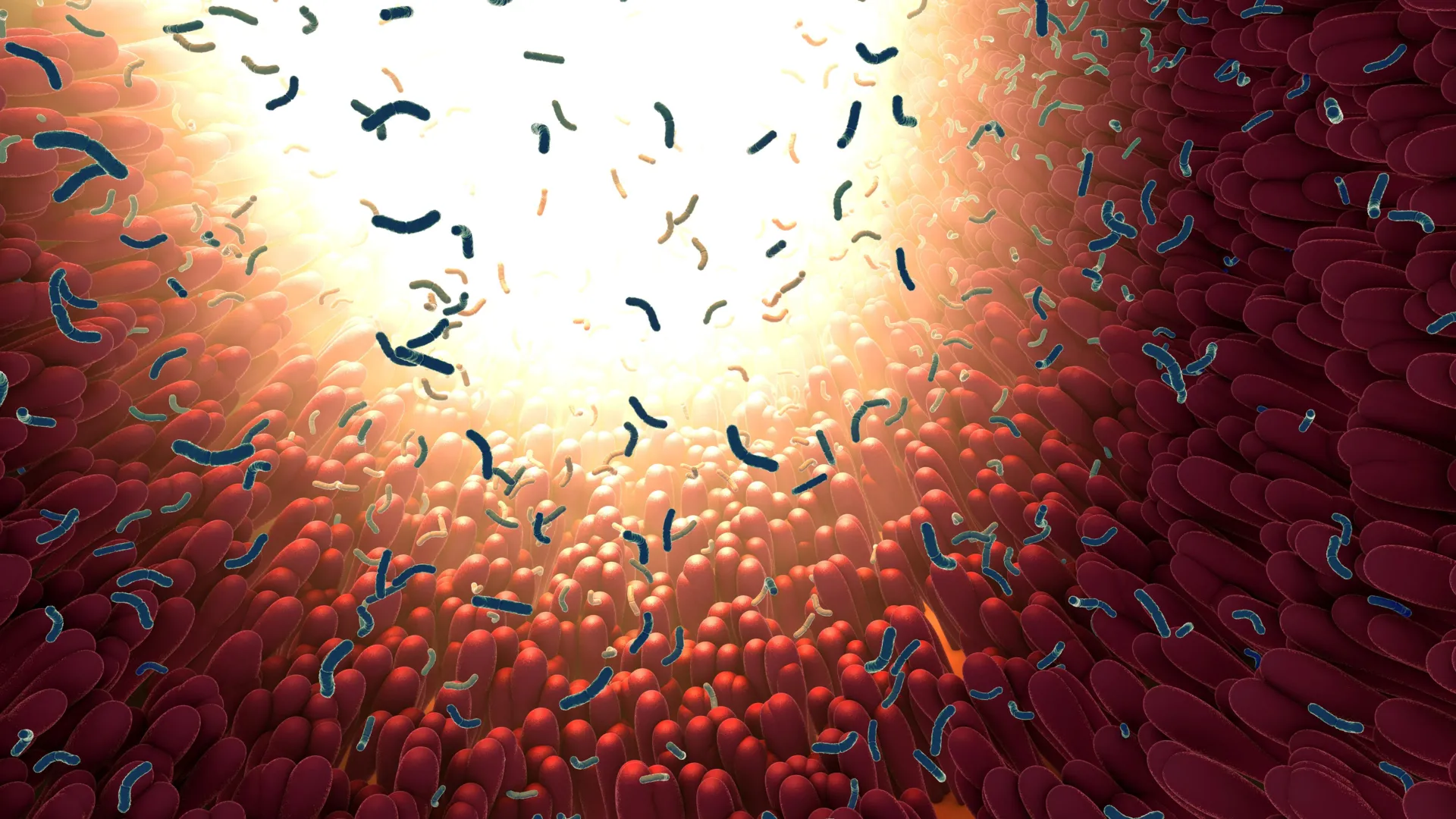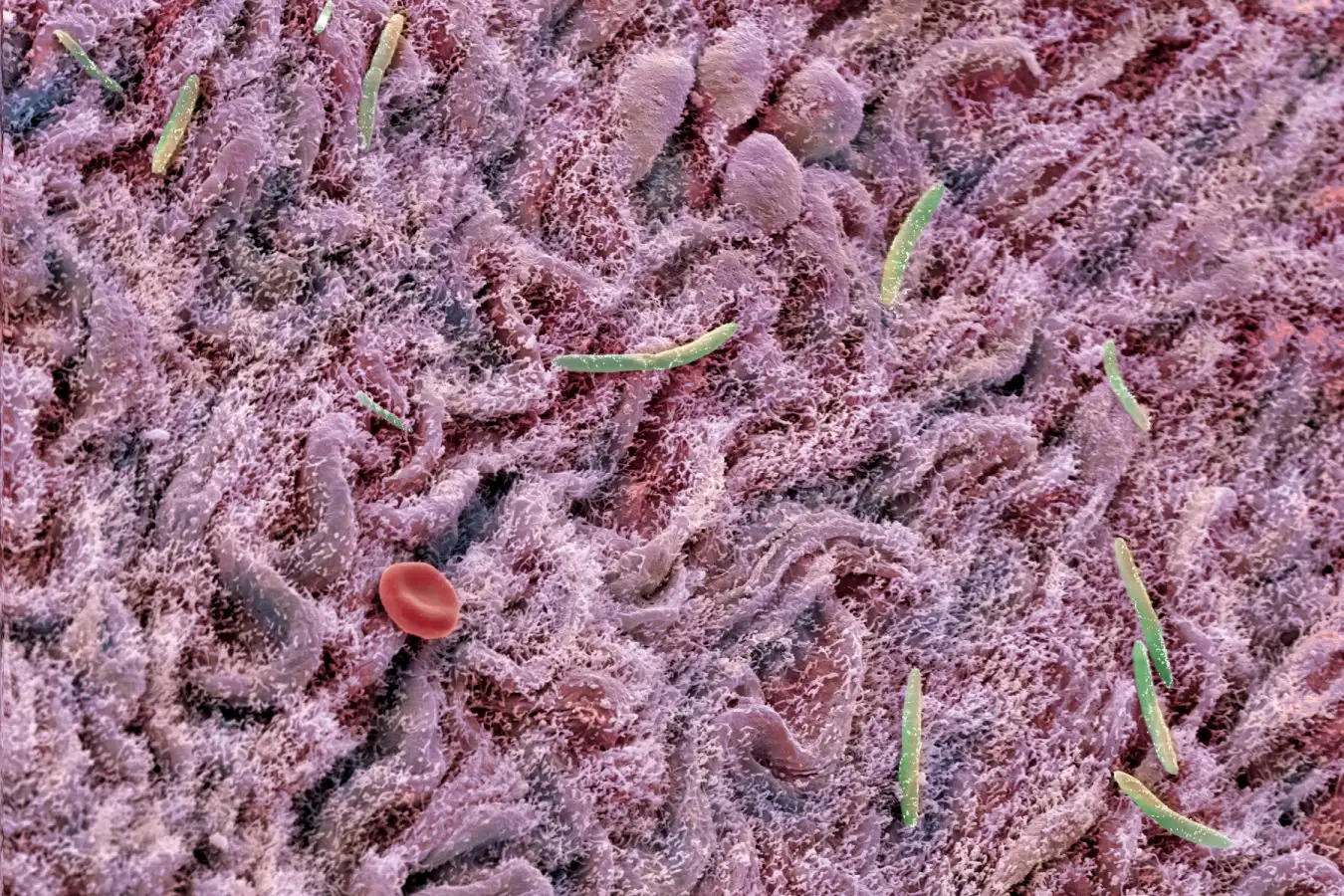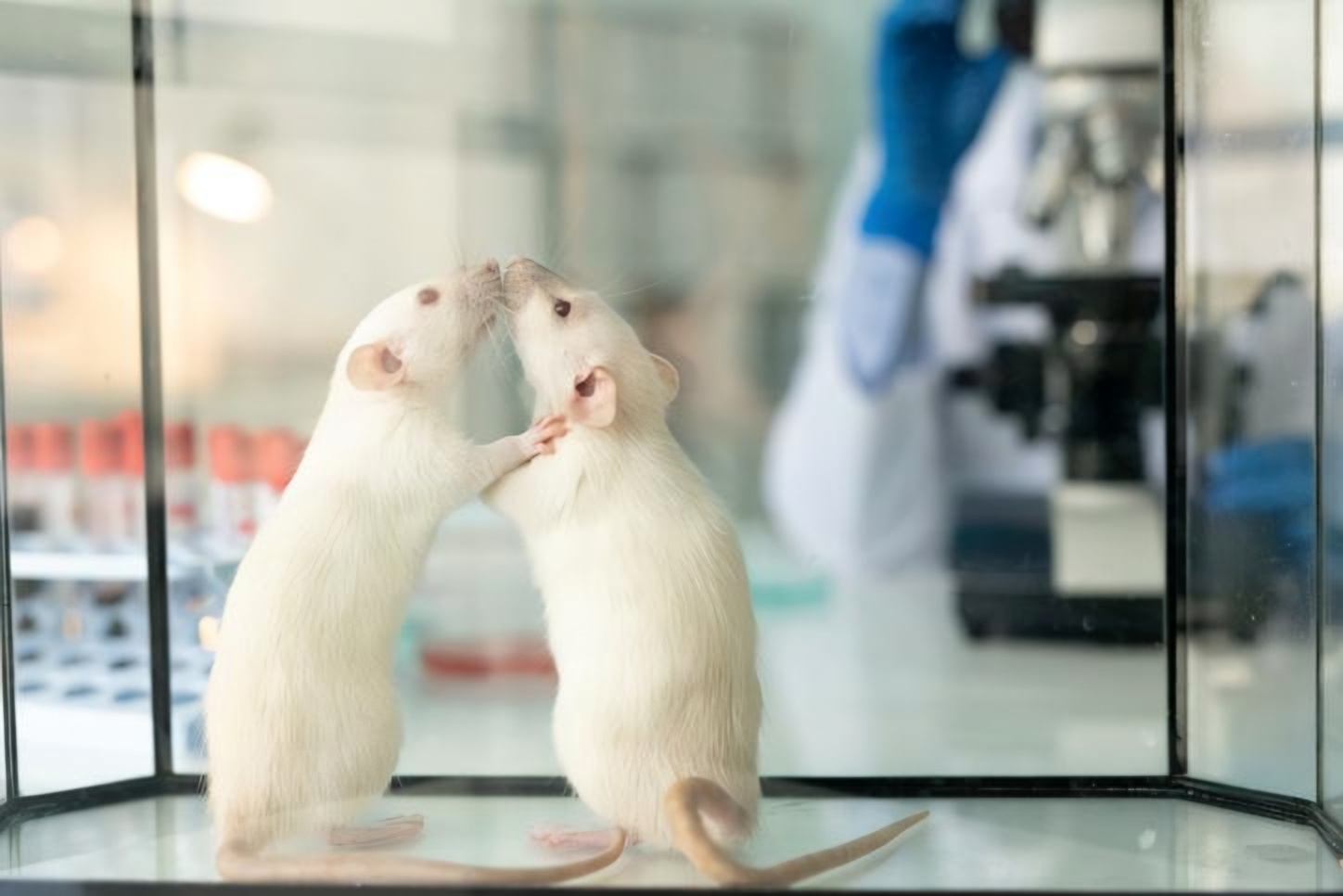
Lab mice used in research at Yonsei University helped professor Lee In-suk and his team build a new gut virome genome catalog to better predict the animals' physiological conditions and ultimately aid in the treatment of human diseases. Gettyimagesbank
Yonsei University said Monday that a research team led by Lee In-suk, a professor at its College of Life Science and Biotechnology, has built the world's largest gut virome genome catalog for laboratory mice and demonstrated that viral data alone can accurately predict biological aging, marking a major advance in microbiome research and biomarker discovery.
Lee In-suk, professor at Yonsei University's College of Life Science and Biotechnology. Courtesy of Yonsei University
The team analyzed 2,638 gut metagenomic datasets from Korea and abroad to build the Mouse Reference Gut Virome (MRGV), comprising 109,778 viral genomes representing 28,824 viral species. The world's largest catalog of its kind expands known viral diversity by about 68 percent compared with existing databases.
The researchers also reconstructed hundreds of thousands of previously unassembled viral genomes, substantially improving genome completeness.