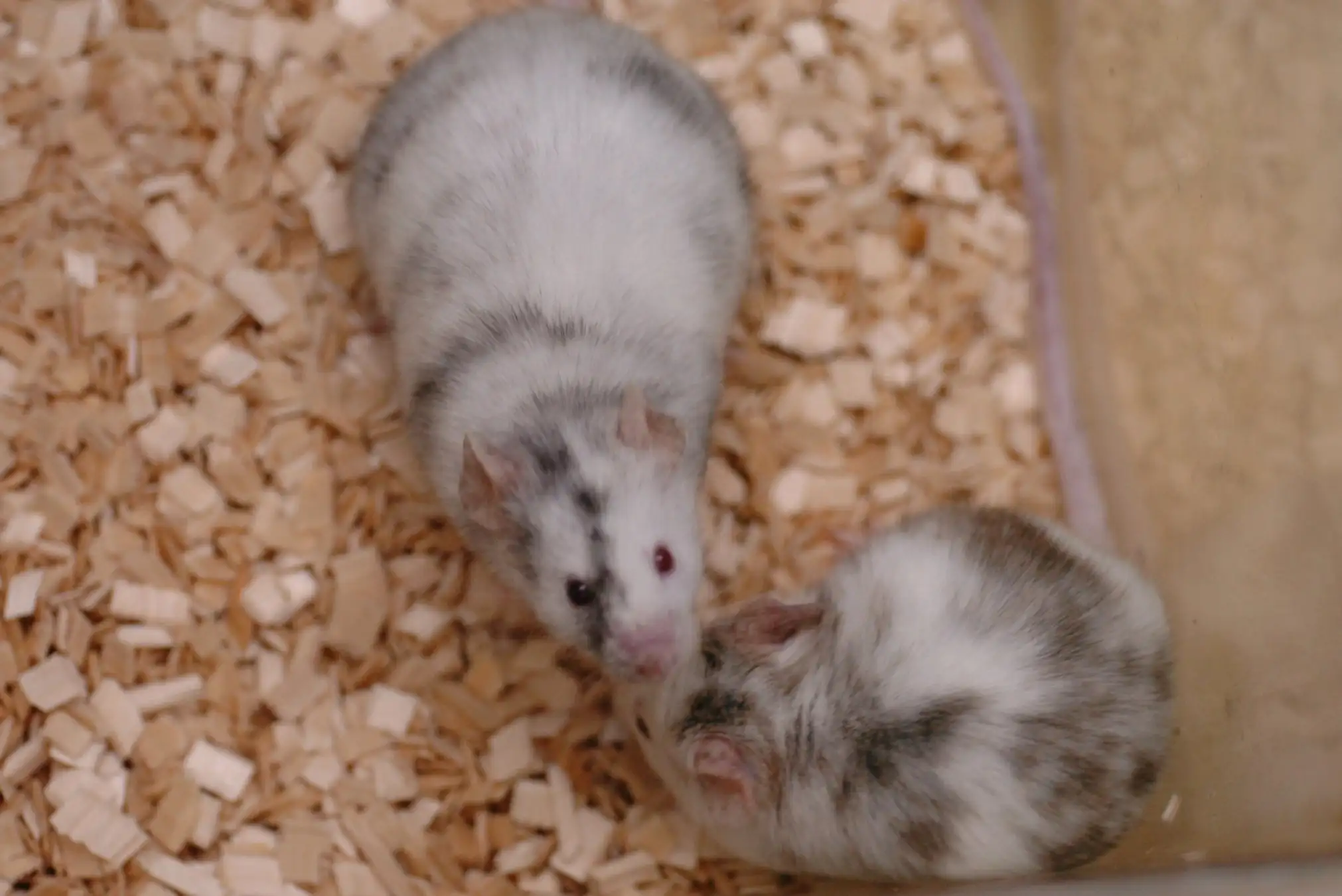
These chimeric mice are made up of some cells with a rat chromosomeUniversity of Yamanashi
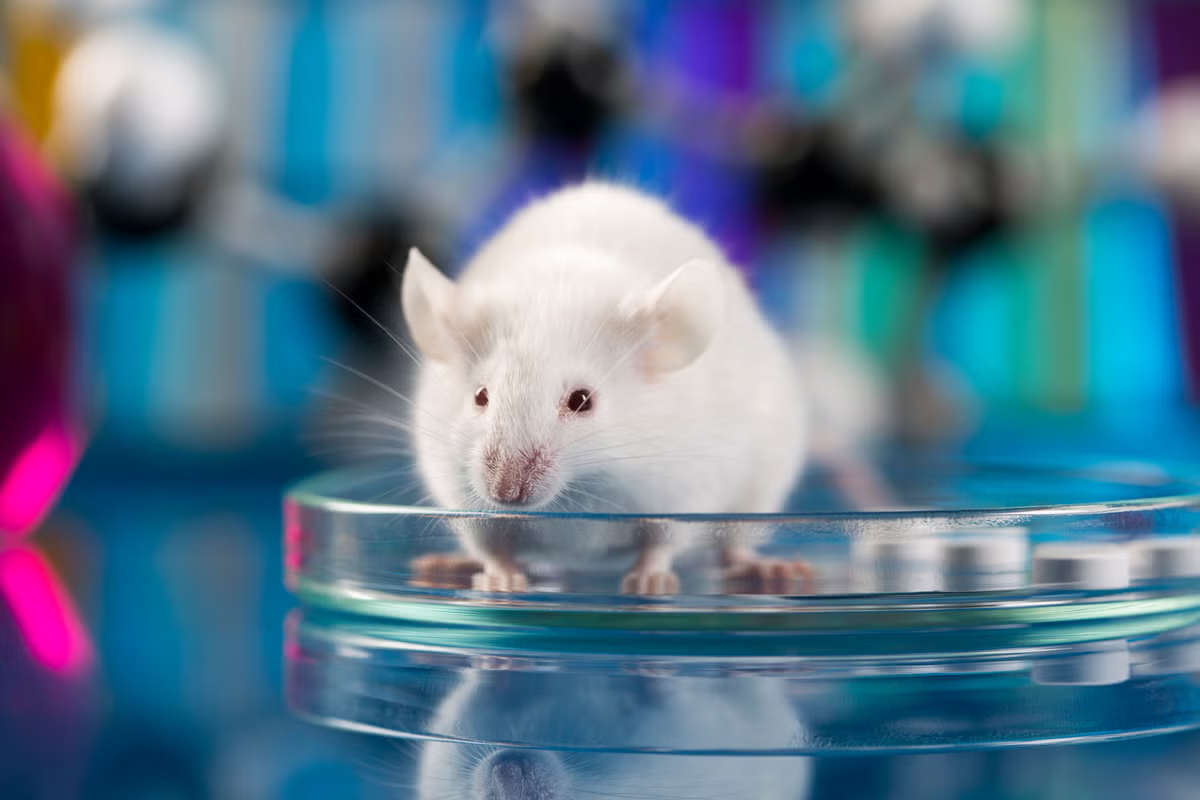
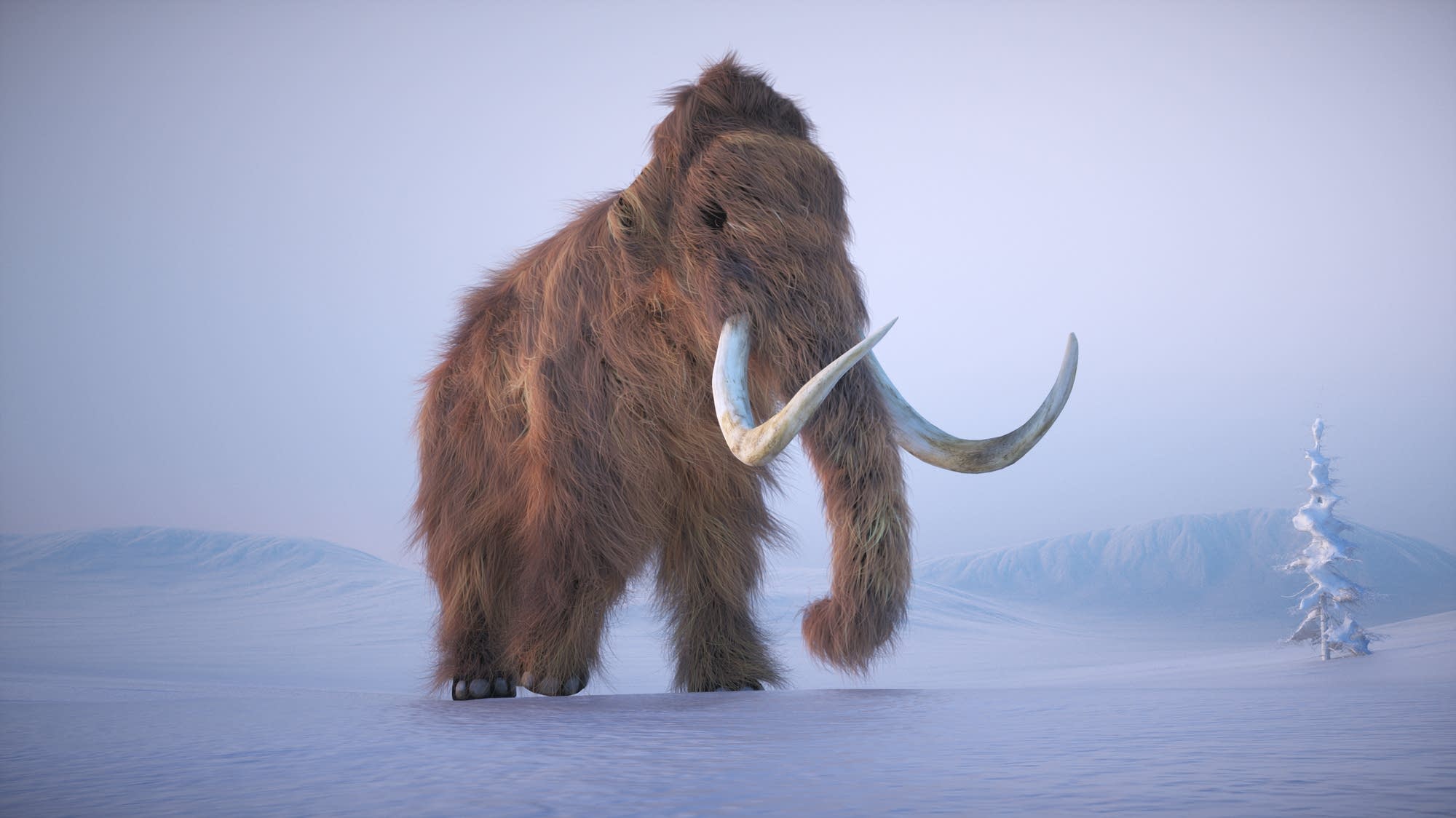
The de-extinction company Colossal Biosciences could be about to get leapfrogged. It might be possible to resurrect mammoth chromosomes in living cells after scientists transferred a chromosome from a rat that has been deep-frozen for more than a year into living mouse cells. They then generated entire mice in which some of their cells contain an added rat chromosome.
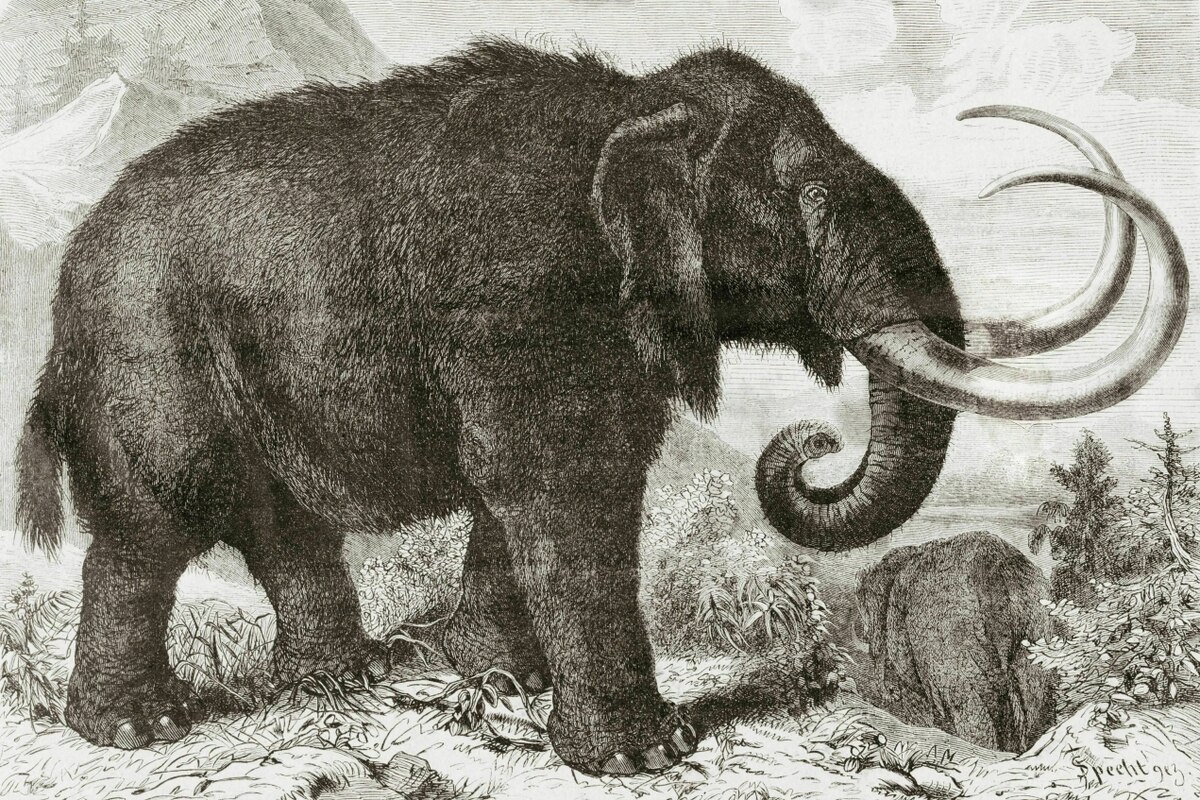
“Once we have refined the technique, we’ll start testing it on elephant cells,” says Teruhiko Wakayama at Yamanashi University in Japan. “If we succeed in introducing elephant chromosomes into mouse embryonic stem cells, we definitely want to try it with mammoths.”
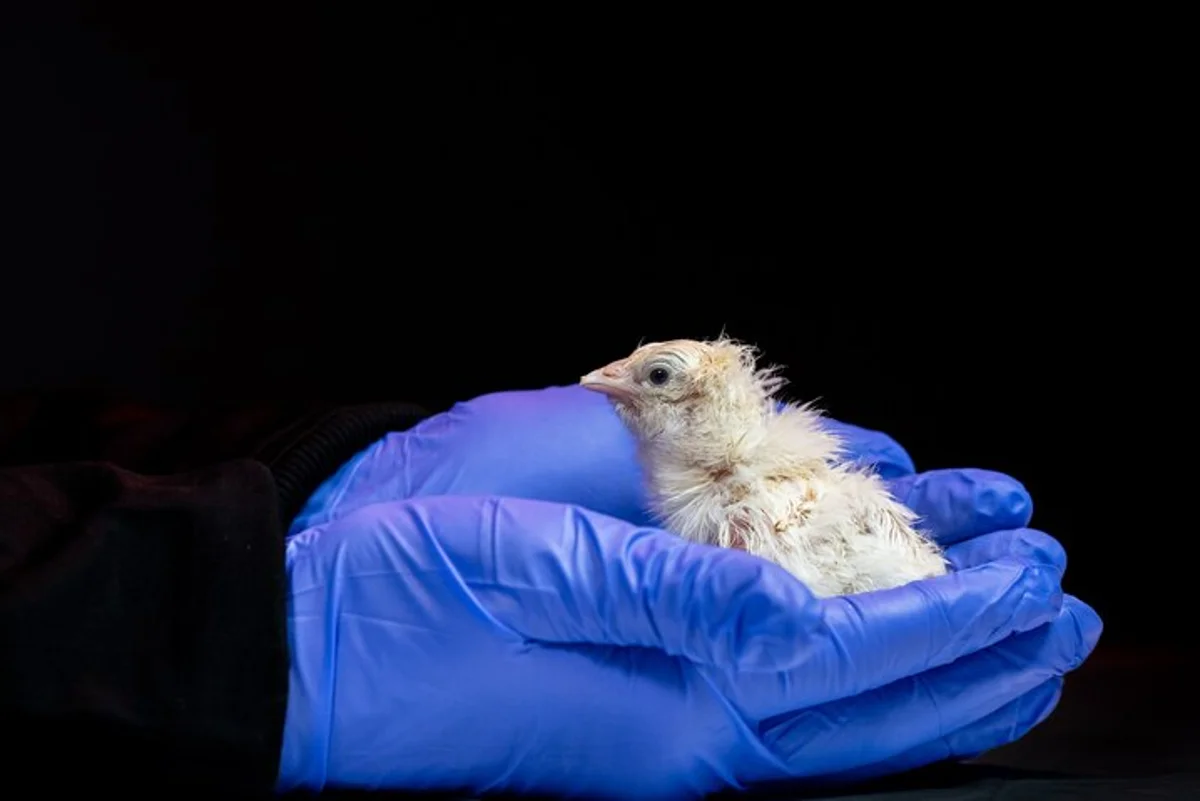
The team’s immediate aim is to study the activity of genes from extinct animals in living ones, which could reveal far more than just analysing genetic sequences. But the work could also help with conservation and de-extinction efforts. For instance, we have frozen tissue from a bird called the Hawaiian poʻouli that went extinct in 2004. A quirk of biology means chromosome transfer would be essential to bring it back to life.
The genomes of animals are divided into pieces known as chromosomes. When cells divide, these long strands of DNA get folded up very tightly and take on the classic cylinder shape pictured in textbooks. These condensed chromosomes, as they are called, can be made visible in living cells without damaging them, for instance, by adding pigments to antibodies that bind to the proteins around which DNA is wrapped.