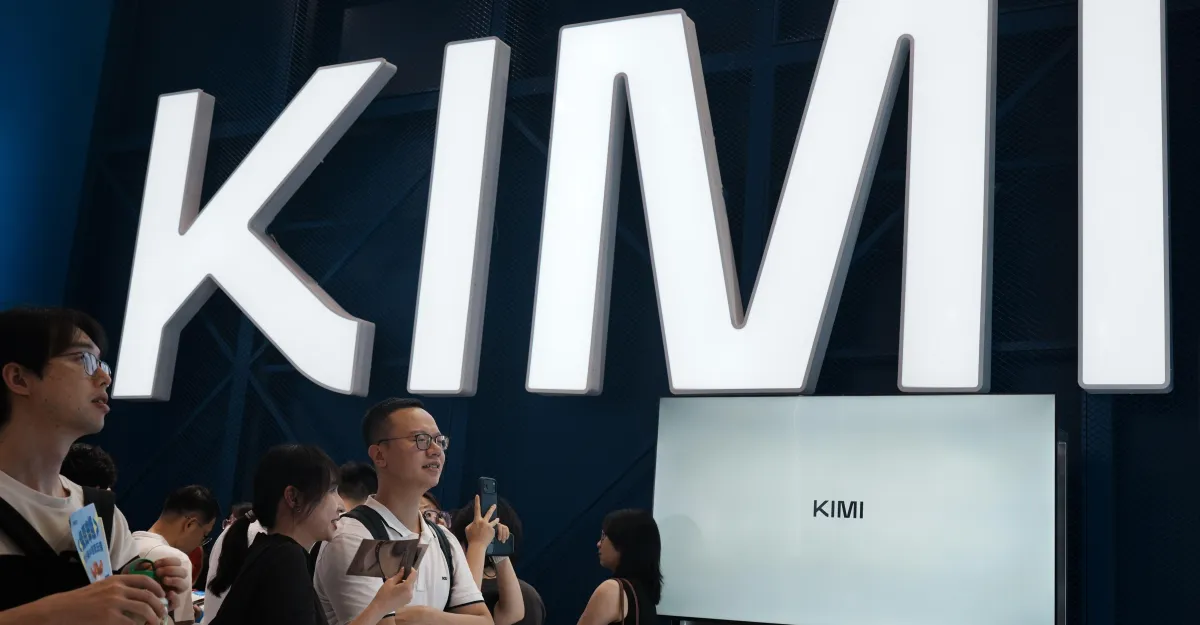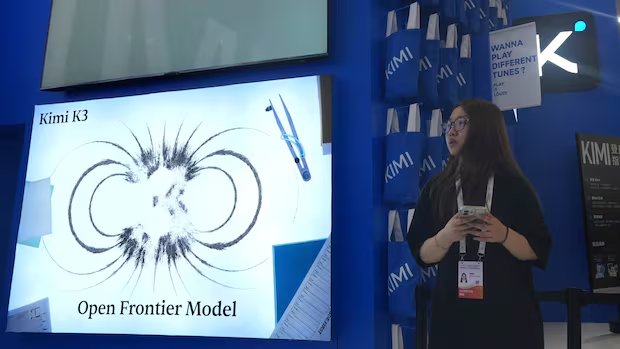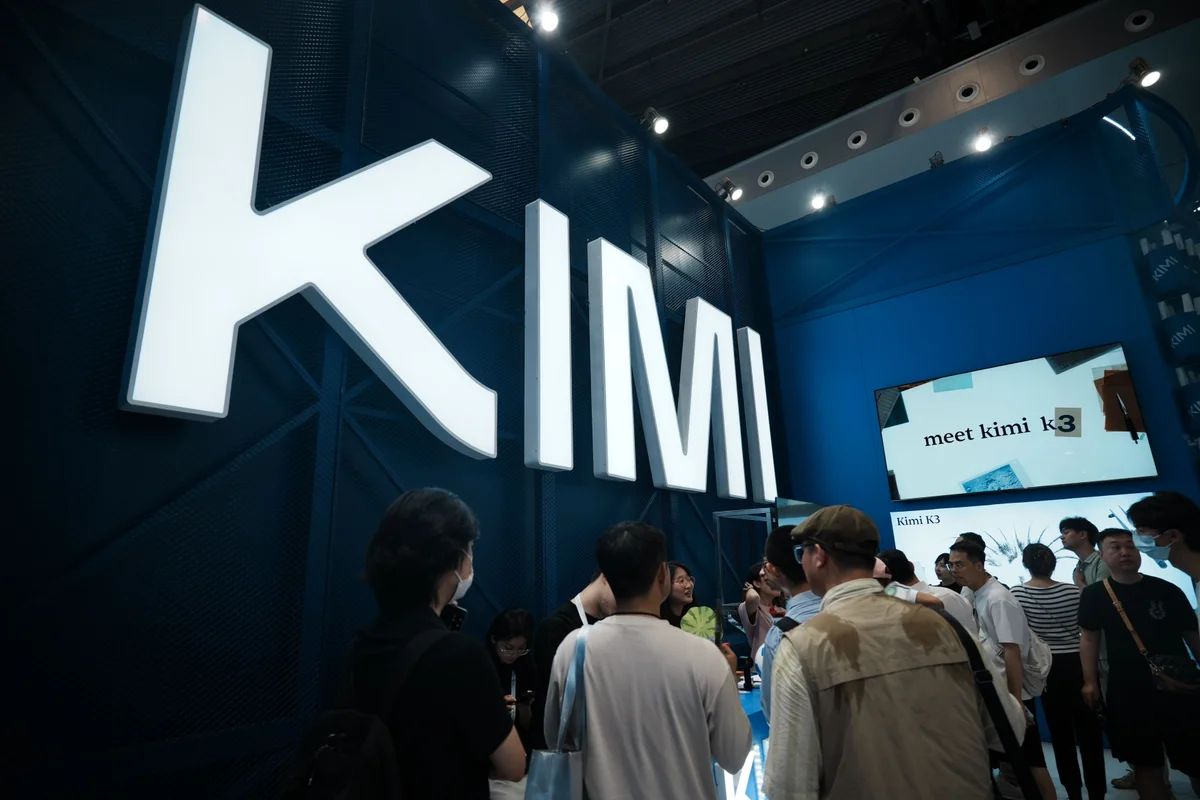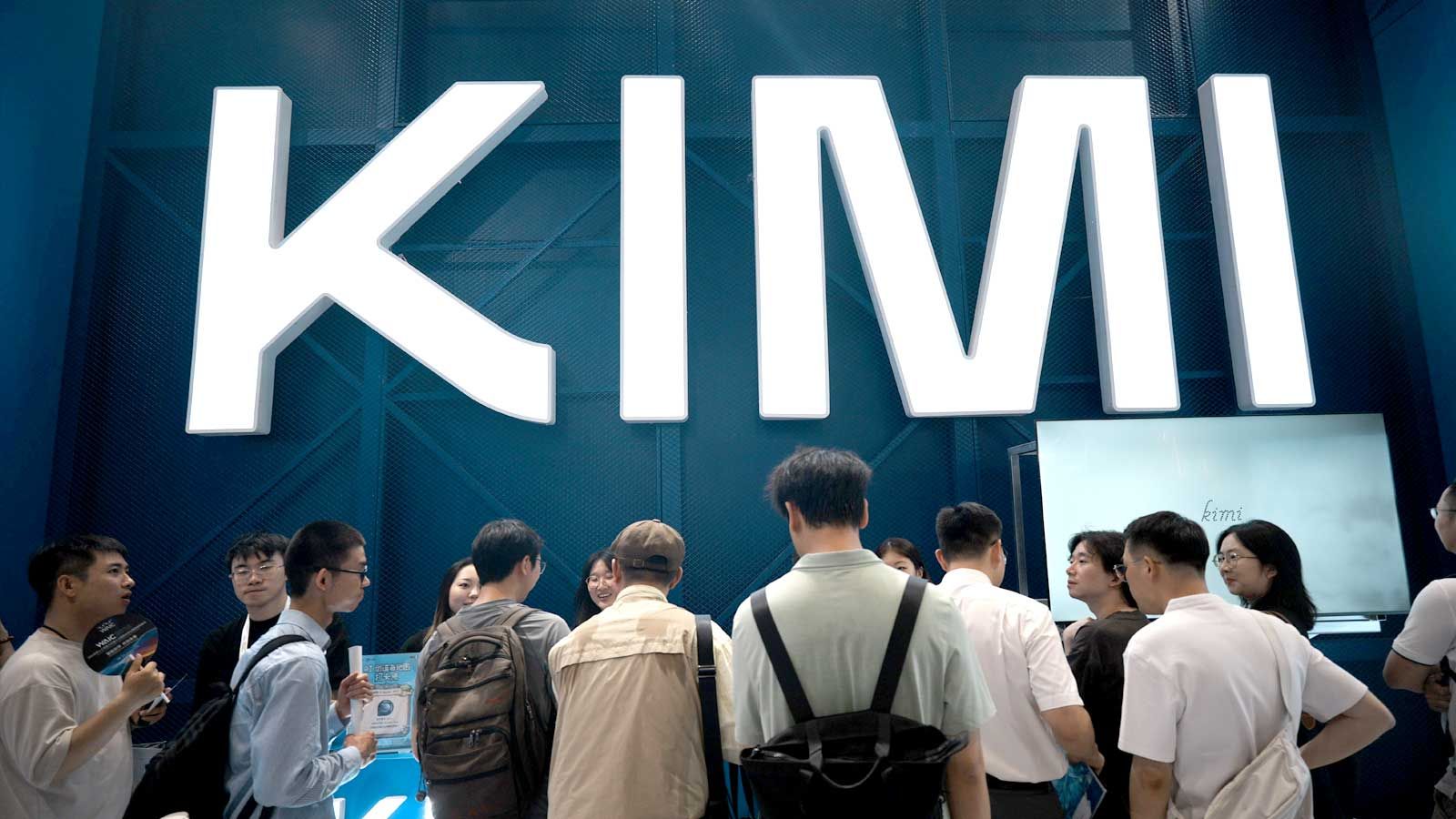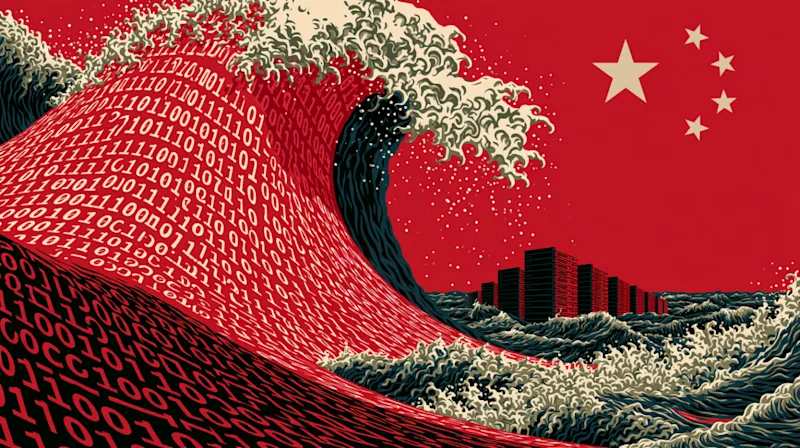
With its 2.8 trillion parameter open-weight model Kimi K3, the Chinese startup Moonshot AI is coming dangerously close to the high-end AIs from OpenAI and Anthropic. So close, in fact, that since the model's release on July 16th, heated discussions have flared up around the opening, reorientation, and regulation of the strategically important AI industry: US tech companies in particular, depending on their interests and existing or merely sought-after monopoly positions, are quite divided on how to counter the competition from China. What they all have in common: They see the threat as real, at least for one business model or another, and they clearly didn't expect it so soon.
Now, an alliance of 25 predominantly US tech companies has published an open letter. In it, they argue that the United States can only defend its leading position in artificial intelligence by building an ecosystem of open models – not by protecting a single best system.
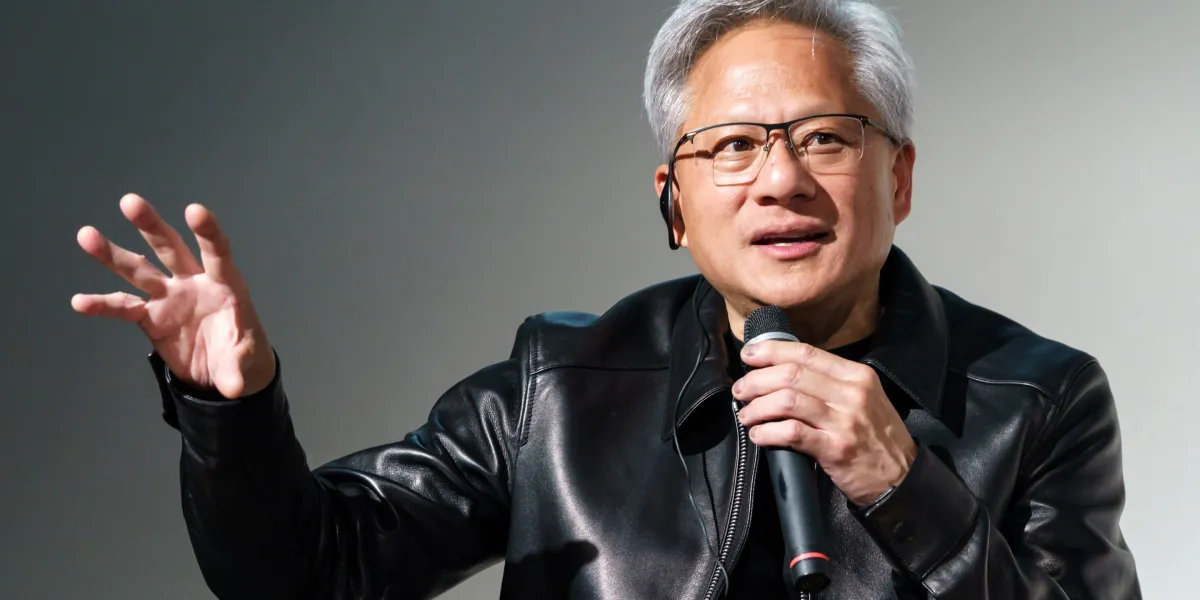
Signatories include service providers and platform operators Microsoft, Meta, Mistral, Hugging Face, as well as hardware giants Nvidia, IBM, and Dell, flanked by major investors Andreessen Horowitz and Y Combinator. The developers of the technically leading closed-source models, Anthropic and OpenAI, naturally see things differently; they are not among the signatories.