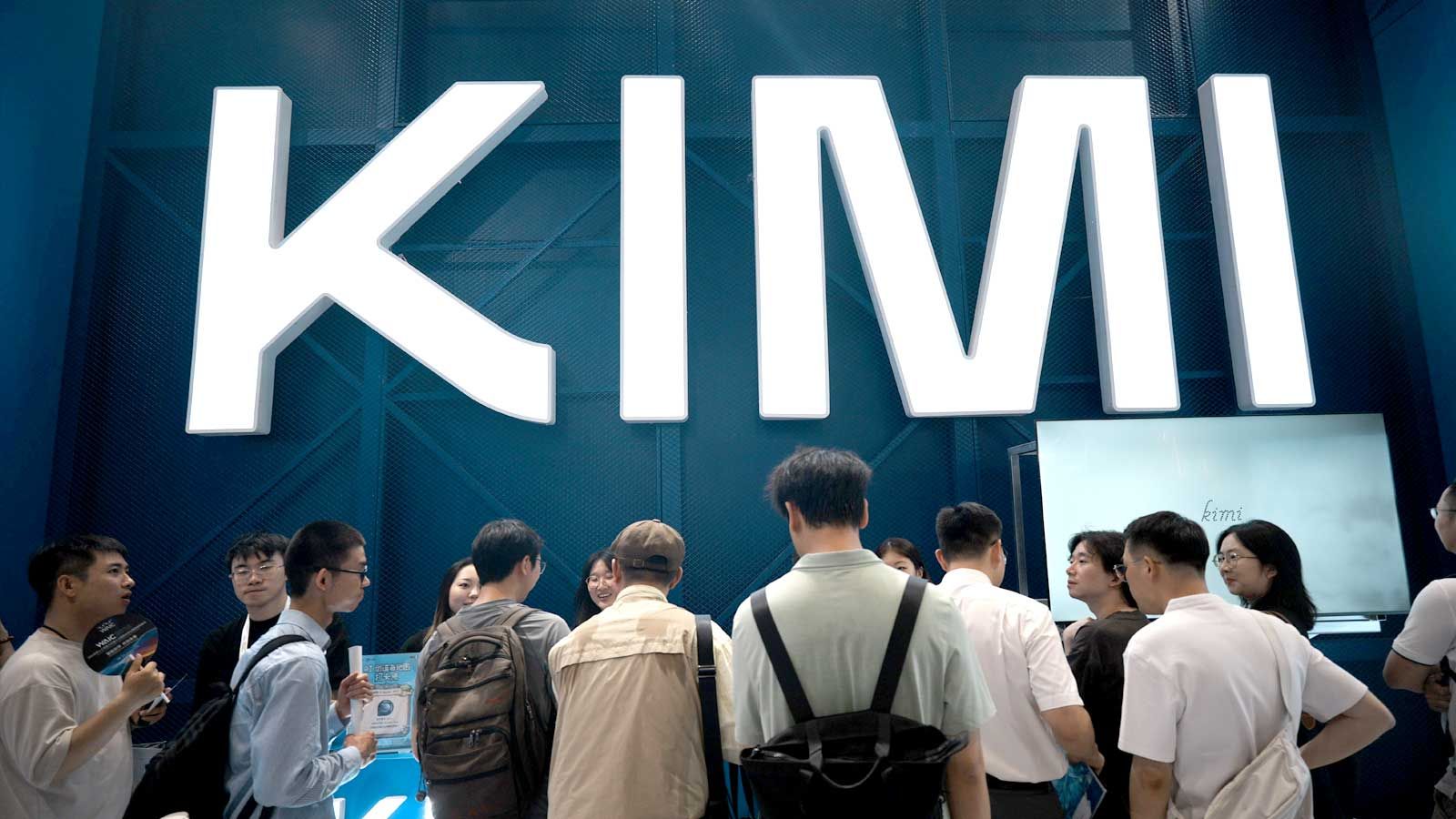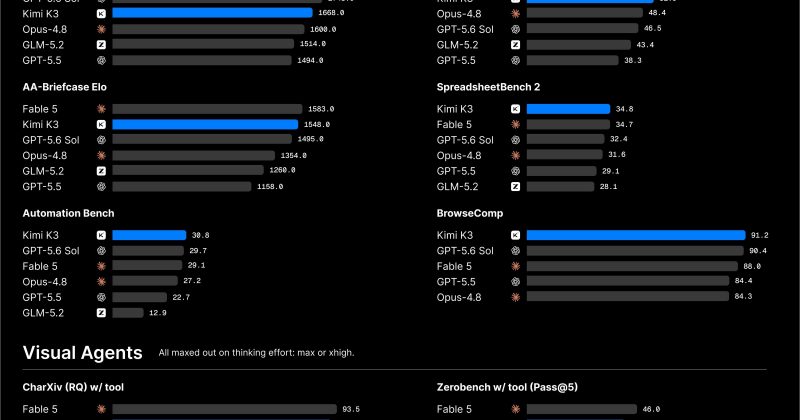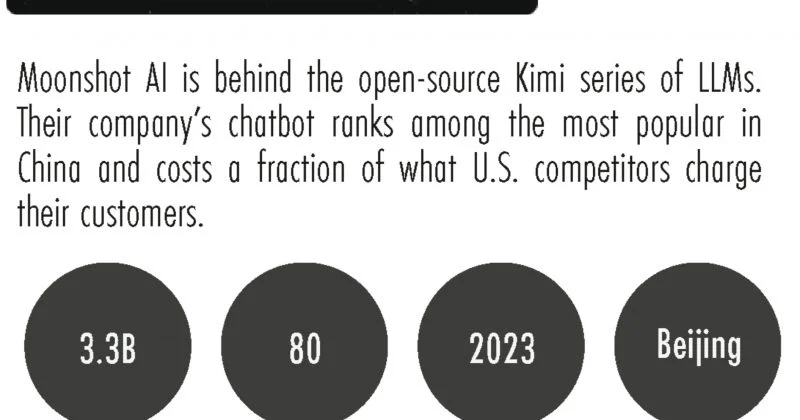
On the night of July 16, the center of gravity in open-source AI moved. Moonshot AI, the Beijing startup behind the Kimi assistant, posted the weights-ready announcement of Kimi K3: a 2.8-trillion-parameter mixture-of-experts model with a million-token context window, which promptly took first place on the Frontend Code Arena leaderboard — above Anthropic's Claude Fable 5, the most expensive and most capable commercial model on the market. Commentators who had spent a year treating Alibaba's Qwen family as the default answer to "what's the best model you can download?" spent the weekend rewriting their priors.Seventy-two hours later, the Qwen team posted a teaser. Qwen3.8 was coming. It would carry "a massive 2.4T parameters." It would be "going open-weight soon." And it would rank "compatible to leading frontier AI models, second only to Fable 5."About The AuthorAt heart, I am a storyteller drawn to the watershed moments that bend the technology landscape. I braid narrative with data, humanise statistics, and trace the arc from first spark to world-changing impact. My reportage, features and reviews are witty, sardonic, visual and vivid, using anecdote to illuminate rather than eviscerate.
Alibaba's Counterpunch: Why a 2.4-Trillion-Parameter Promise Is Really About Kimi K3, Not Parameters
Moonshot AI's Kimi K3 model is redefining the open-source AI scene, leading to a proactive response from Alibaba's Qwen team, who teased their anticipated Qwen 3.8 model. This strategic move aims to regain dominance in the open-weight AI market as competition grows. Chinese facilities are capitalizing on open model releases to navigate US chip limitations, indicating that the future of AI innovation rests on community-driven model accessibility.
1,953 words~9 min read