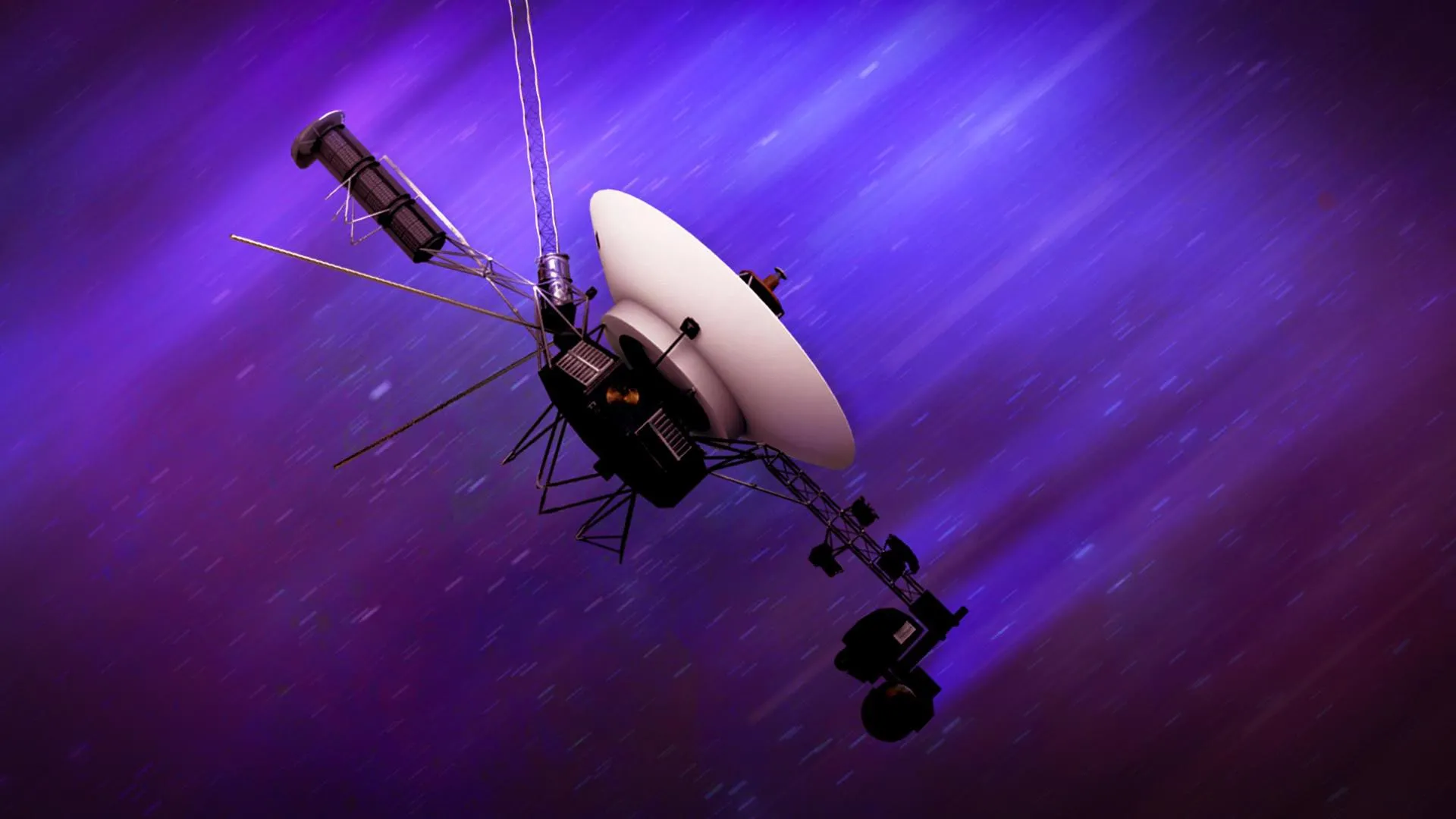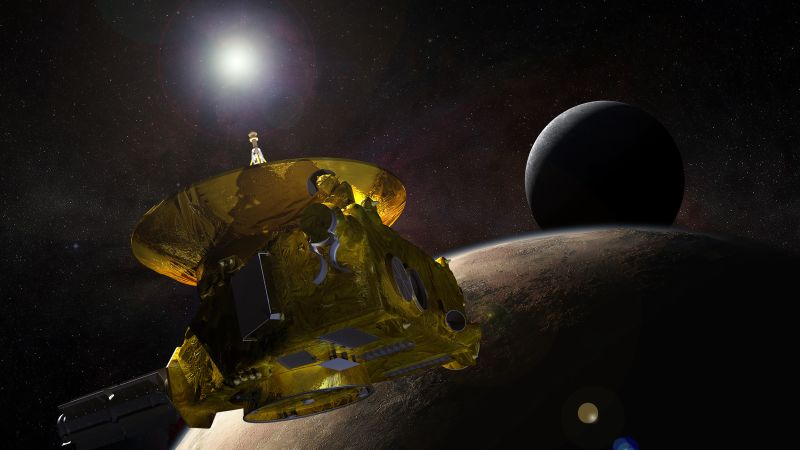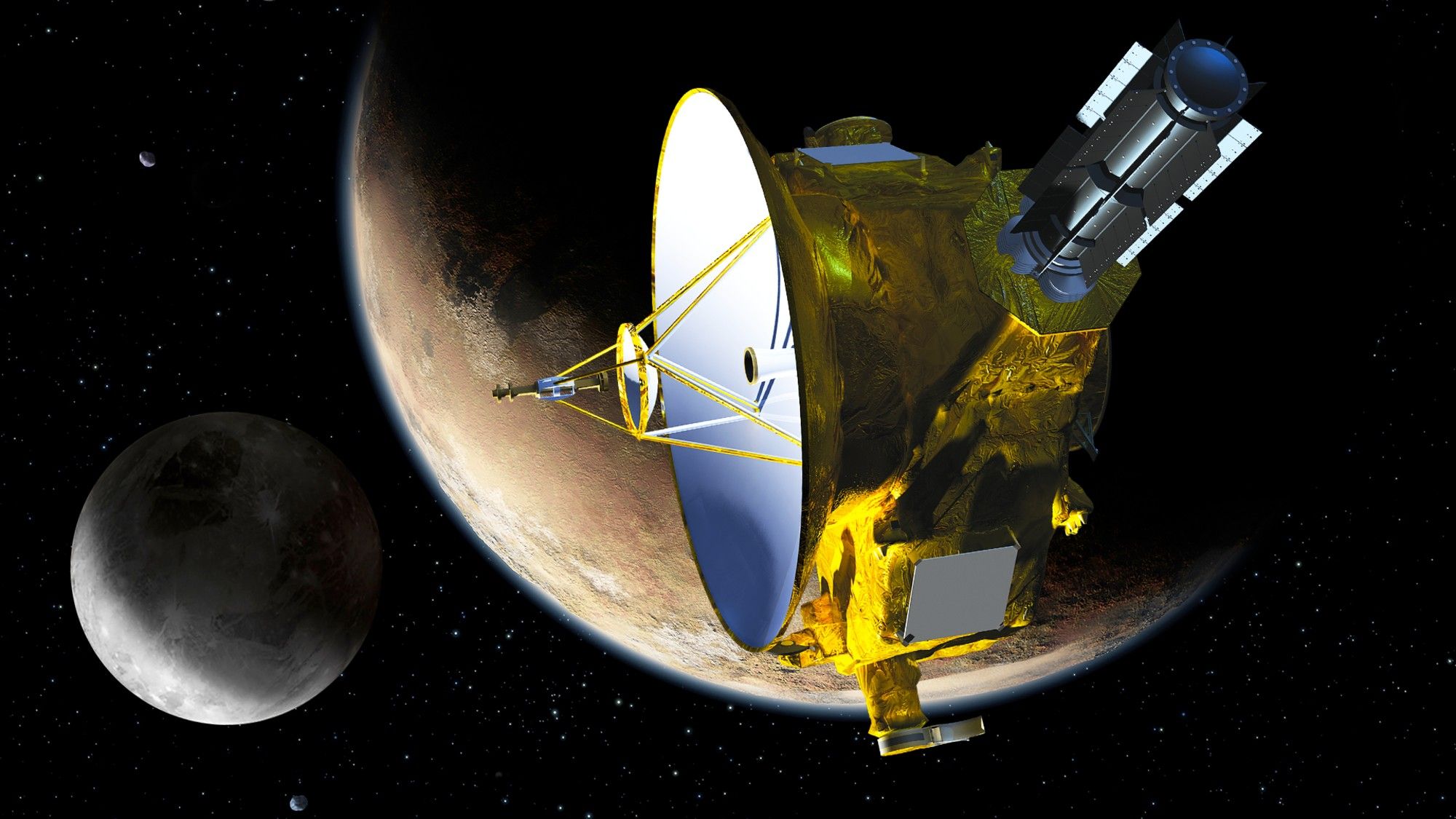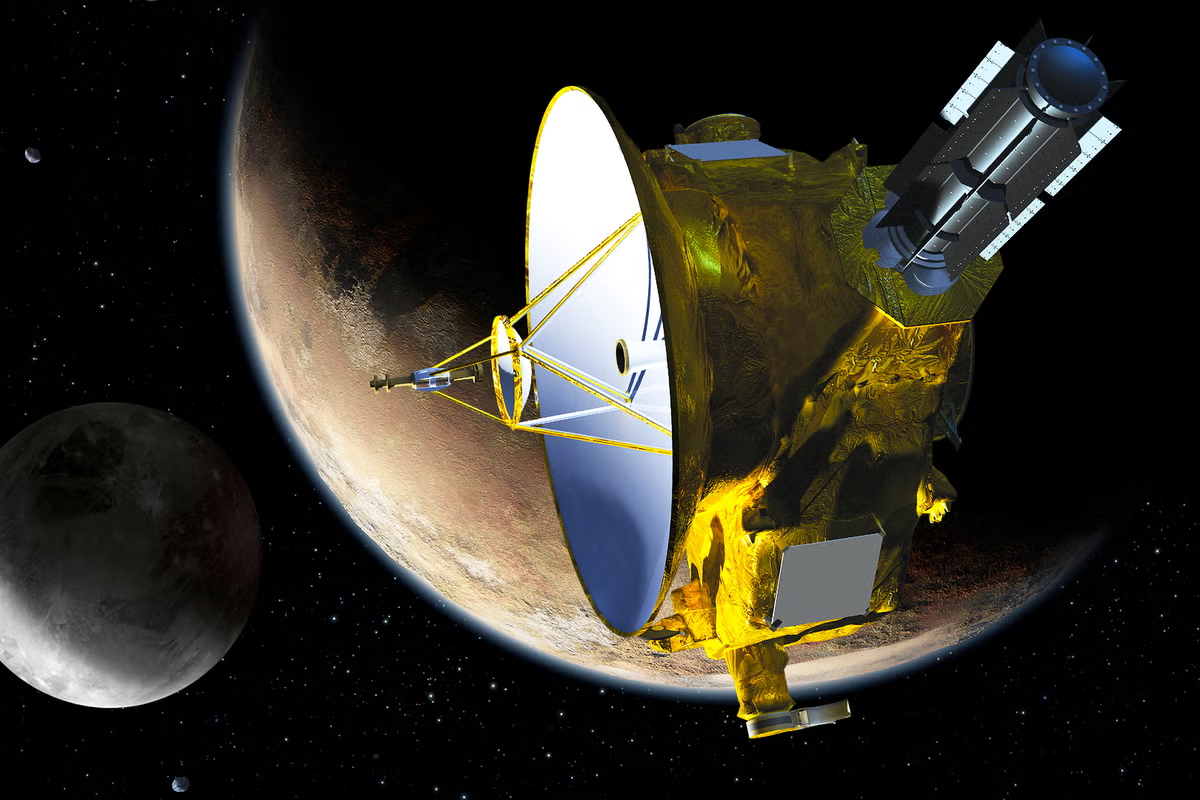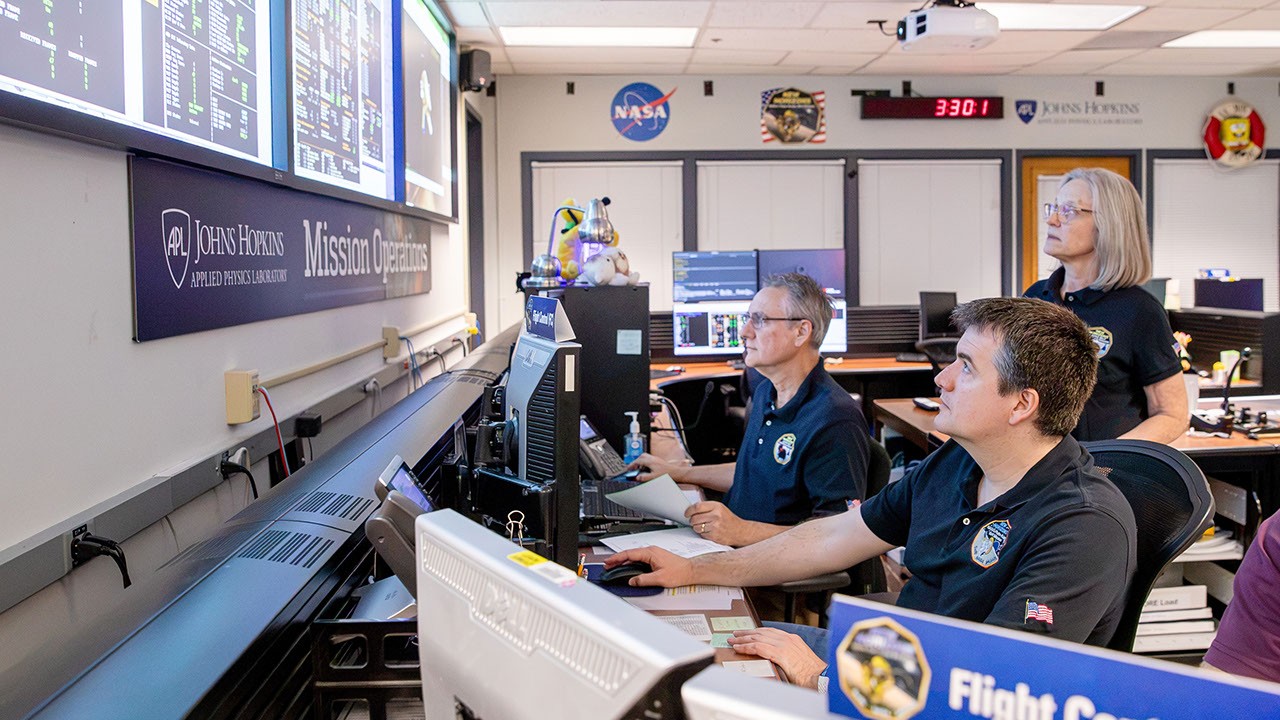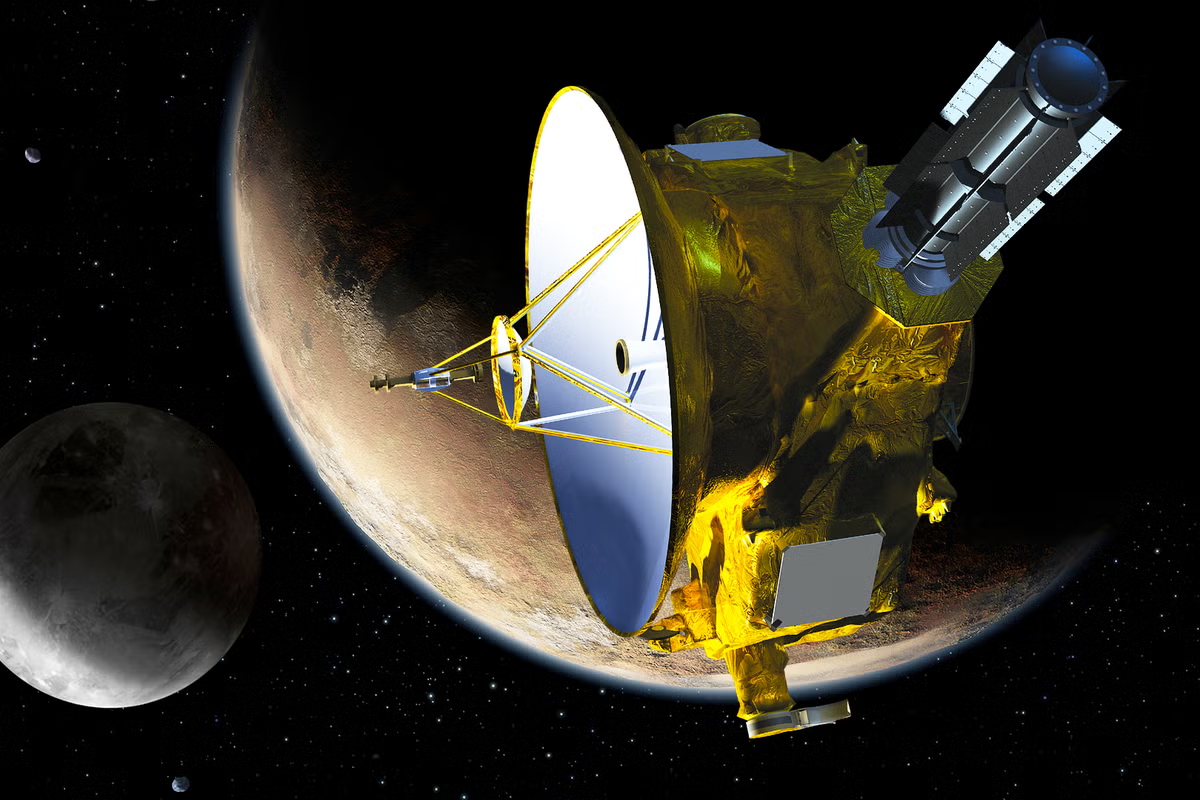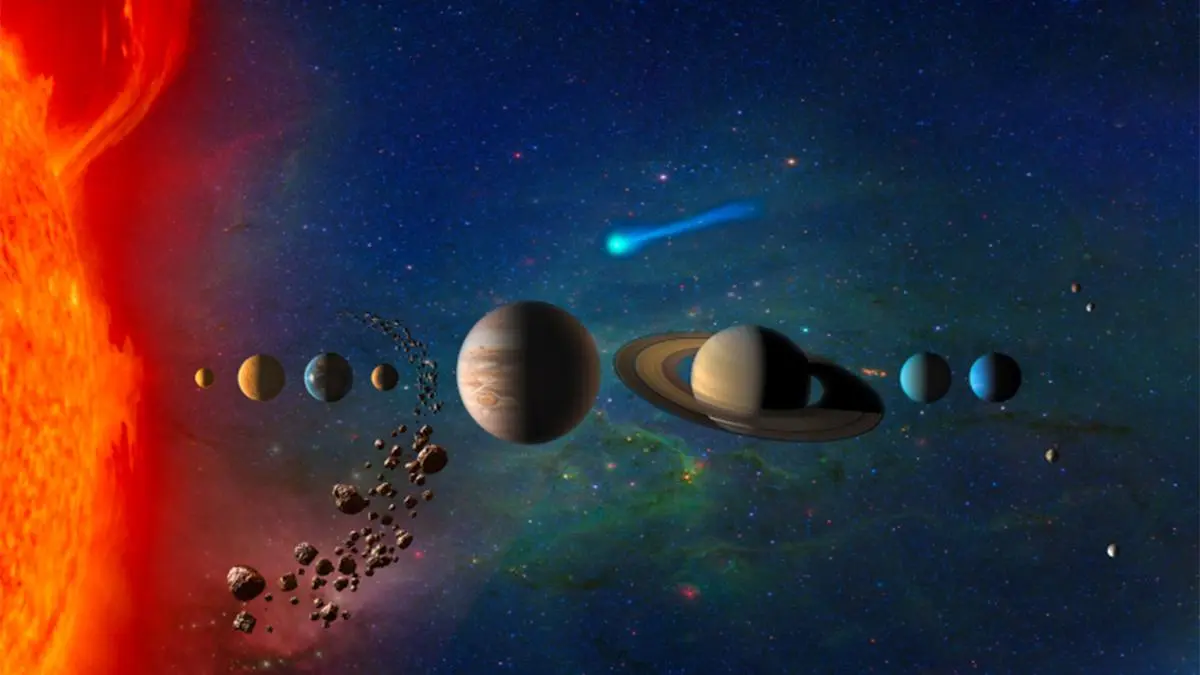
Rip Van Winkle slept for 20 years and woke up to find a changed world in the Washington Irving story. NASA’s New Horizons spacecraft ‘slept’ for only 321 days, but its awakening was equally dramatic and scientifically significant.On June 23, mission controllers of New Horizons, now 9.5 billion km from Earth, ‘woke up’ the spacecraft from the hibernation mode they had placed it in to conserve energy as it cruised along the edges of the solar system. They cheered on discovering all was well with the spacecraft.Even while ‘asleep’, New Horizons was not idle. Its scientific senses were awake; its instruments continued collecting data on the outer region of the solar system, including solar wind, energetic particles and tiny dust particles.Now awake, New Horizons will send stored data back to Earth and begin new observations of the distant heliosphere — the vast bubble around the solar system created by the Sun’s influence. Far ahead of the heliosphere lies the heliopause, the invisible boundary where the Sun’s influence fades away and interstellar space begins. New Horizons is meant to probe the heliopause.Launched in 2006, it made history as the first spacecraft to fly past Pluto in 2015, and later explored Arrokoth, a distant object in the Kuiper belt. It continues its lonely journey through the outer reaches of the solar system, where few human-made machines have ever ventured.Only the twin Voyager probes, launched in 1977, have gone farther than New Horizons while still being functional.Published on July 27, 2026
Wake up and smell the cosmos
NASA's New Horizons awakens to explore the heliosphere, sending back valuable data from the solar system's outer reaches.
248 words~1 min read