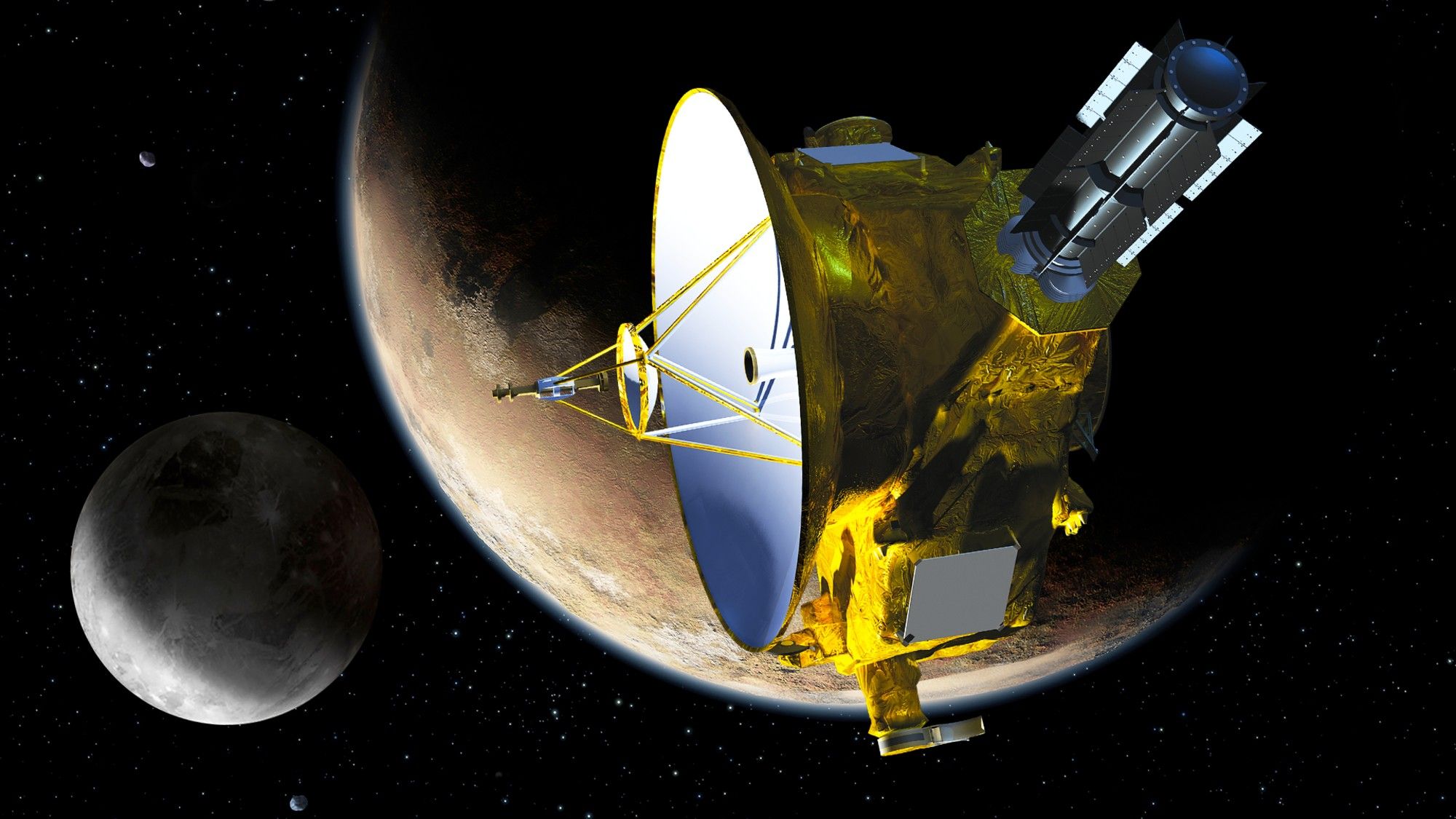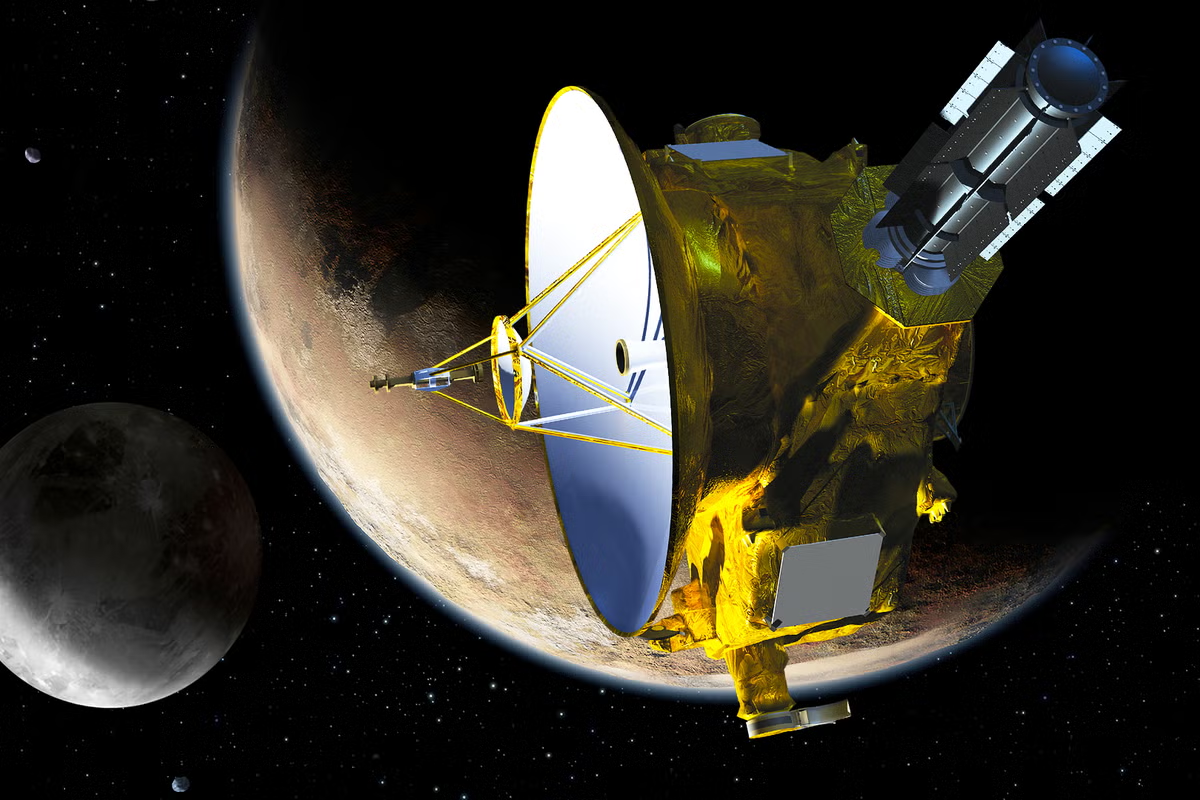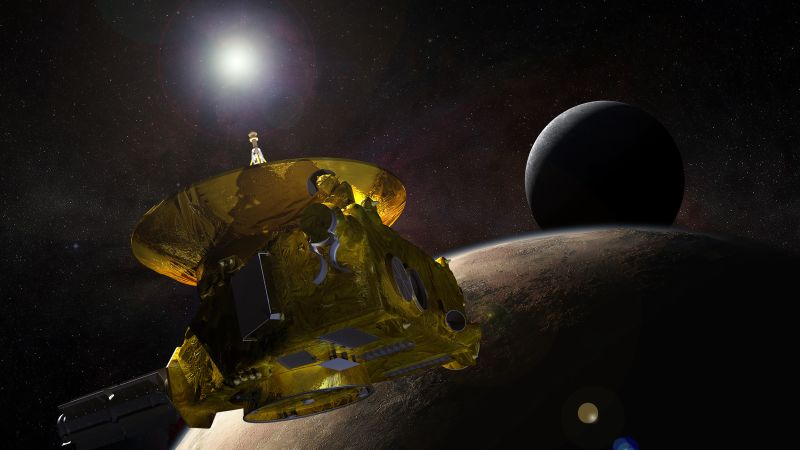
A groundbreaking mission that explored Pluto and distant solar system objects in unprecedented detail has awakened from its longest sleep ever — and it’s 5.9 billion miles (9.5 billion kilometers) from Earth.
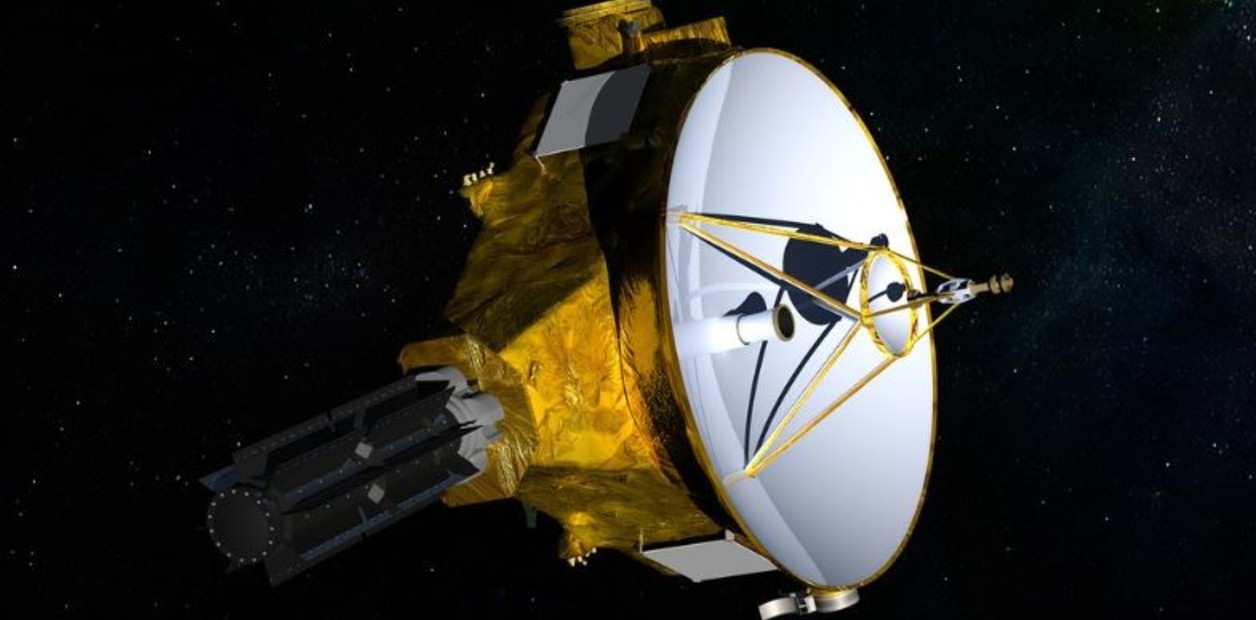
NASA’s New Horizons spacecraft went into a planned hibernation mode on August 7, 2025, and woke up on June 23 using commands stored on its main computer.
The mission’s flight controllers at the Johns Hopkins University’s Applied Physics Laboratory in Laurel, Maryland, confirmed that New Horizons is in great shape and ready to transmit a stream of science data gathered during hibernation from its location in the region of icy objects known as the Kuiper Belt.
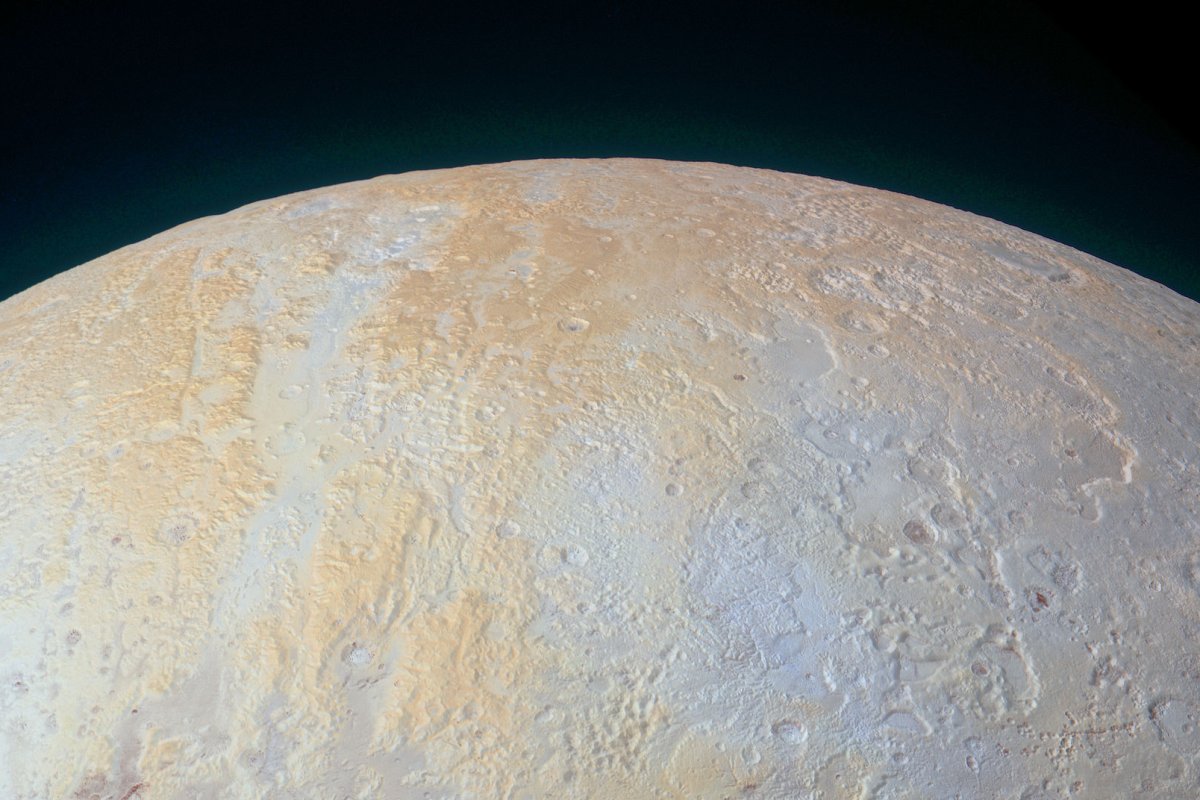
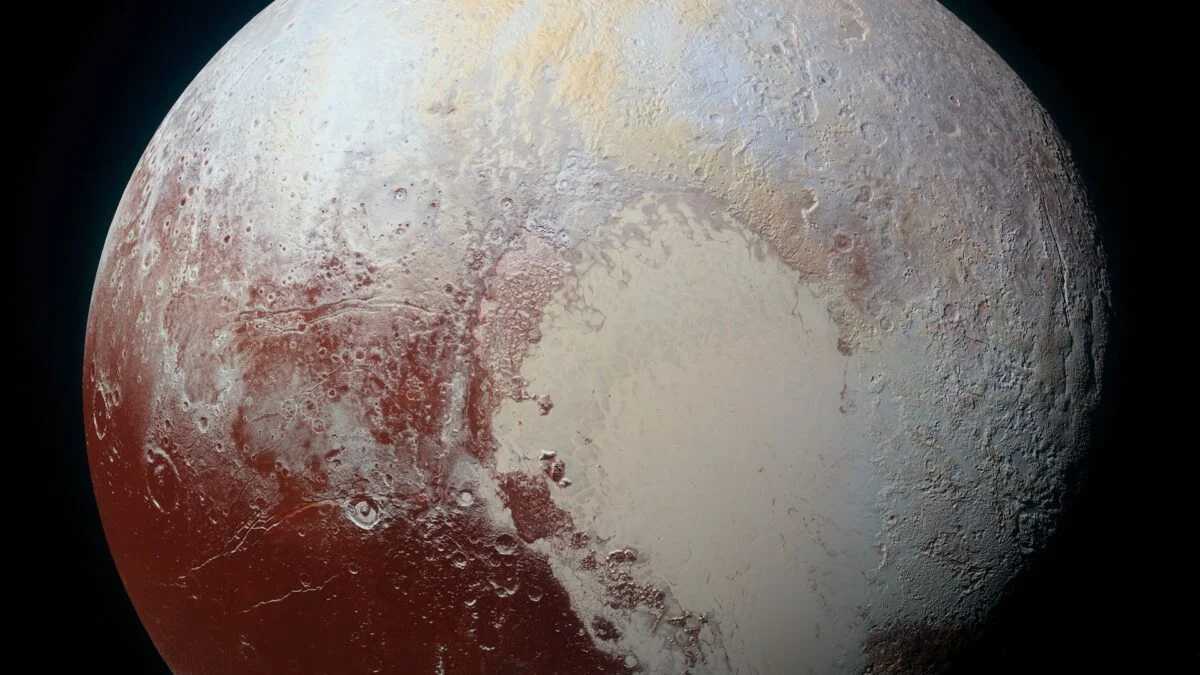
Pluto is the largest of thousands of frozen, rocky bodies called trans-Neptunian objects, or TNOs, that exist in the Kuiper Belt at the edge of our solar system — remnants from its formation 4.5 billion years ago.
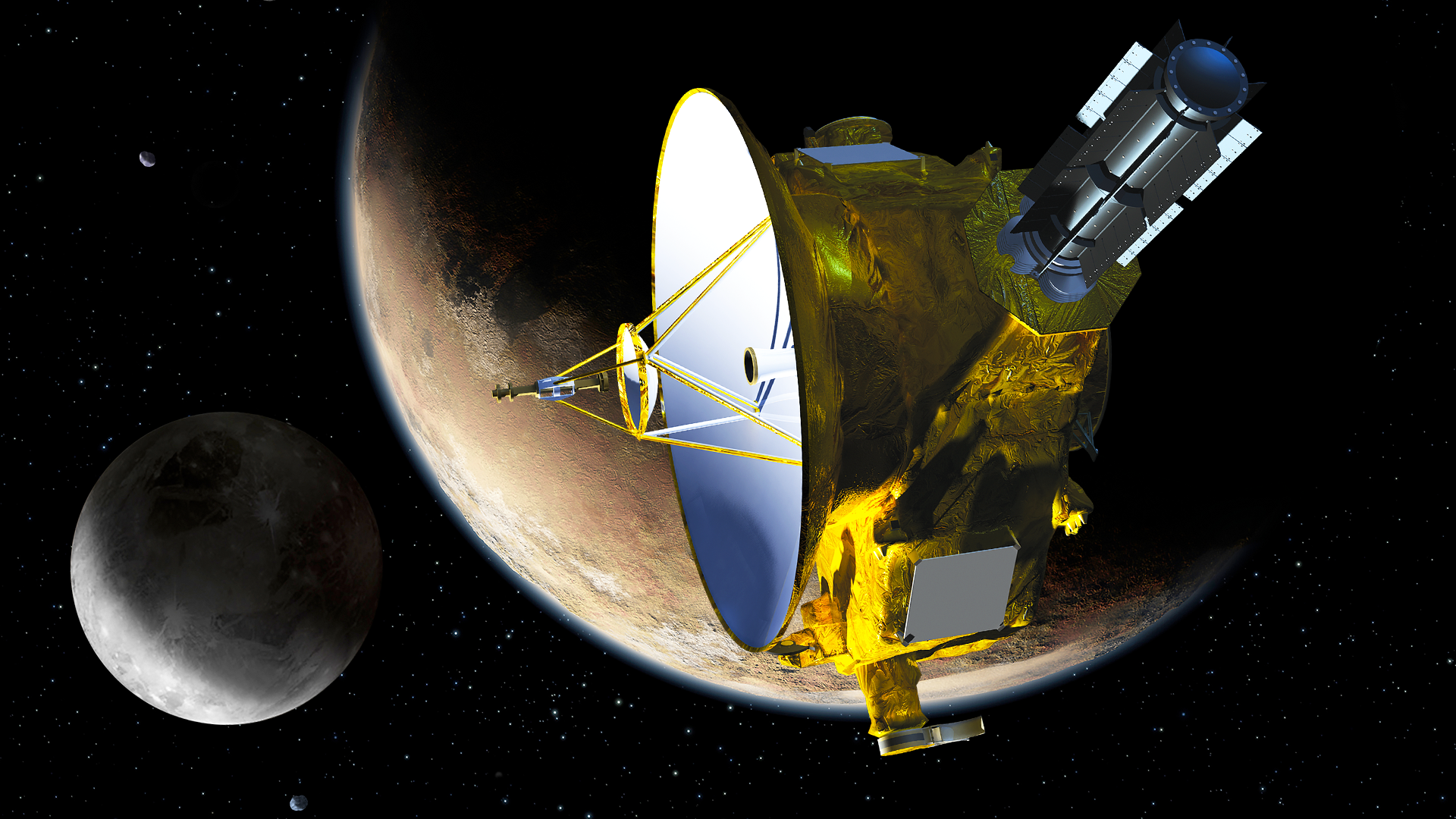
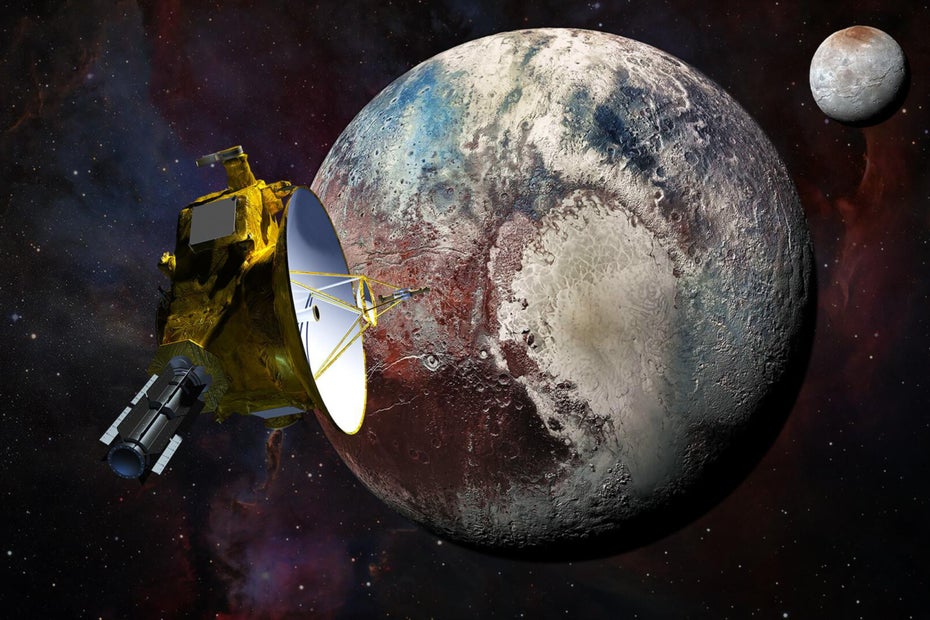
In 2015, New Horizons became the first spacecraft to conduct a detailed flyby of Pluto and its moons, which changed scientists’ understanding of the frigid dwarf planet. The spacecraft also carried out an up-close examination of Arrokoth, a snowman-shaped TNO, in 2019.