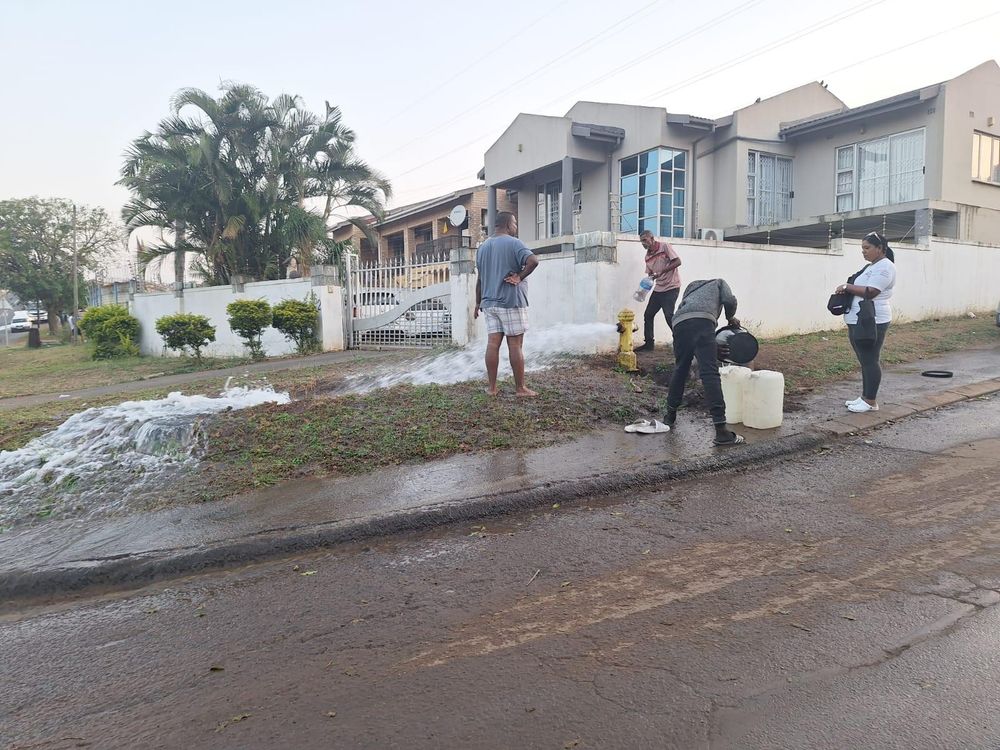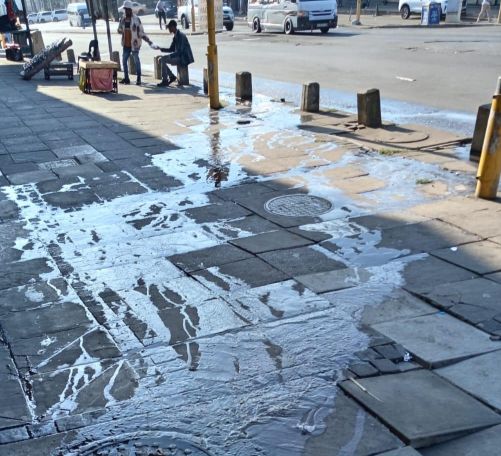
South Africa’s crisis of local government is often described as a crisis of service delivery. This is true, but it is not enough. The deeper failure is that many municipalities never completed the constitutional journey from local authorities to fully fledged spheres of developmental government. They changed their names, boundaries, councils and legal status, but too many retained the old administrative imagination: receive revenue, provide trading services, maintain infrastructure if possible, procure projects, respond to breakdowns and survive the next election.The result is a local government system that has often behaved more like an upgraded version of the old local authority than the democratic, developmental sphere envisaged by the constitution. The distinction matters. A local authority administers a locality. A sphere of government governs it. A local authority maintains services. A developmental municipality transforms conditions. A local authority asks whether accounts are paid and pipes are repaired. A sphere of government asks whether its planning, budgeting, land-use decisions, infrastructure investments, social programmes and partnerships are changing the life chances of its residents.The constitution did not imagine municipalities as mere delivery outlets of water, electricity, sanitation, refuse removal and roads. These services are indispensable; no developmental argument can excuse a municipality that fails to provide them. But the constitutional objects of local government go further. Municipalities must provide democratic and accountable government, ensure sustainable services, promote social and economic development, promote safe and healthy environments, and encourage community involvement. Section 153 deepens this obligation by requiring municipalities to structure and manage administration, budgeting and planning in ways that prioritise basic needs and promote social and economic development.This was the promise of developmental local government. It was a promise that municipalities would become the closest institutional expression of democratic transformation. They would not simply repair apartheid’s broken infrastructure; they would reverse apartheid’s spatial, social and economic logic. They would integrate settlements, build local economies, deepen public participation, create safe public spaces, protect public health, and organise development with communities. The 1998 white paper on local government captured this ambition by presenting developmental local government as a project of maximising social development and economic growth, integrating and co-ordinating development, democratising development, and building institutions that lead and learn.Yet, in practice, the trading-services paradigm became the dominant municipal common sense. Because water, electricity, sanitation and refuse removal generate revenue, absorb budgets, attract tenders and produce visible political claims, they crowded out the broader developmental mandate. Municipal success became measured by whether a road was resurfaced, a pipe repaired, a substation maintained, a refuse truck purchased or a contractor appointed.These are necessary tasks, but when they become the whole meaning of local government, municipalities retreat into a narrow administrative comfort zone.This retreat has had serious consequences. First, it narrowed political imagination. Elections became contests over who could promise faster repairs, more visible projects and better management of hard services. Candidates were seldom tested on whether they understood spatial justice, local economic development, social cohesion, public health, environmental resilience, community participation or municipal institutional capability. The councillor became a broker of complaints and projects rather than a constitutional leader of development.Second, the trading-services paradigm made procurement the centre of municipal politics. Once development is imagined mainly as infrastructure expenditure, the tender becomes the main political instrument. Councils then risk becoming arenas where factions compete over contracts rather than forums where communities deliberate over development choices. Procurement is, of course, necessary for building and maintaining infrastructure. But when procurement substitutes for development, public money can easily become detached from public value. A municipality may spend, contract and report without actually transforming the social conditions of local life.Third, this paradigm weakened democratic participation. Residents were treated primarily as consumers of municipal services, not as co-authors of local development. Public participation became a compliance exercise attached to the integrated development plan and annual budget rather than a living democratic conversation about trade-offs, priorities and the future of places. When communities are invited only to comment on decisions already shaped elsewhere, they eventually express themselves through protest, non-payment, litigation or withdrawal from local democracy.Fourth, the focus on trading services produced developmental blindness. Social development was treated as soft, marginal or unfunded. Local economic development became symbolic, often reduced to workshops, fairs and documents rather than serious work on infrastructure reliability, land-use efficiency, investment facilitation, township economies, informal trading and productive procurement. Safety and health were treated as secondary matters, despite the fact that unsafe streets, illegal dumping, contaminated environments and poorly managed public spaces directly shape human dignity and economic life.This is why municipalities could possess constitutional status while still behaving like local authorities. They had original powers, elected councils and a recognised place in co-operative government. But many lacked the institutional confidence, political discipline and developmental imagination to use that status as government. They became service administrators rather than local state-builders. They managed fragments instead of governing systems. They defended municipal autonomy but did not always exercise municipal authority for transformation.To be clear, moving beyond the trading-services paradigm does not mean neglecting services. It means restoring services to their proper constitutional place: as the floor of developmental local government, not its ceiling. Water must be reliable, but water infrastructure must also support settlement integration, public health and local production. Roads must be maintained, but roads must also connect people to schools, clinics, markets and work. Electricity must be supplied, but energy planning must also support local enterprise and resilience. Waste must be collected, but waste systems must also protect health, dignity and the environment.The 2026 local government elections should therefore test more than promises to fix potholes and improve billing. They should test whether parties, independents and councillors understand the municipality as a sphere of government. Voters should ask: What is your theory of local development? How will your budget prioritise basic needs and social transformation? How will you professionalise administration? How will you protect procurement from factional capture? How will communities influence decisions before they are finalised? How will the municipality build its local economy, improve public safety and protect health?South Africa does not need municipalities that merely administer inherited service platforms. It needs municipalities that govern development. The tragedy of the past quarter century is not that the constitution gave local government too much ambition. It is that too many municipalities settled for too little. They stayed within the comfort zone of trading services and called it governance. Developmental local government requires a bolder claim: municipalities must become democratic institutions of local transformation, not local authorities with better branding.Dr FM Lucky Mathebula is the head of faculty, people management, and founder of The Thinc Foundation, a think tank based at the Da Vinci Institute. He is a TUT research associate
FM LUCKY MATHEBULA | Municipalities must escape the trading services trap
Why South African local government remained a local authority instead of becoming a developmental sphere of government
1,113 words~5 min read