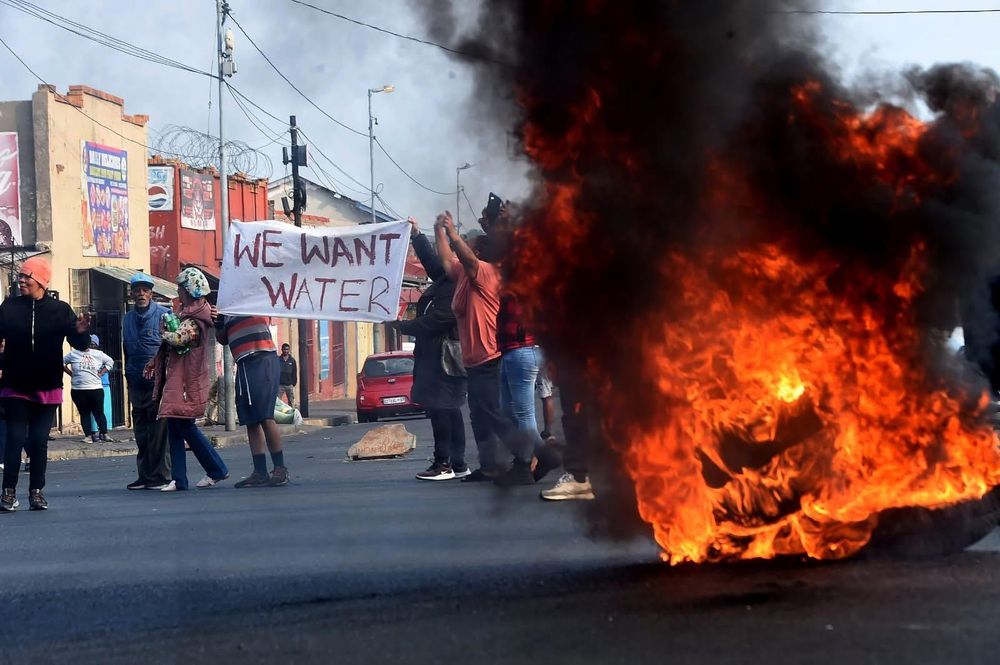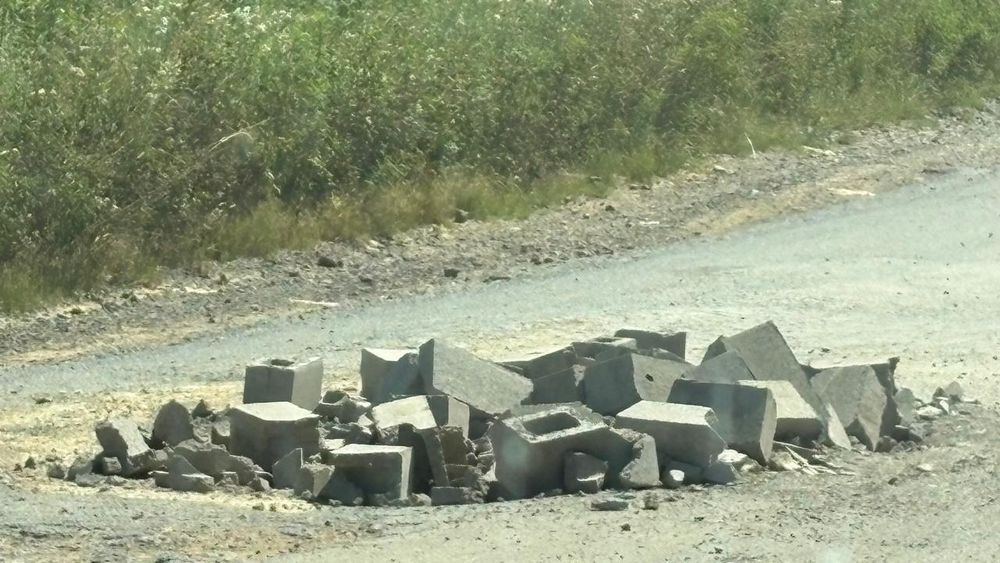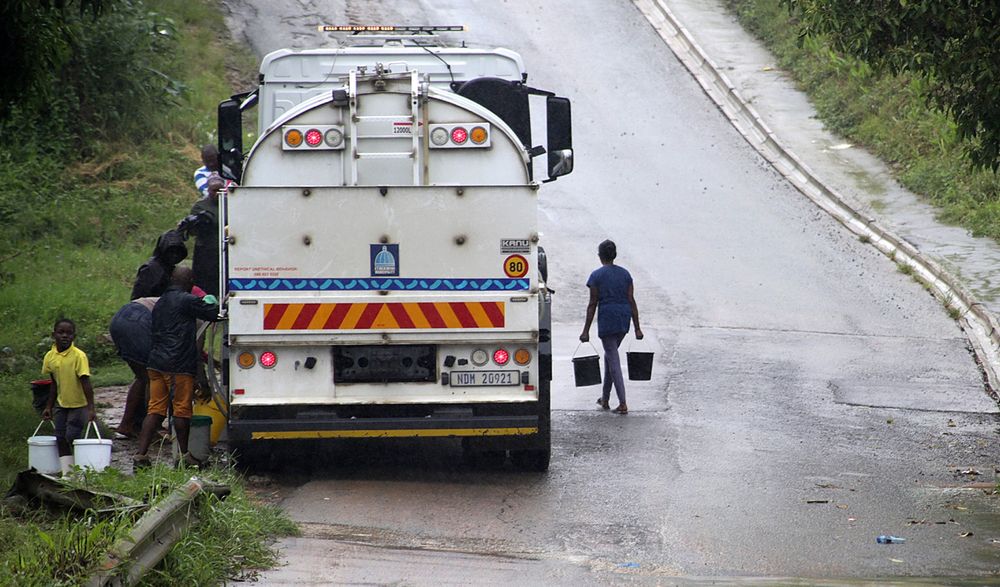
The South African government is becoming trapped within layers of accumulated complexity, the writer says, with the problem best illustrated by the diminishing clarity over who is ultimately responsible for ensuring that water reliably reaches households..
In many South African municipalities, officials now spend more time reporting on collapse than preventing it. Water systems fail while compliance reports multiply. Infrastructure projects stall inside approval chains designed to improve accountability, but which increasingly delay implementation itself. Across government, every major failure now appears to generate another co-ordinating structure, another oversight mechanism, another verification process, or another layer of reporting. The South African government is becoming trapped within layers of accumulated complexity whose administrative demands may now exceed the institutional capacity available to sustain them effectively.
Many of these institutional layers emerged for understandable reasons in a deeply unequal society shaped by exclusion and uneven administrative capacity. When municipalities collapse, new reporting mechanisms follow. When corruption spreads, procurement rules multiply. When economic transformation lagged, compliance obligations expanded. When universities struggled with student funding administration, the response was more verification, accreditation and reporting rather than institutional simplification. Each reform sought to solve a real problem. However, over time, these accumulated responses have produced a governing system that becomes more difficult to manage with each additional intervention.