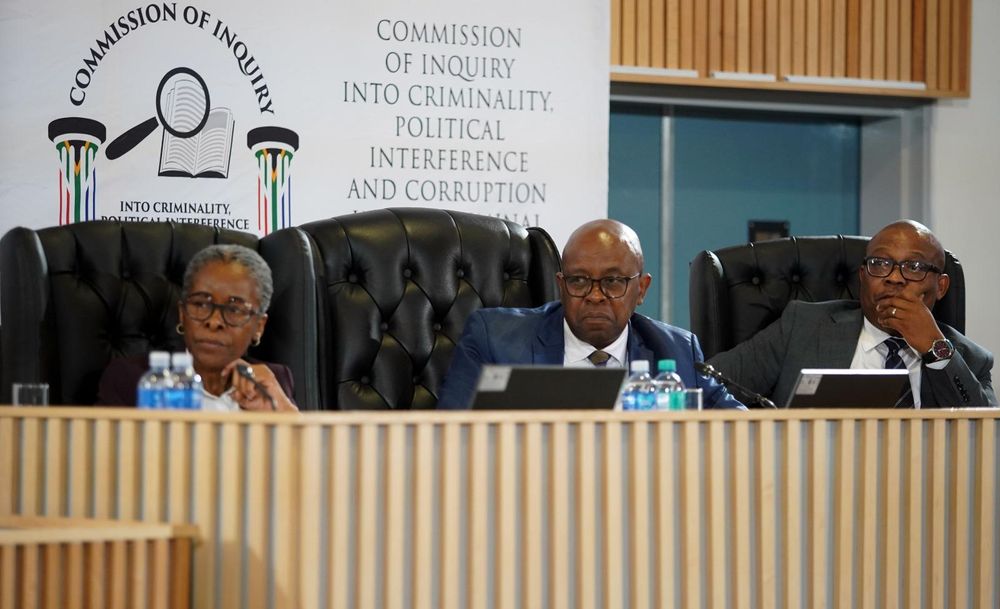
It’s high time South Africa was remembered not for its symbols of failure but for its unwavering commitment to justice, stability, and institutional integrity, says the writer.
There are moments in the life of every democracy when reality becomes so improbable that satire no longer has to exaggerate; it merely has to observe, because the facts themselves have become so extraordinary that they seem to have been written by a playwright with an unusually dark sense of humour.
South Africa, regrettably, has arrived at precisely such a moment, where each new commission of inquiry, each corruption investigation and each public hearing appears to produce not only another debate about accountability but also another ordinary object that unexpectedly becomes part of our national political vocabulary.
What is striking is not the object itself, because objects have neither morality nor intent, but the way in which they become woven into the collective memory of a nation that has spent the better part of two decades attempting to understand why institutions that were designed to uphold constitutional values have too often found themselves defending their own credibility instead.
South Africans have become remarkably skilled at remembering governance through symbols. We remember hidden cash more readily than audit reports. We remember furniture more vividly than constitutional judgments.