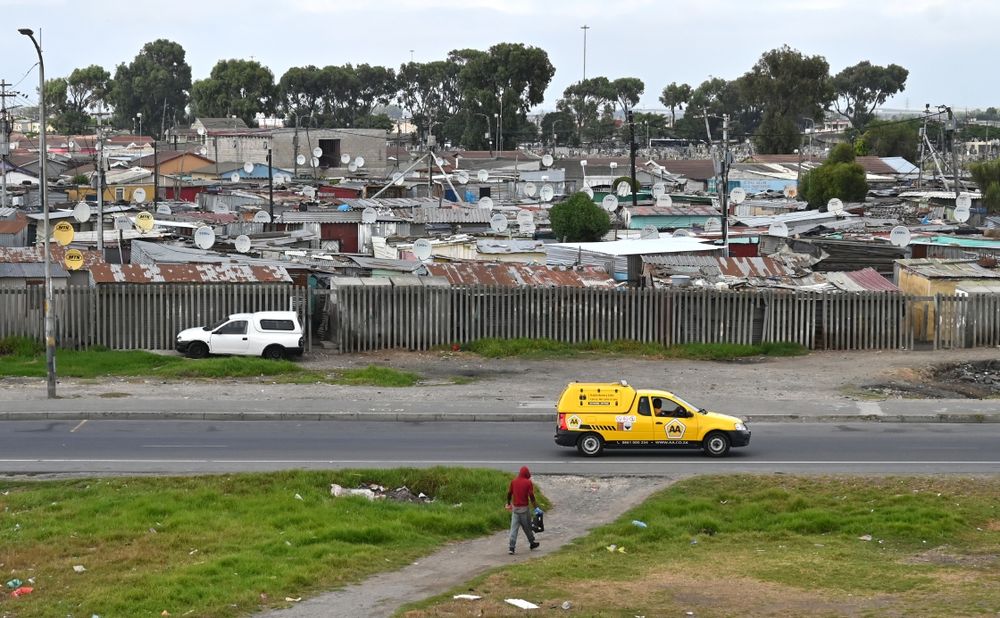
The structural collapse of South Africa's sub-national economy is a complex issue that intertwines local governance failures with macroeconomic policies. By analysing this crisis through the Lehohla Ledger Oscilloscope, we uncover the critical relationship between top-down structural compression and bottom-up administrative decay, revealing the urgent need for a comprehensive approach to economic recovery.
The structural collapse of South Africa’s sub national economy cannot be understood by treating local governance failures and macroeconomic policies as isolated crises.
Instead, they are two sides of the same coin.
By viewing this crisis through the Lehohla Ledger Oscilloscope, we can observe the interplay between top down structural compression (the In Out Washington Consensus template) and bottom up administrative decay (the localized collapse of internal control frameworks).
The synthesis of the Boston University study on IMF programs (Rinner, Gallagher, and Ray, 2026), the World Bank’s retrospective on East Asian state led industrial policy, and thirty years of South African census data (1996 to 2022) provides empirical evidence to evaluate the "Washington Consensus vs. Corrupt Municipalities" debate.