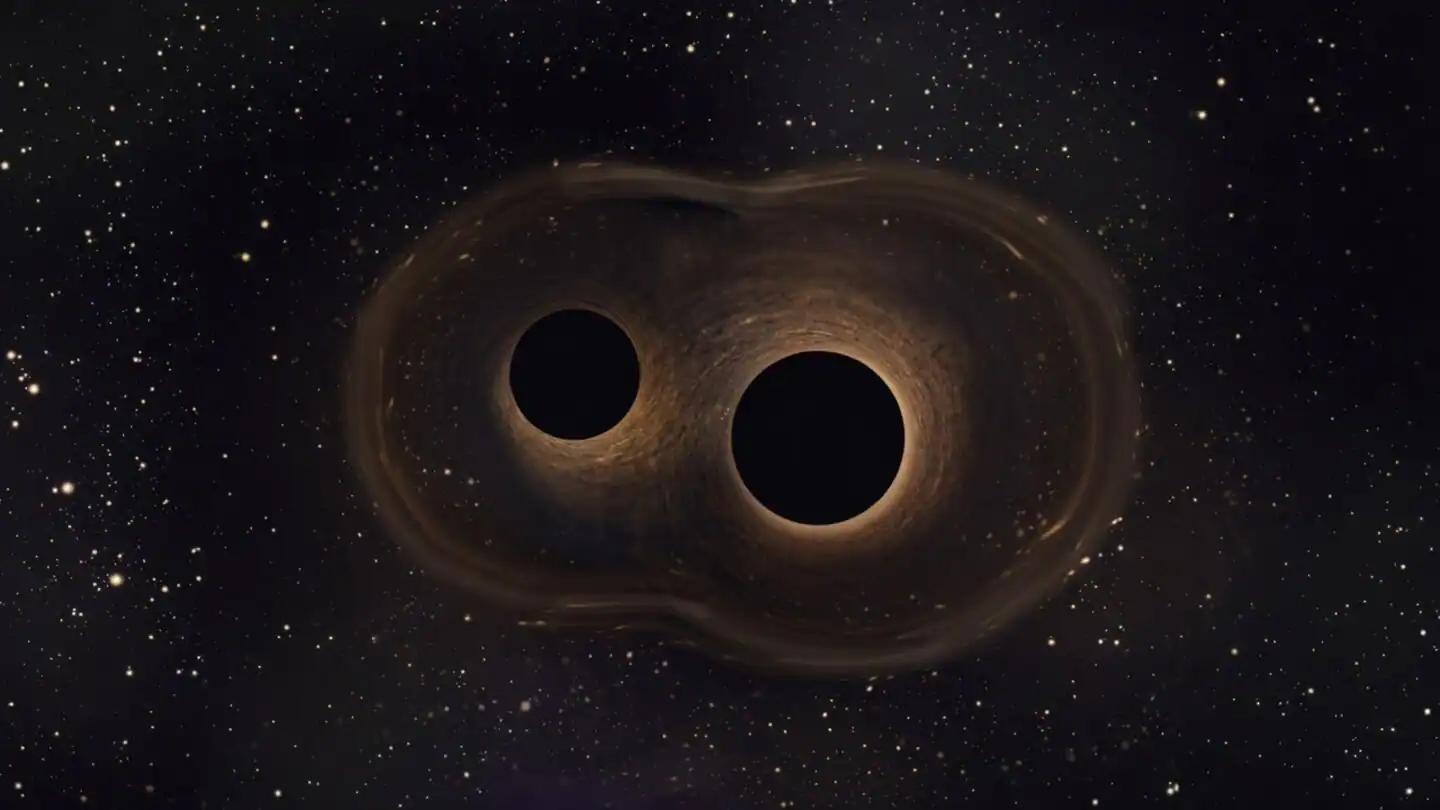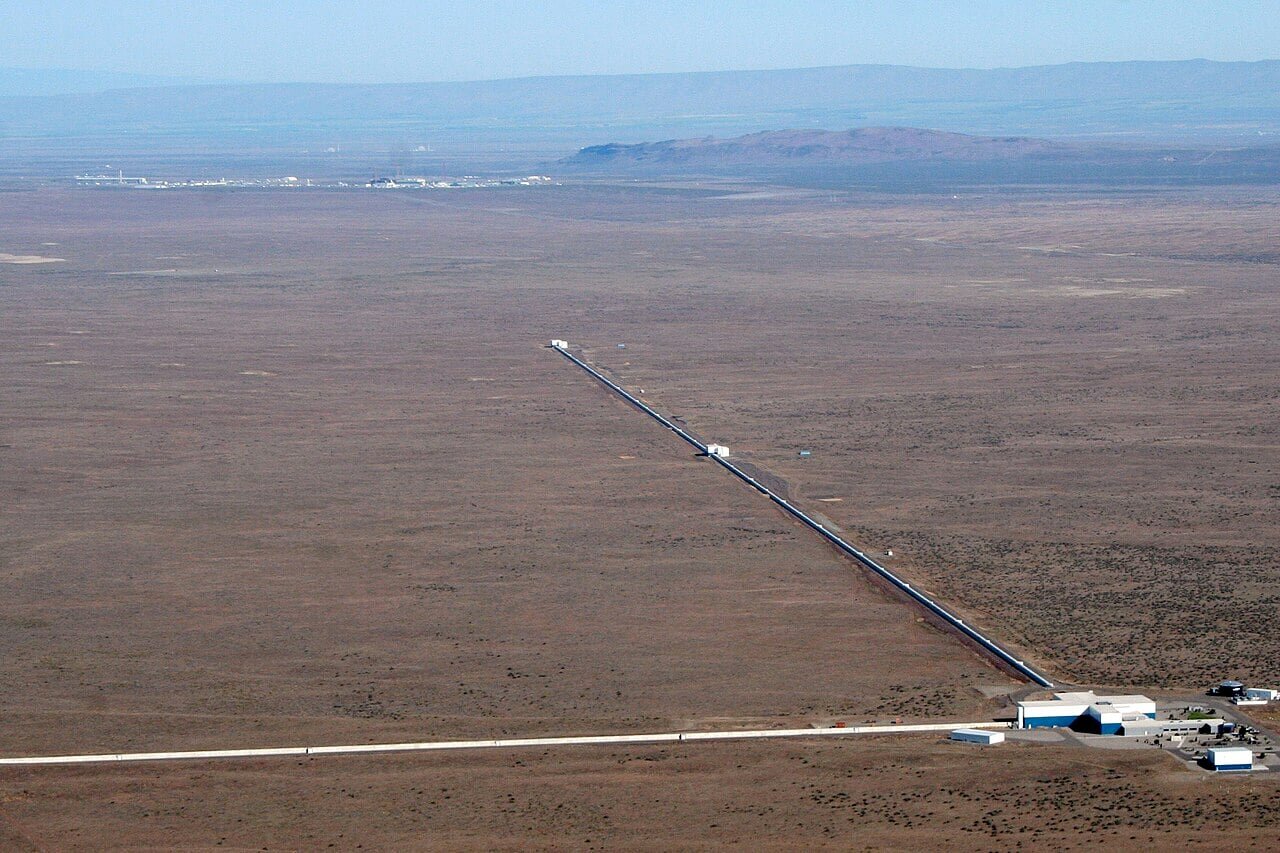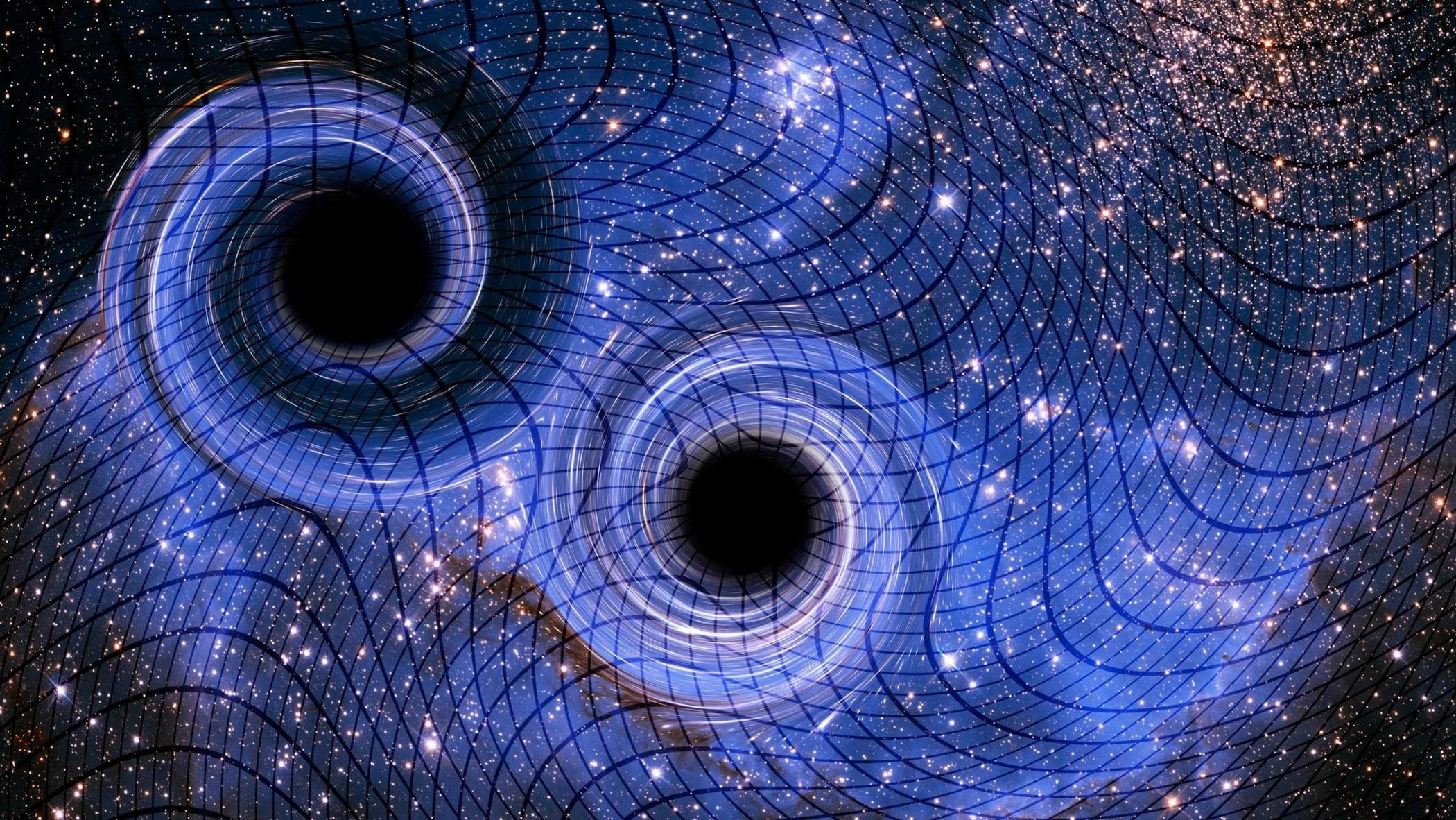
Fixing a problem inside one of the world's most sophisticated scientific observatories might seem like the kind of challenge that demands a multimillion-dollar upgrade or revolutionary new technology.But for scientists working on the Laser Interferometer Gravitational-Wave Observatory (LIGO), which listens for ripples in spacetime generated by cosmic collisions like merging black holes, the solution to a mild but persistent engineering challenge turns out to be as simple as an off-the-shelf camera.By pairing commercially available thermal imaging cameras with computer models, a team led by Jonathan Richardson at the University of California, Riverside, has developed a technique that corrects tiny, heat-induced distortions in the observatory's mirrors — an elusive flaw that scientists say currently limits how far into deep space the facility can look."It doesn't require any new technology development, which is almost unheard of for solving a LIGO instrumentation problem," Richardson said in a statement.Once incorporated into LIGO's upcoming upgrade, Richardson and his team estimate the fix would extend the observatory's reach by roughly 33 million light-years.That gain might sound like a drop in the ocean against the unimaginably vast scale of the universe, but because space expands in three dimensions, pushing a detector's reach even slightly opens up an exponentially larger window of space. Being able to look further into the universe will allow astronomers to "hear" many more cosmic ripples, in turn increasing the potential for discovering the universe’s most violent collisions that lie beyond LIGO's reach today.LIGO detects these cosmic ripples, known as gravitational waves, using twin L-shaped facilities in the U.S. — in the states of Washington and Louisiana. Inside each detector, a laser beam shoots down two 2.5-mile-long (4-kilometer-long) tunnels, bouncing off pristine mirrors at each end. When a gravitational wave passes through Earth, it subtly stretches one tunnel and squeezes the other. That microscopic shift alters the laser beams ever so slightly, producing a tiny flicker of light that alerts scientists to a distant cosmic event.
An off-the-shelf camera could help us find more black holes smashing together
"It doesn't require any new technology development, which is almost unheard of for solving a LIGO instrumentation problem."
680 words~3 min read