view more
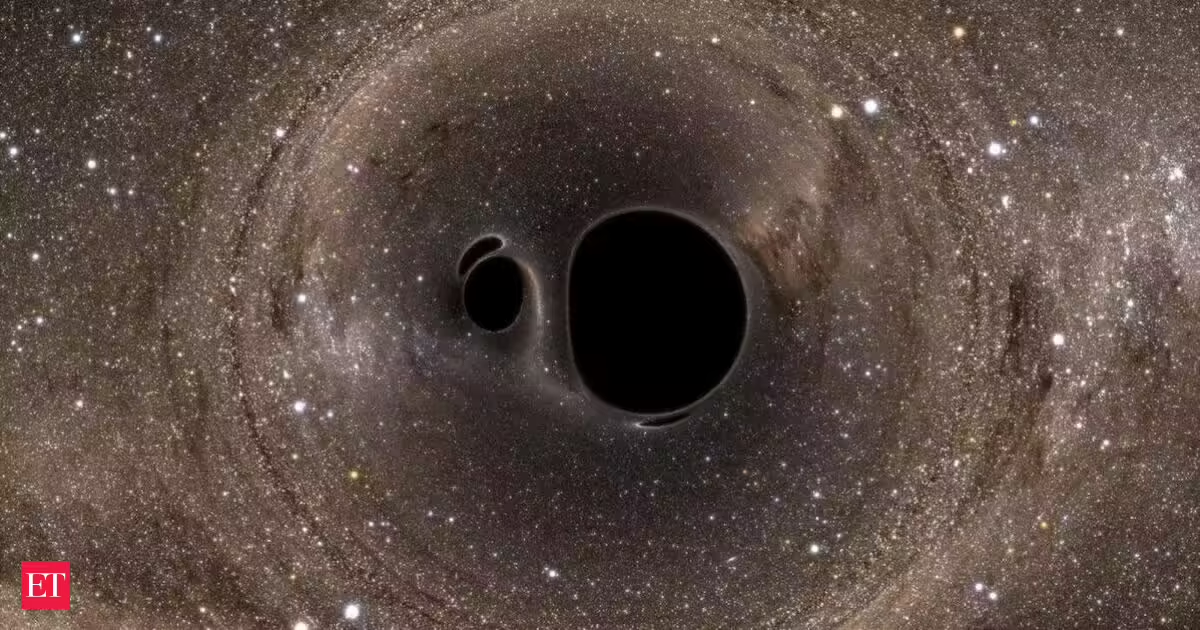
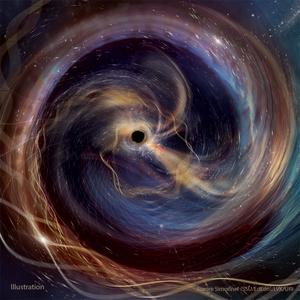
Listening to the 'ringing’ produced by black holes after they collide and merge could allow scientists to test Einstein’s theory of General Relativity under the most extreme conditions in the Universe whilst unlocking the secrets of these mysterious objects.
Leading a major international review with the Institute of Physics, astrophysicists at the University of Birmingham, Johns Hopkins University and Intituto Superior Tecnico of Lisbon showcase how black hole ‘spectroscopy’ is rapidly evolving from a theoretical concept into powerful experimental science.
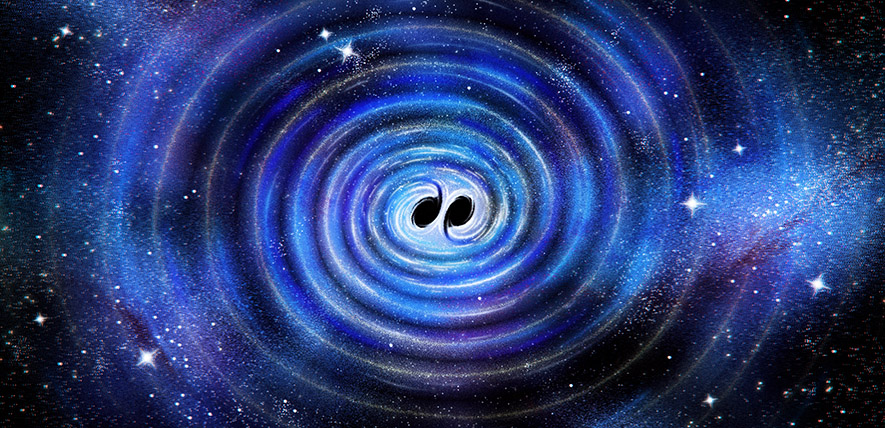
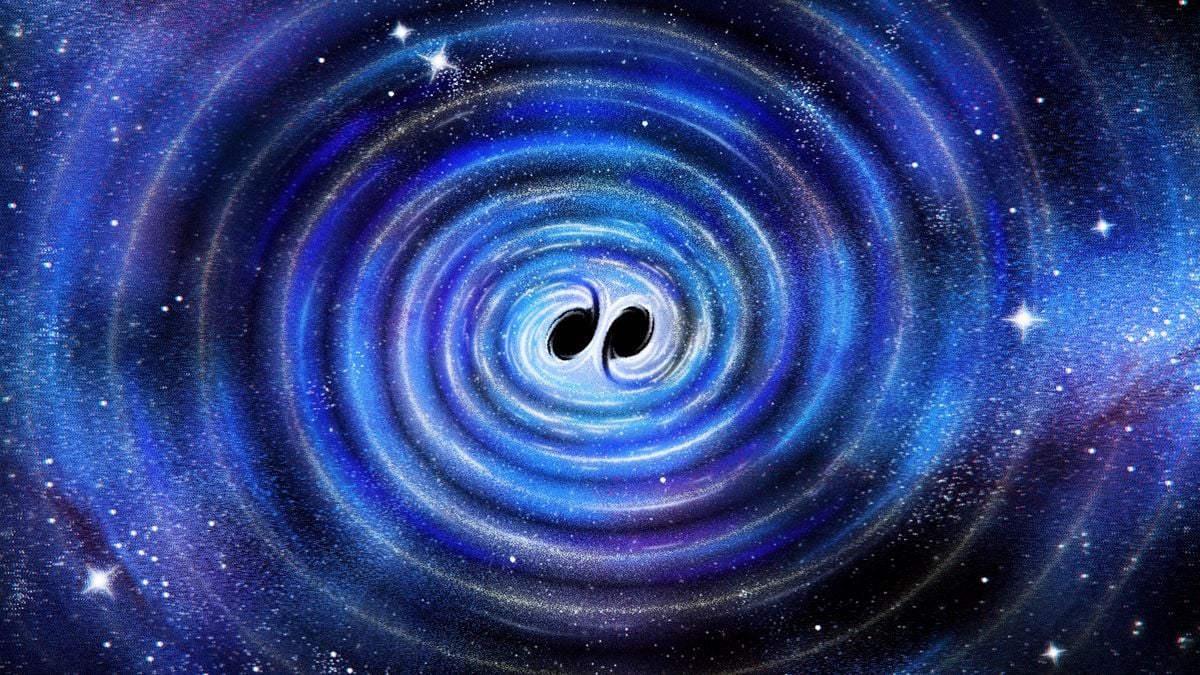
During the ‘ringdown’ phase following collision and merger, a newly formed black hole emits characteristic gravitational-wave vibrations known as ‘quasinormal modes’. By measuring these frequencies, scientists can determine the black hole's mass and how fast it is spinning, as well as investigating whether Einstein's theory is correct.
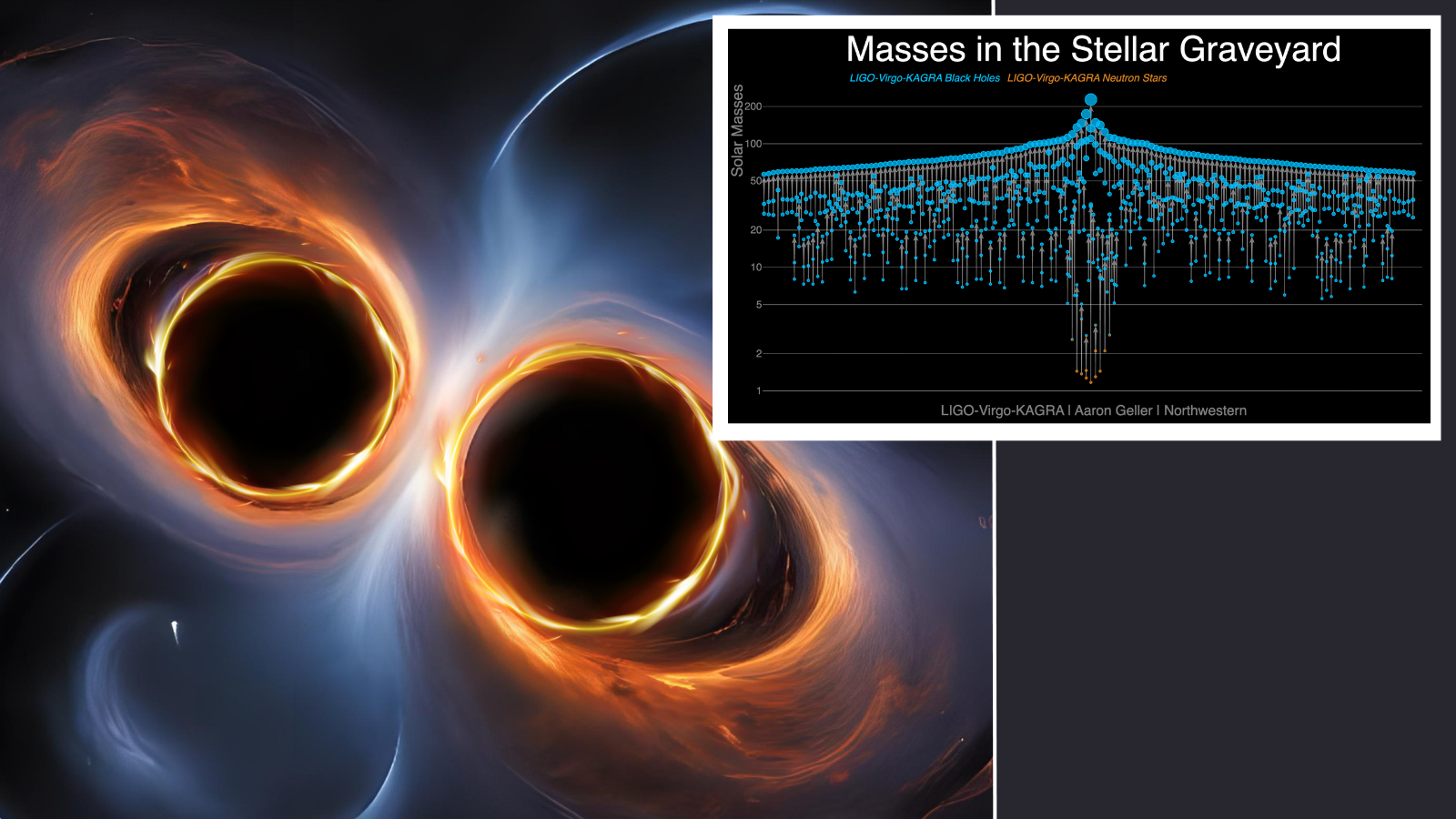
Since the first detection of gravitational waves in 2015, the LIGO-Virgo-KAGRA collaboration has observed hundreds of black hole mergers and measured tens of black hole ringing down according to their characteristic tones.