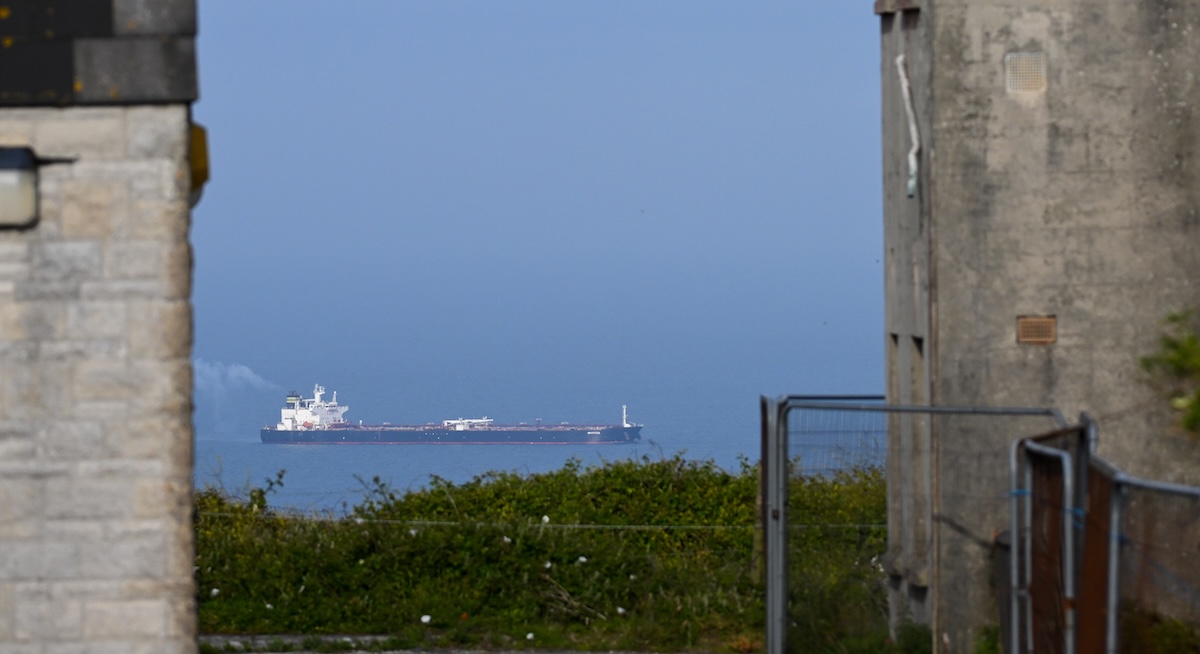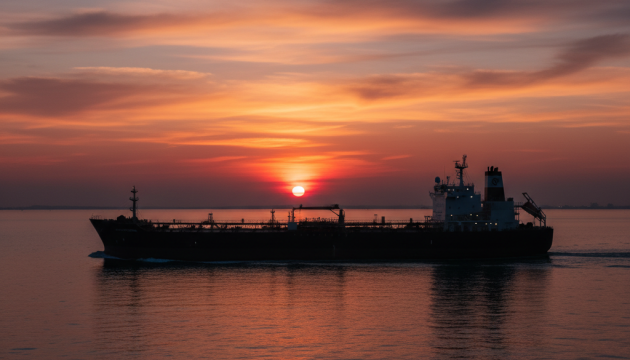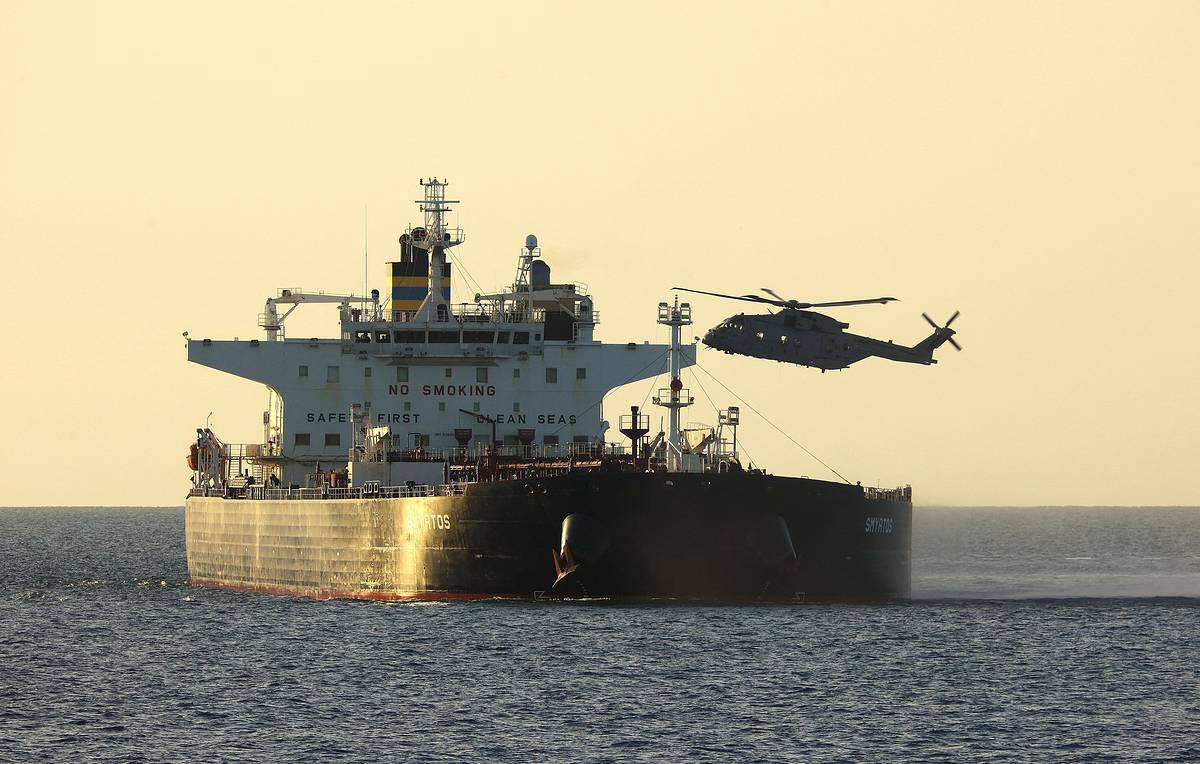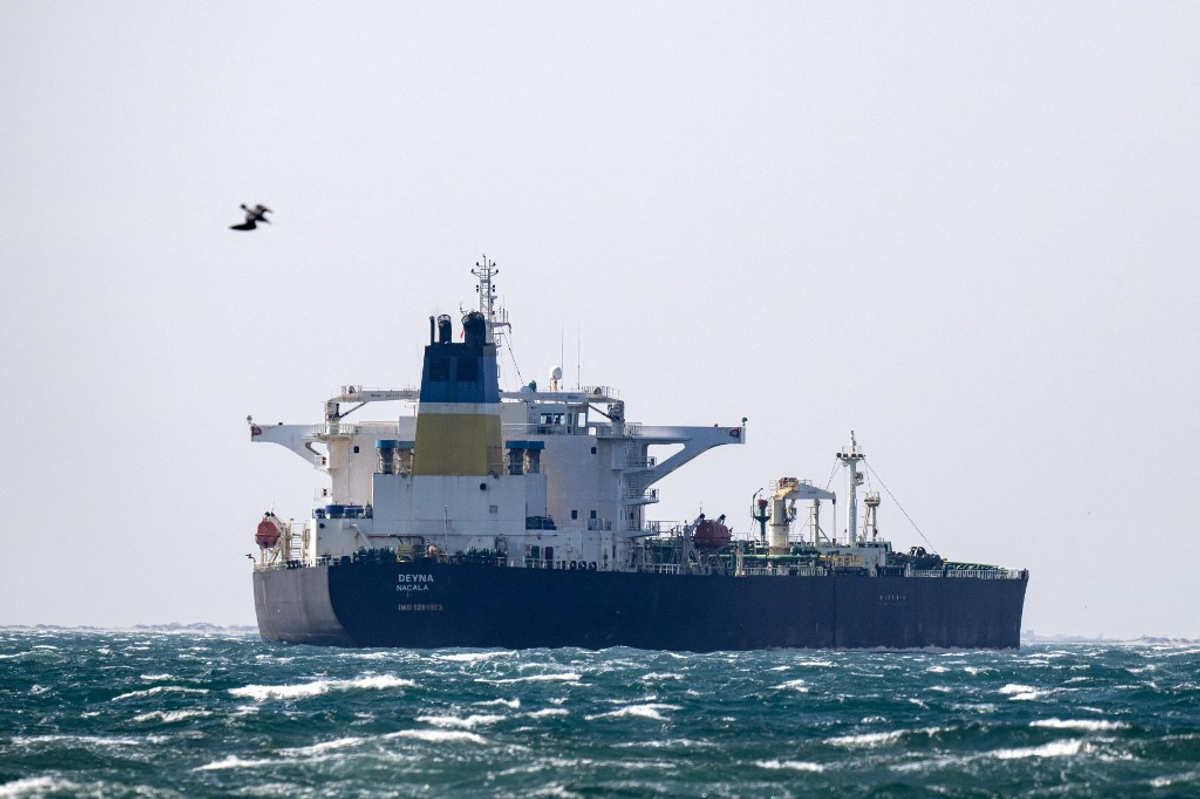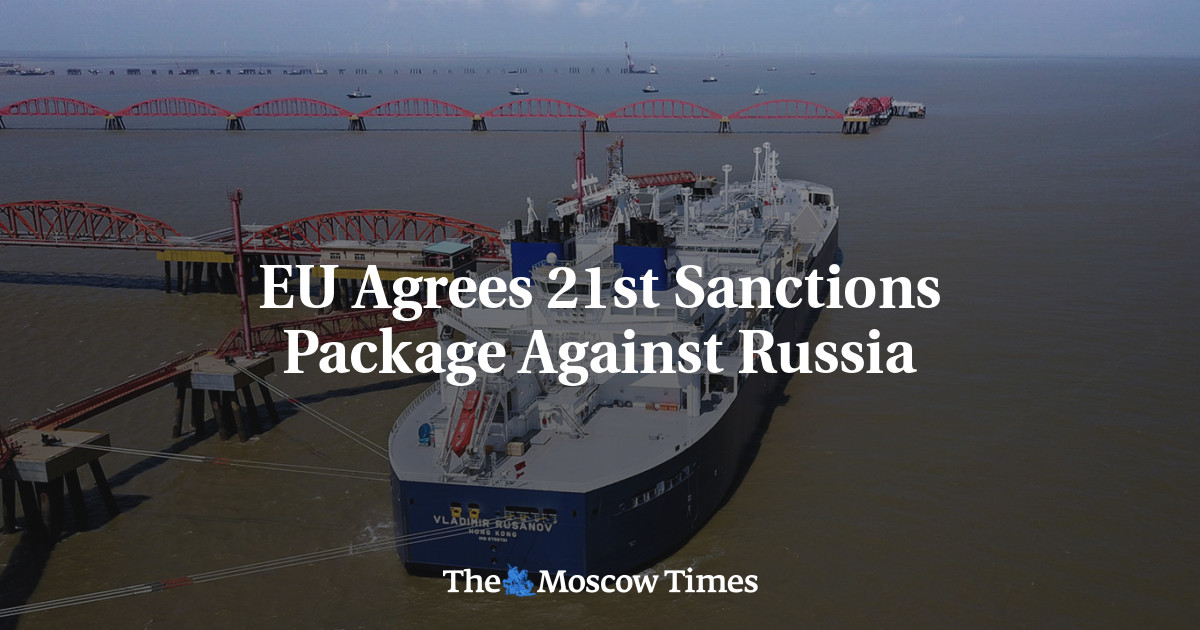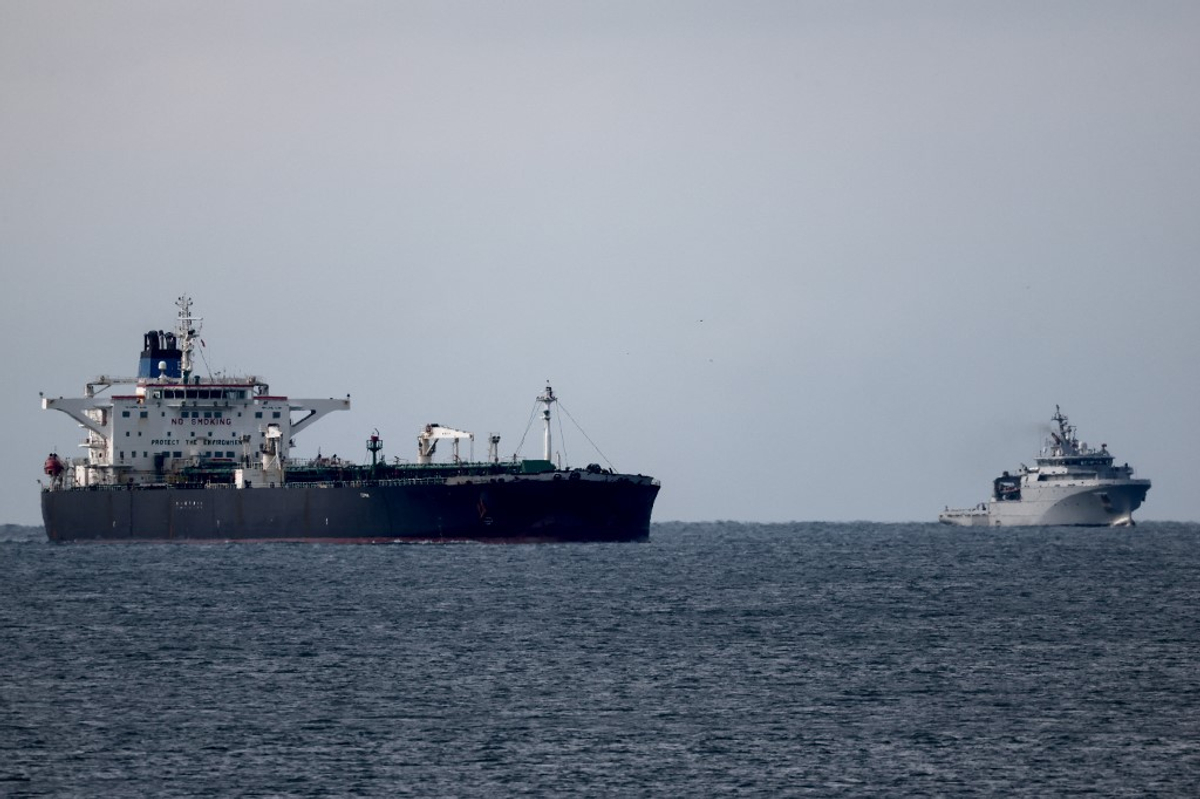
The EU will allow capitals to sell Russian oil seized from vessels attempting to evade the bloc’s sanctions, in its latest effort to ramp up economic pressure on the Kremlin. European Commission officials confirmed on Thursday, shortly after an agreement among EU diplomats, that a fresh round of sanctions against Moscow would include a provision to allow member states to sell crude oil and other commodities seized from Russia’s ‘shadow fleet’ of tankers, which it is using to evade a G7 oil price cap.JOIN US ON TELEGRAMFollow our coverage of the war on the @Kyivpost_official. The “very important provision” would allow “member states to confiscate the commodities transported by this shadow fleet once they’ve been boarded … in a naval operation,” one EU official said. Such seizures were taking place more and more frequently, the official added while briefing reporters in Brussels. “The issue was what to do with the cargo and the commodities,” they said. “This is very valuable, as you can imagine.” While oil is Russia’s most lucrative export, the policy implies that grain could also be put up for sale if seized. The move comes as Brussels seeks to crack down on Russia’s energy exports in a bid to deplete the Kremlin’s capacity to finance its war on Ukraine. “Action at sea” Belgium seized an alleged Russian shadow fleet vessel in the North Sea in March. The tanker had a carrying capacity of some 330,000 barrels of oil, which could be worth up to $26 million at current market prices.
EU’s 21st Sanctions Package Empowers States to Confiscate and Sell Russian Shadow Fleet Oil
The EU has approved its 21st sanctions package against Russia, introducing a new provision that allows member states to confiscate and sell oil seized from Moscow’s “shadow fleet” of tankers.
576 words~3 min read