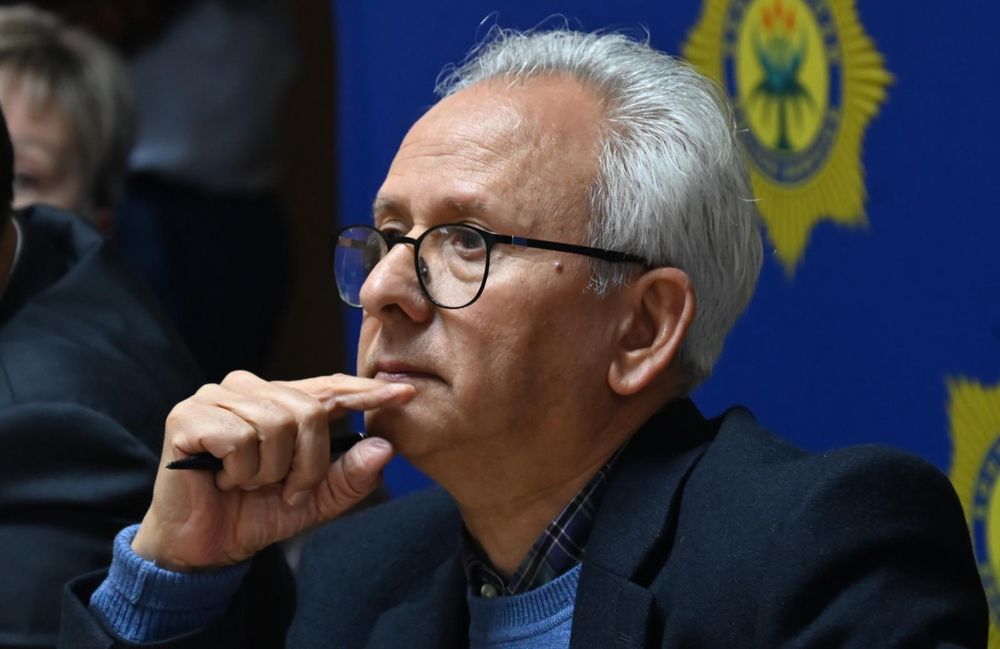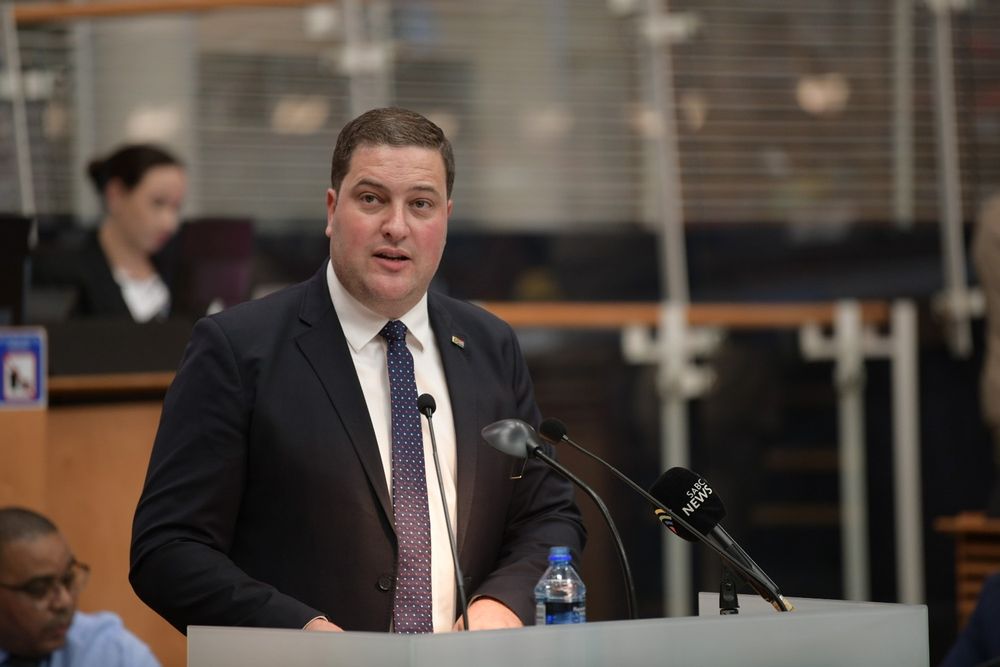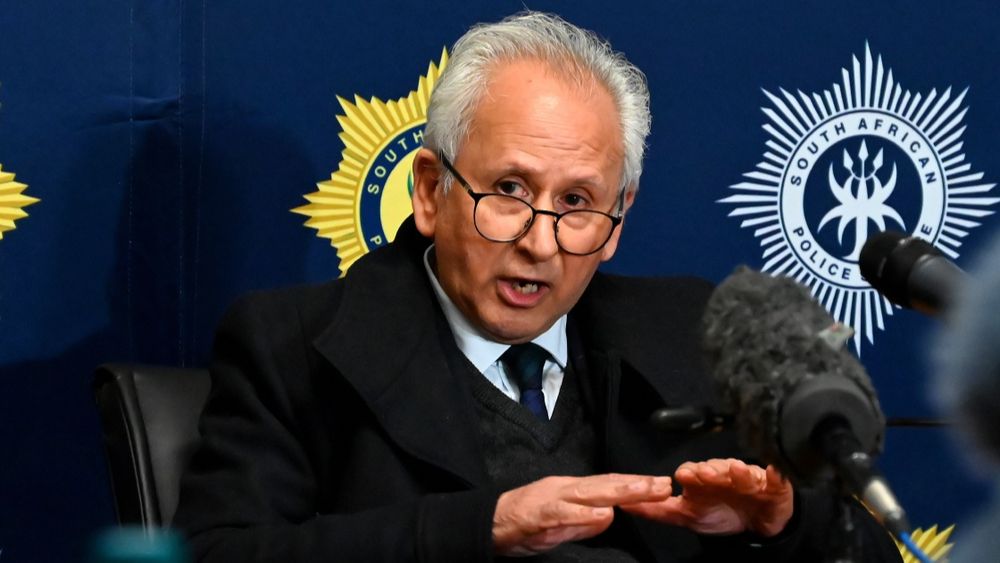
Lennit Max is a former Western Cape police commissioner.
Dr Lennit Max
The City of Cape Town's recent announcement that it intends establishing an investigative capacity within its Metro Police has been welcomed by many residents frustrated by high levels of violent crime and the perceived shortcomings of the South African Police Service (SAPS). At first glance, the proposal appears both practical and necessary. More investigators should mean more criminals brought to justice. However, good intentions cannot override constitutional principles. The central question is not whether the City should assist in combating crime, but whether it may lawfully create a criminal investigative division without the necessary constitutional or legislative authority.
In my view, the answer is no. South Africa's Constitution is clear about the role of the police. Section 205(3) provides that the objects of the South African Police Service are to prevent, combat and investigate crime, maintain public order, protect the inhabitants of the Republic and uphold the law. The Constitution therefore expressly assigns the investigation of crime to SAPS as part of its constitutional mandate. Municipal police services occupy a different legal position. They are not constitutional police services with the same powers as SAPS. They exist solely because Parliament created them through the South African Police Service Act, and they possess only those powers specifically granted by legislation. That distinction is critical.