Story audio is generated using AI
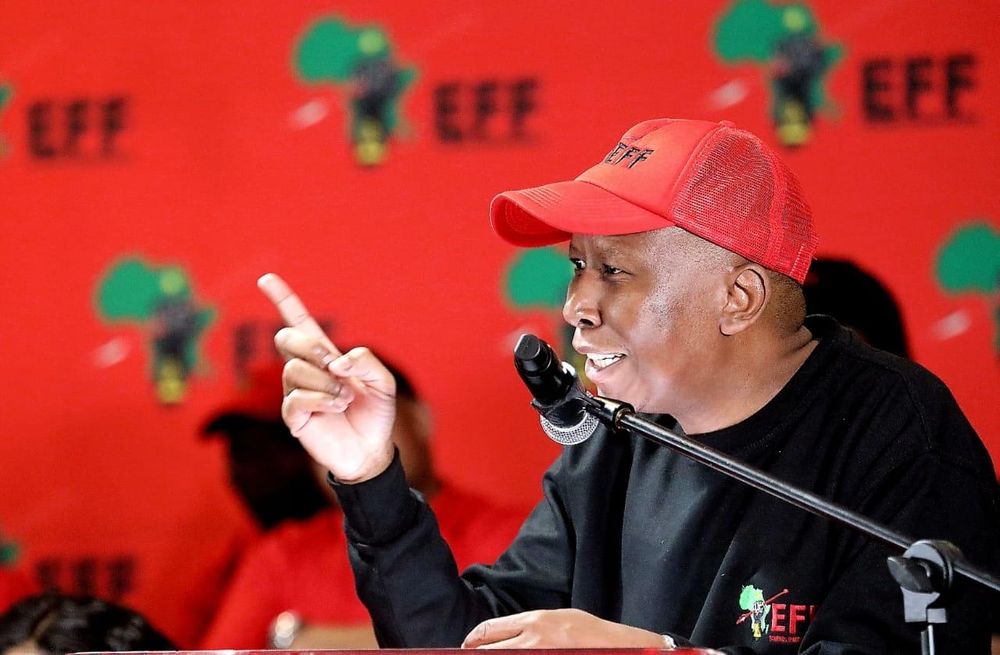
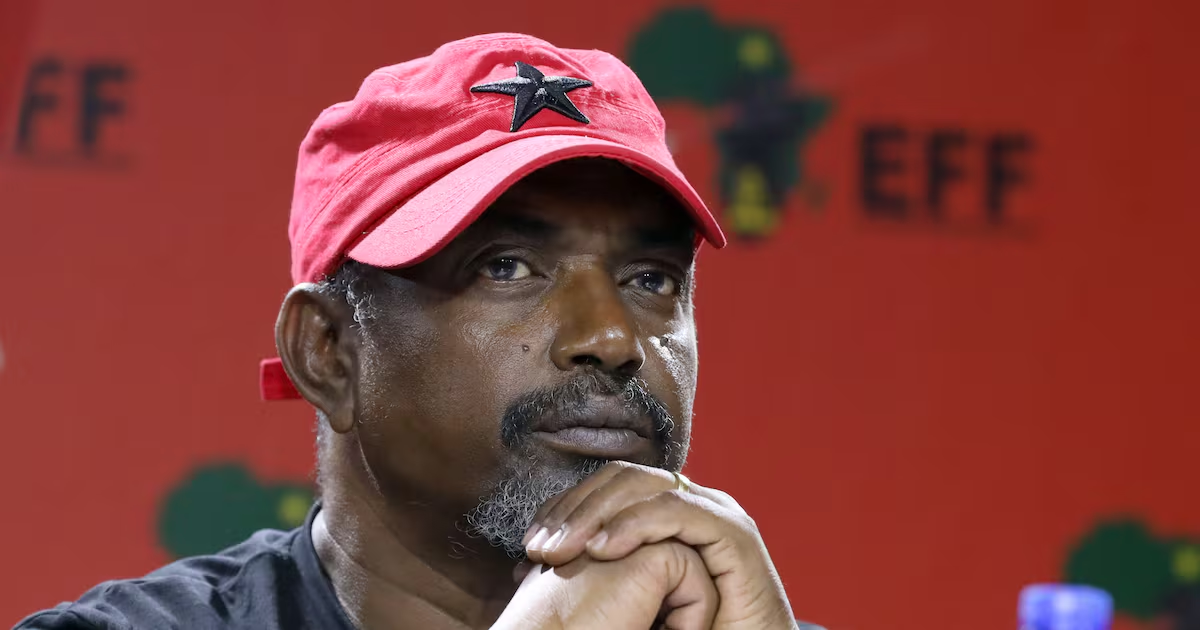
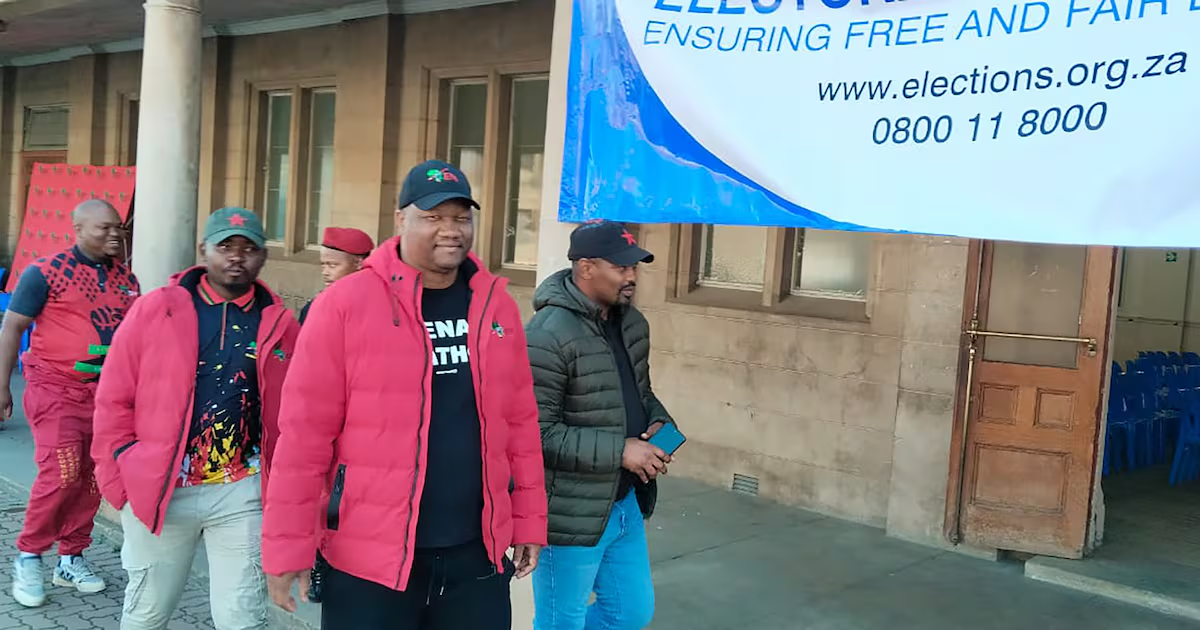
The EFF is heading into the 2026 local government elections convinced it has emerged stronger from its post-2024 setbacks, banking on an expanded organisational footprint, a renewed membership drive and a sharpened electoral strategy to position itself as the country’s next governing alternative.In an interview with the Sunday Times, EFF secretary-general Marshal Dlamini outlined a campaign that departs from personality politics and instead places the party’s structures, manifesto and organisational discipline at the centre of its election machinery.The strategy marks what Dlamini described as the beginning of the EFF’s “second decade” — moving from building the organisation to competing directly for power.“For the first 10 years we focused on building a solid organisation with firm foundations. Now we are saying we must become the alternative government because that foundation is secure,” he said.Despite the departure of several senior leaders since the 2024 national elections, Dlamini dismissed suggestions that the party had been weakened, insisting the organisation had proved its resilience.“There were predictions that the EFF would collapse after 2024. Instead, we demonstrated that what we built was bigger than individuals. The organisation is stable and firmly rooted.”The EFF believes its biggest organisational breakthrough has been restructuring the party into sub-regions, replacing an unwieldy regional model that often left leaders responsible for several municipalities at once.Dlamini said the change had transformed the party’s ability to mobilise voters before the November 4 elections.In Johannesburg, for example, regional leaders who once had to oversee 135 wards are now responsible for between 12 and 16 wards.“That makes it easier to organise, campaign and respond quickly to communities. We took more than 200 sub-regions through conferences without a single disruption. That tells you about the discipline and maturity of the organisation.”The EFF is now contesting all 4,400 wards nationally — a feat Dlamini says only it and the ANC have the organisational capacity to achieve.Central to the party’s confidence is its membership.While acknowledging that active renewals currently stand at about 900,000 because memberships expire every two years, Dlamini insisted the party’s overall membership remained above 1.2-million.“We’ve never experienced an exodus. Membership continues to grow, particularly among young people who join through the youth command before graduating into the mother body.”The EFF believes that growth will finally translate into votes.One of the party’s key lessons from the 2024 election, Dlamini said, was that many voters who supported the EFF had originally been registered by other parties.The solution has been an aggressive voter registration campaign targeting first-time and young voters.“We realised we cannot rely on converting voters registered by others. The EFF must register its own supporters.”The party has also renewed its call for automatic voter registration, arguing that citizens who receive identity documents should automatically be placed on the voters’ roll.“The youth remain the uncontested base of the EFF. That’s why we are pushing so hard to get them registered.”Though the EFF lost ground in KwaZulu-Natal in 2024 after the rise of the MK Party, Dlamini said the decline was overstated.“Our core support remained intact. What we lost was an expanded support base that had come very quickly. Now we are rebuilding from our own structures.”The campaign will be anchored by what Dlamini repeatedly described as a “people’s manifesto”, compiled through consultations with branches, communities, NGOs and civic organisations rather than party headquarters.That manifesto, he said, would determine who becomes mayoral candidates in strategic municipalities.Unlike rival parties that have unveiled high-profile figures including Helen Zille, Herman Mashaba and ANC heavyweights, the EFF will prioritise competence over celebrity.“We are not chasing prominence. We are chasing quality. We want capable leaders who can fix roads, deliver water, build houses and create functioning municipalities.”The party will announce its mayoral candidates alongside the manifesto, but Dlamini declined to reveal which metros have been identified as strategic targets.He confirmed, however, that the EFF had completed extensive research identifying municipalities where it believes outright victories are possible.“We know our strengths and weaknesses. We have identified those municipalities where we believe we can govern.”At the centre of the campaign remains the party’s traditional policy pillars.Land expropriation without compensation remains the EFF’s foremost priority, alongside insourcing, free education and expanding 24-hour public health care.Dlamini pointed to informal settlements initiated through EFF land occupations that have since been formalised by municipalities with roads, water and electricity, as well as the insourcing of workers at universities and the establishment of 24-hour clinics in Johannesburg under EFF governance.“We’ve demonstrated that these policies are practical where we’ve had opportunities to govern.”Coalitions remain unavoidable in South African politics, Dlamini conceded, but insisted any future coalition negotiations would revolve around programmes rather than positions.The EFF would only work with parties prepared to implement its policy agenda.“The manifesto becomes the basis of coalition discussions. Before we talk about positions, we must agree on how we’re going to build roads, provide housing and deliver services.”However, he ruled out any possibility of governing with the DA or the FF Plus.“There is nothing that brings us closer to the DA or FF Plus. They represent everything we oppose. Those discussions are simply impossible.”By contrast, he said the EFF remained willing to engage with other parties if they accepted its programme of transformation.Dlamini also defended the party’s controversial 2016 decision to support DA-led governments in several metros after local elections.Far from regretting it, he argued the move achieved its strategic objective of weakening the ANC’s dominance.“The ANC’s power was sustained through access to state resources. Removing them from government began that decline. You can see today where they are.”On immigration — an issue increasingly dominating the election campaign — Dlamini rejected accusations that the EFF’s stance had cost it support.While acknowledging public frustration over unemployment and undocumented migration, he accused political rivals of exploiting xenophobia instead of addressing South Africa’s economic failures.“The problem is not fellow Africans. The problem is an economy that has failed to grow and a government that has failed to secure the borders.”He said anti-illegal immigrant campaigns ignored the structural causes of unemployment and inequality.“Our responsibility as leaders is to tell people the truth, not exploit their frustrations for votes.”As the campaign enters its final stretch, Dlamini insisted the EFF was no longer merely positioning itself as parliament’s loudest opposition voice.The objective is to convert 13 years of opposition politics into executive authority.“We are entering these elections to govern. We believe the organisation is ready, our structures are ready, and our policies are ready.”TimesLIVE