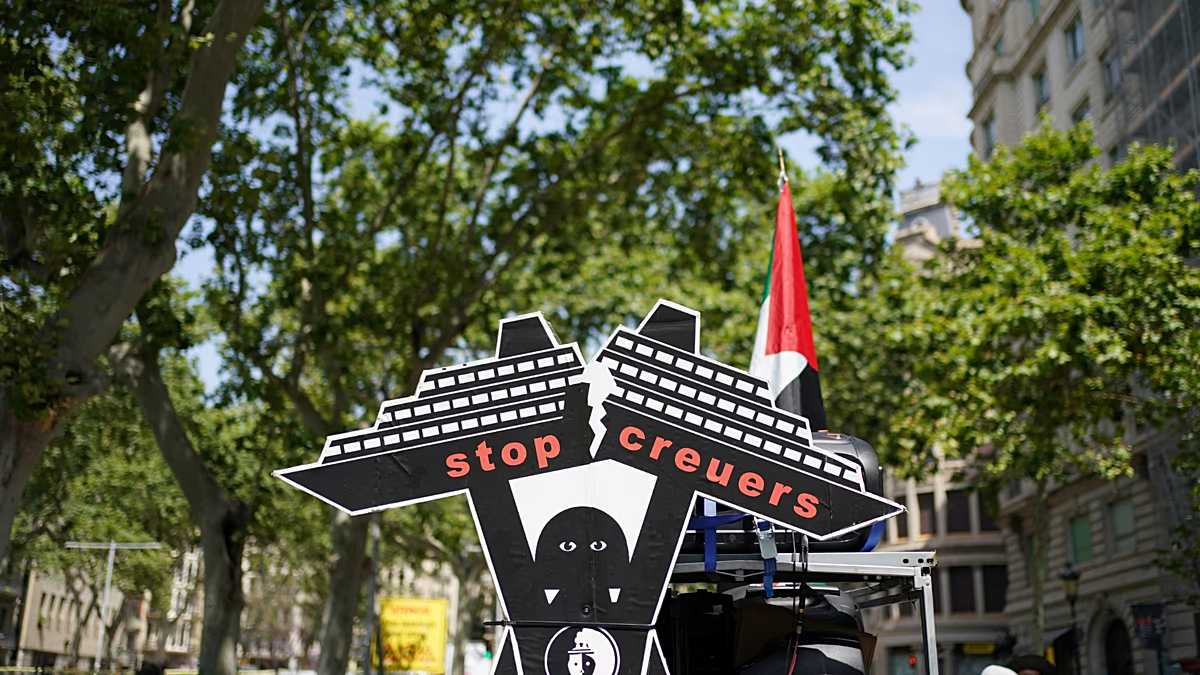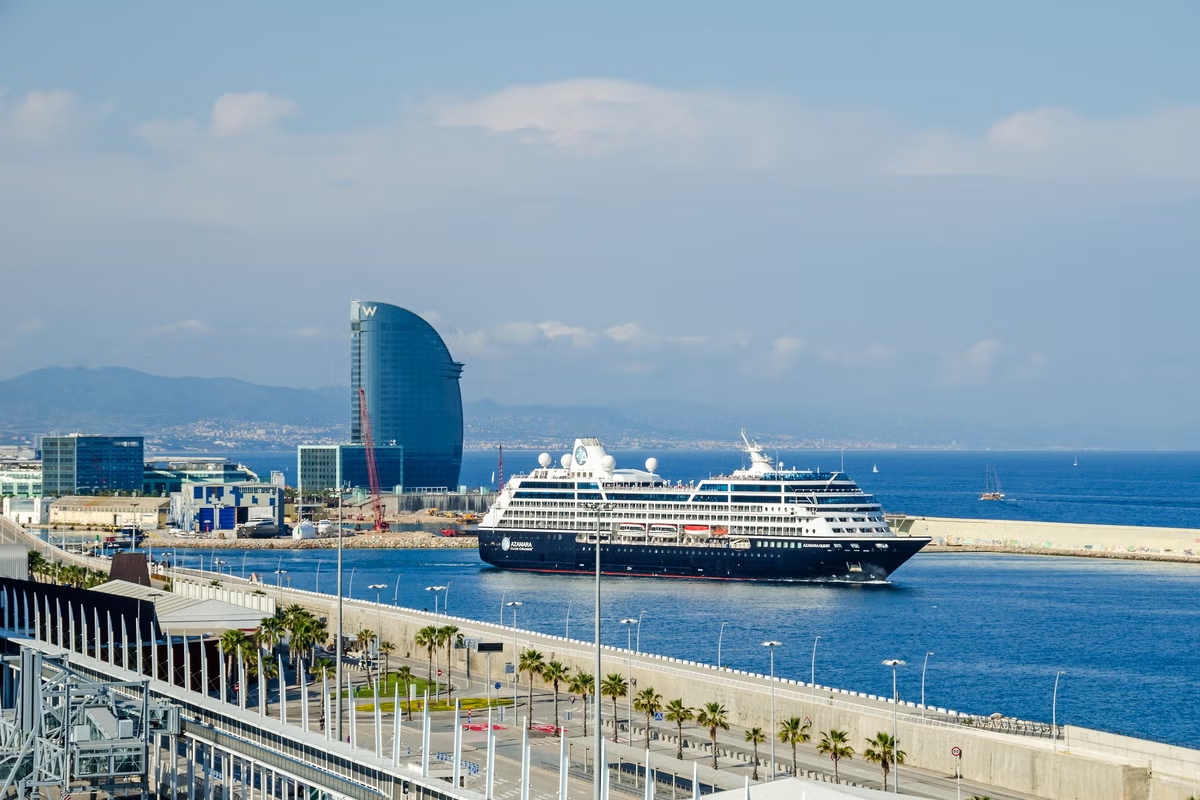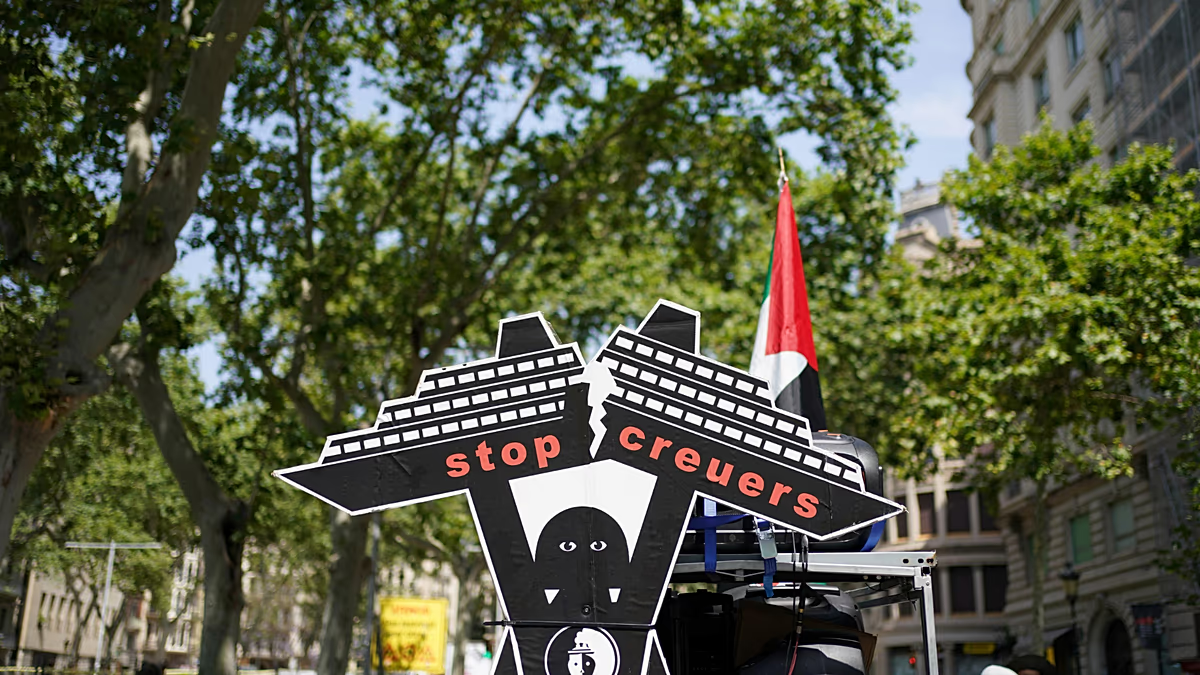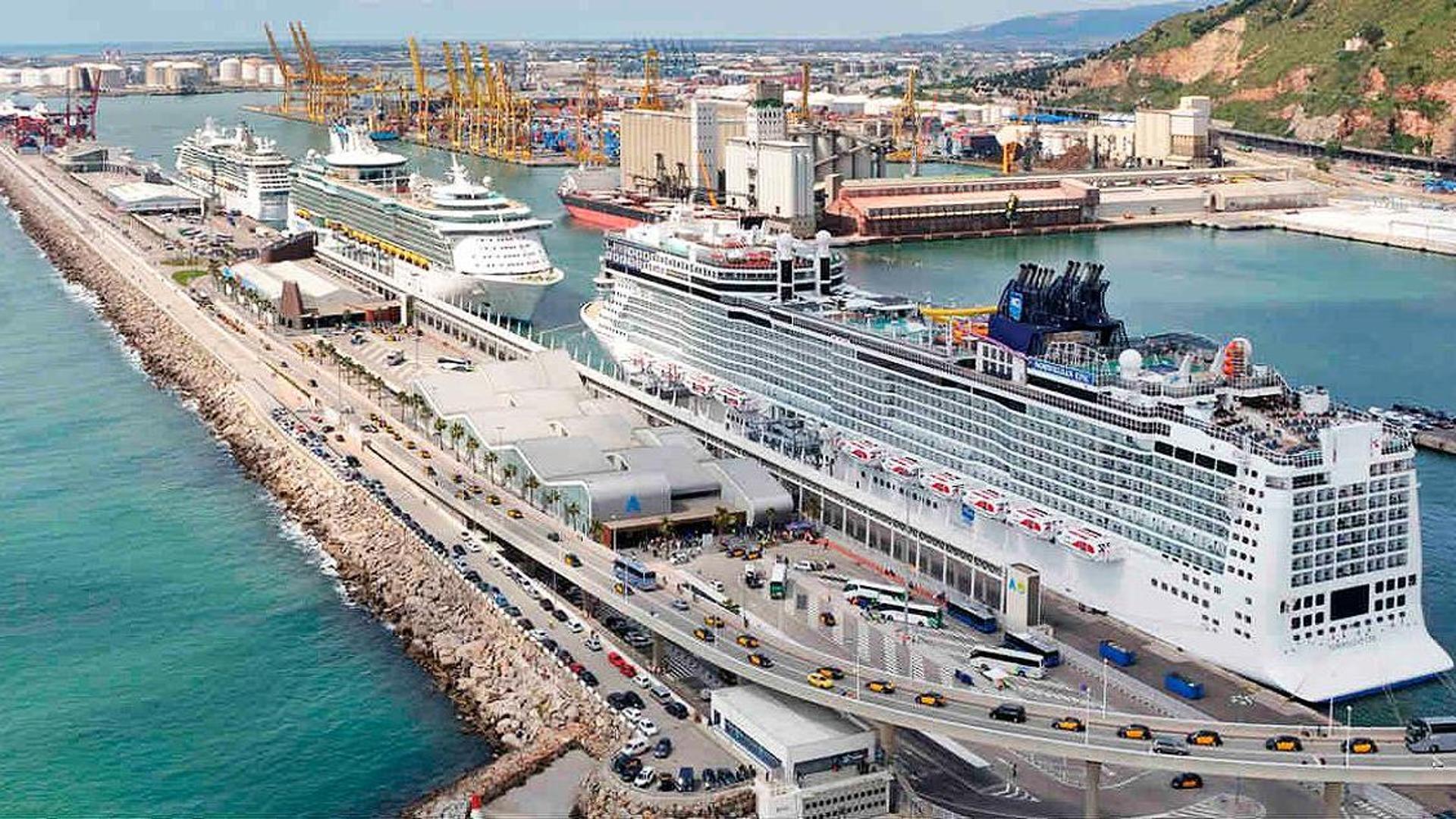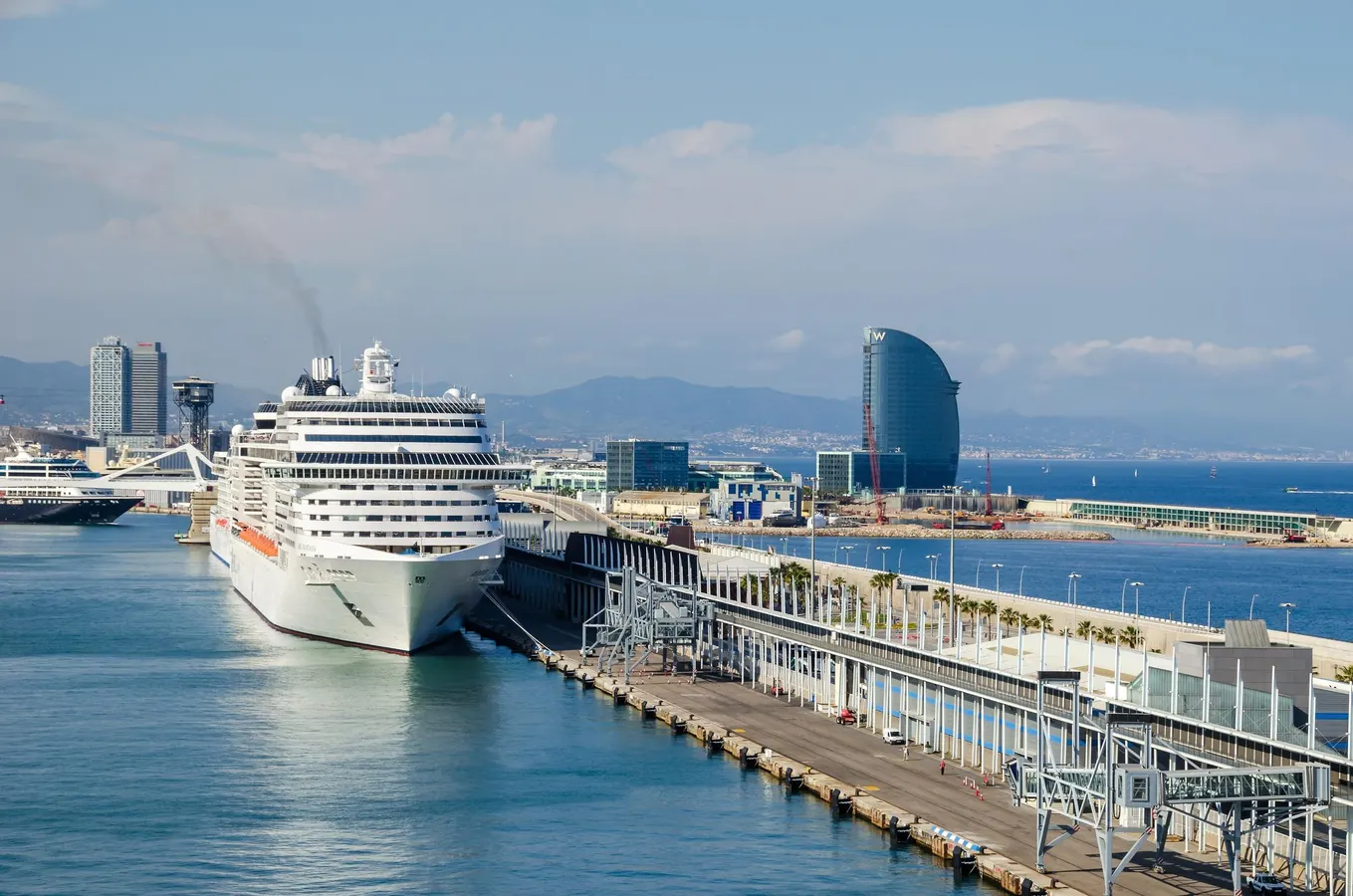
Barcelona's cruise ports can handle multiple cruise ship visits every day.gettyBarcelona is preparing to impose its maximum municipal tourism surcharge on cruise passengers making short port calls, potentially raising the total charge to 30 euros (approximately $34) per person.However, the measure is more targeted than some of the early headlines suggest. Barcelona is not imposing a new fee on every cruise ship passenger, nor is the increased charge already in effect.Instead, the city is using taxation to discourage one specific category of visitor: passengers who arrive aboard a cruise ship, spend a few hours seeing Barcelona and leave again that evening.Barcelona Moves To Maximum Cruise Tax RateOn July 15, Barcelona’s deputy mayor for economic affairs, Jordi Valls, committed the city government to raising its municipal cruise passenger surcharge to the legal maximum.The commitment came during a meeting of the city’s Economy and Finance Commission. The higher rate is expected to be included in the debate over Barcelona’s next fiscal ordinances. It replaces an earlier plan to increase the surcharge gradually over several years.Cruise passengers making calls of 12 hours or less currently pay a combined tourism tax of 11 euros, or approximately $12.50. That consists of a 6-euro regional tax charged by Catalonia and a 5-euro Barcelona municipal surcharge.If Barcelona’s municipal portion rises to 24 euros while the regional charge remains unchanged, the total would reach 30 euros, or approximately $34, per person for a short port call.Despite reports that Barcelona has introduced the higher tax “immediately,” it is not yet being collected. The city government has committed to making the change through its forthcoming tax regulations, meaning further legislative and administrative steps are still required.Until those steps are completed and an implementation date is announced, cruise passengers should not assume that a 30-euro charge will appear on an upcoming booking.Not Every Passenger Will Pay The Cruise TaxThe increased charge is intended for transit passengers whose ship calls at Barcelona for 12 hours or less.Passengers beginning their cruise in Barcelona are not liable for the Catalan cruise tourism tax. Neither are those disembarking because Barcelona is the final destination of their voyage.Under Catalan tax law, the charge applies when a cruise ship makes a port call while a passenger is in transit. It is not triggered when someone boards in Catalonia to begin a cruise or leaves the ship there at the end of one.This distinction reveals the strategy behind the increase. Barcelona does not want to give up its status as a major Mediterranean cruise hub. It wants to prioritize cruises that begin or end in the city over itineraries that include Barcelona as one stop among many.Homeport passengers are more likely to use the airport, book hotel rooms and spend time in the city before or after their cruise. Transit passengers may arrive in the morning, visit a handful of major attractions and return to the ship without staying overnight.The Port of Barcelona says 58% of its cruise traffic in 2025 involved passengers embarking or disembarking in the city. It describes those passengers as bringing the most value to Barcelona.A Wider Attempt To Reshape Cruise TourismThe tax increase is not an isolated decision. Barcelona and its port authority have already agreed to reduce the number of cruise terminals from seven to five. Three older terminals will be demolished and replaced by one new public terminal, with the changes scheduled to be completed by 2030.The new facilities will prioritize homeport cruises and smaller ships, while improvements to public transportation and port access are also planned.Barcelona Mayor Jaume Collboni has previously said he wants to eliminate transit cruise calls while retaining passengers who begin or end their trips in the city.That may be an ambitious goal. Barcelona remains one of the Mediterranean’s most important cruise ports and an instantly recognizable destination that cruise lines can use to sell itineraries. Yet the higher tax changes the calculation.Does The Cruise Tax Impact You?For a couple, a short Barcelona call could carry a combined charge of 60 euros, or approximately $68. On its own, that is unlikely to persuade many to abandon an expensive cruise vacation. It may, however, influence how cruise lines price itineraries and compare Barcelona with alternative ports.Cruise operators could absorb the charge, pass it directly to passengers or reduce the number of transit calls if Barcelona becomes less commercially attractive.For now, passengers should check the taxes and port fees attached to their individual booking rather than relying on headlines suggesting the maximum charge is already in place.Travelers embarking or disembarking in Barcelona should also understand that they are not the primary target of the measure.Barcelona is not closing the door on cruise tourism. It is trying to decide which cruise passengers it considers most valuable, then using its tax system to encourage more of them.MORE FROM FORBESForbesWhy Cruise Lines Are Betting On The Mediterranean In WinterBy David NikelForbesBarcelona’s Sagrada Familia Is Busier Than Ever, But Still Worth ItBy David NikelForbesBarcelona Is Busier Than Ever. Do This Before You GoBy David Nikel
Barcelona’s Cruise Tax Plan Targets Short Port Calls
Barcelona is moving to sharply increase its cruise tax on passengers making short port calls, part of a wider effort to favor homeport traffic over day visitors.
832 words~4 min read